Developing critical thinking Math Worksheets for Ages 4-7
3 filtered results
-
From - To
Unlock your child's potential with our "Developing Critical Thinking Math Worksheets" designed for ages 4-7. These engaging worksheets foster essential problem-solving skills and promote logical reasoning in young learners. Tailored for early mathematics, our activities encourage kids to explore concepts such as counting, shapes, patterns, and relationships through fun, interactive exercises. Each worksheet is crafted to challenge young minds and stimulate their curiosity, making math not just educational but enjoyable! Help your child build a strong foundation in critical thinking while they gain confidence in their math skills. Dive into our vibrant collection of worksheets and watch your child thrive!
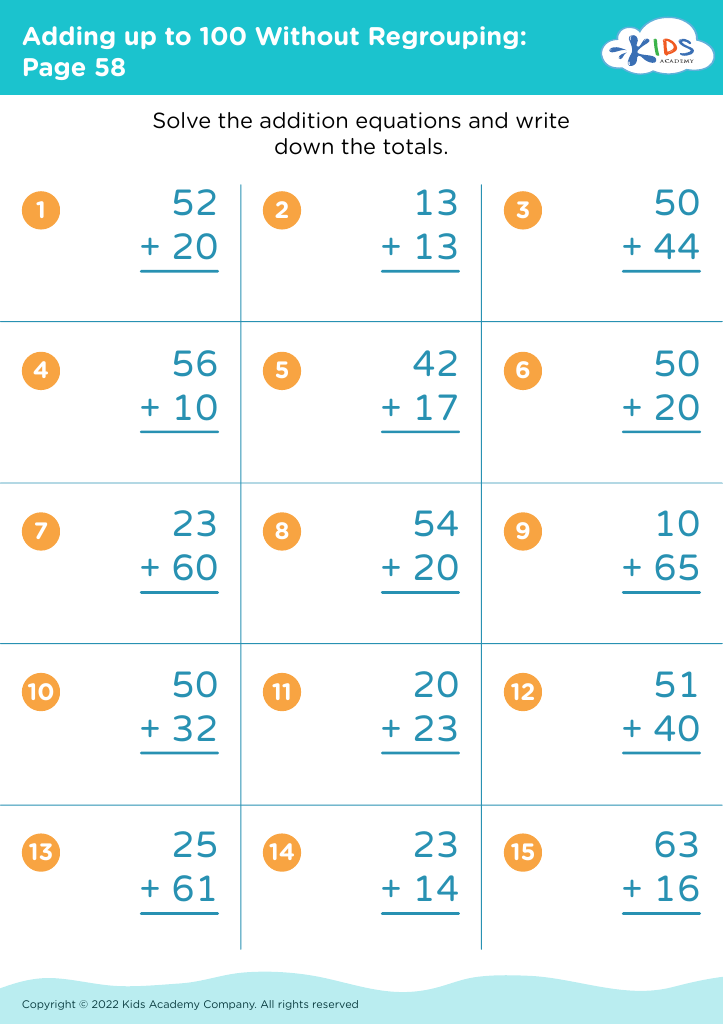
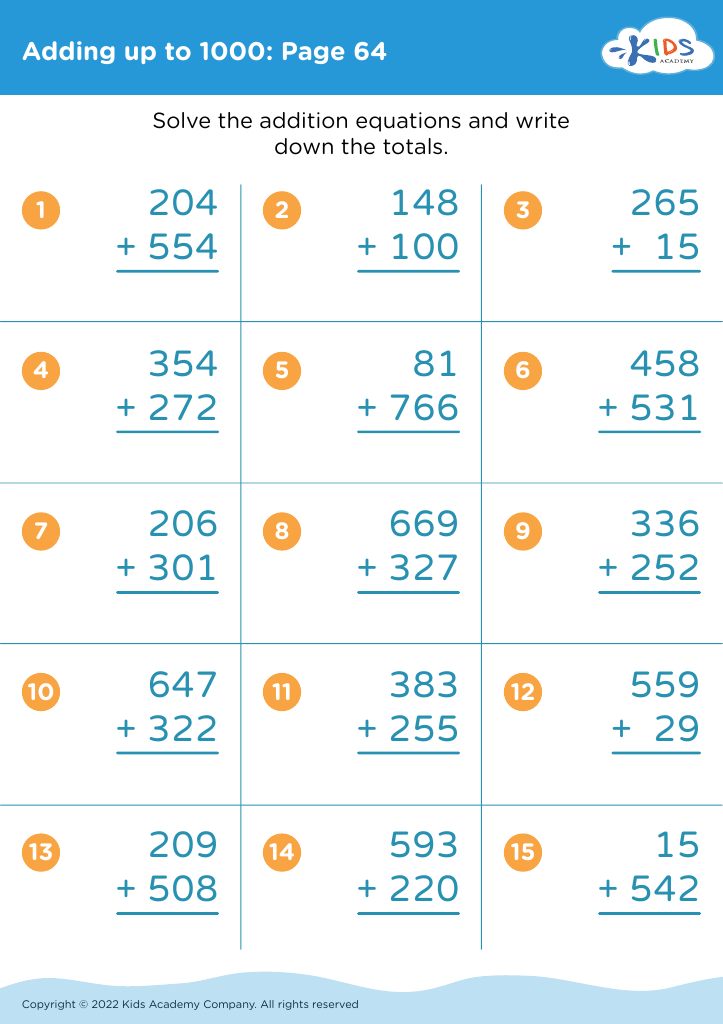
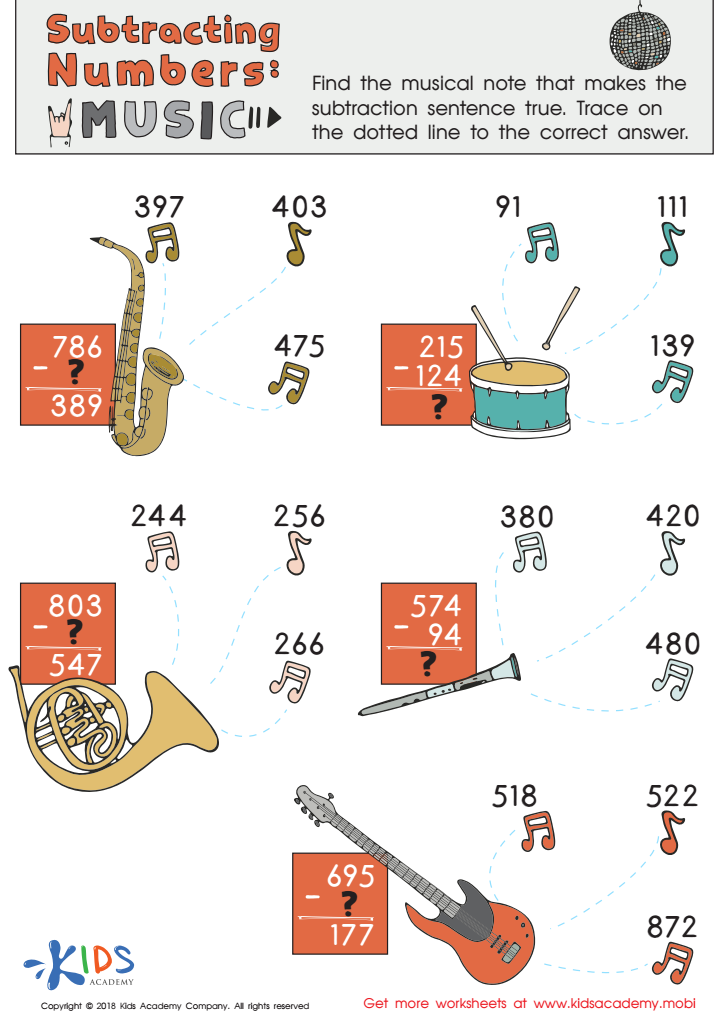
Subtracting Numbers: Music Worksheet
 Assign to My Students








Developing critical thinking skills in mathematics for children aged 4-7 is essential for fostering a strong foundation for future learning. During these formative years, children are naturally curious and eager to explore, making it an ideal time to engage them in problem-solving and mathematical reasoning. Encouraging critical thinking in math helps children learn to analyze, evaluate, and synthesize information, allowing them to approach problems with confidence and creativity.
Critical thinking in math cultivates essential cognitive skills such as logical reasoning and pattern recognition, which are crucial not only in academic settings but also in everyday life. Parents and teachers should emphasize math that encourages exploration and questioning, enabling children to connect concepts rather than merely memorizing procedures. This approach nurtures a growth mindset, empowering children to see challenges as opportunities for learning and development.
Moreover, as we prepare children for an increasingly complex world, the ability to think critically about mathematical concepts equips them with tools to navigate everyday situations, make informed decisions, and understand fundamental ideas in science and economics. Therefore, investing time and resources into fostering critical thinking in math during these early years will yield lifelong benefits academically and personally for young learners.








