Developing logical thinking Math Worksheets for Ages 4-7
6 filtered results
-
From - To
Enhance your child's reasoning abilities with our "Developing Logical Thinking Math Worksheets" designed specifically for ages 4-7. These engaging worksheets are tailored to make math fun while reinforcing essential cognitive skills. By solving puzzles, identifying patterns, and engaging in problem-solving activities, young learners develop the foundational skills necessary for mathematical success. Our carefully crafted exercises encourage critical thinking and help children make connections between concepts. With a variety of colorful and interactive worksheets, your child will enjoy honing their logical thinking skills in an enjoyable and supportive environment. Start their journey towards confident math skills today!
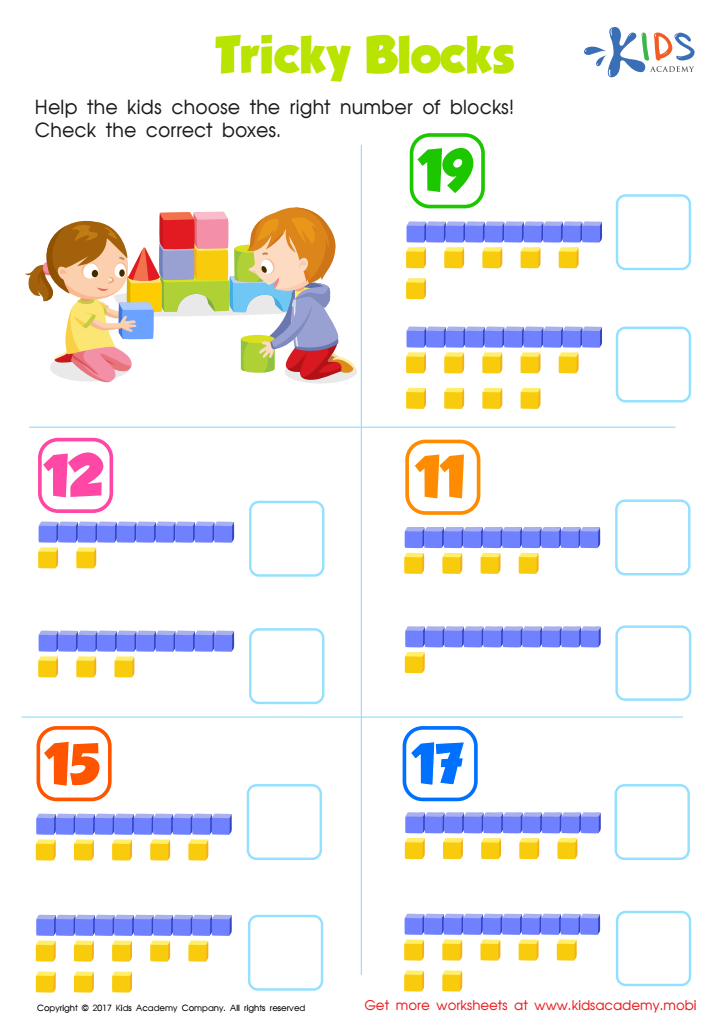
Tricky Blocks Worksheet
 Assign to My Students
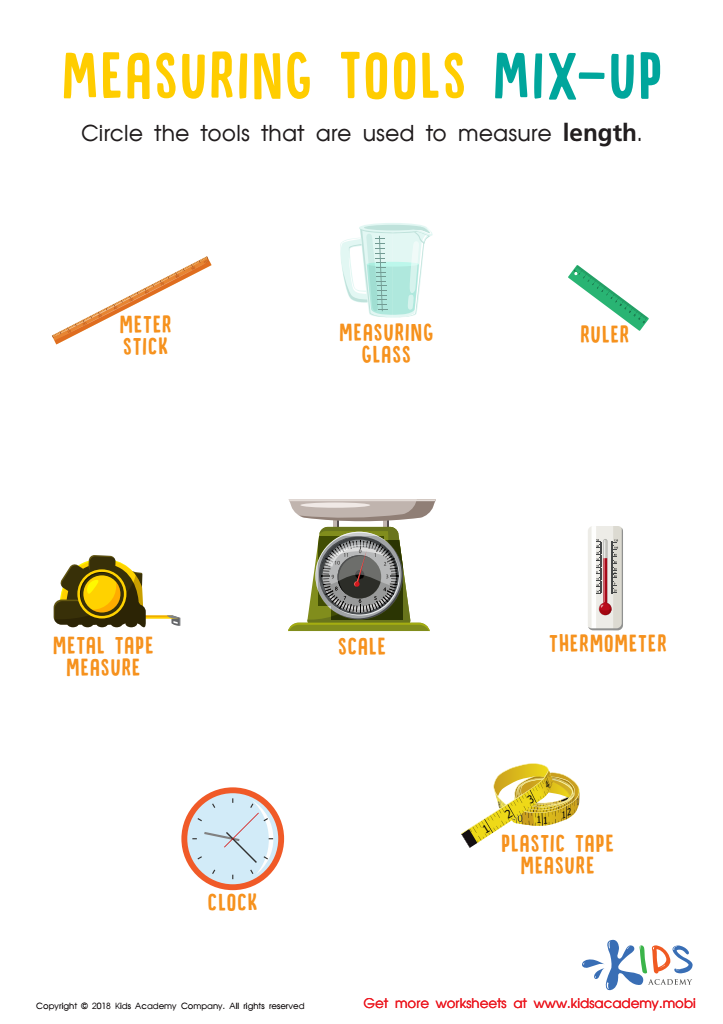
Measuring Tools Mix–up Worksheet
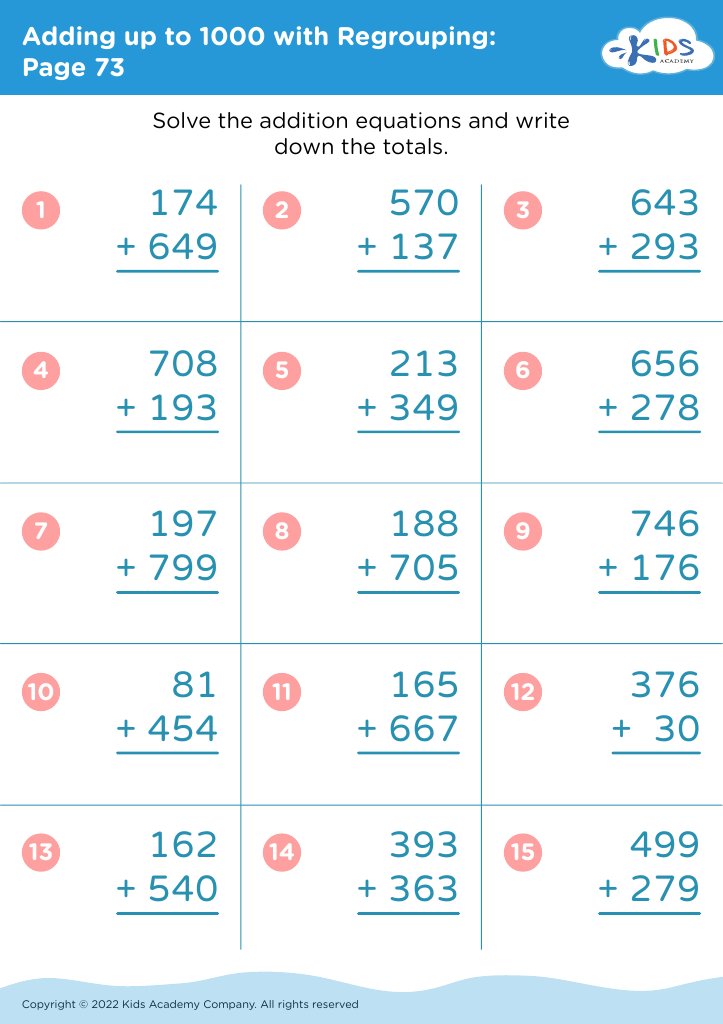
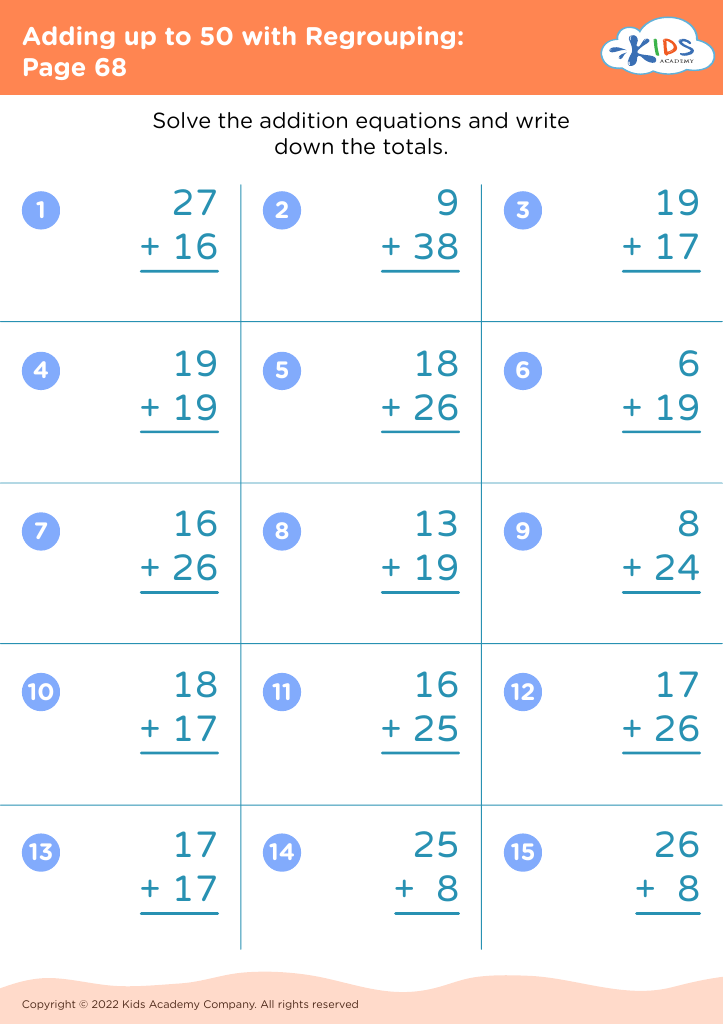
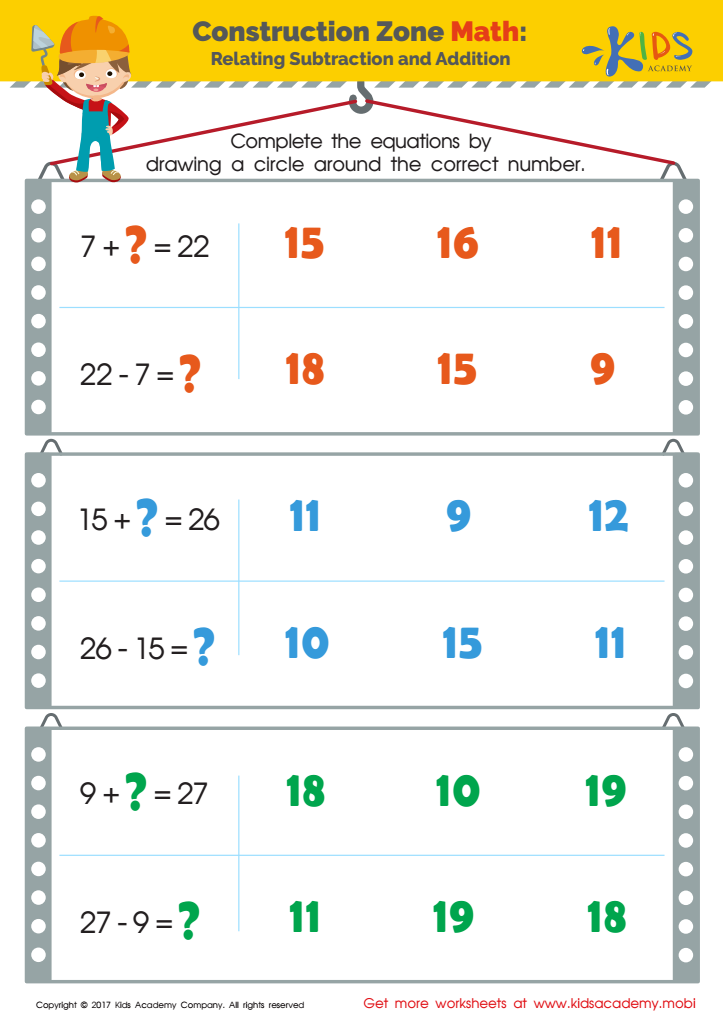
Related Addition and Subtraction Facts Worksheet







Developing logical thinking in math for children ages 4-7 is crucial for their overall cognitive growth and future academic success. During these formative years, children begin to develop problem-solving skills and reasoning abilities, which are foundational for more advanced math concepts later on. Engaging in math activities that emphasize patterns, sorting, and counting encourages critical thinking and helps young learners make sense of numbers and relationships.
Moreover, logical thinking aids children in understanding abstraction; as they grasp concrete concepts, they become better prepared to tackle more complex mathematical ideas necessary for subjects such as science and engineering later on. This early engagement also fosters confidence and a positive attitude toward math, which can counteract common anxieties associated with the subject in later grades.
By incorporating math-related challenges that promote logical reasoning into daily routines, parents and teachers can cultivate an enriching learning environment. Such practices can lead to improved academic performance and critical life skills, enabling children to approach problems systematically and creatively. Ultimately, nurturing logical thinking in math establishes a lifelong foundation for problem-solving, analysis, and thoughtful decision-making in various contexts beyond mathematics. Therefore, it is essential for parents and teachers to prioritize this aspect of early education.








