Fraction Addition Math Worksheets for Ages 4-7
15 filtered results
-
From - To
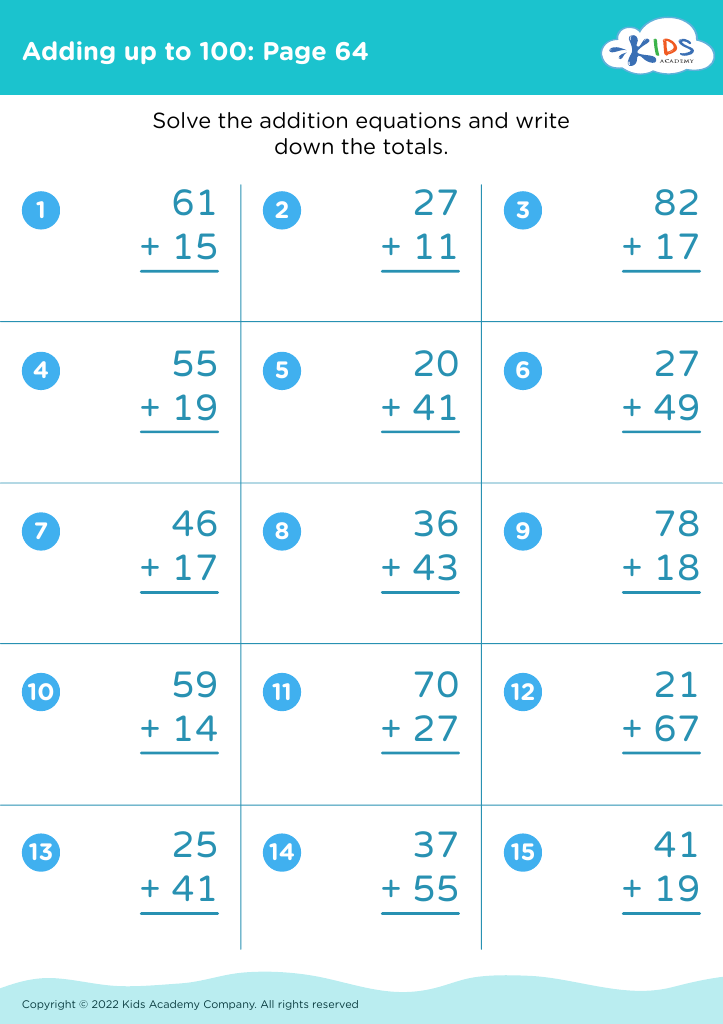
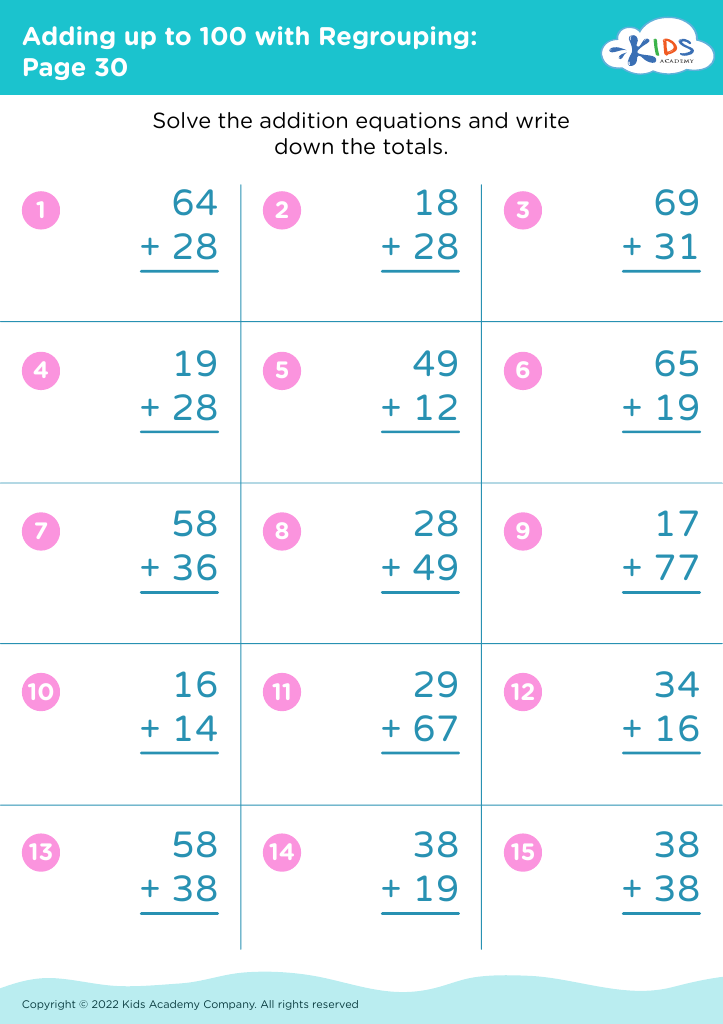
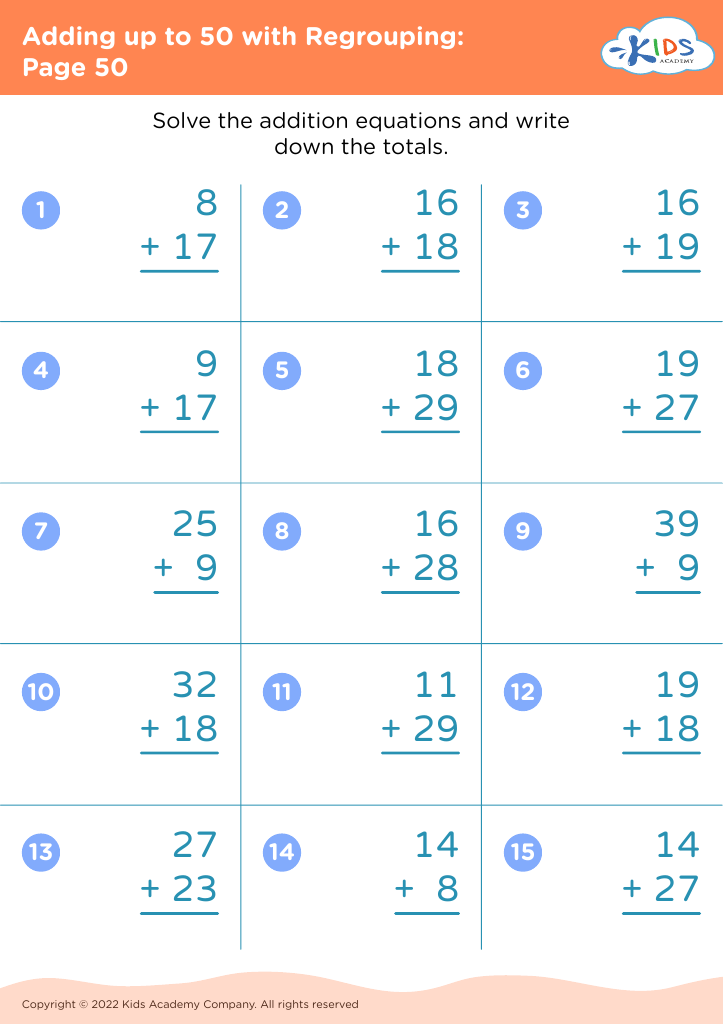
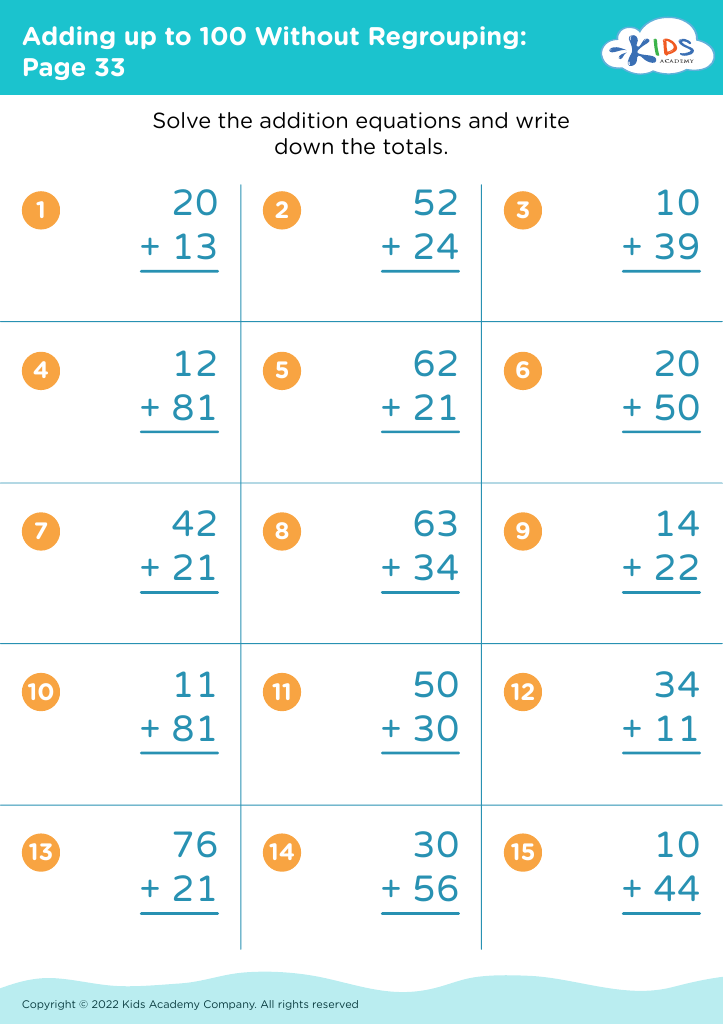
Discover engaging Fraction Addition Math Worksheets designed for ages 4-7 at Kids Academy! These thoughtfully crafted worksheets simplify the concept of fractions for young minds, offering vibrant illustrations and interactive exercises. Each page focuses on adding fractions, helping children visualize and understand parts of a whole. Our resources range from basic exercises to more challenging problems, fostering confidence and mathematical skills. Perfect for classroom or home use, these worksheets make learning fun and effective. Ignite your child's passion for math with our Fraction Addition Math Worksheets, tailored to support early learners on their educational journey!
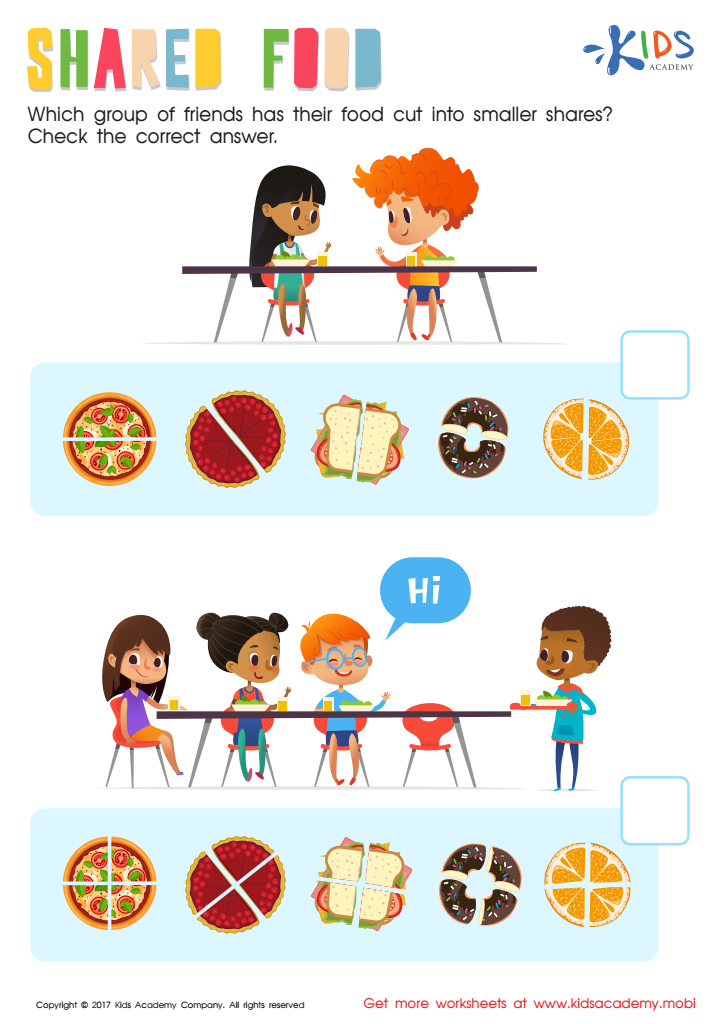
Shared Food Worksheet
 Assign to My Students
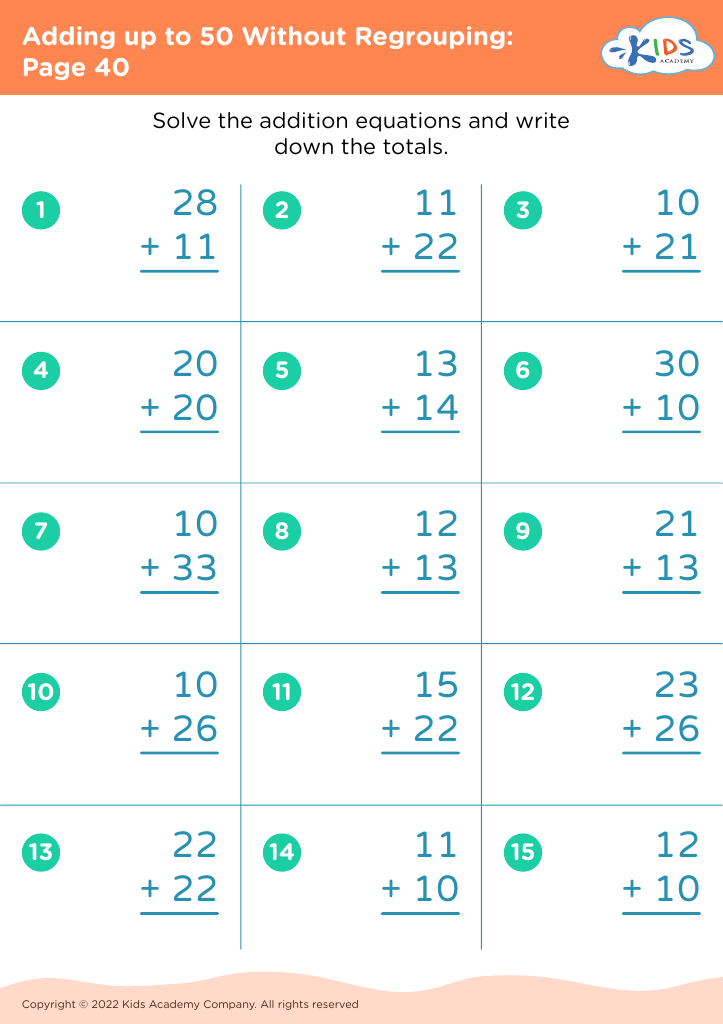
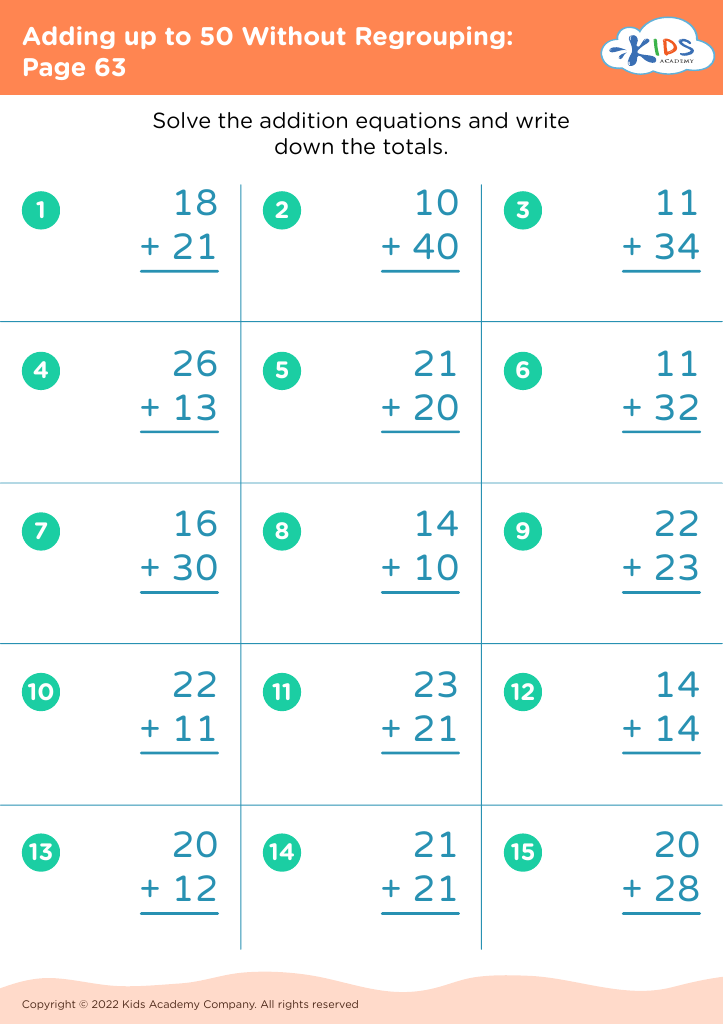
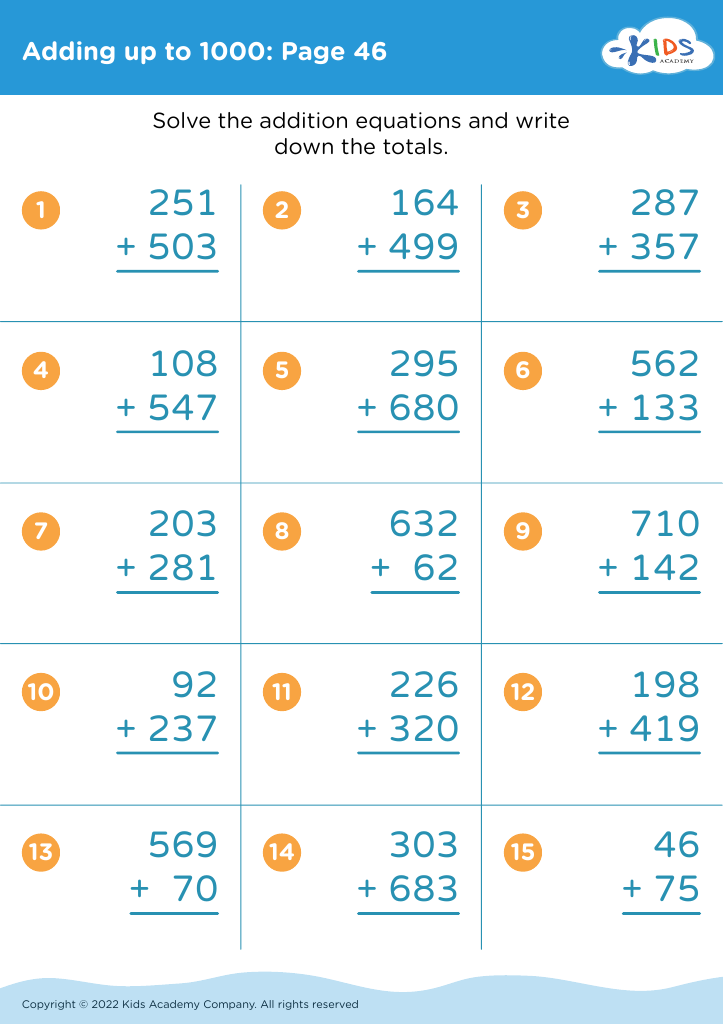








Understanding fraction addition early on sets the foundation for crucial math skills and cognitive development that are pivotal for future academic success. Even at ages 4-7, children are like sponges, rapidly absorbing information. Introducing fraction addition in a fun and engaging manner cultivates an intuitive grasp of parts and wholes, fostering both analytical and problem-solving skills.
Parents and teachers who prioritize fraction addition encourage children to view math as interesting and solvable rather than daunting. It enhances number sense and promotes a more profound understanding of proportions, measurements, and eventually more complex mathematical concepts.
Moreover, early exposure to mathematical ideas, such as fraction addition, gears young minds towards a systematic approach in reasoning and strengthens their ability to follow multi-step processes, compiling them into a coherent whole.
Incorporating fraction addition through play and practical activities like cooking, sharing snacks, or creating art projects makes learning tangible and enjoyable. Additionally, early math skills including fractions are linked with stronger calculation and mathematical abilities later in life.
Therefore, prioritizing fraction addition in early education serves as a building block for educators and parents to nourish a proactive and enthusiastic attitude towards mathematics that will benefit children inside the classroom and beyond.








