Handwriting Skills Math Worksheets for Ages 4-7
6 filtered results
-
From - To
Unlock your child's potential with our Handwriting Skills Math Worksheets designed for ages 4-7. Merging foundational math concepts with handwriting practice, these engaging printables cater to young learners developing fine motor skills. Each worksheet offers fun, educational activities that encompass number tracing, counting exercises, and simple arithmetic. Highly recommended for early grade teachers and parents, these thoughtfully crafted resources ensure children build strong math competencies while perfecting their handwriting. Empower your child to excel in both numerical and penmanship skills with our expert-designed worksheets, paving the path for academic success. Explore now and watch your child thrive!
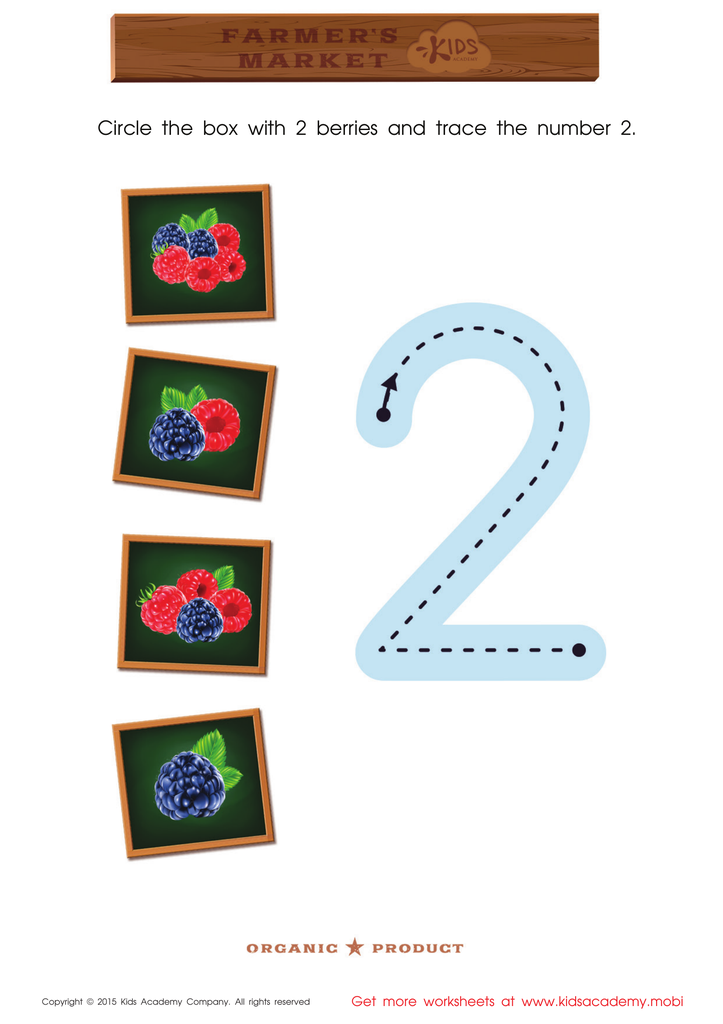
Count the Berries and Trace the Number 2 Printable
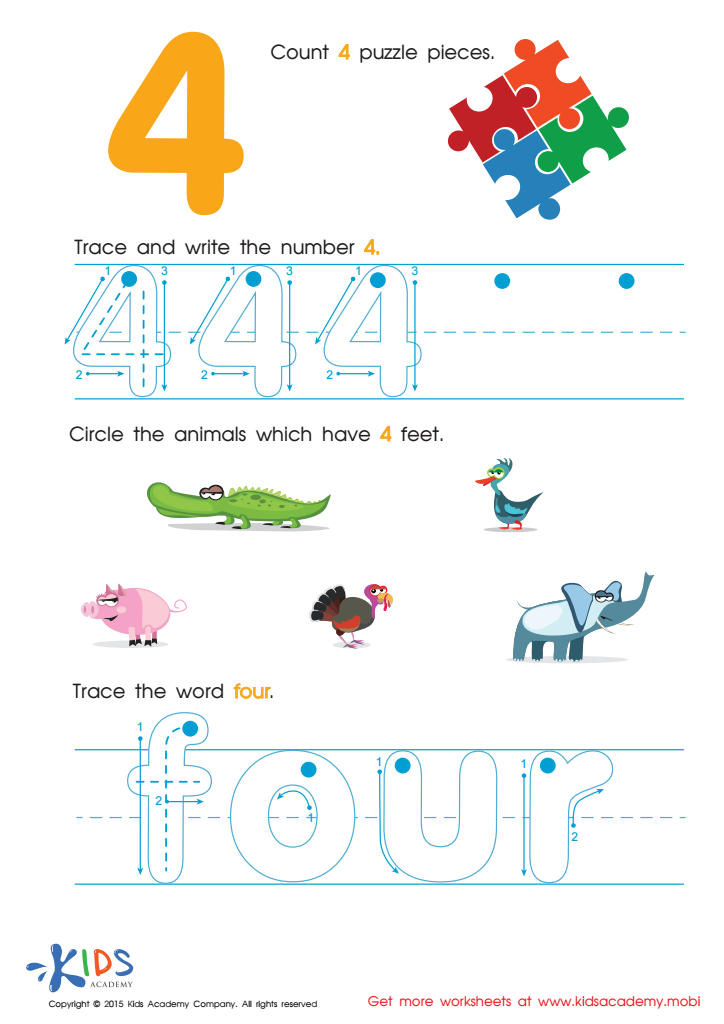
Teaching Children to Write Number 4 Worksheet
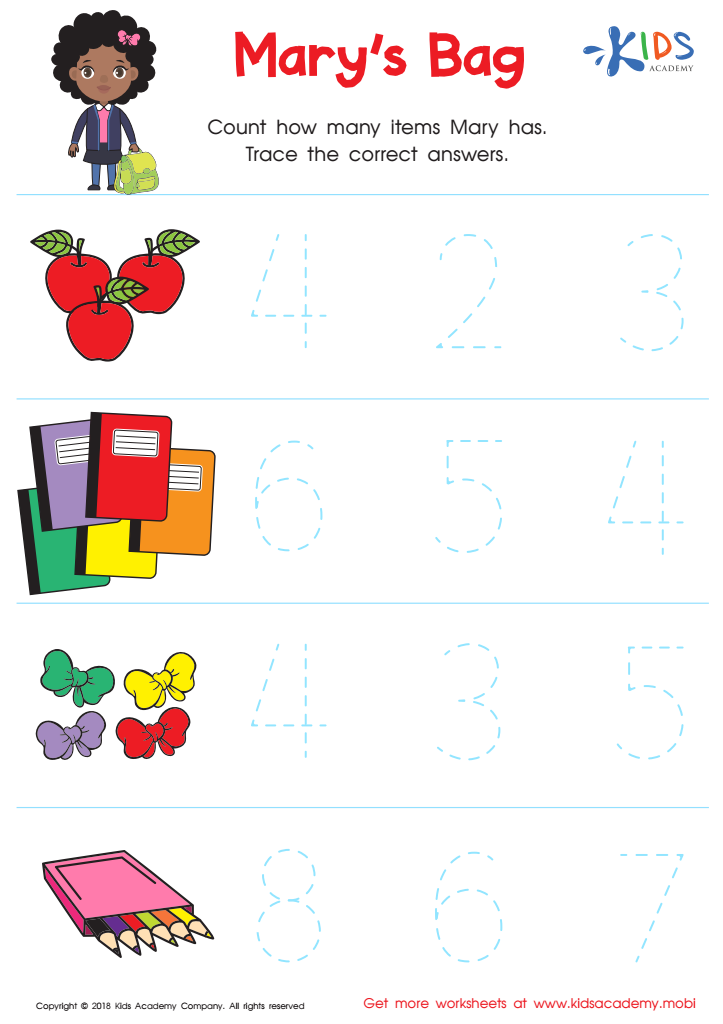
Kindergarten Number Tracing: Mary's Bag Worksheet
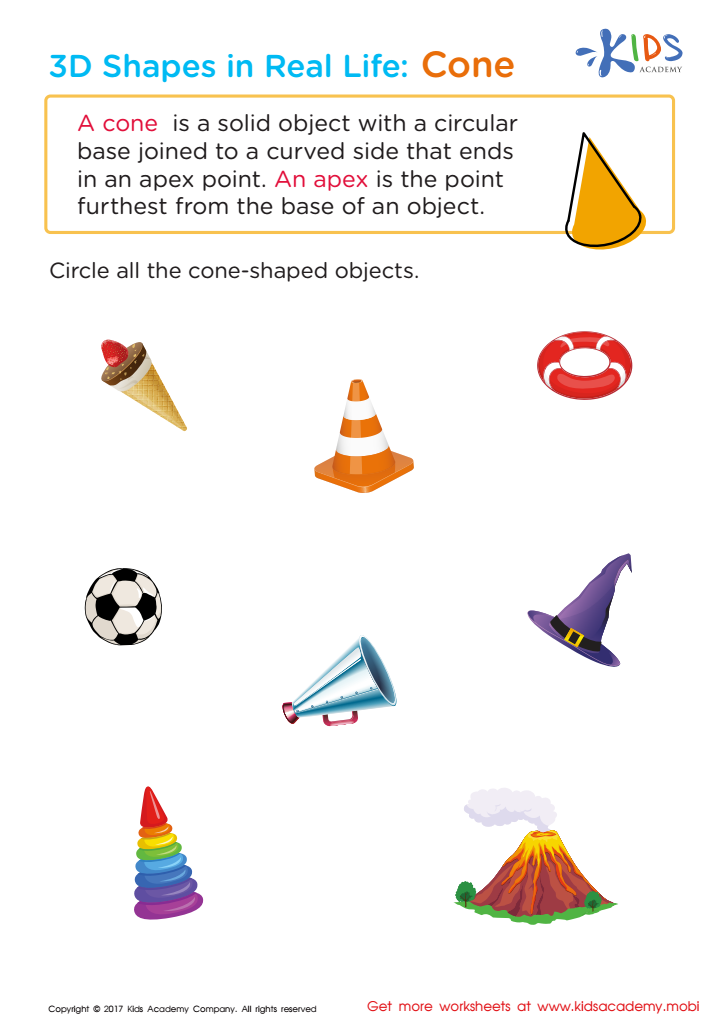
Shapes in Real Life: Cone Worksheet
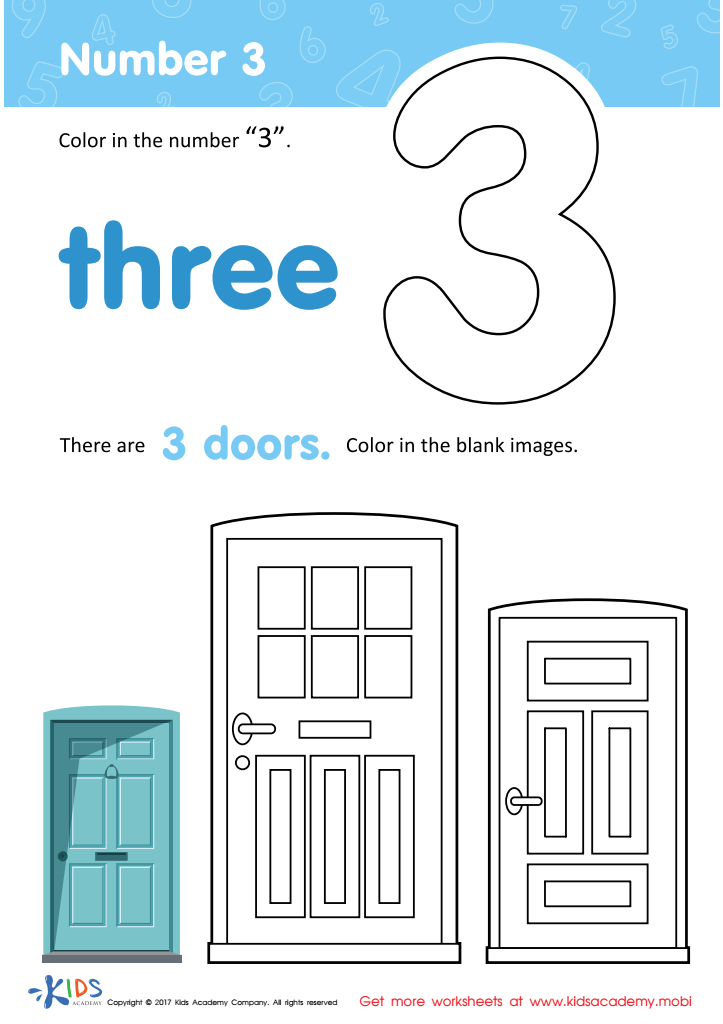
Number 3 Worksheet
 Assign to My Students
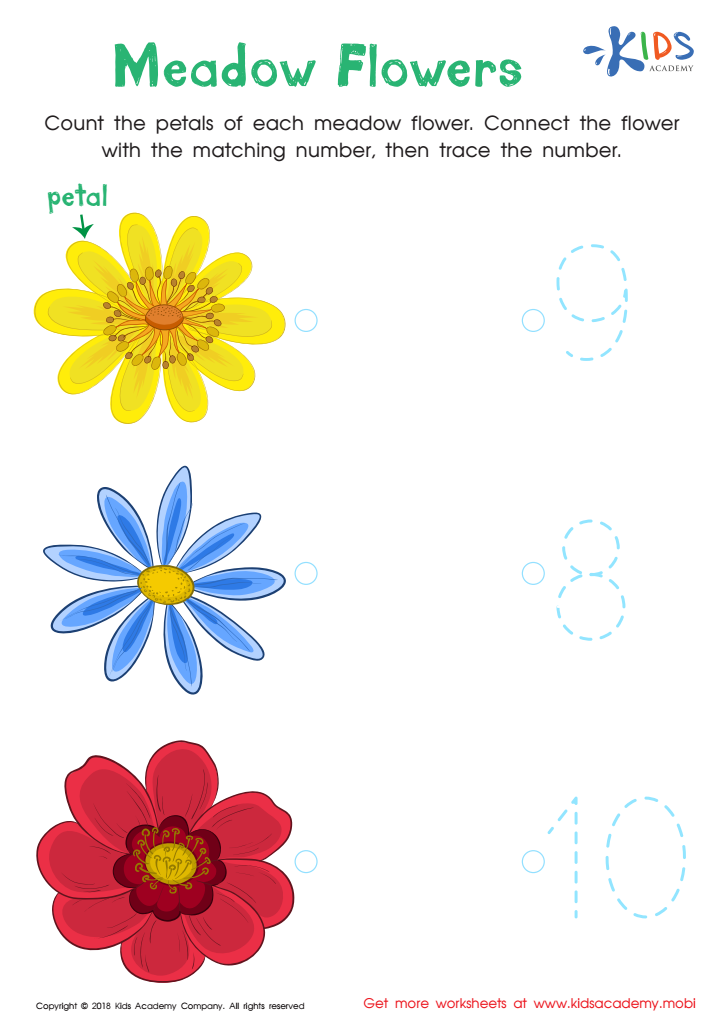
Kindergarten Number Tracing: Medow Flowers Worksheet







Handwriting skills are foundational for young children's overall academic development, particularly when it comes to math for ages 4-7. At this age, children are rapidly acquiring basic numerical and spatial concepts. Handwriting aids in the fine motor development necessary for these activities. Effective handwriting instruction helps children learn to form numbers and mathematical symbols clearly, reducing frustration and enhancing confidence. This clarity allows them to focus on understanding math concepts rather than the mechanics of writing.
Moreover, the process of writing by hand engages multiple brain regions associated with critical thinking, memory, and problem-solving. When children practice writing numbers and math-related symbols, they reinforce their cognitive understanding of these concepts. For instance, consistently writing numbers helps them internalize their shapes and meanings, crucial for number recognition and counting.
In addition, well-developed handwriting skills contribute to better organizational abilities. Writing equations, word problems, or mathematical proofs legibly makes them easier to review and check for mistakes. Therefore, prioritizing handwriting skills in math education during these formative years results in not just better penmanship but also stronger mathematical abilities, setting the stage for future academic success. Handwriting and math skills together empower children to comprehend and engage more effectively with the world around them.








