Identify shapes Math Worksheets for Ages 4-7
11 filtered results
-
From - To
Discover our engaging "Identify Shapes Math Worksheets" designed for children ages 4-7! Our thoughtfully crafted worksheets help young learners develop essential geometry skills as they explore and recognize various shapes. With a variety of interactive activities, including tracing, coloring, and matching, these worksheets make learning fun and enjoyable. Perfect for at-home practice or classroom use, our resources support early math skills and boost confidence in young students. Help your child build a strong foundation in shape identification while fostering a love for learning! Explore our creative worksheets today and watch your little ones thrive in math!
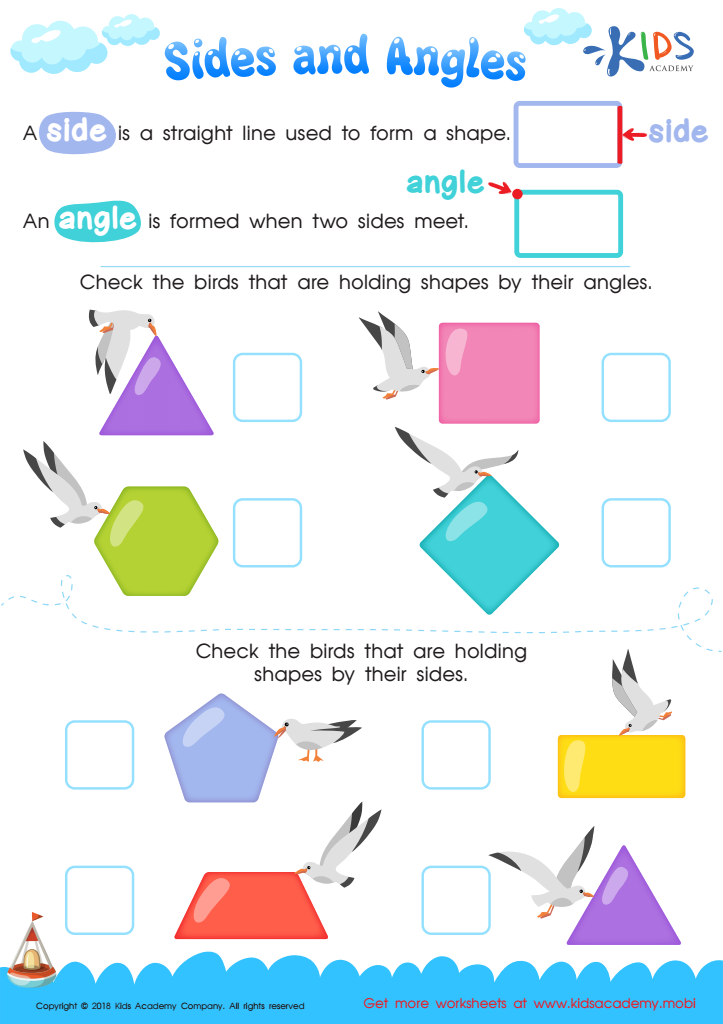
Sides and Angles Worksheet
 Assign to My Students
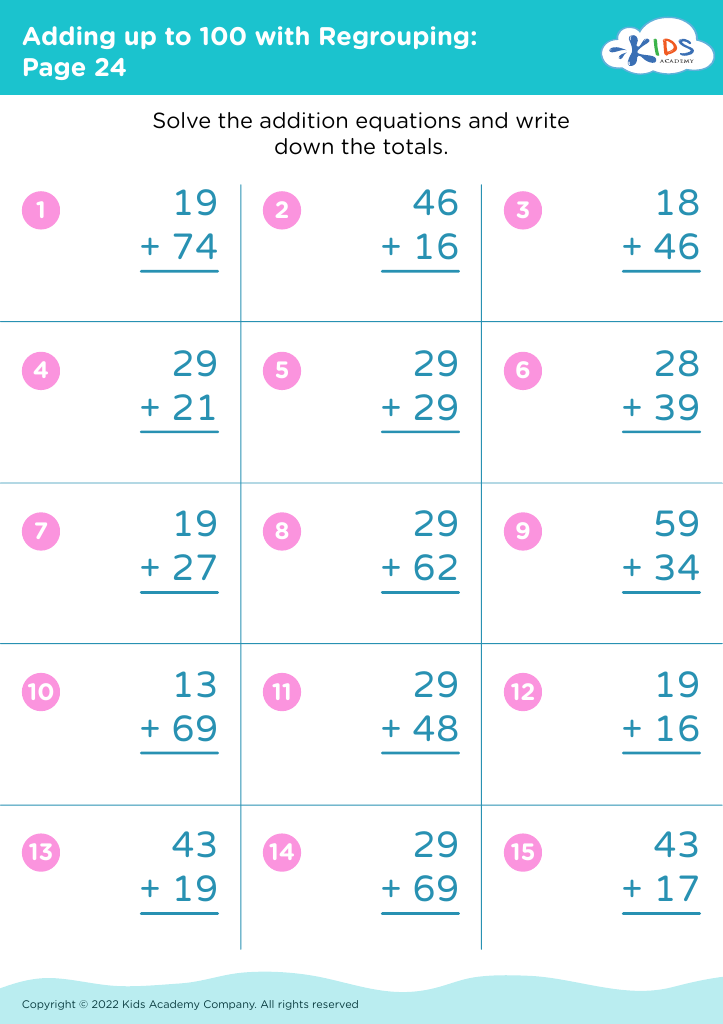
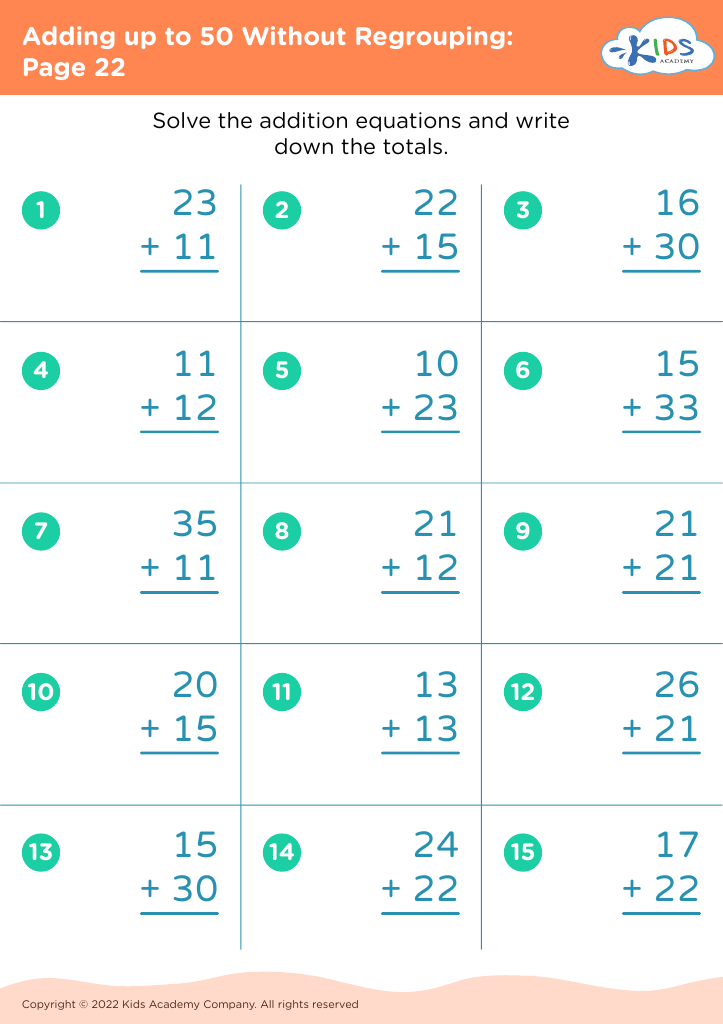
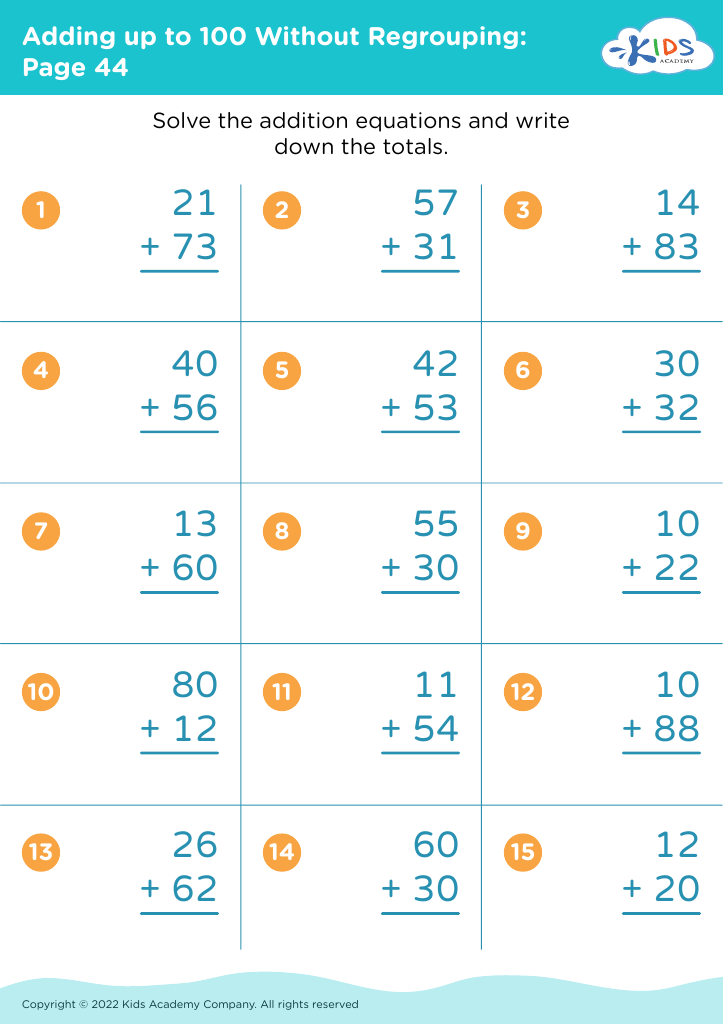







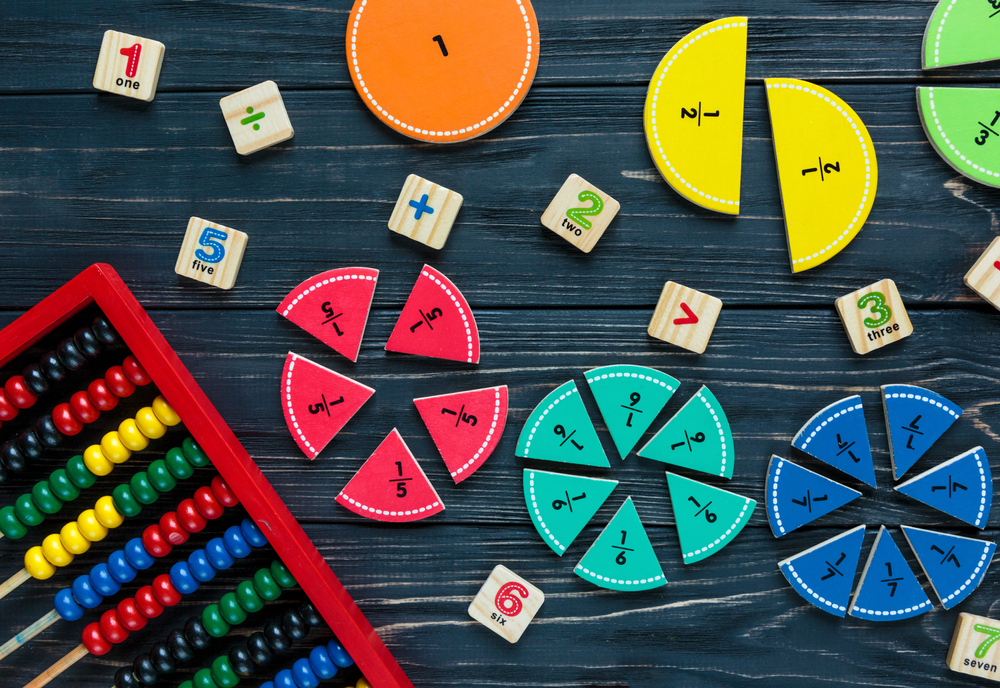
Identifying shapes is a fundamental skill that lays the groundwork for various mathematical concepts and cognitive development in children aged 4-7. Parents and teachers should prioritize shape recognition because it fosters essential spatial awareness and critical thinking skills. Understanding shapes helps children develop the ability to categorize and make sense of their surroundings, which is crucial for later math skills, such as geometry and measurement.
Moreover, identifying shapes enhances fine motor skills as children manipulate objects to understand their attributes. This tactile approach to learning engages multiple senses and makes math enjoyable, promoting a love for learning. Identifying shapes also supports language development, as children learn to describe shapes using terms like "circle," "triangle," or "rectangle," enhancing their vocabulary.
Additionally, incorporating shape identification into everyday activities—like discussing traffic signs or the shapes of objects around them—enables parents and teachers to create rich, engaging learning experiences. By caring about shape identification, adults are equipping children with foundational skills that contribute to later academic success, problem-solving abilities, and everyday functionality, ultimately supporting their overall development and confidence in math.








