
Improve number recognition Math Worksheets for Ages 4-7
15 filtered results
Difficulty Level
Grade
Age
-
From - To
Subject
Activity
Standards
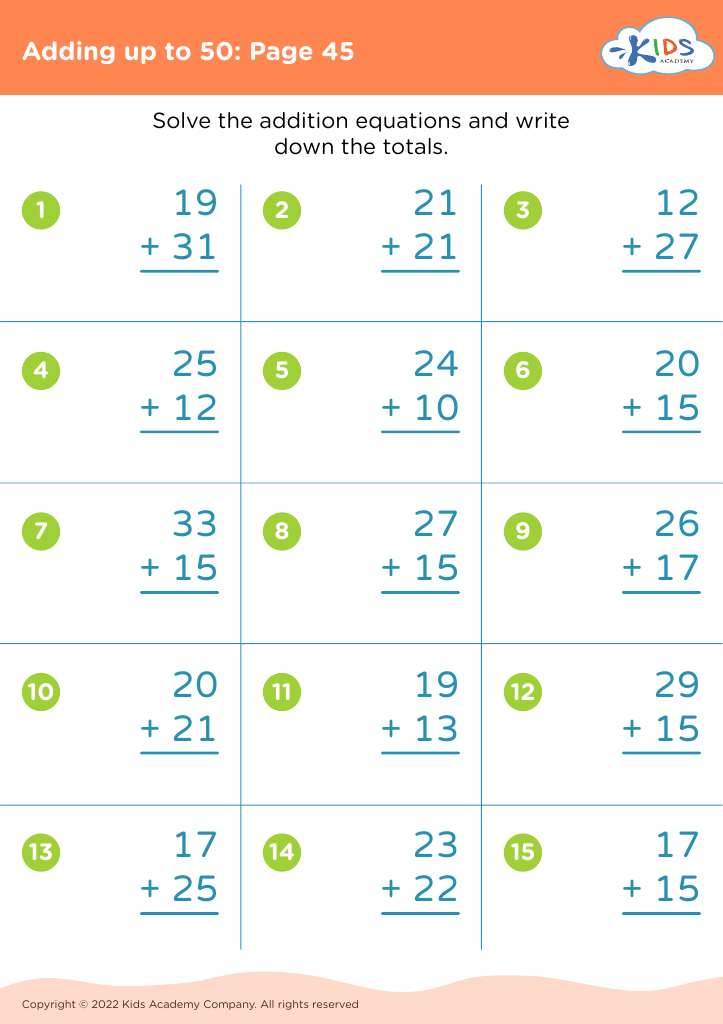
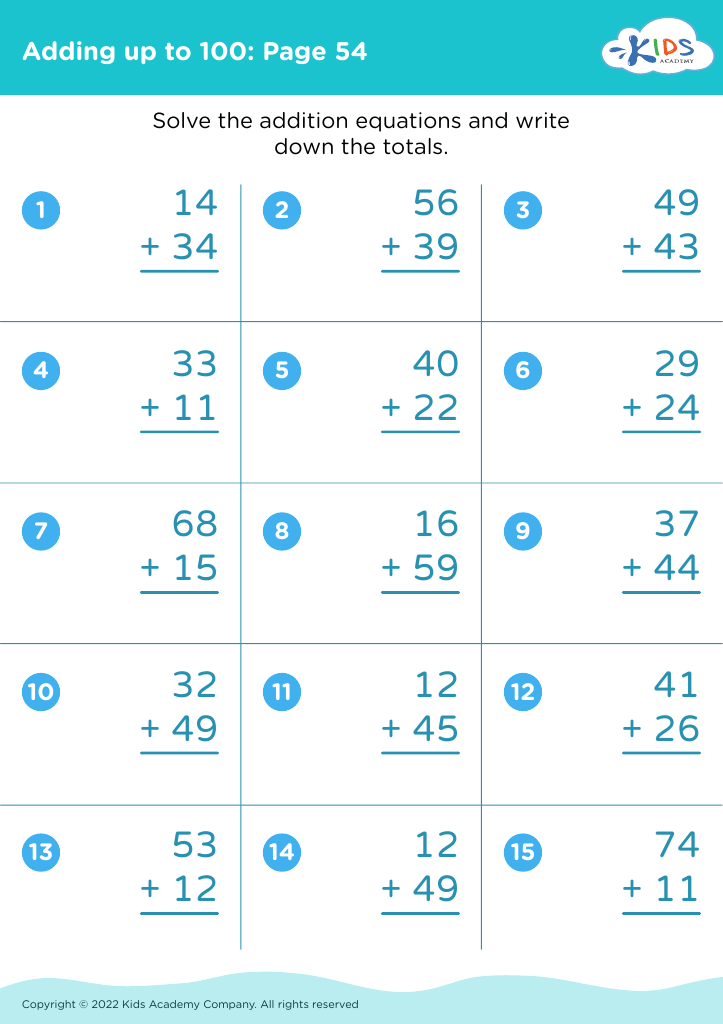
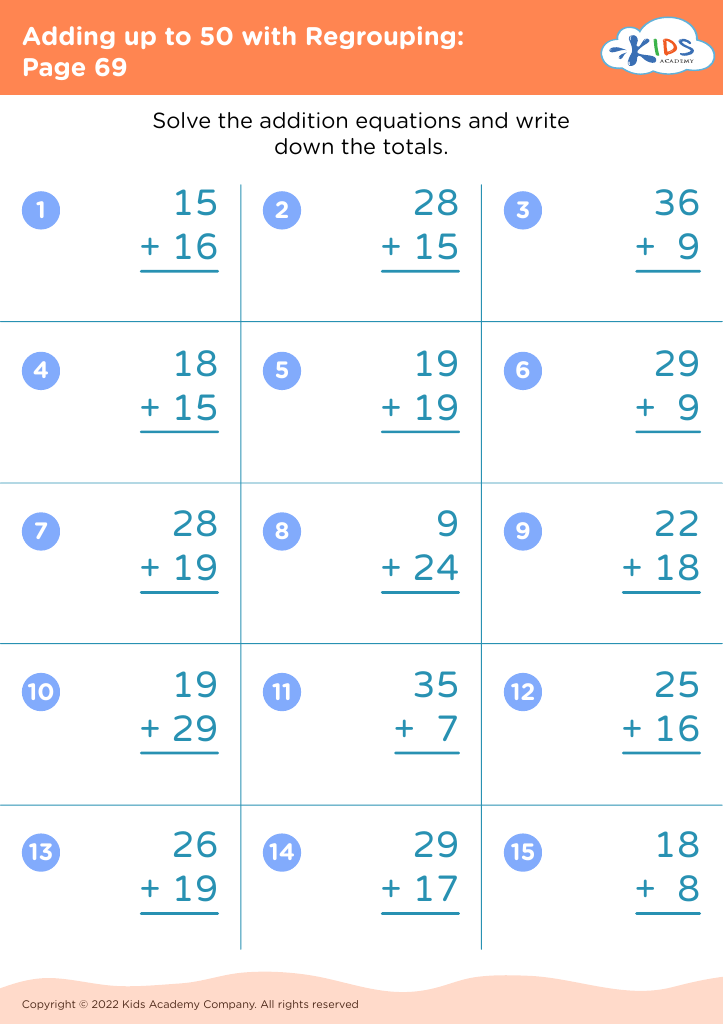
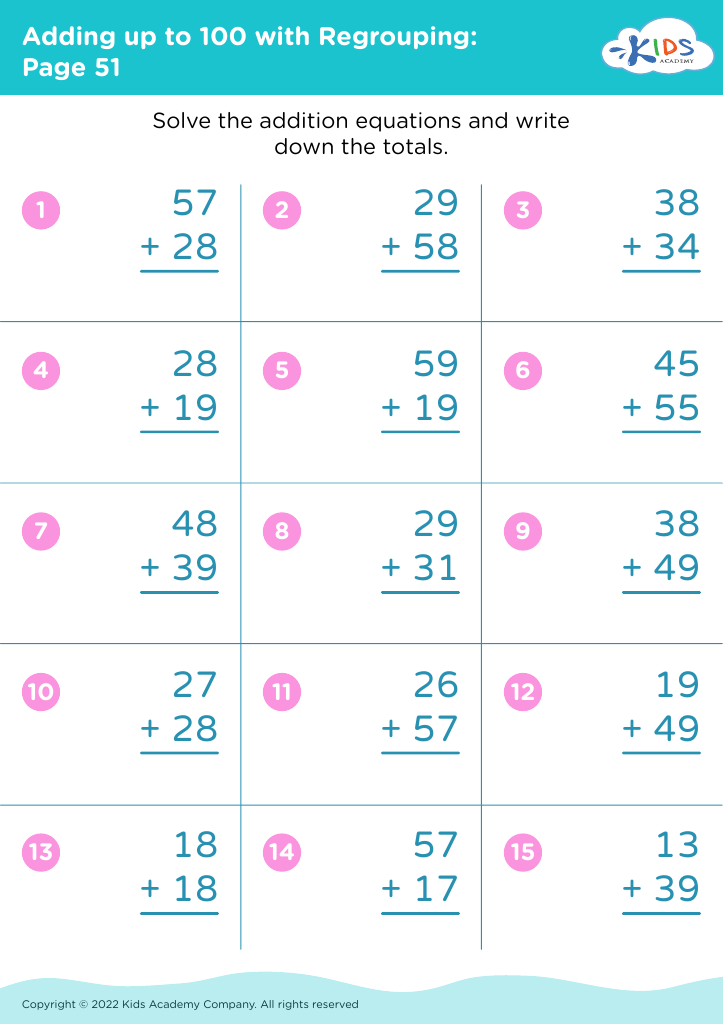
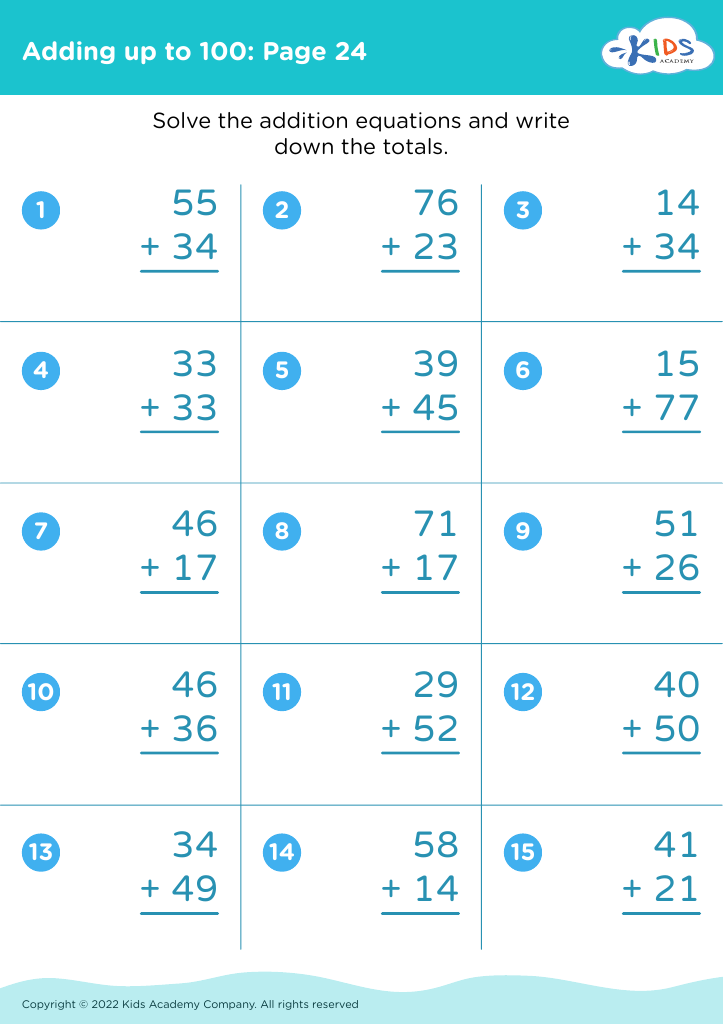
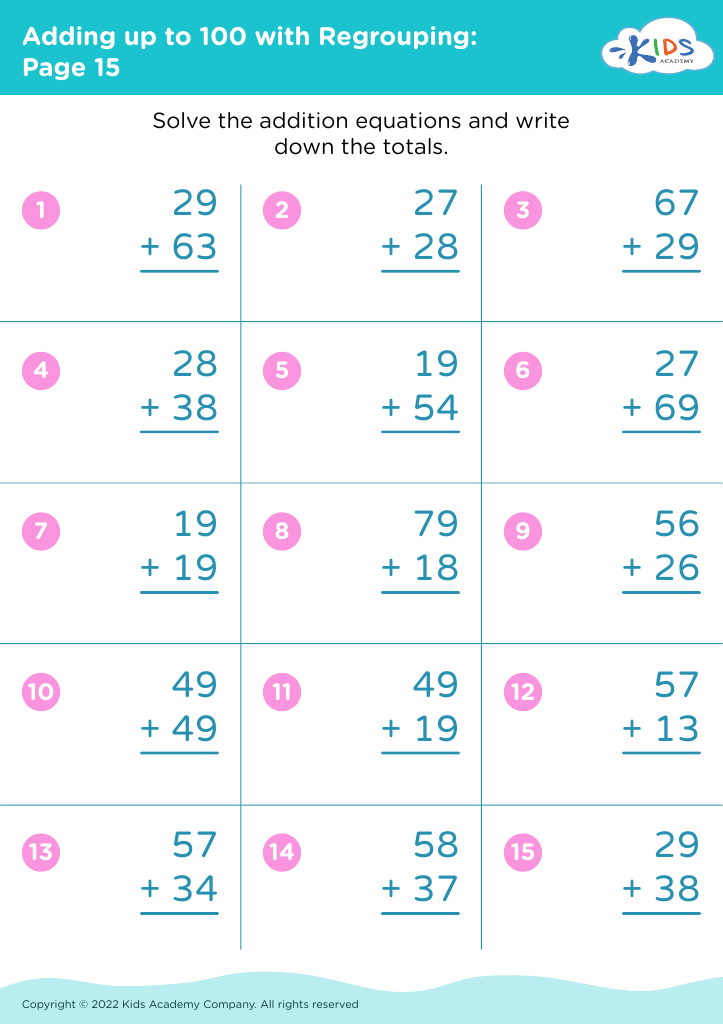
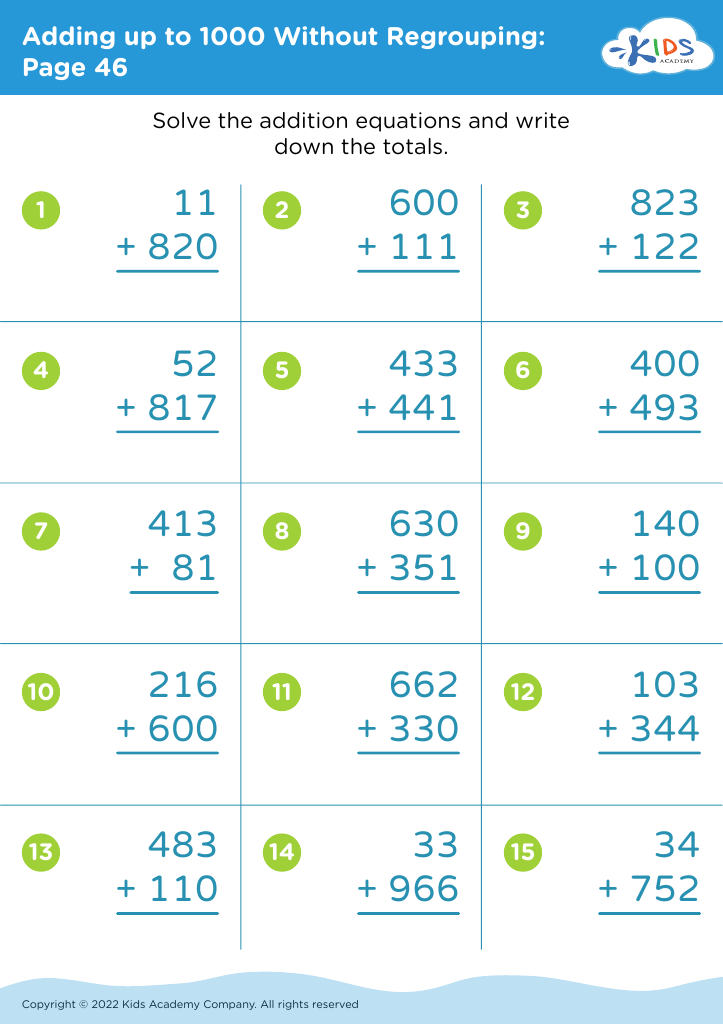
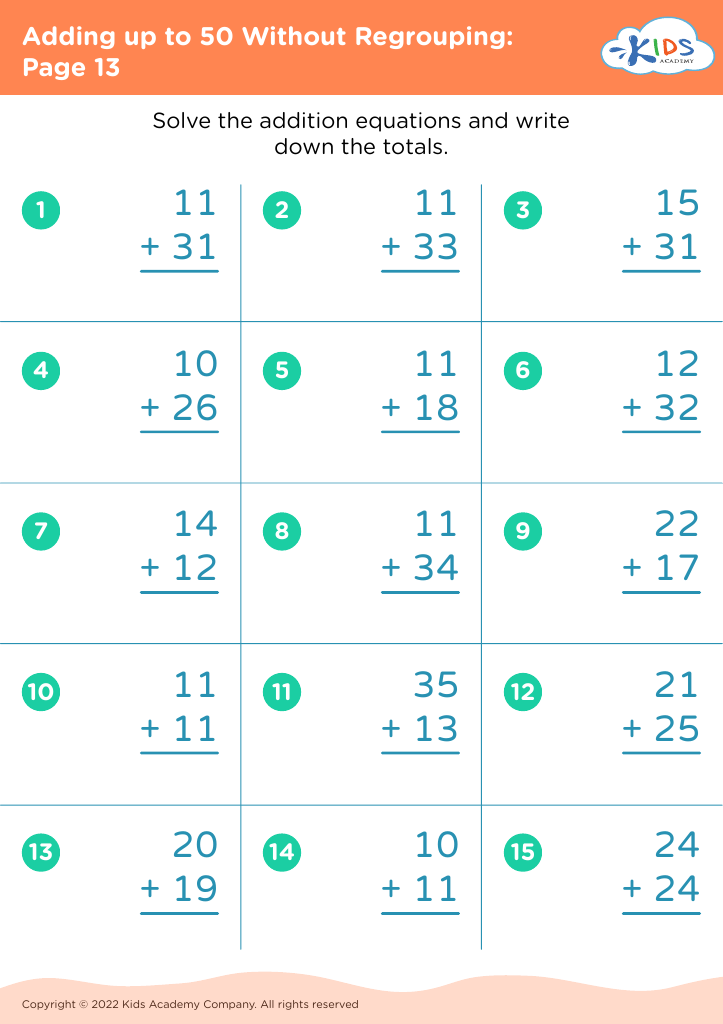
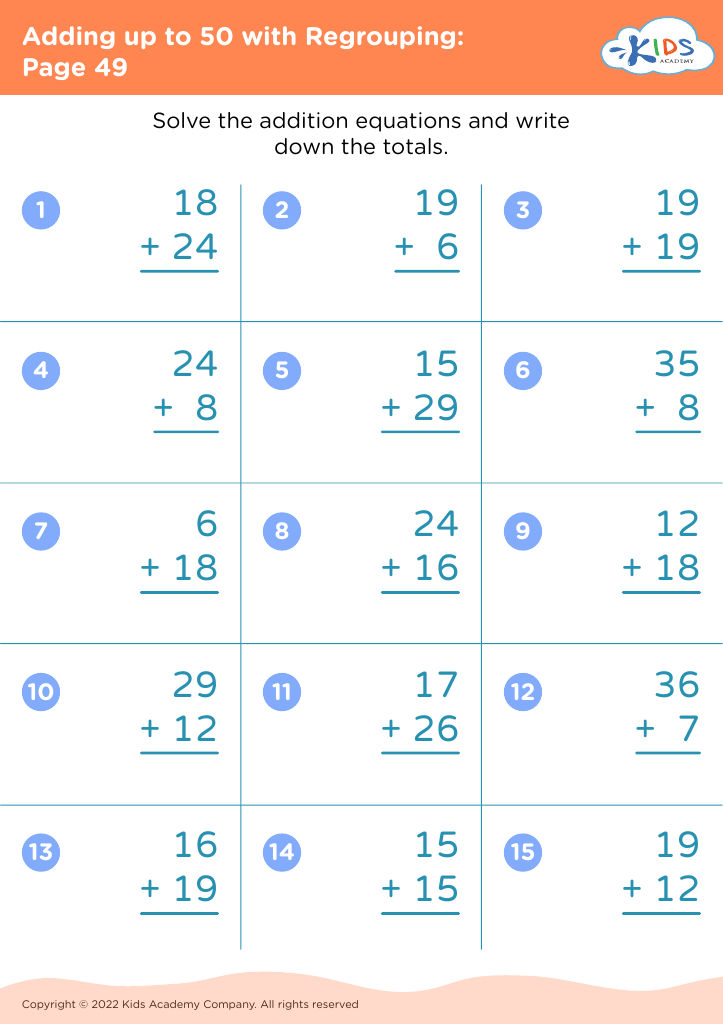
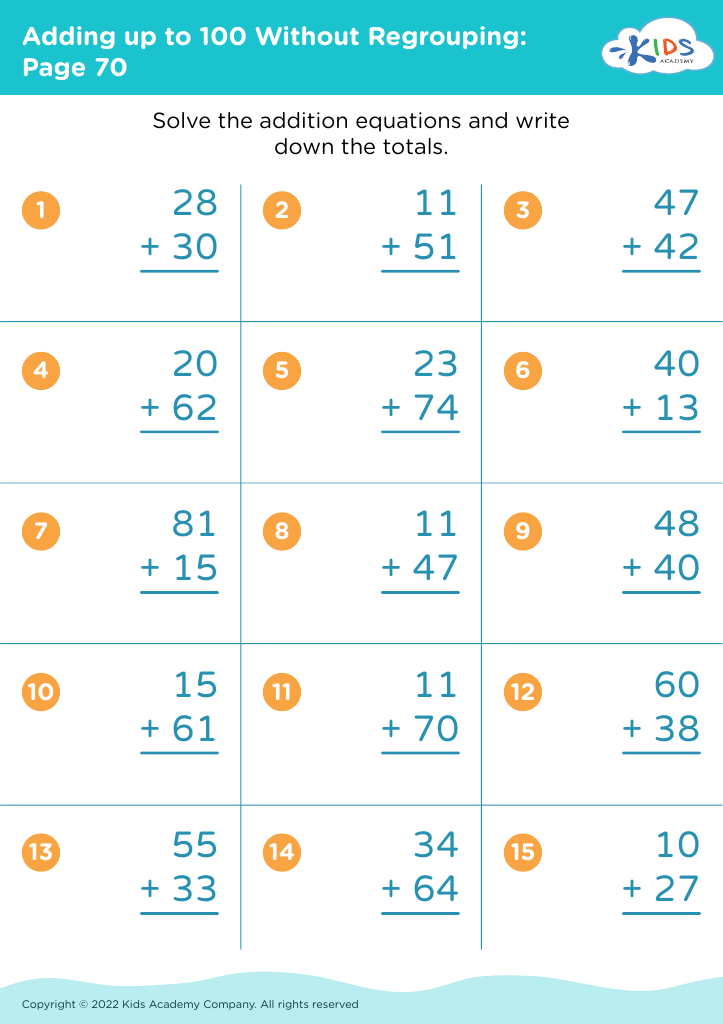
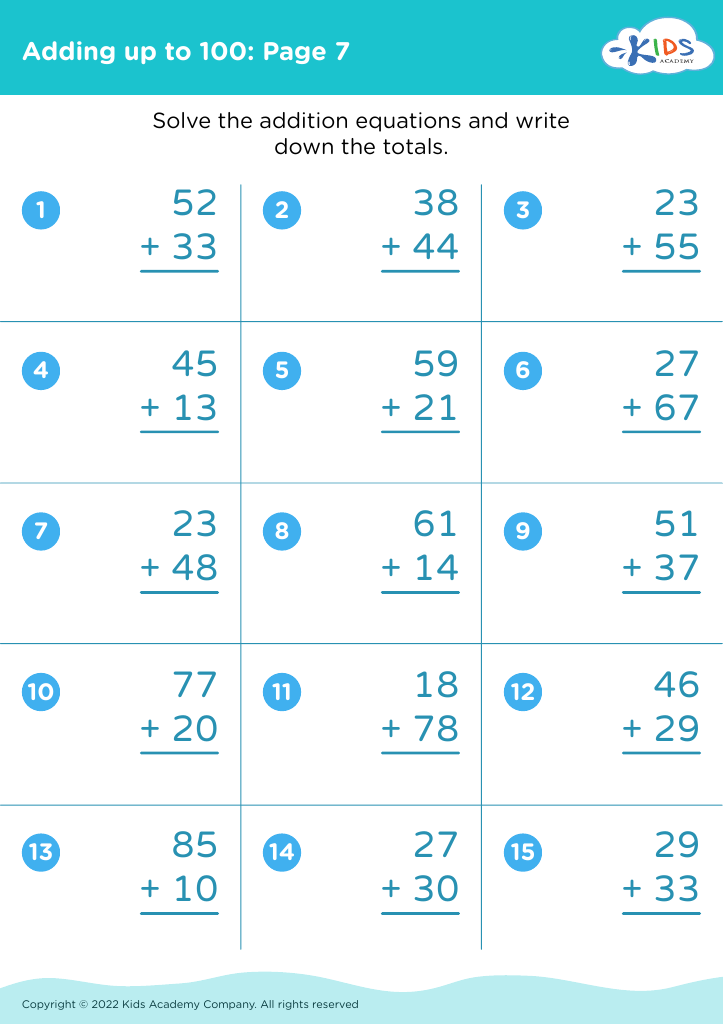
Boost your child's number recognition skills with our engaging math worksheets for ages 4-7! Designed specifically for young learners, these worksheets feature vibrant visuals and interactive exercises that make learning fun. Our comprehensive activities help children identify and understand numbers, laying a solid foundation for future math success. Whether at home or in the classroom, these worksheets encourage independent learning and build confidence in young mathematicians. Perfect for parents and educators alike, our resources are easy to use and tailored to meet the developmental needs of your child. Start exploring today and watch their numerical skills flourish!
Favorites
With answer key
Interactive
Join Kids Academy for Free
Who is primarily going to use this learning content?







Improving number recognition in children aged 4-7 is crucial for their overall mathematical development and academic success. At this formative stage, children are laying the foundation for more advanced math skills. Number recognition is not only about identifying numbers; it also fosters a genuine interest in math and helps develop confidence. A strong grasp of number recognition enables children to engage with their surroundings, enhances their problem-solving skills, and encourages logical thinking.
Furthermore, children who can easily recognize numbers are better equipped to tackle daily tasks, such as counting objects, understanding time, or managing money—aspects that are essential in daily life. This foundational skill also aids in future math learning, making concepts like addition, subtraction, and even more complex operations easier to grasp.
Moreover, early support in number recognition can prevent math anxiety, often stemming from early struggles with math-based tasks. When parents and teachers actively engage in reinforcing number recognition, they create a positive learning environment. This nurturing encourages children to explore and enjoy math, setting them up for a lifetime of learning. Thus, improving number recognition is crucial for both academic development and life skills, highlighting the need for attention from parents and educators alike.








