Improves number recognition Math Worksheets for Ages 4-7
3 filtered results
-
From - To
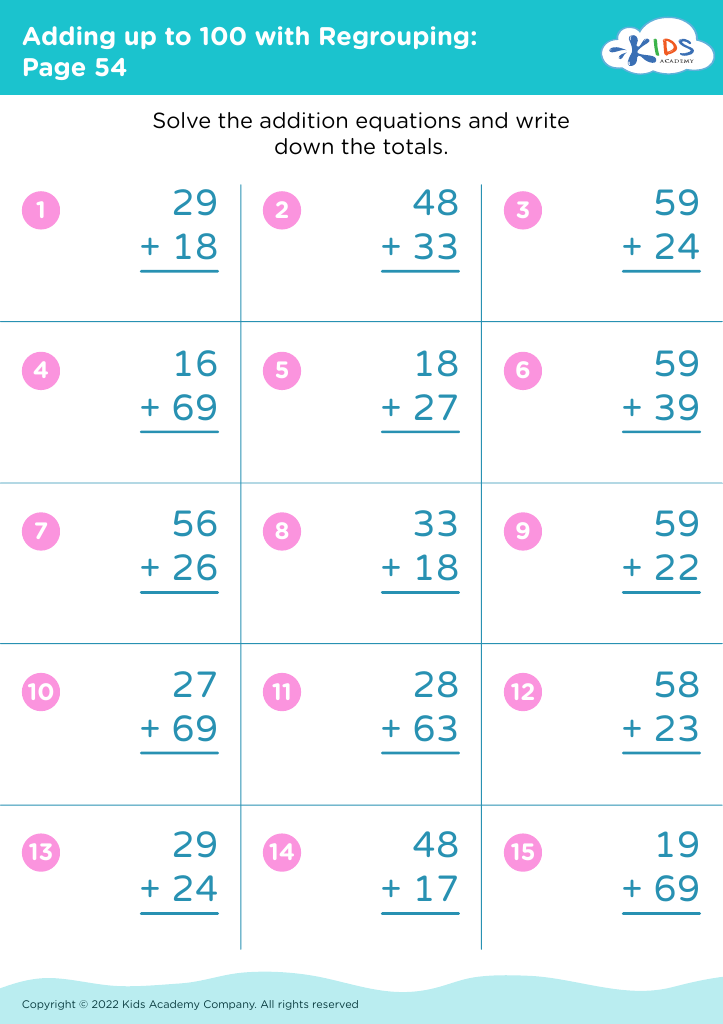
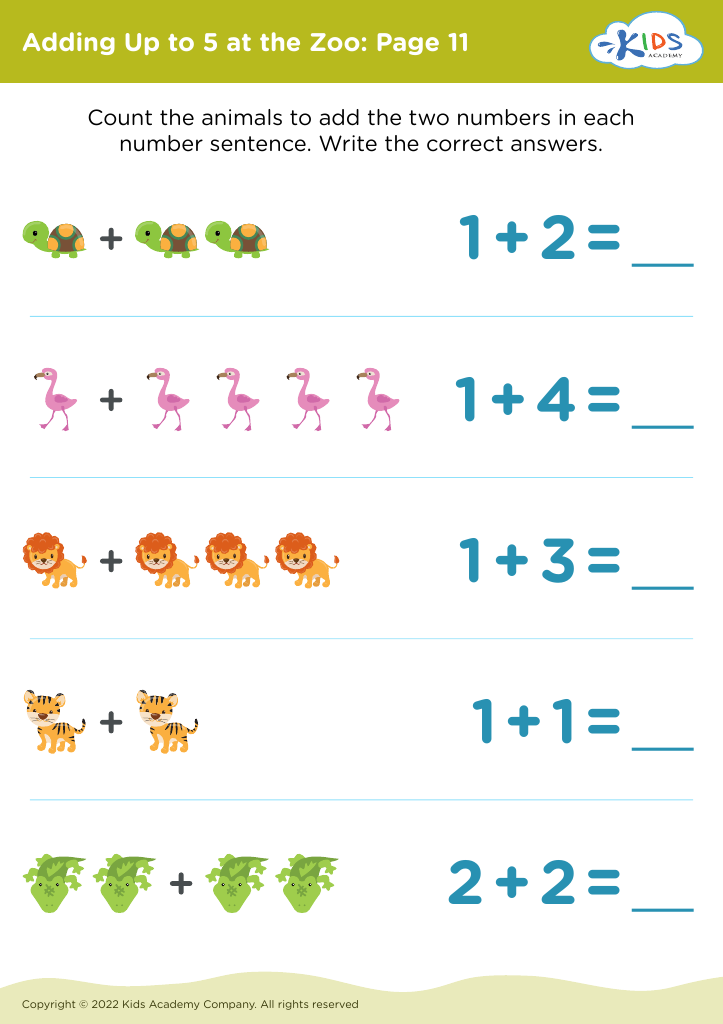
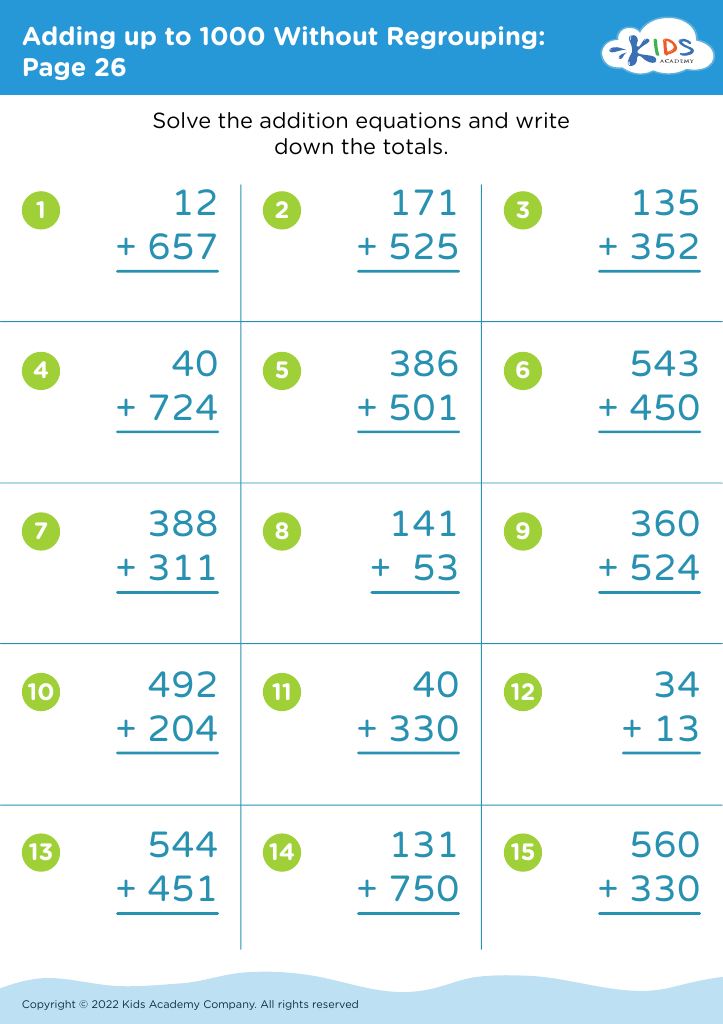
Discover our "Improves Number Recognition Math Worksheets," specially designed for children aged 4-7. These engaging and beautifully illustrated sheets help young learners develop essential number recognition skills, laying the foundation for early math success. Each worksheet focuses on different activities like counting, matching, and tracing numbers, making learning fun and interactive. Created by education experts, our resources encourage kids to explore numbers at their own pace, building confidence along the way. Perfect for parents and teachers, these worksheets make learning enjoyable and effective. Start your child's journey toward math proficiency today with our expertly crafted materials.






Parents and teachers should place great importance on improving number recognition for children ages 4-7 because it forms the integral foundation for future mathematical understanding and success. At this developmental stage, children’s brains are highly adaptable and are especially receptive to learning new concepts. Number recognition is critical because it allows children to begin understanding basic math concepts such as counting, addition, and subtraction.
When children can easily recognize numbers, they can immediately connect numerical symbols to their respective quantities. This automaticity is key to developing more complex skills, like number operations, problem-solving, and data interpretation. Early confidence and mastery in math sets a positive trajectory for future academic achievement, reducing anxiety and negative attitudes towards the subject.
Moreover, integrating number recognition in early education helps develop children's cognitive and fine motor skills through engaging activities like number games, puzzles, and writing numbers. It also promotes logical thinking and pattern recognition, which are crucial across all subjects, not just math. Engaging parents in this process reinforces learning in both school and home environments, ensuring consistent practice.
Finally, strong foundational skills in early math foster a sense of achievement and self-confidence that encourages a lifelong positive approach to learning and critical thinking, ultimately benefiting overall academic and social success.








