Improving fine motor skills Math Worksheets for Ages 4-7
3 filtered results
-
From - To
Discover a fun and engaging way to enhance fine motor skills with our Math Worksheets designed for children aged 4-7! These worksheets combine creative activities and essential learning, helping young learners develop hand-eye coordination, dexterity, and precision while practicing basic math concepts. Each worksheet includes vibrant illustrations, traceable numbers, and hands-on tasks that capture children's attention and make learning enjoyable. Ideal for both classroom and home use, our resources are crafted to support early childhood development and foster a love for learning. Empower your child’s math skills and fine motor abilities with these interactive worksheets today!
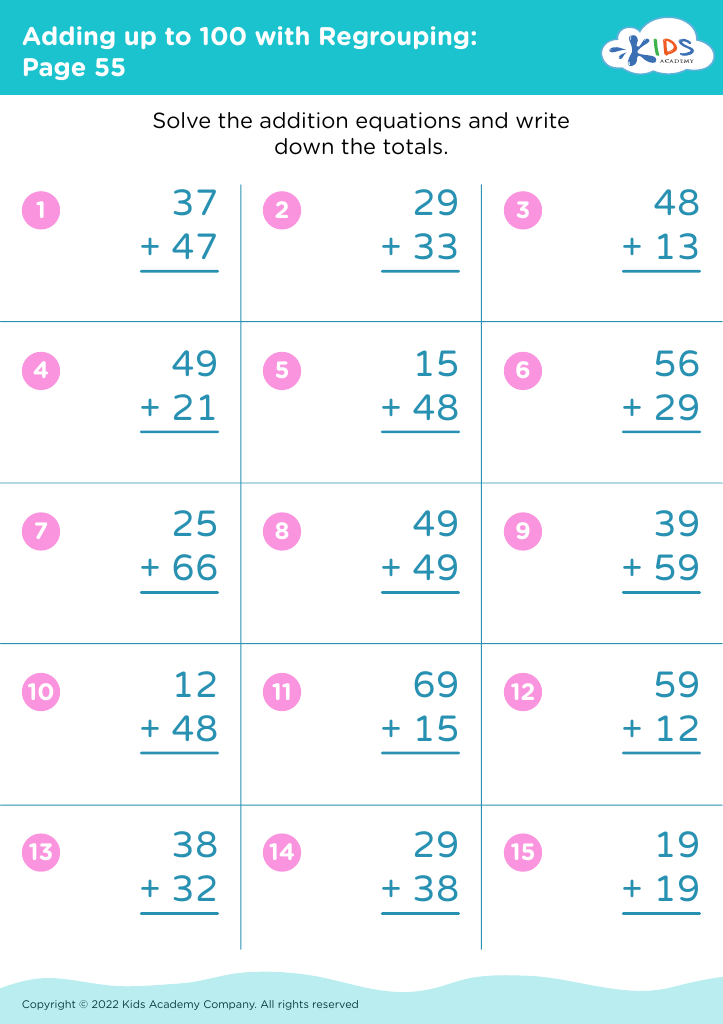
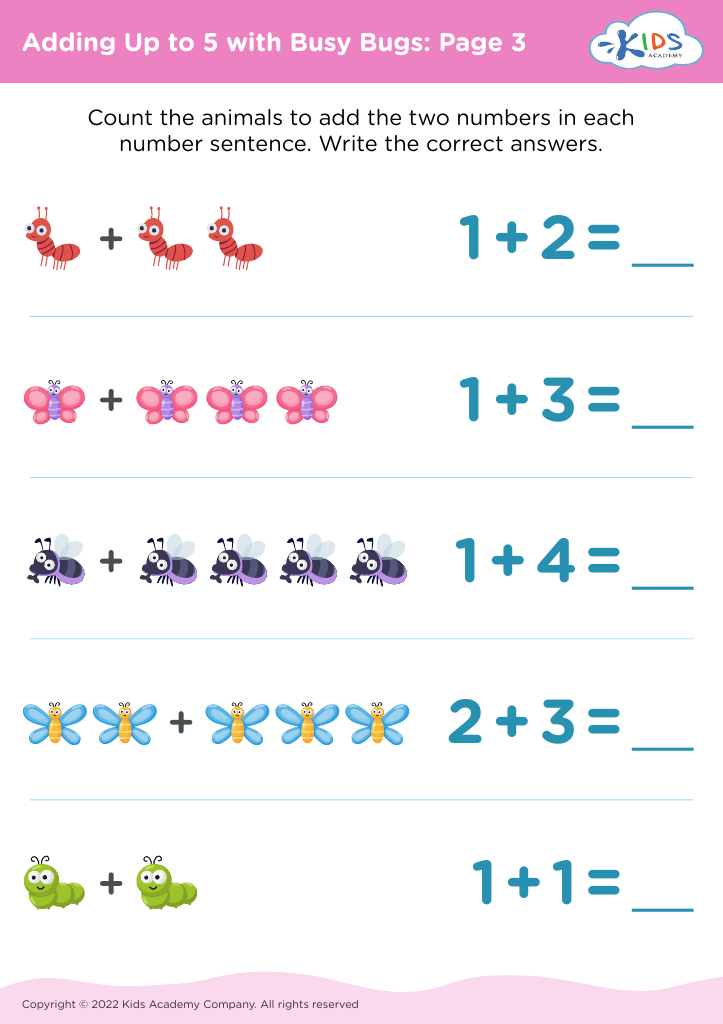
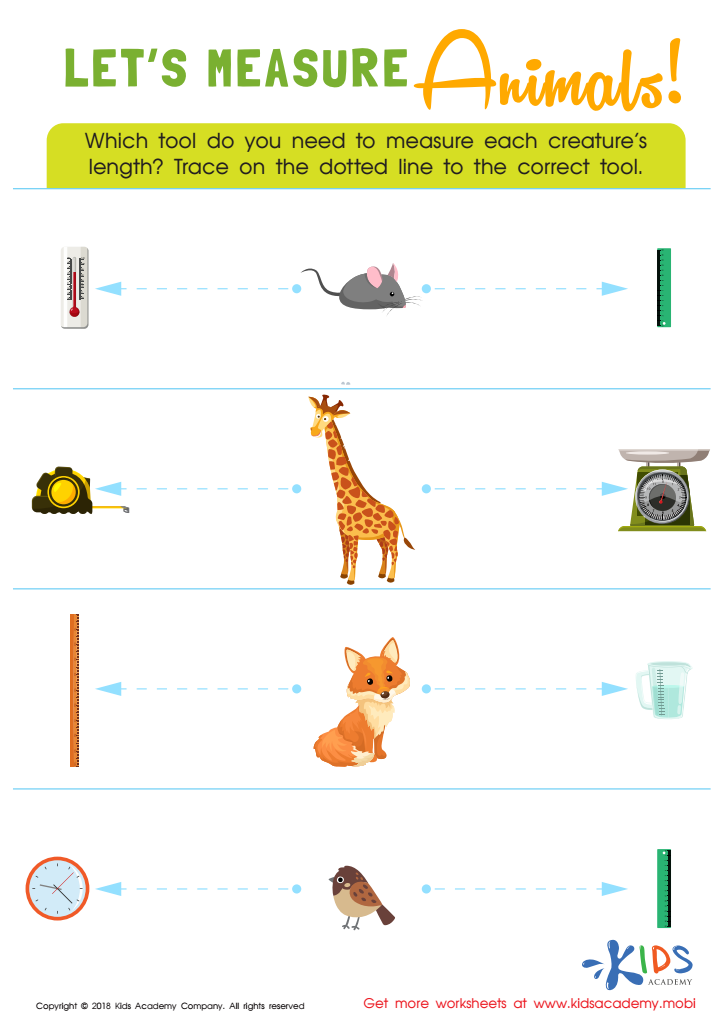
Let's Measure Animals! Worksheet
 Assign to My Students








Improving fine motor skills in young children, particularly for ages 4-7, is crucial as it lays the foundation for both academic and everyday tasks. Fine motor skills involve the coordination of small muscle movements in hands and fingers, which are essential for a variety of activities, including writing, drawing, and manipulating small objects.
In the context of math, fine motors skills play a significant role in tasks such as counting with manipulatives, using tools like rulers, or performing simple measuring tasks. Children who struggle with fine motor skills may find it challenging to engage with math effectively, leading to frustration and a dislike for the subject. This is why parents and teachers should prioritize activities that enhance these skills, such as crafting, threading beads, or using playdough.
Additionally, improved fine motor skills can boost a child's confidence and independence. When children can handle tools and materials effectively, they can explore concepts more freely, leading to a deeper understanding. By focusing on this aspect of development, parents and teachers create a supportive environment that fosters both creativity and critical thinking, essential for a child's cognitive growth not just in math, but across all learning areas.








