Letter Tracing Practice Math Worksheets for Ages 4-7
3 filtered results
-
From - To
Discover our engaging "Letter Tracing Practice Math Worksheets" designed specifically for children ages 4-7. These fun worksheets help young learners develop essential fine motor skills while reinforcing their understanding of letters and numbers. Our user-friendly printables combine the excitement of tracing with stimulating math activities, promoting both literacy and numeracy in an enjoyable way. Ideal for parents and educators, these resources boost confidence and foundational skills, setting the stage for academic success. Whether at home or in the classroom, our worksheets provide a structured yet entertaining approach to learning. Empower your child’s educational journey today!
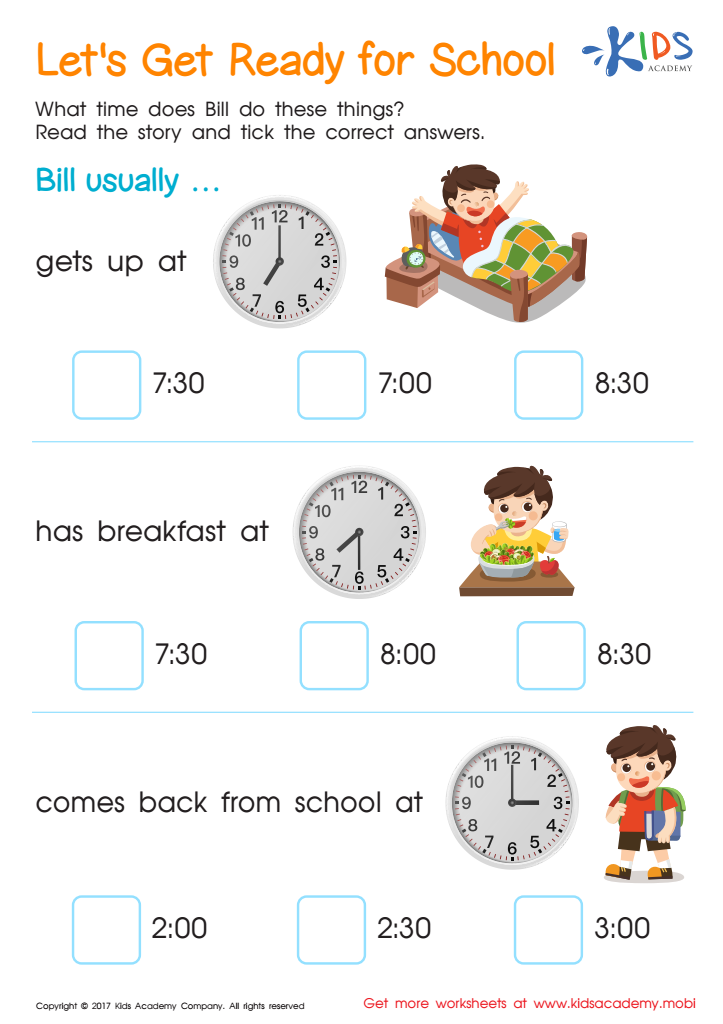
Lets Get Ready For School Time Printable
 Assign to My Students








Letter tracing practice is vital for early learners aged 4-7, playing a crucial role in their cognitive and motor skills development. For parents and teachers, it’s essential to understand the multifaceted benefits of this activity.
Firstly, letter tracing helps children develop fine motor skills. As they practice writing letters, they gain control over their fingers and hands, which is foundational for other skills like drawing, cutting, and eventually typing. This activity also builds spatial awareness, as kids learn how letters fit into designated spaces.
Secondly, letter tracing strengthens literacy skills. Recognizing letters and their corresponding sounds fosters reading and writing readiness. When children trace, they engage both visually and kinesthetically, which enhances memory retention.
Moreover, letter tracing can be connected to math concepts for these ages. By incorporating activities that involve tracing numbers alongside letters, kids can strengthen their understanding of both literacy and numeracy in an integrated manner.
For parents and teachers, supporting letter tracing practice equips children with vital foundational skills that promote future academic success and confidence. Creating a fun, engaging environment for tracing can make learning enjoyable and less intimidating, setting the stage for a lifelong love of learning.








