
Motor skills Math Worksheets for Ages 4-7
3 filtered results
Difficulty Level
Grade
Age
-
From - To
Subject
Activity
Standards
Discover our engaging Motor Skills Math Worksheets designed specifically for children aged 4-7! These worksheets seamlessly blend essential math concepts with fun, hands-on activities that enhance fine motor skills. By tracing numbers, cutting shapes, and completing interactive exercises, young learners strengthen their hand-eye coordination while building a strong foundational understanding of math. Our diverse selection caters to a variety of learning styles, making math enjoyable and easy to grasp. Perfect for parents and teachers alike, these resources promote independent learning and creativity. Download our motor skills math worksheets today and watch your child’s confidence and abilities grow!
Favorites
With answer key
Interactive
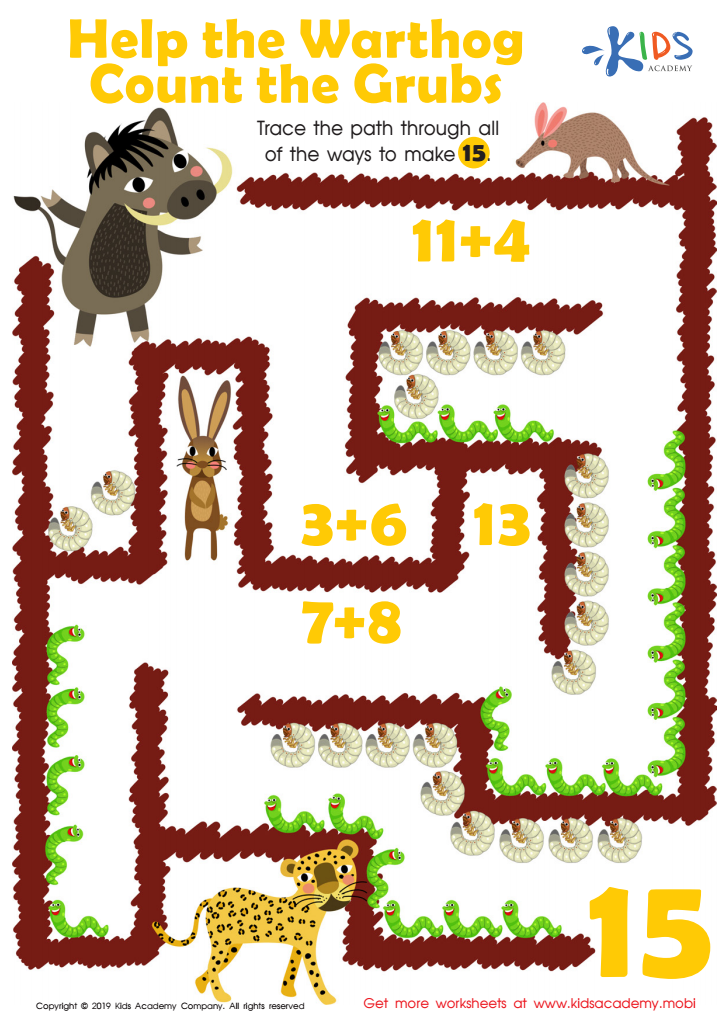
Help the Warthog Count the Grubs Worksheet
Test your kids' knowledge of wild animals. Ask them to name some they know, then have them identify the animals on this worksheet. If they can't, take the time to tell them the names. Finally, trace the warthog's path through the maze by solving the equations and going through paths that make 15.
 Assign to My Students
Help the Warthog Count the Grubs Worksheet
Worksheet
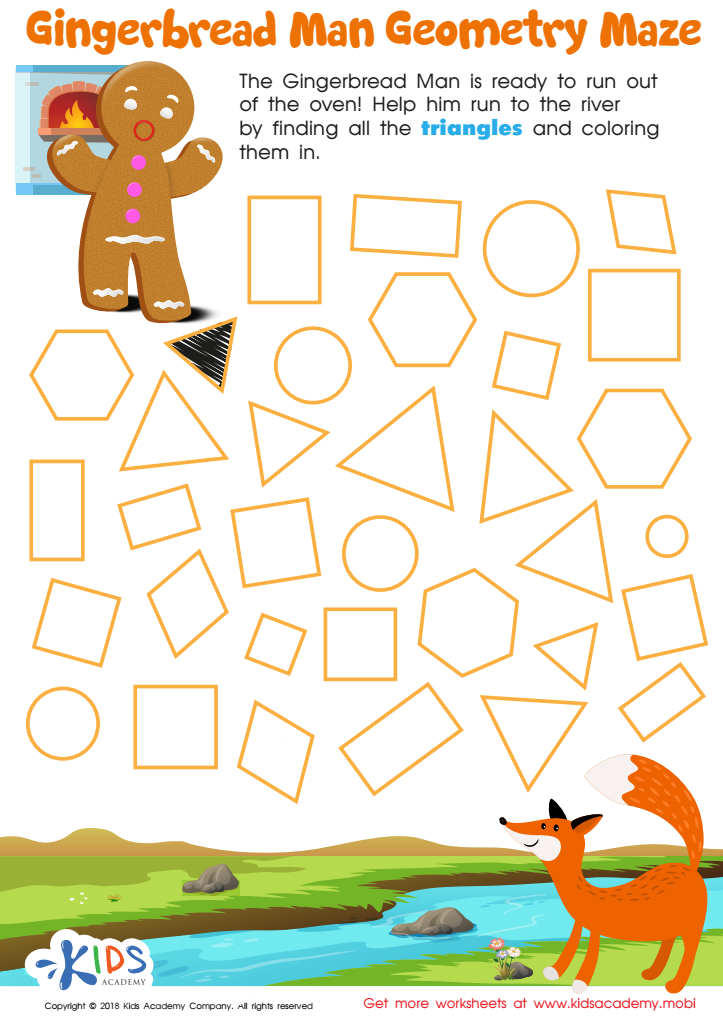
Gingerbread Man Geometry Maze Worksheet
Help a beloved character escape the oven! Kids race through a sea of geometrical shapes, searching for triangles of various sizes. With this free worksheet, they can have fun while learning about similarity of geometrical shapes concepts. Run, run, run as fast as they can!
Gingerbread Man Geometry Maze Worksheet
Worksheet
Join Kids Academy for Free
Who is primarily going to use this learning content?




.jpg)


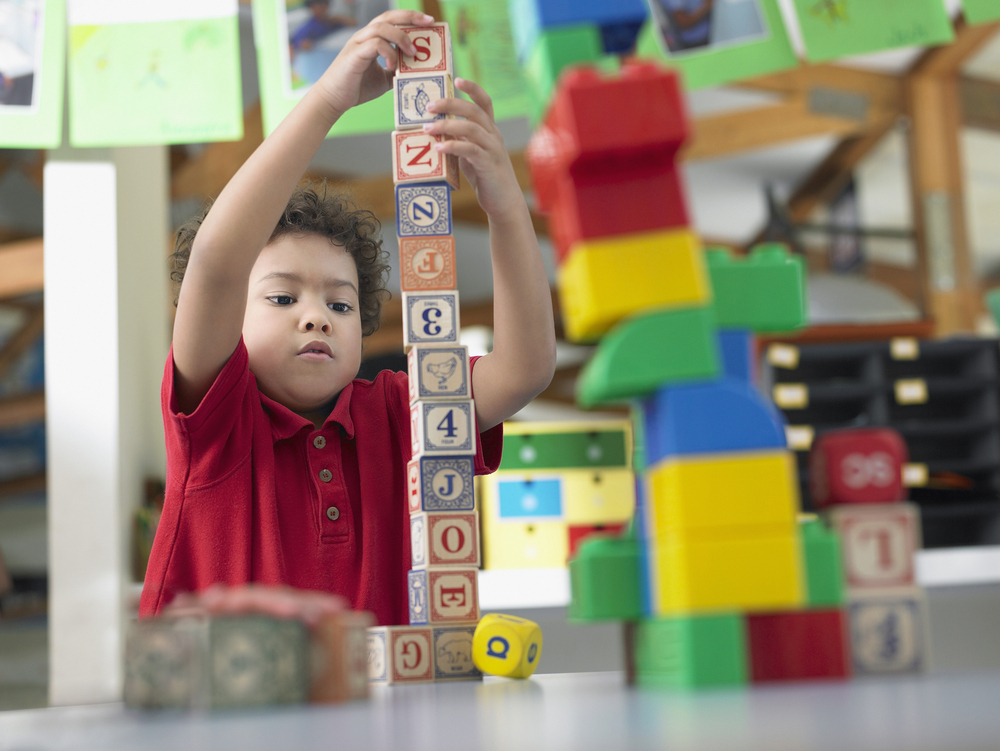
Motor skills and math development for children aged 4-7 are intricately linked, making it crucial for parents and teachers to pay attention to both. During this formative stage, fine and gross motor skills significantly influence a child's ability to engage in math activities. Manipulating objects such as blocks, beads, or counting tools enhances hand-eye coordination, dexterity, and problem-solving skills—all essential for mathematical understanding.
As children handle items, they learn to visually and physically represent numbers, aiding in concepts like counting, sorting, and spatial awareness. Activities that foster motor skills, like cutting, tracing, or building, strengthen neural connections essential for cognitive development. Additionally, incorporating movement into math can make learning more engaging and enjoyable, sparking enthusiasm for the subject.
Furthermore, when children develop strong motor skills, they gain the confidence needed to tackle more complex math challenges as they progress in school. For parents and teachers, understanding this relationship emphasizes the importance of integrating play and hands-on learning in educational practices. By supporting motor skills development alongside early math education, caregivers can help build a solid foundation for their child's lifelong learning in mathematics and beyond.








