
Numerical reasoning Math Worksheets for Ages 4-7
3 filtered results
Difficulty Level
Grade
Age
-
From - To
Subject
Activity
Standards
Explore our engaging Numerical Reasoning Math Worksheets designed specifically for children ages 4-7! These worksheets focus on foundational math skills, helping young learners develop critical thinking and problem-solving abilities through fun and interactive activities. With a variety of exercises, kids will practice number recognition, counting, basic addition and subtraction, and understanding patterns. Perfect for reinforcing classroom learning at home or in school, our worksheets cater to various learning styles and encourages independent exploration. Each worksheet is designed to stimulate young minds while making math a delightful experience. Start your child’s math journey today with our free, printable resources!
Favorites
With answer key
Interactive
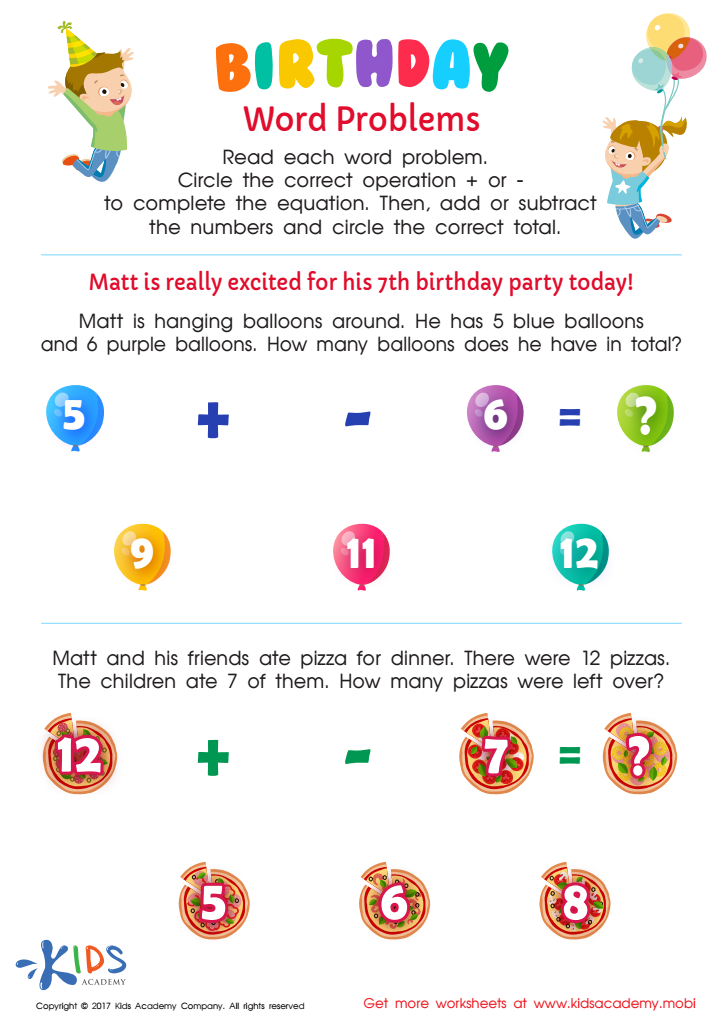
Birthday Word Problems Substraction Worksheet
This worksheet, Birthday Word Problems, is a great way to improve your child's math and literacy skills. It features tricky subtraction equations based on a birthday celebration - perfect for kids who love birthdays!
 Assign to My Students
Birthday Word Problems Substraction Worksheet
Worksheet
Join Kids Academy for Free
Who is primarily going to use this learning content?


.jpg)




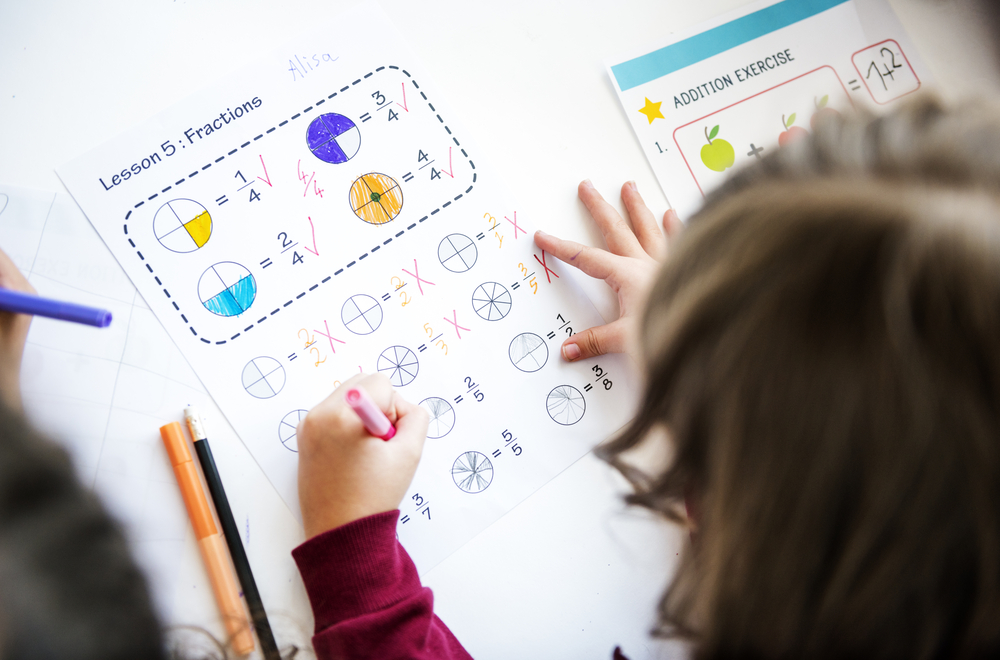
Numerical reasoning math skills are crucial for children aged 4-7 as they lay the foundation for future academic success and everyday life. This stage of development is critical for fostering analytical thinking and problem-solving abilities. By introducing young learners to numbers, patterns, and basic operations, parents and teachers help build confidence and a strong sense of numeracy. This early engagement with math is linked to improved performance in reading and writing, showing that numerical reasoning serves as a gateway for cognitive development across subjects.
Additionally, strong numerical reasoning skills contribute to children's ability to make sense of the world around them. From counting items during playtime to measuring ingredients while cooking, math becomes a practical tool in everyday situations. Engaging children in fun, hands-on activities enhances their enthusiasm for learning and makes concepts more relatable.
Furthermore, developing a positive attitude towards math early on can combat common anxieties associated with the subject later in life. Ultimately, supporting children in cultivating these skills not only increases their likelihood of success in school but also equips them with vital life skills necessary for their future. By nurturing numerical reasoning, we are empowering children to navigate the complexities of an increasingly quantitative world.








