Spatial awareness Math Worksheets for Ages 4-7 - Page 2
29 filtered results
-
From - To
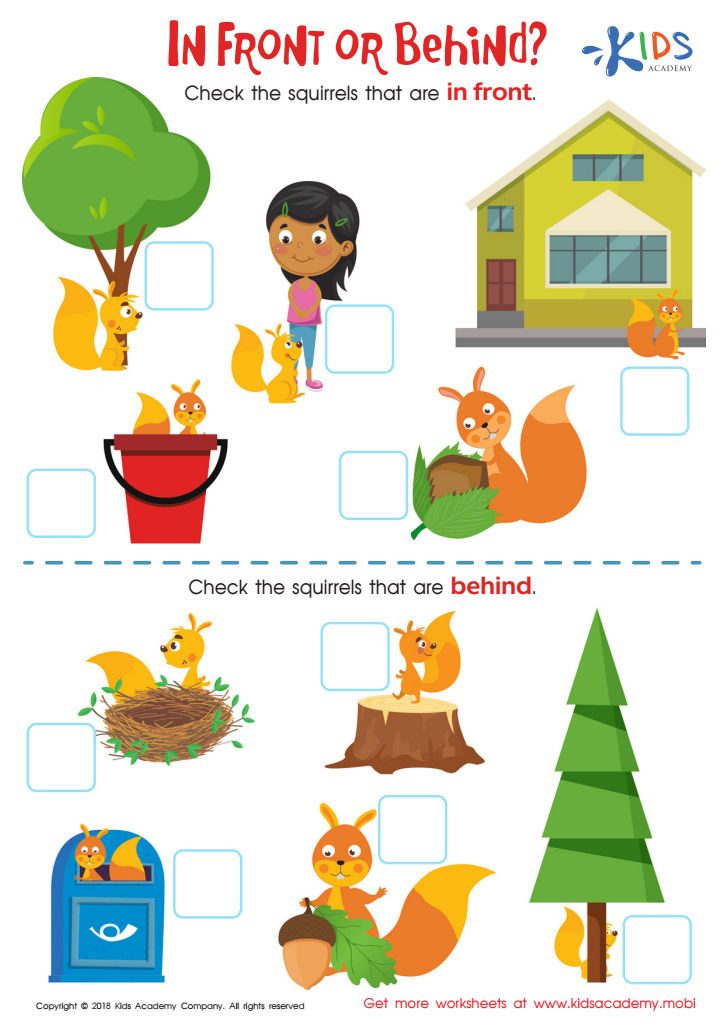
In Front or Behind: Part 2 Worksheet
 Assign to My Students
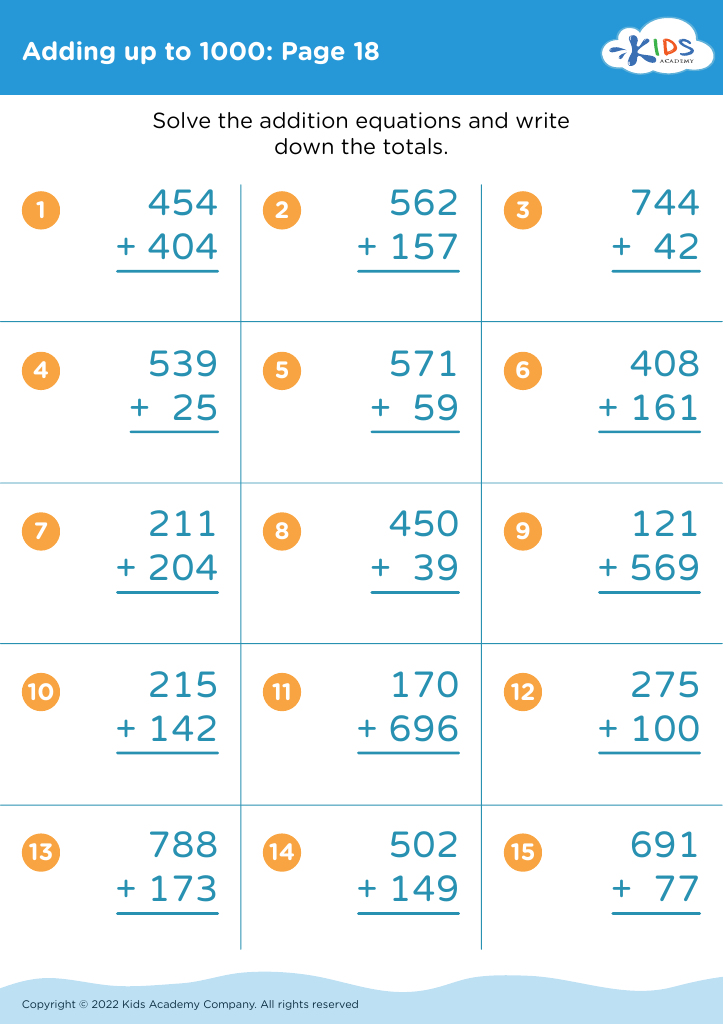
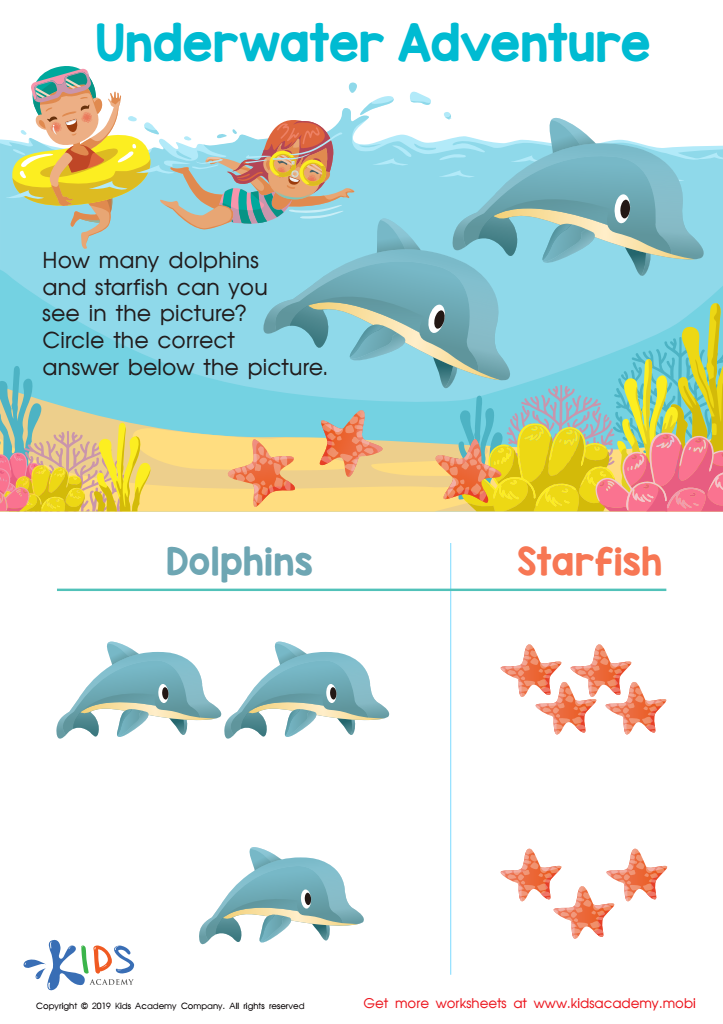
Underwater Adventure Worksheet
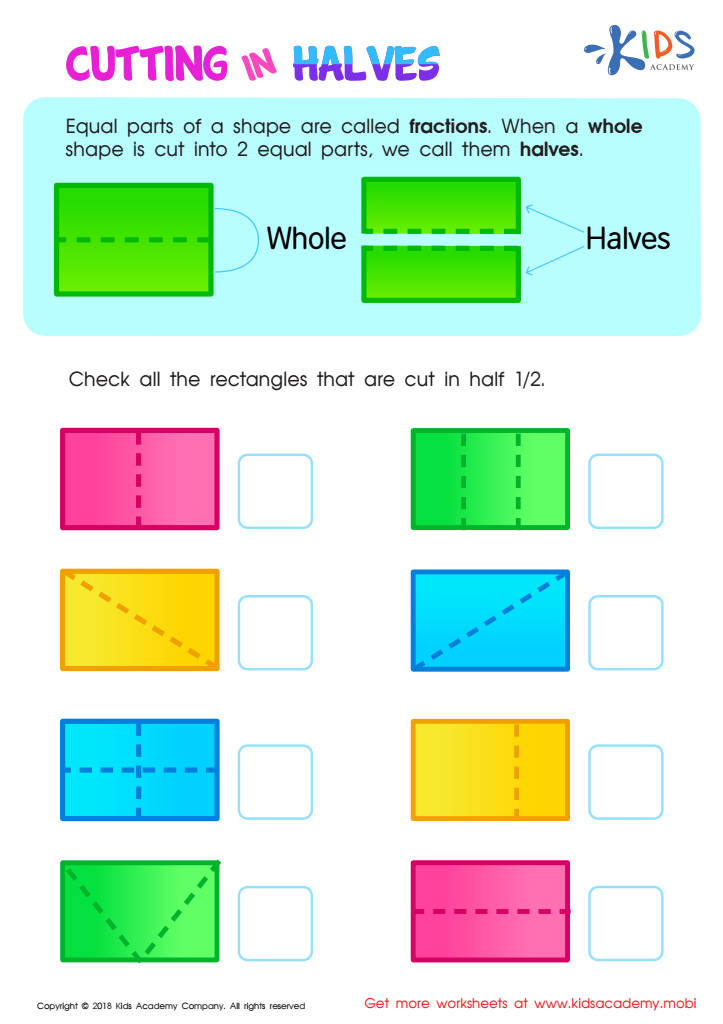
Cutting in Halves Worksheet
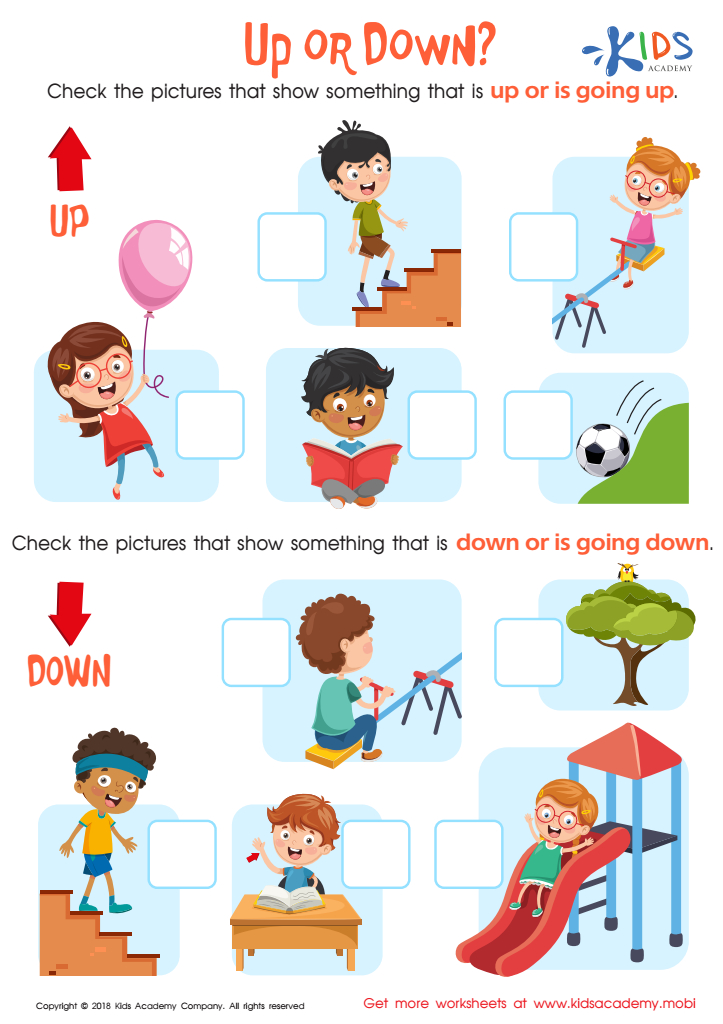
Up or Down Worksheet







Spatial awareness math is crucial for children aged 4-7 as it forms the foundation for future math skills and overall cognitive development. During this developmental stage, kids begin to understand concepts related to shapes, sizes, and the relationships between objects. Learning spatial awareness enhances problem-solving skills, as it encourages children to visualize and manipulate shapes and spaces.
Engaging in spatial awareness activities, such as puzzles, building blocks, and drawing, can help young learners develop critical thinking skills. These activities foster creativity and innovation, essential for various disciplines, including science, technology, engineering, and math (STEM).
Moreover, spatial awareness supports literacy development. As children learn to perceive and create patterns, they also enhance their ability to understand letters and words, which often follow spatial relationships. This integration improves their overall academic performance.
Additionally, heightened spatial awareness is linked to better navigation and orientation skills, leading to greater confidence in everyday tasks. By prioritizing spatial awareness in education, both parents and teachers can equip children with essential skills that not only facilitate academic success but also promote pragmatic life skills. Investing in this area helps ensure children develop a strong foundation for a bright academic and personal future.








