Understanding instructions Math Worksheets for Ages 4-7
4 filtered results
-
From - To
Discover the perfect resource to enhance your child's math skills with our Understanding Instructions Math Worksheets for ages 4-7. Carefully designed to build foundational competencies, these worksheets focus on following directions, fostering critical thinking, and enhancing problem-solving abilities through engaging and interactive exercises. Kids will develop essential skills necessary for more advanced math concepts while having fun with relatable, child-friendly themes. With easy-to-follow instructions that cater specifically to young learners, these printable worksheets ensure that learning remains enjoyable and incremental. Ideal for both parents and teachers, our worksheets are a valuable addition to any early math education program.
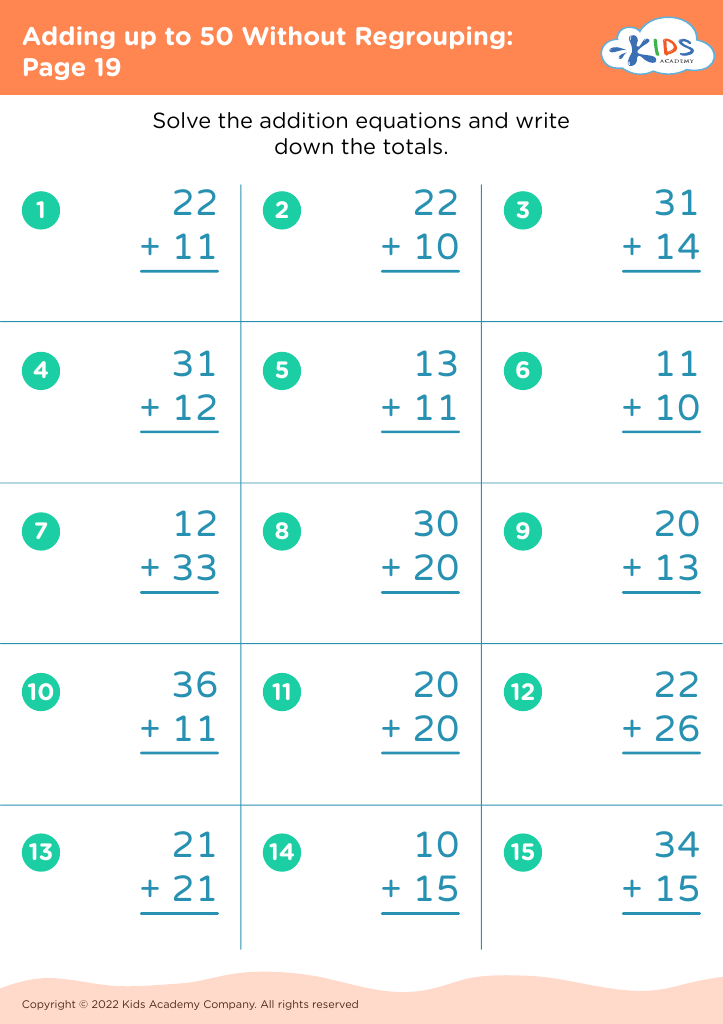
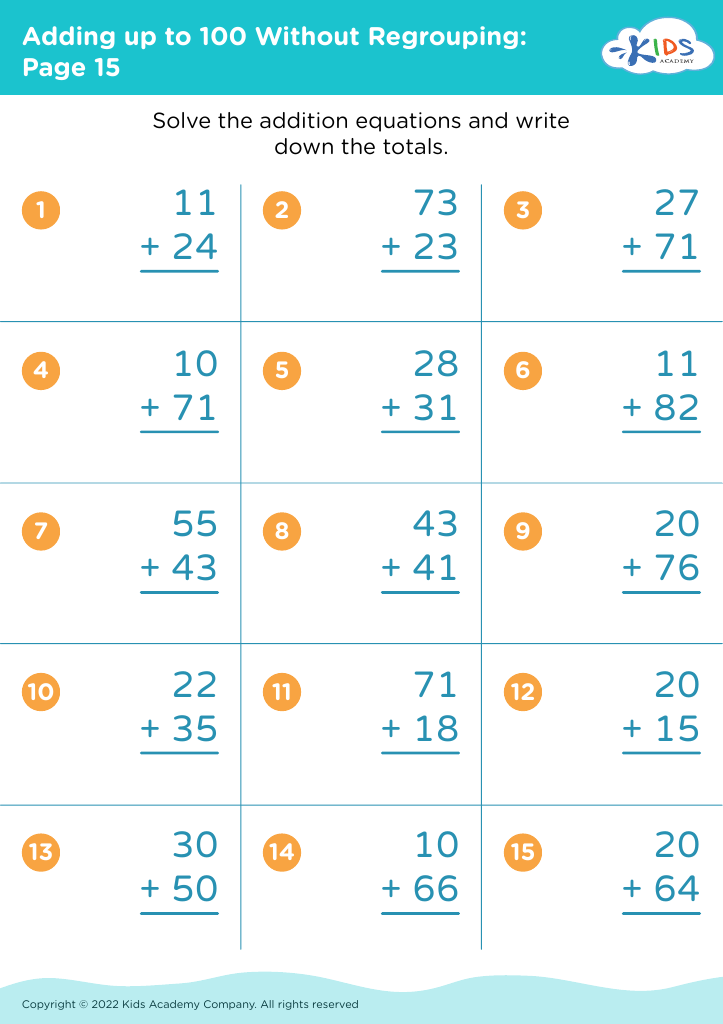
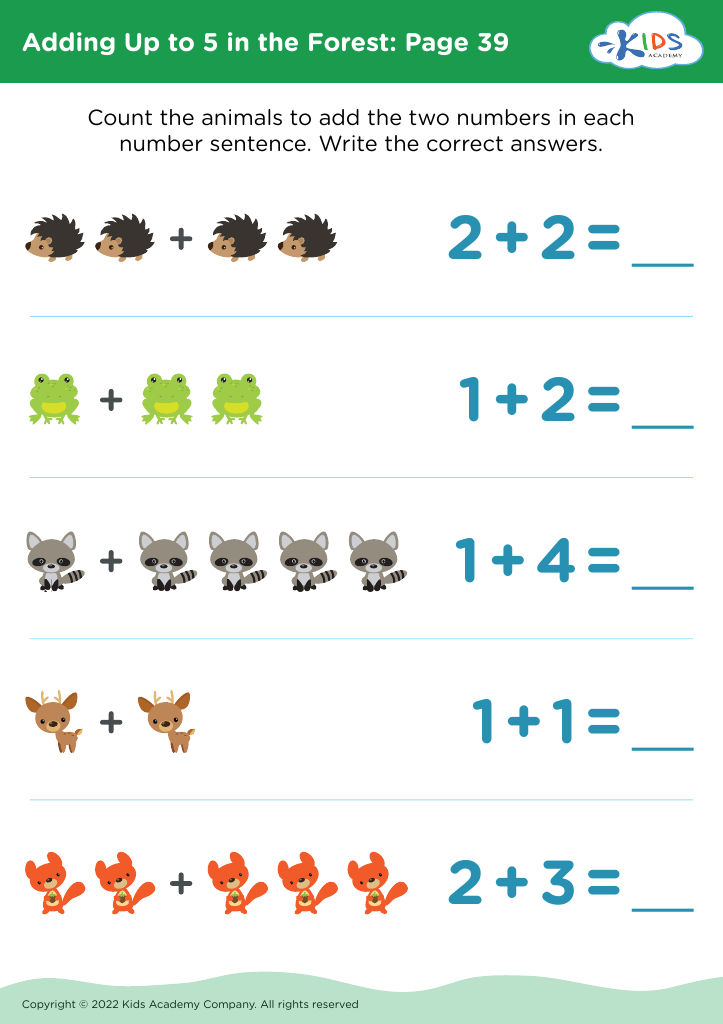
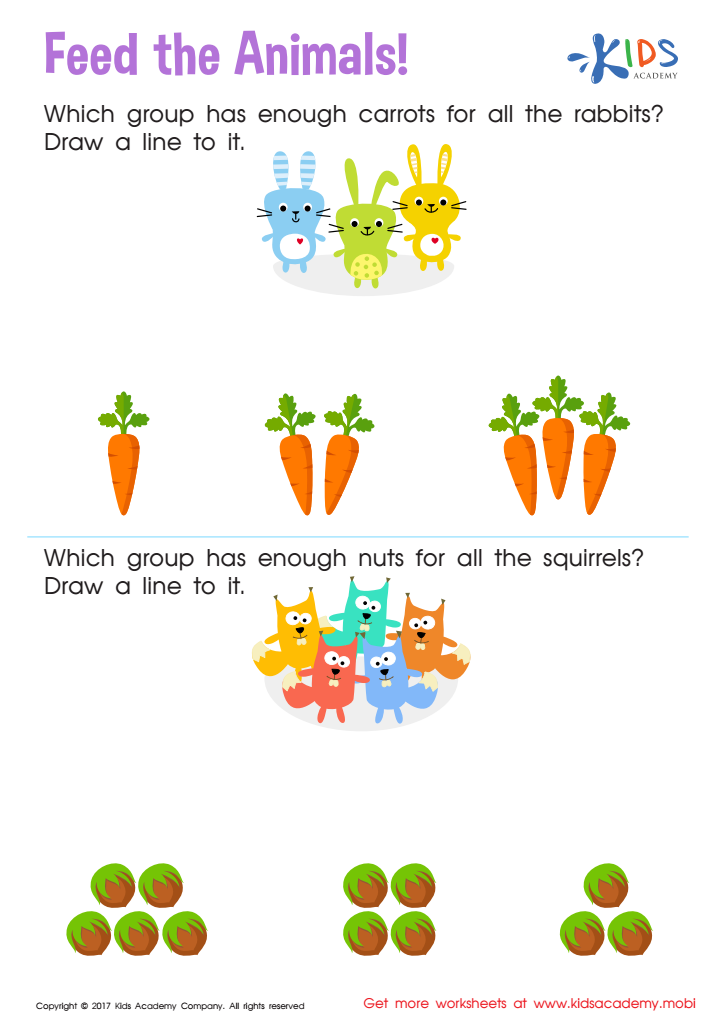
Count and Match: Feed the Animals Worksheet
 Assign to My Students







Understanding math at an early age (4-7) lays the groundwork for a child’s future learning and cognitive development. Parents and teachers should prioritize this foundational understanding because it shapes how children approach problem-solving, critical thinking, and logical reasoning throughout their lives.
Firstly, math skills developed early on help children grasp abstract concepts more easily later. Young learners who can understand and follow math instructions build confidence and can tackle more complicated subjects with ease as they grow. This ability directly influences their academic achievements across various subjects.
Secondly, early math instruction enhances problem-solving skills. Activities involving counting, sorting, and simple addition or subtraction foster a child's ability to think logically and find solutions. These cognitive abilities transcend mathematical contexts and are essential in day-to-day decision-making and critical thinking scenarios.
Additionally, understanding instructions in math enhances attention to detail. Following multi-step directions encourages children to focus, memorize, and process information sequentially.
Lastly, developing these skills early crest an optimistic attitude towards learning. Success in early math make children more likely to enjoy school, boosting their overall academic engagement and long-term educational aspirations.
Therefore, parents and teachers should strive to make math enjoyable and comprehensible, setting the stage for a child’s lifelong learning and success.








