
Understanding Quantities Math Worksheets for Ages 4-7
50 filtered results
Difficulty Level
Grade
Age
-
From - To
Subject
Activity
Standards
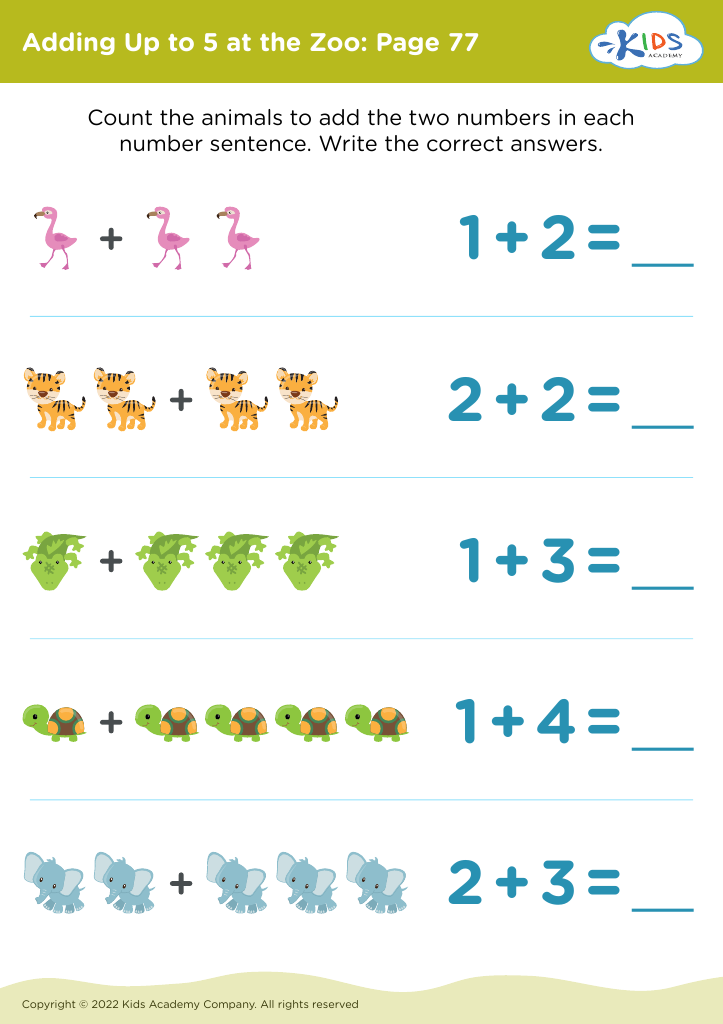
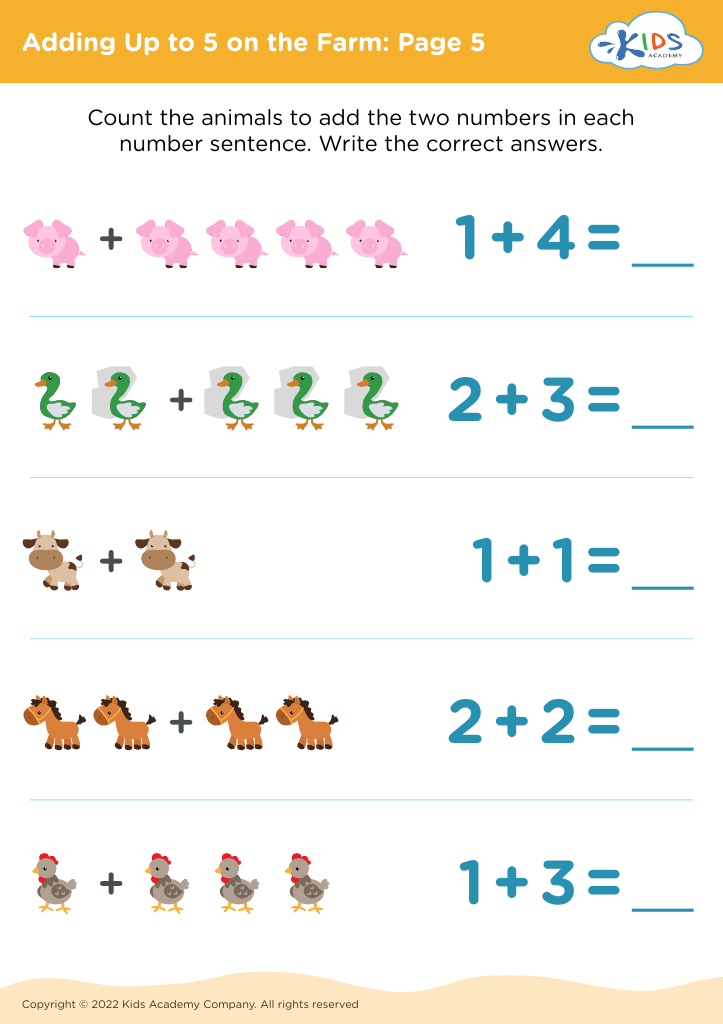
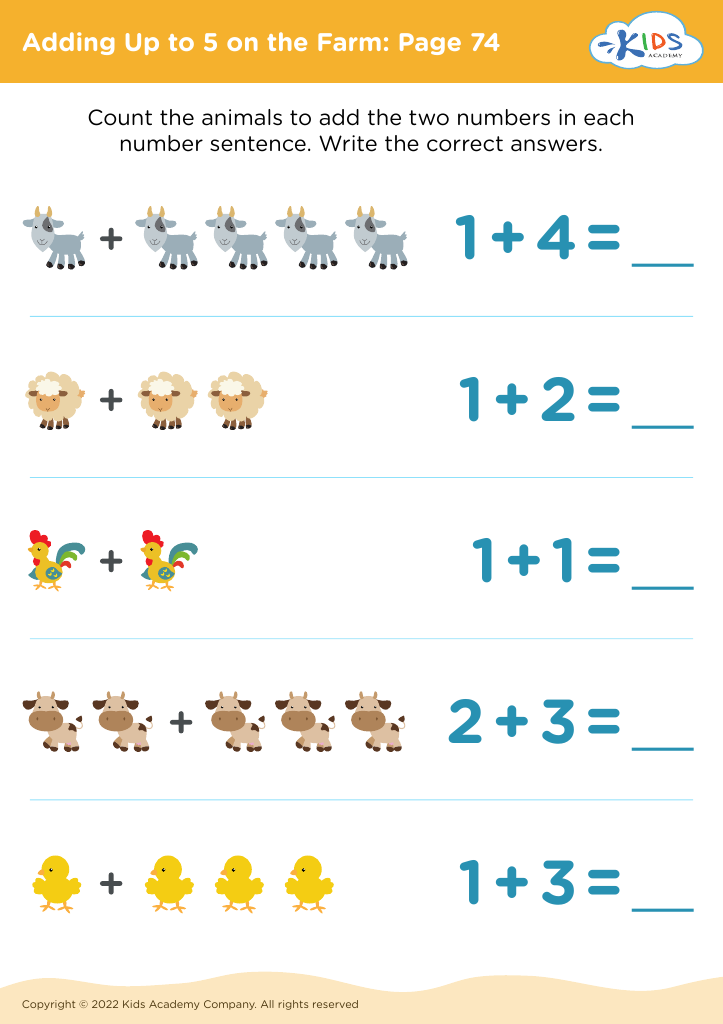
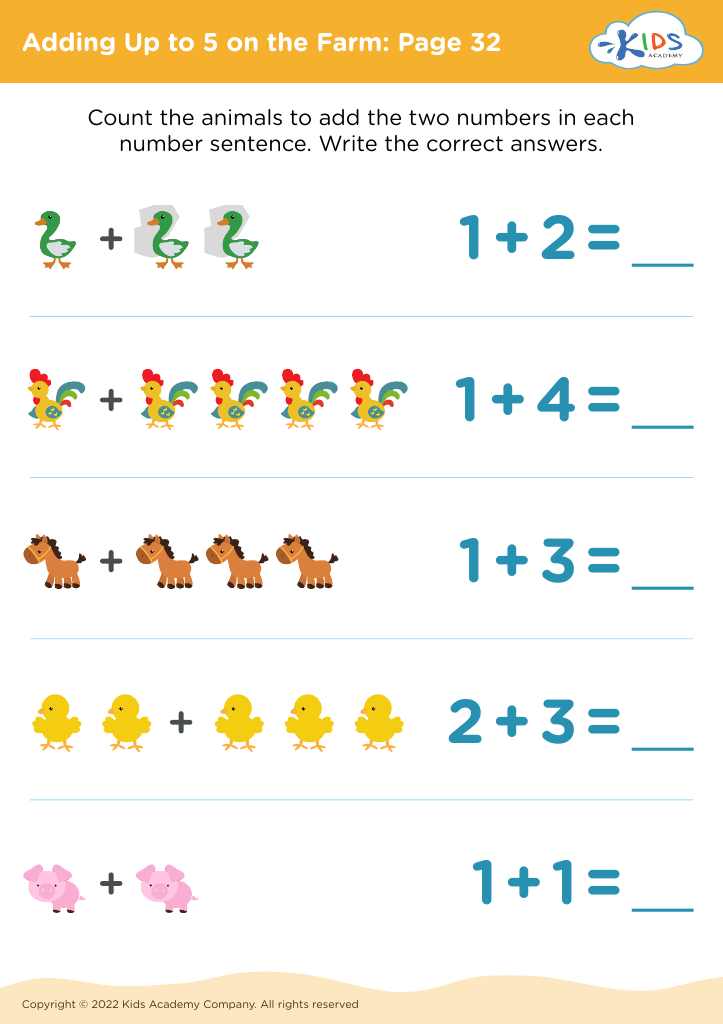
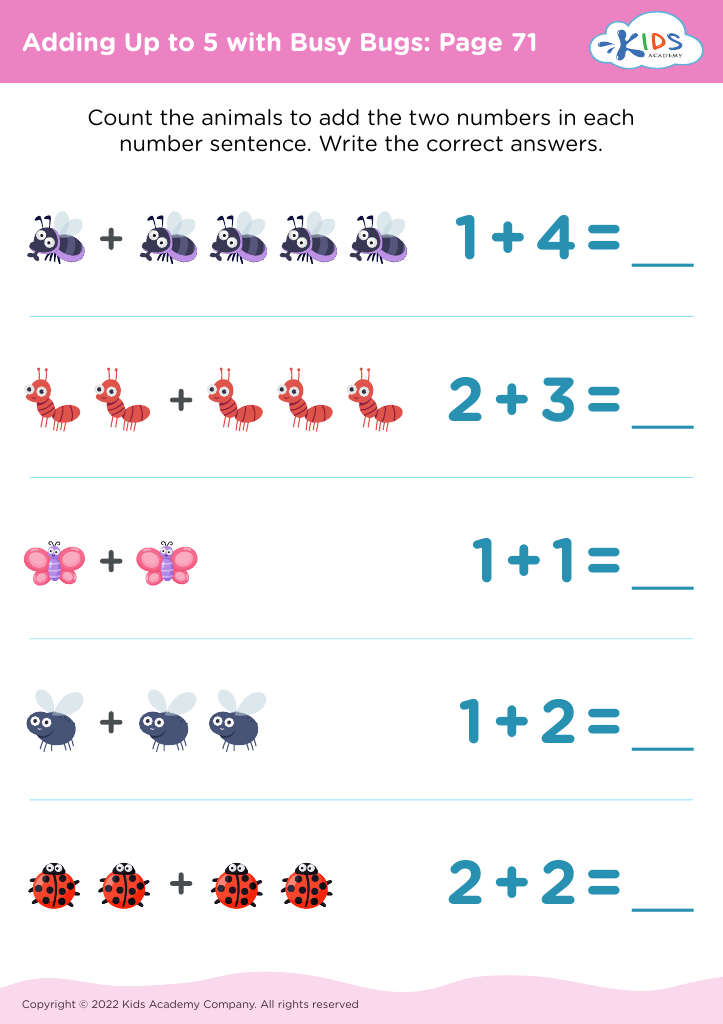
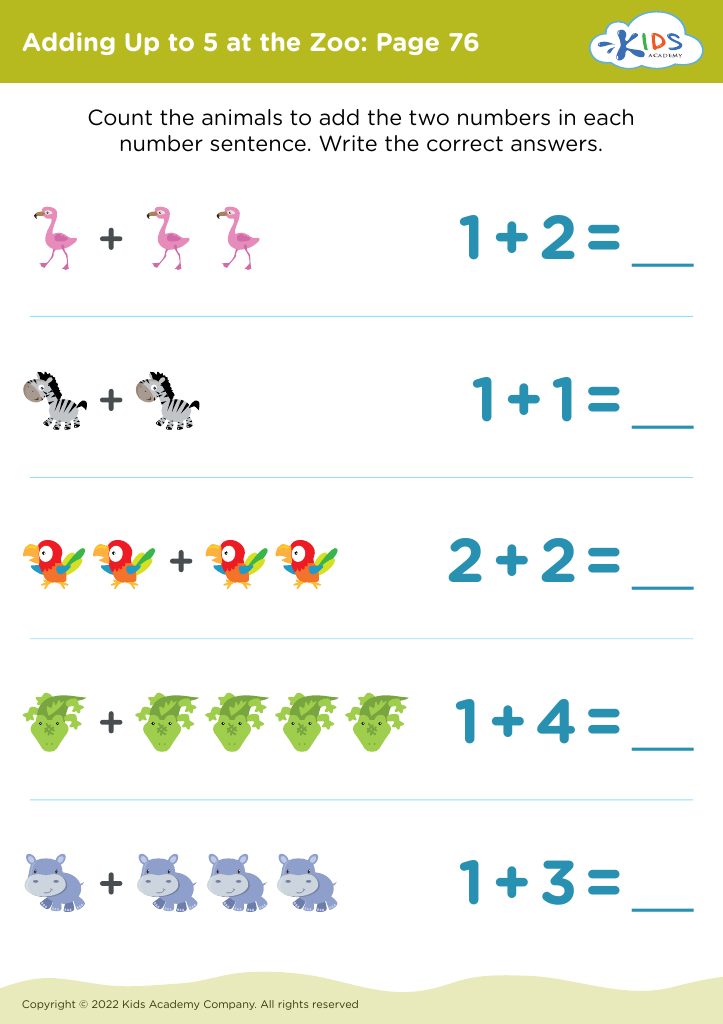
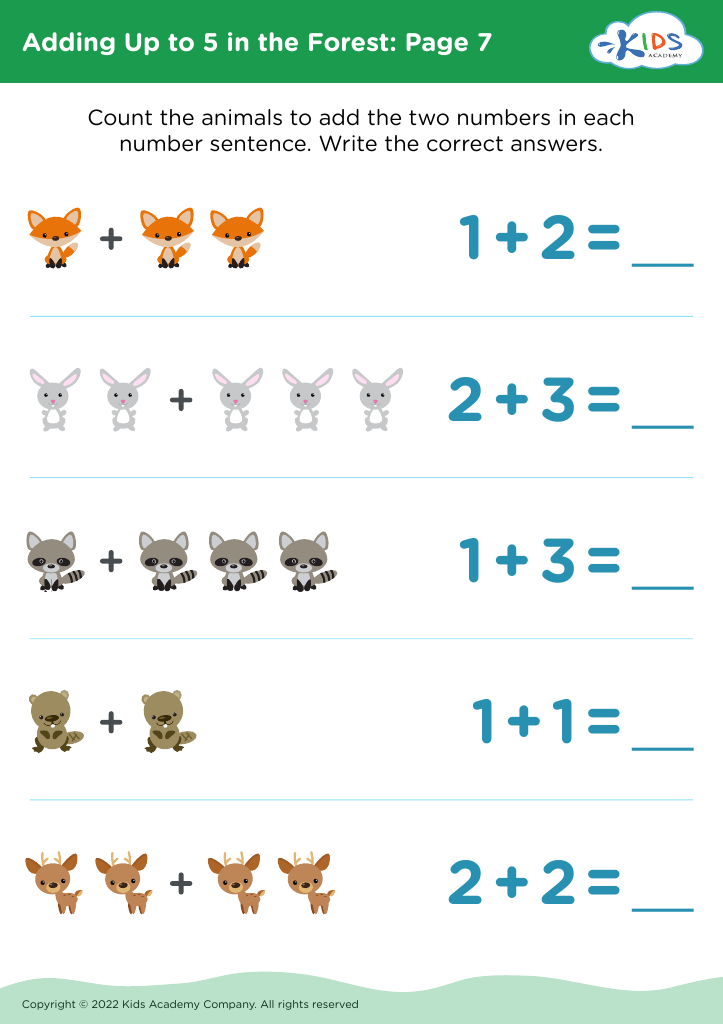
Explore our "Understanding Quantities" math worksheets designed specifically for children ages 4-7. These engaging and interactive activities help young learners grasp basic mathematical concepts through fun, visually appealing exercises. Focusing on number recognition, counting, and comparing quantities, our worksheets encourage hands-on practice, boosting confidence in early math skills. Ideal for homeschooling, supplemental learning, or classroom use, these resources foster a solid foundation in mathematics while promoting critical thinking. With a wide variety of problems and activities, each worksheet is tailored to make learning about quantities enjoyable and effective. Dive into the world of numbers with our expertly crafted worksheets today!
Favorites
With answer key
Interactive
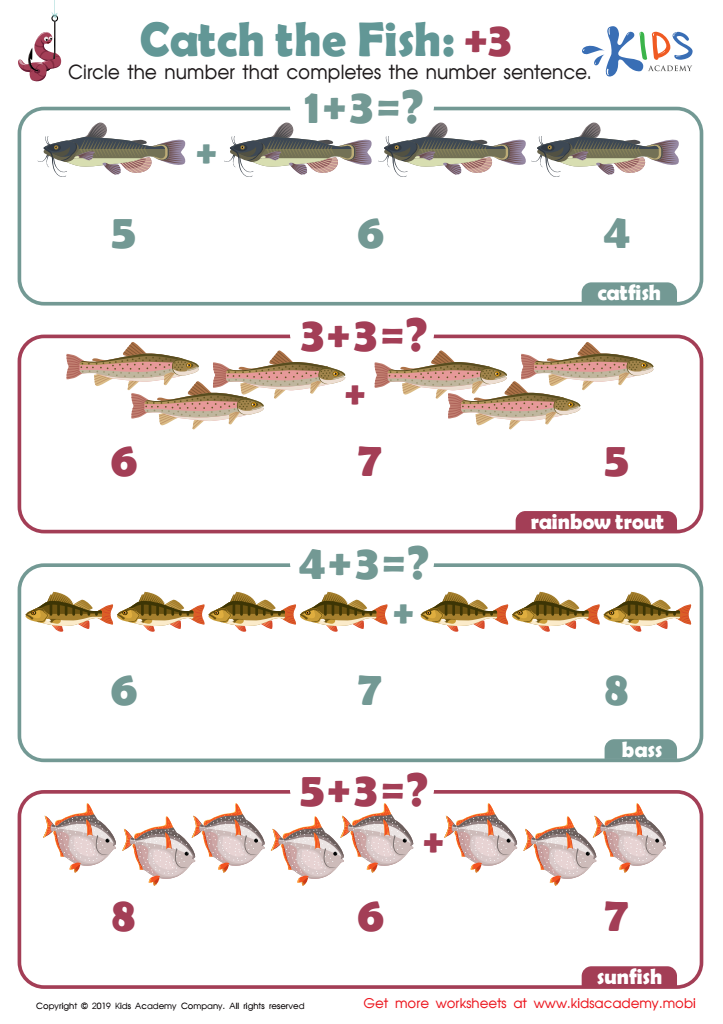
Catch the Fish: +3 Worksheet
Math may be tricky for your child, with all the numbers and calculations. This worksheet can help them brush up. Ask them to identify the objects in the picture, then count them and help them circle the right number to complete the sentence. It's a simple and effective way to improve math skills.
 Assign to My Students
Catch the Fish: +3 Worksheet
Worksheet
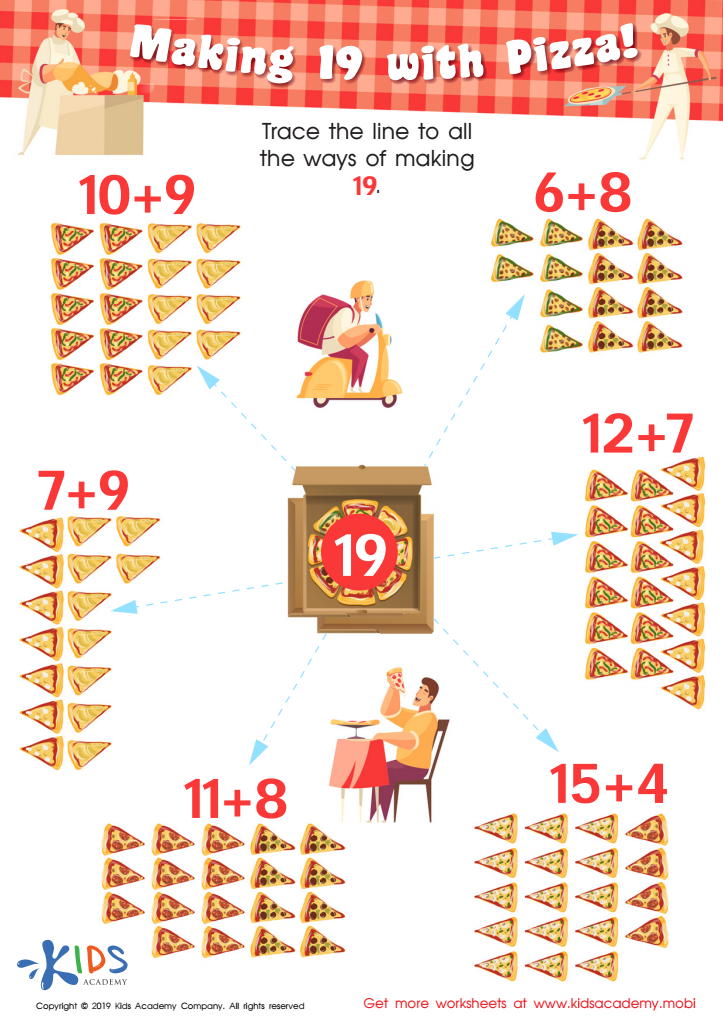
Making 19 with Pizza! Worksheet
Who loves pizza? Your kids do! Next time you need to teach them math, make it fun by combining it with something they enjoy. This worksheet uses a pizza-themed problem to help them practice solving equations. Have them trace the line to figure out how to make 19. It's a great way to make learning math fun!
Making 19 with Pizza! Worksheet
Worksheet
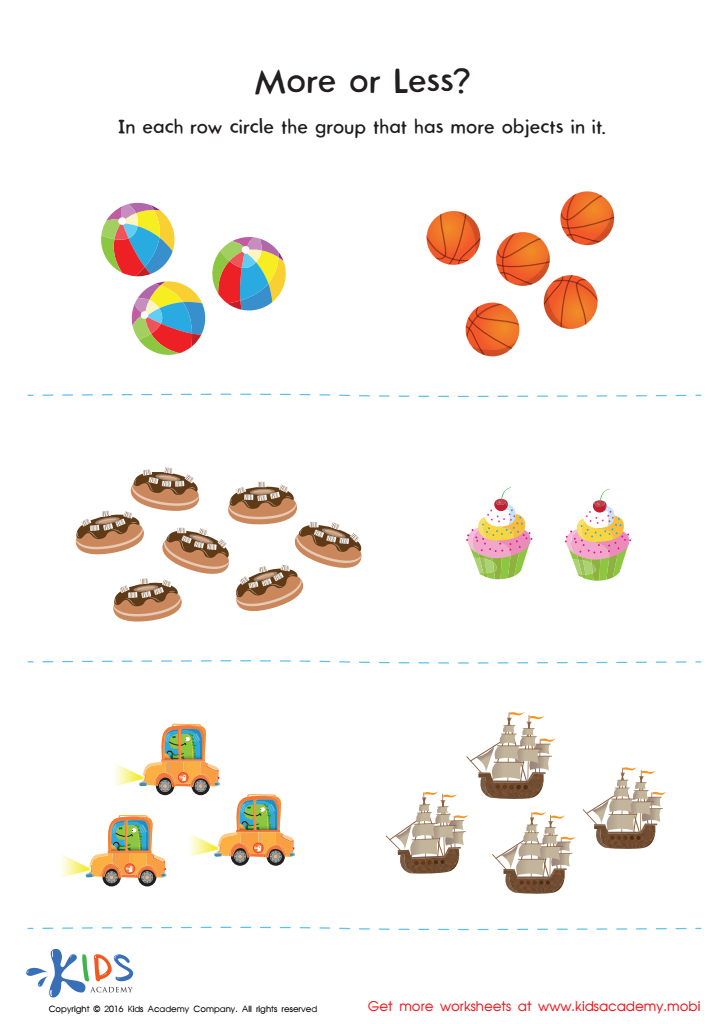
More or Less Size Worksheet
Worksheet
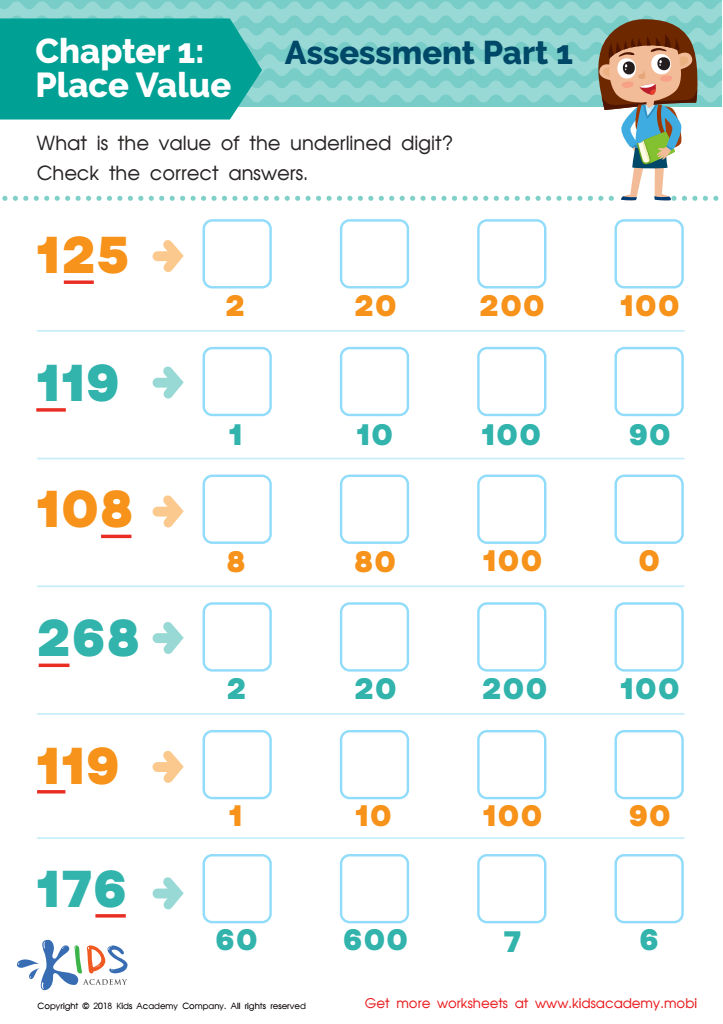
Place Value: Chapter 1 Worksheet
Check your kid's place value understanding with this assessment worksheet. It features 6 questions with one digit underlined for your child to determine the correct value of. Get the download and see if they can correctly choose the answer from the options given. It's a great way to test progress and keep their minds sharp!
Place Value: Chapter 1 Worksheet
Worksheet
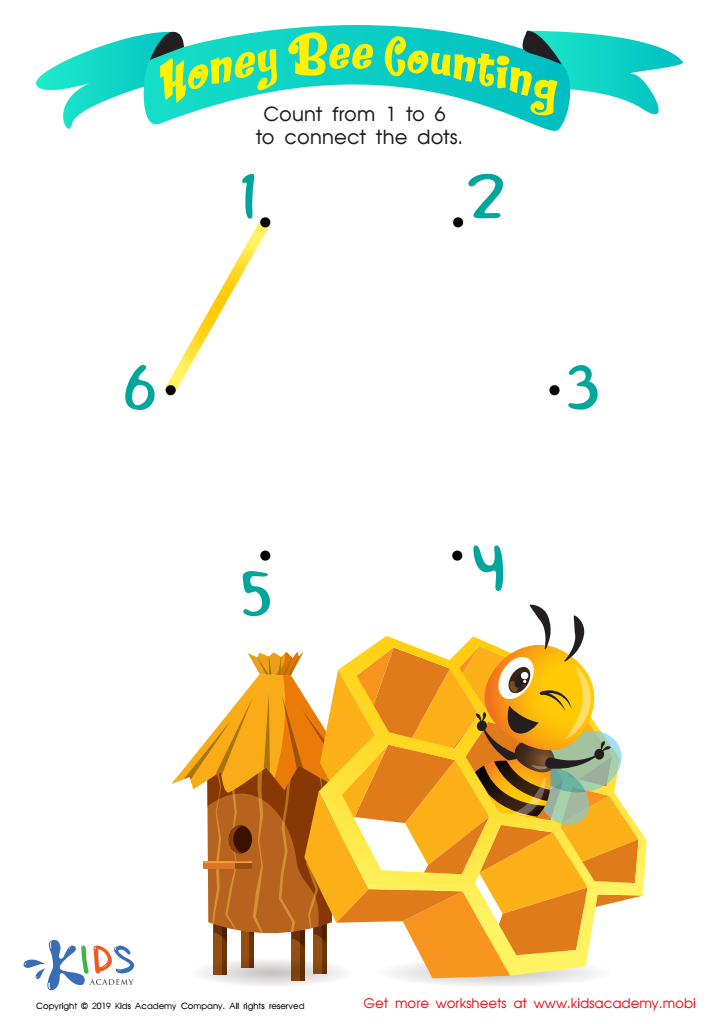
Honey Bee Counting Worksheet
Help your kids learn about honey bees while practising their counting skills! Show them the picture and ask them to point out the bee. Then, give them this worksheet and have them count up to 6, connecting the dots as they go. Numbers are provided for guidance - it's a great way to have fun and learn!
Honey Bee Counting Worksheet
Worksheet
Join Kids Academy for Free
Who is primarily going to use this learning content?






Understanding quantities is a foundational skill in early mathematics that significantly impacts a child's future academic success. For children aged 4-7, this concept goes beyond mere counting; it involves recognizing, comparing, and manipulating numbers in a variety of contexts. Parents and teachers should prioritize this skill because it lays the groundwork for more advanced mathematical concepts, such as addition, subtraction, and even fractions.
When children grasp the idea of quantity, they develop critical problem-solving skills and become more confident in their abilities. Understanding those comparisons—how many more or less two groups have—fosters logical thinking and reasoning, which are essential across all subjects. Moreover, this foundational knowledge enhances a child’s everyday experiences, helping them make sense of the world around them, such as measuring ingredients for a recipe or dividing up snack portions.
Furthermore, early math competencies are closely linked to later academic performance. Addressing any gaps in understanding quantities can help mitigate future learning challenges, proving the need for parents and teachers to engage in meaningful activities that strengthen this concept. Promoting a strong math foundation at this young age cultivates lifelong learners equipped to tackle more complex ideas as they progress.








