Visual discrimination Matching Worksheets for Ages 4-7
3 filtered results
-
From - To
Enhance your child's visual discrimination skills with our engaging Matching Worksheets designed specifically for ages 4 to 7. These interactive worksheets focus on improving your child's ability to identify similarities and differences through matching exercises, which are crucial for developing their observation skills and critical thinking. Each worksheet comes with fun illustrations and vibrant colors, making learning enjoyable while fostering awareness of visual details. Perfect for preschool and early elementary students, these printable resources can be easily integrated into home or classroom activities. Help your little learners sharpen their visual perception and prepare them for academic success with our thoughtfully crafted worksheets!
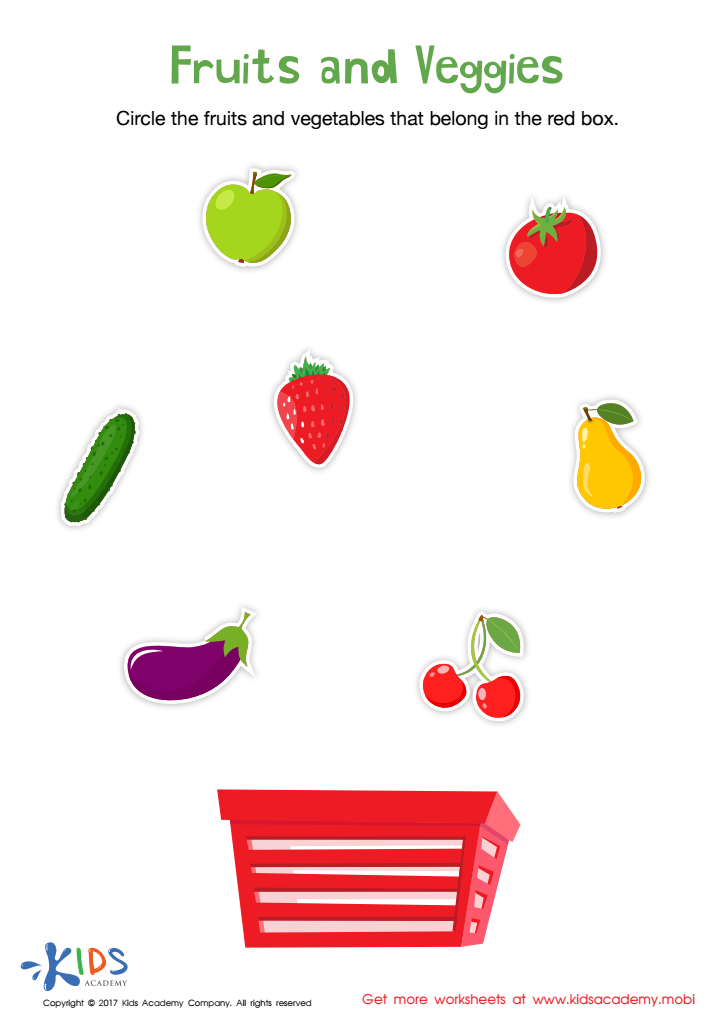
 Assign to My Students
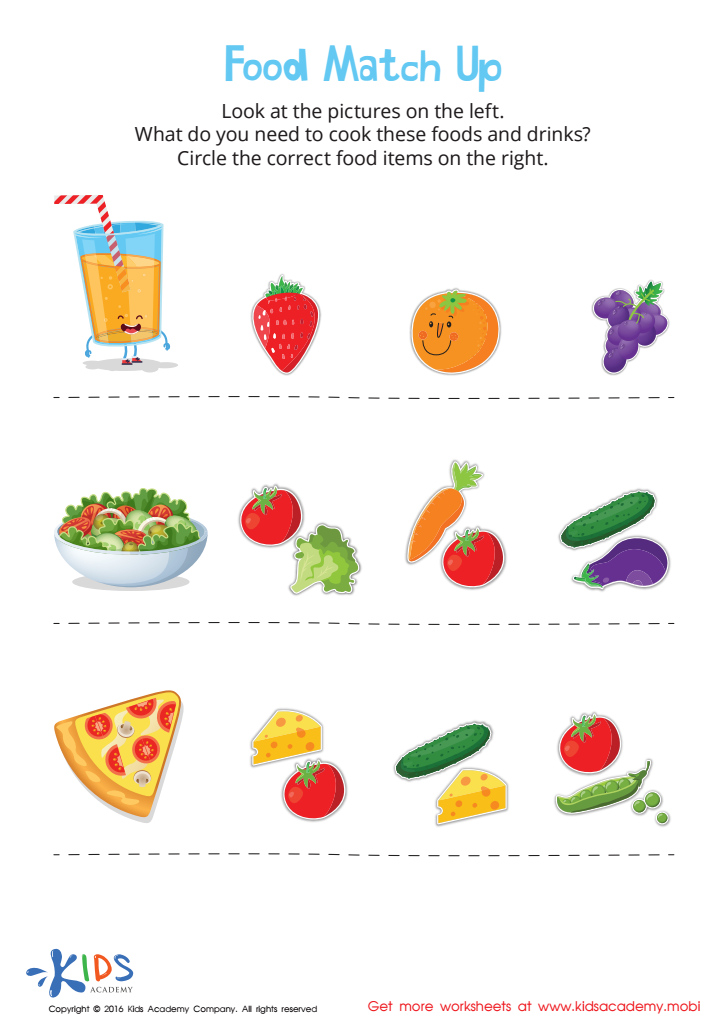
Food Match Up Worksheet
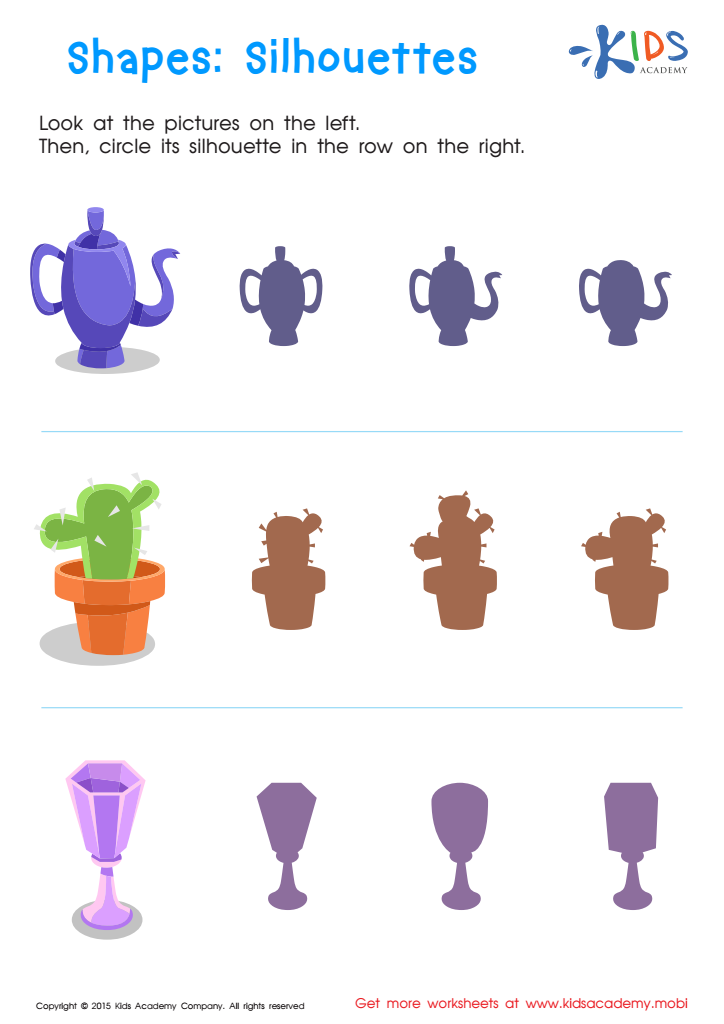
Silhouettes – Shapes Worksheet








Visual discrimination matching is a crucial skill for children aged 4–7 as it forms the foundation for several aspects of learning and everyday functioning. This cognitive ability allows children to identify differences and similarities among shapes, colors, letters, and numbers, which is essential for developing literacy and numeracy skills. By honing their visual discrimination, children enhance their attention to detail, which is important for tasks such as reading, where distinguishing between letters and words is necessary, and math, where recognizing patterns and shapes is vital.
Parents and teachers should care about visual discrimination because it also supports critical thinking and problem-solving skills. Activities that promote visual matching can boost a child's concentration and memory, preparing them for more complex academic challenges ahead. Additionally, possessing strong visual discrimination skills can improve a child's confidence in classroom settings, helping them participate more actively.
Ultimately, advocating for practices that enhance visual discrimination can lead to more successful learning outcomes and a greater sense of achievement for children. Moreover, these skills are not only important for school but also play a vital role in everyday tasks, such as organizing personal belongings or following instructions accurately, making them essential for overall development.








