Logical thinking development Measurement Worksheets for Ages 4-7
3 filtered results
-
From - To
Discover our engaging Logical Thinking Development Measurement Worksheets designed specifically for children ages 4-7! These thoughtfully crafted worksheets provide young learners with fun and interactive exercises to enhance their logical reasoning skills through measurements. Ideal for early education, these worksheets include activities that encourage problem-solving, critical thinking, and creativity while introducing essential measurement concepts. Perfect for use at home or in the classroom, our resources help children build a strong foundation for future math concepts by fostering an understanding of size, length, and comparison. Explore our delightful worksheets today to support your child's logical thinking journey!
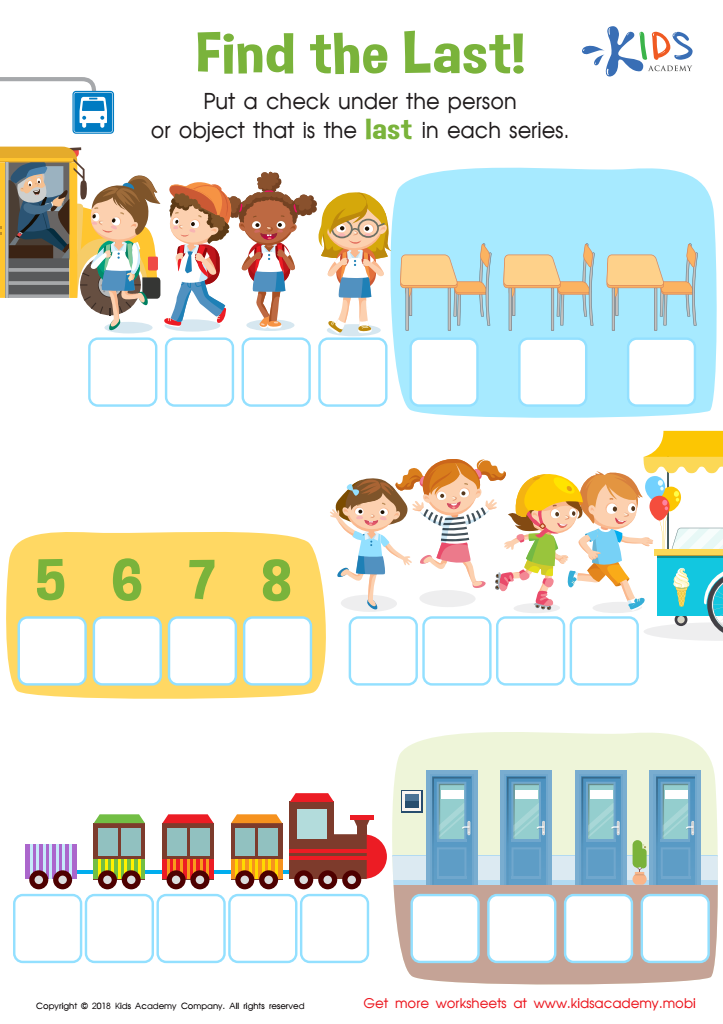
Find the Last! Worksheet
 Assign to My Students
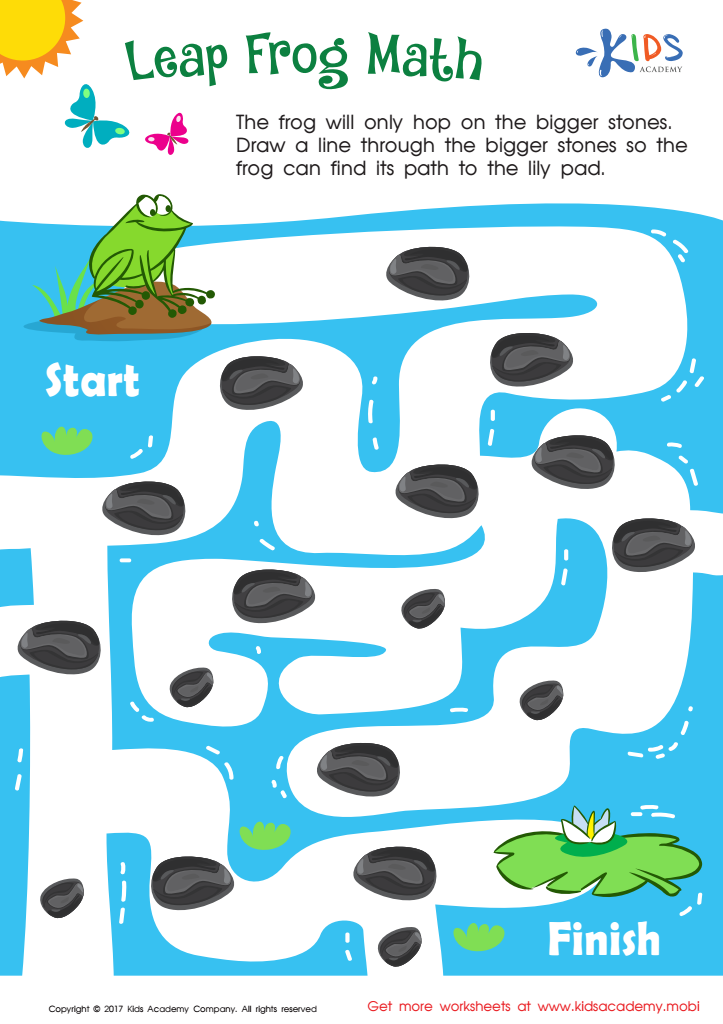
Math Puzzle Worksheet
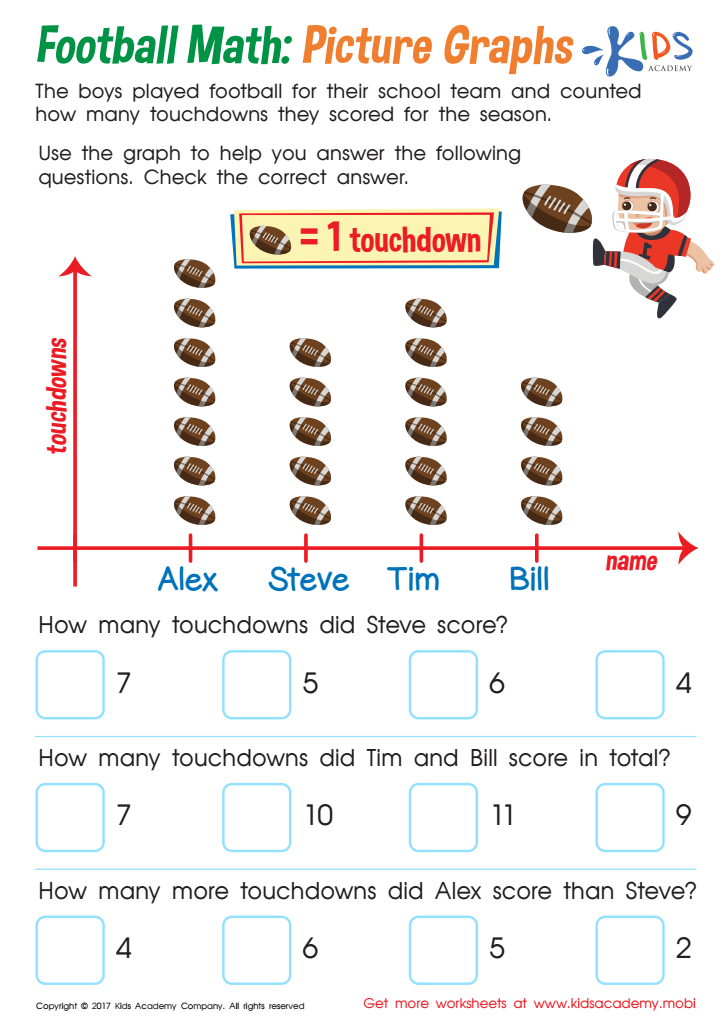
Football Math Worksheet








Logical thinking development is crucial for children aged 4-7, as this period lays the foundation for future cognitive abilities. At this stage, children are rapidly expanding their reasoning skills, which are essential for problem-solving, decision-making, and understanding cause-and-effect relationships. Parents and teachers should care about measuring and fostering logical thinking in young children because these skills impact their performance in academics and daily life.
Through engaging activities like games, puzzles, and storytelling, children learn to organize information, identify patterns, and analyze relationships. Early proficiency in logical thinking often correlates with improved math and reading skills, setting a strong base for lifelong learning. Furthermore, nurturing logical reasoning helps build resilience and independence; children learn to think critically and navigate challenges effectively.
Moreover, the development of these skills promotes social competence, as children begin to understand different perspectives and collaborate with peers. By measuring logical thinking skills, educators and parents can identify areas that need support, ensuring tailored interventions. Overall, an emphasis on logical thinking at a young age empowers children to think abstractly, solve complex problems, and engage meaningfully with their environment, ultimately shaping well-rounded, confident learners.








