Understanding Quantities Numbers 0–10 Worksheets for Ages 4-7
3 filtered results
-
From - To
Unlock the world of numbers with our "Understanding Quantities Numbers 0–10 Worksheets" designed specifically for children ages 4 to 7. These engaging worksheets help young learners master the concept of quantities, promoting essential early math skills through interactive and fun activities. Each worksheet features vibrant illustrations and age-appropriate exercises that encourage hands-on learning, ensuring that children grasp the relationship between numbers and physical quantities. Ideal for homeschooling or classroom use, these worksheets support children's confidence in mathematics while laying a strong foundation for their future studies. Download today and spark a love for learning in your little ones!
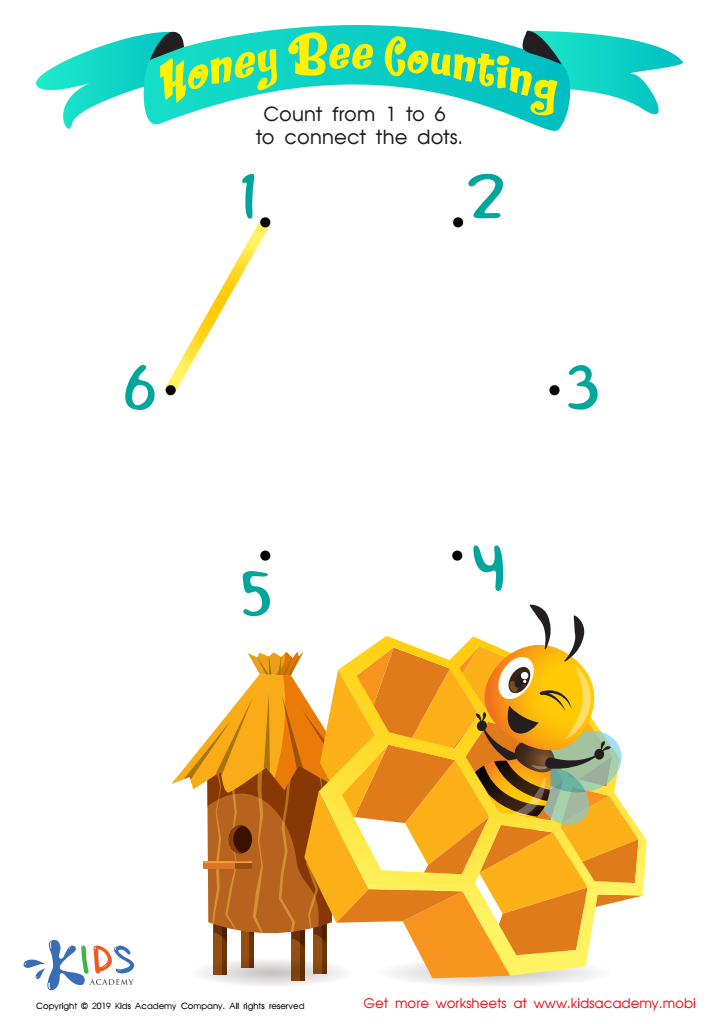
Honey Bee Counting Worksheet
 Assign to My Students
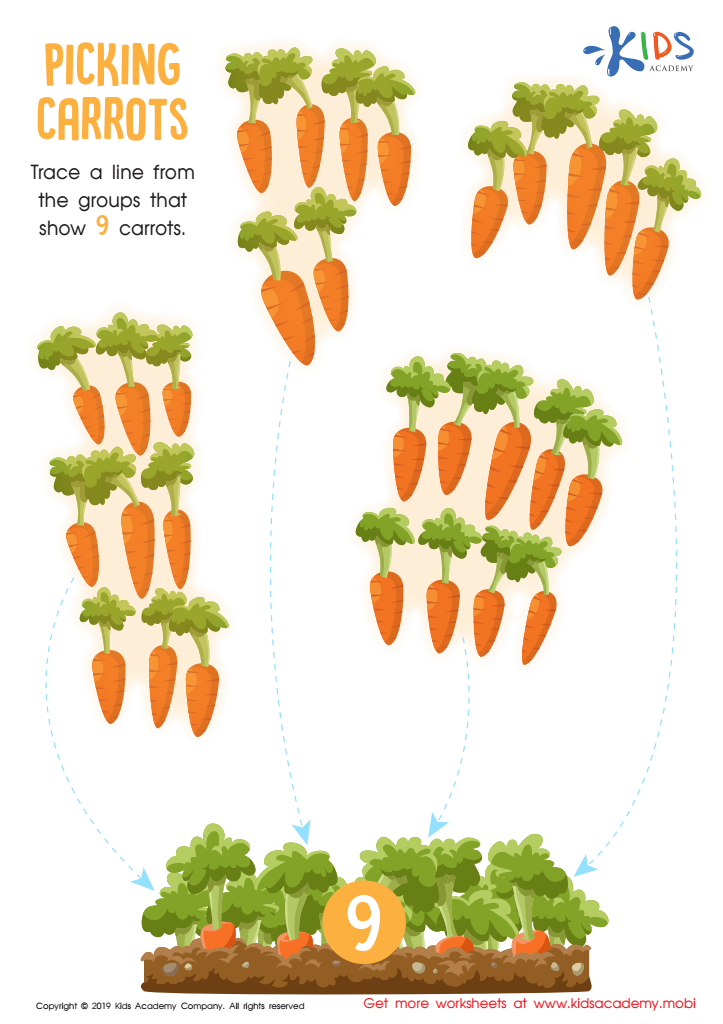
Picking Carrots Worksheet
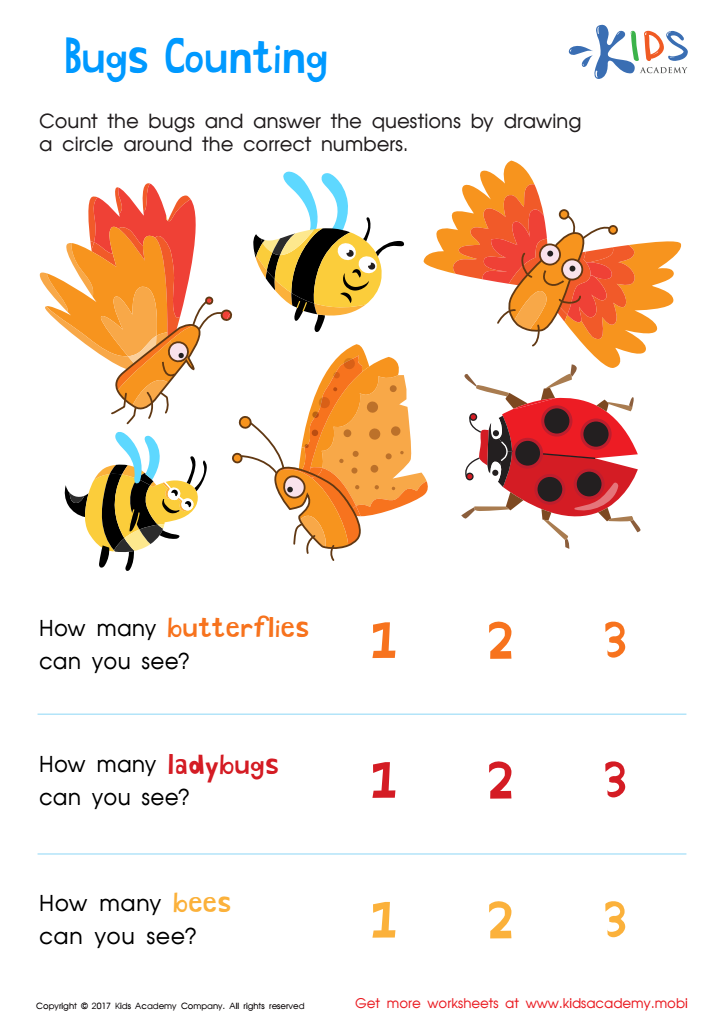
Bugs Counting Worksheet








Understanding quantities and numbers from 0 to 10 is a foundational skill for young children between the ages of 4 and 7. This critical period sets the stage for future mathematical learning and overall cognitive development. When parents and teachers prioritize numeral recognition and the concept of quantities, they equip children with the tools to make sense of their environment.
Firstly, a solid grasp of numbers helps children develop early problem-solving and reasoning abilities. It enables them to count objects, understand simple addition and subtraction, and relate mathematical concepts to real-life situations, like sharing snacks or counting toys. This early number sense encourages confidence in their capabilities, fostering a positive attitude towards math.
Moreover, literacy is interlinked with numeracy; understanding numbers enhances language skills as children learn to verbalize quantities and engage in discussions about sizes, comparisons, and patterns. This multidisciplinary connection deepens their overall understanding and allows for a more enriching educational experience.
Ultimately, parents and teachers play a vital role in nurturing this foundational learning. By fostering an engaging, supportive environment for exploring numbers and quantities, they help children build essential skills that will serve them throughout their educational journey and beyond.