Addition skills Place Value Worksheets for Ages 4-7
7 filtered results
-
From - To
Boost your child’s math confidence with our "Addition Skills Place Value Worksheets for Ages 4-7." Our expertly designed printable worksheets help young learners understand and apply place value concepts in addition problems. These engaging activities improve numeric fluency and foundational math skills, providing vivid practice opportunities tailored for early graders. With a variety of exercises featuring bright visuals and easy instructions, children can enhance their addition skills while having fun. Perfect for classroom use or at-home learning, our worksheets will make mastering addition in the context of place value simple and enjoyable for your little ones.
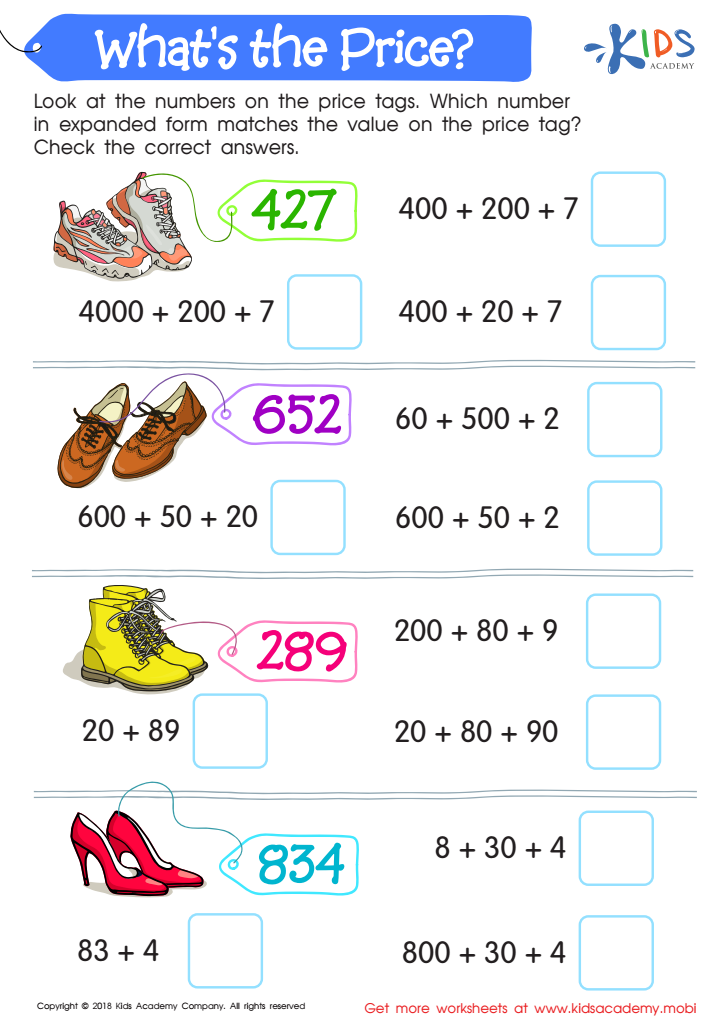
What's the Price? Worksheet
 Assign to My Students
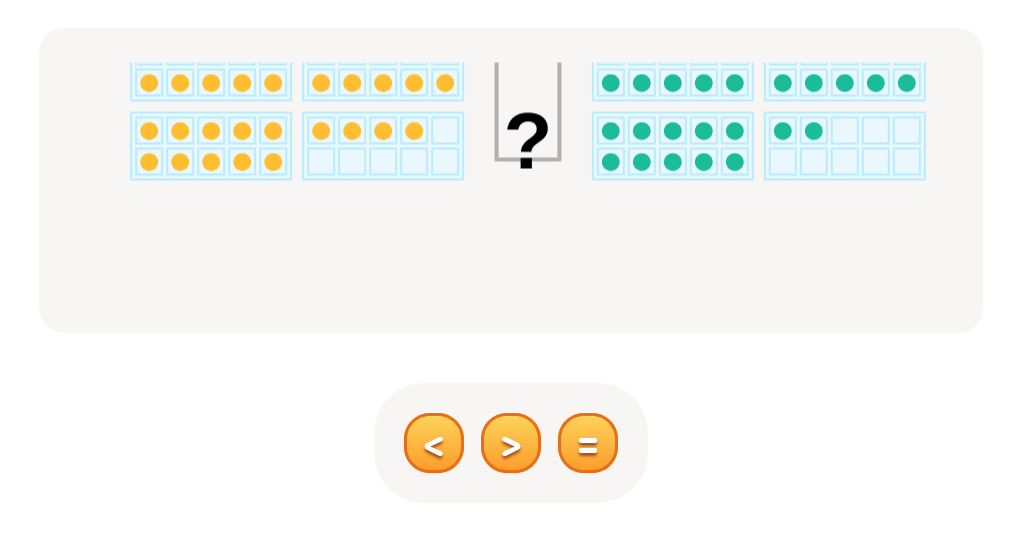

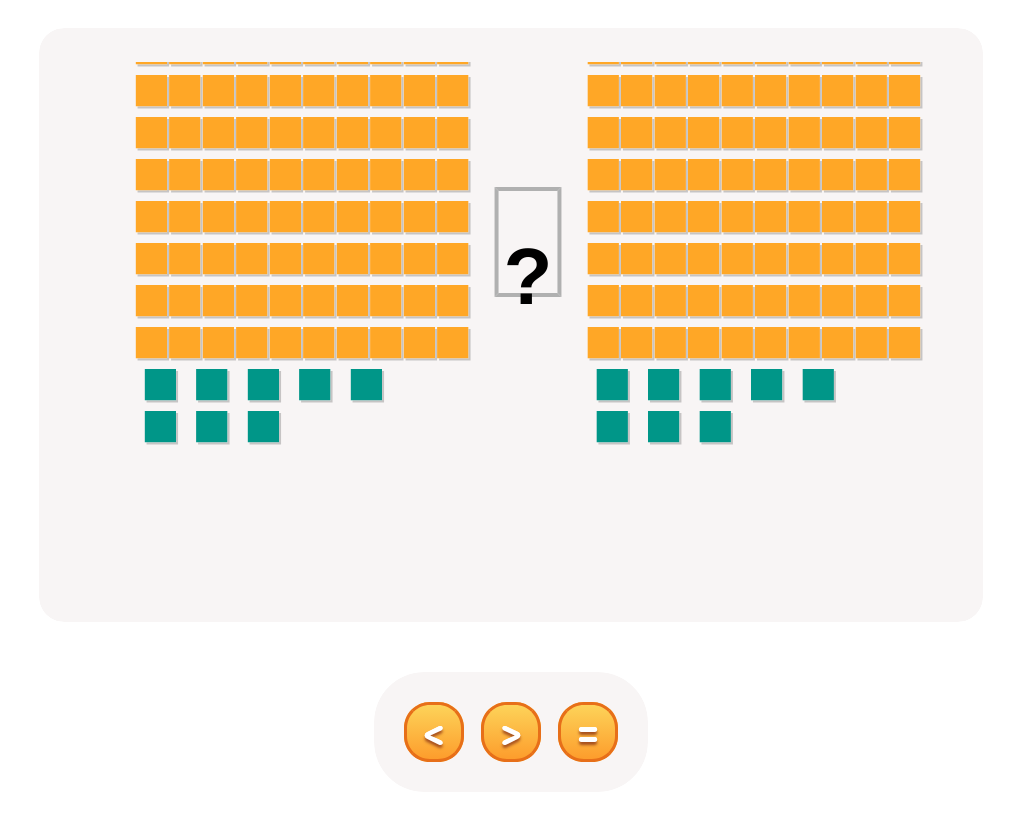
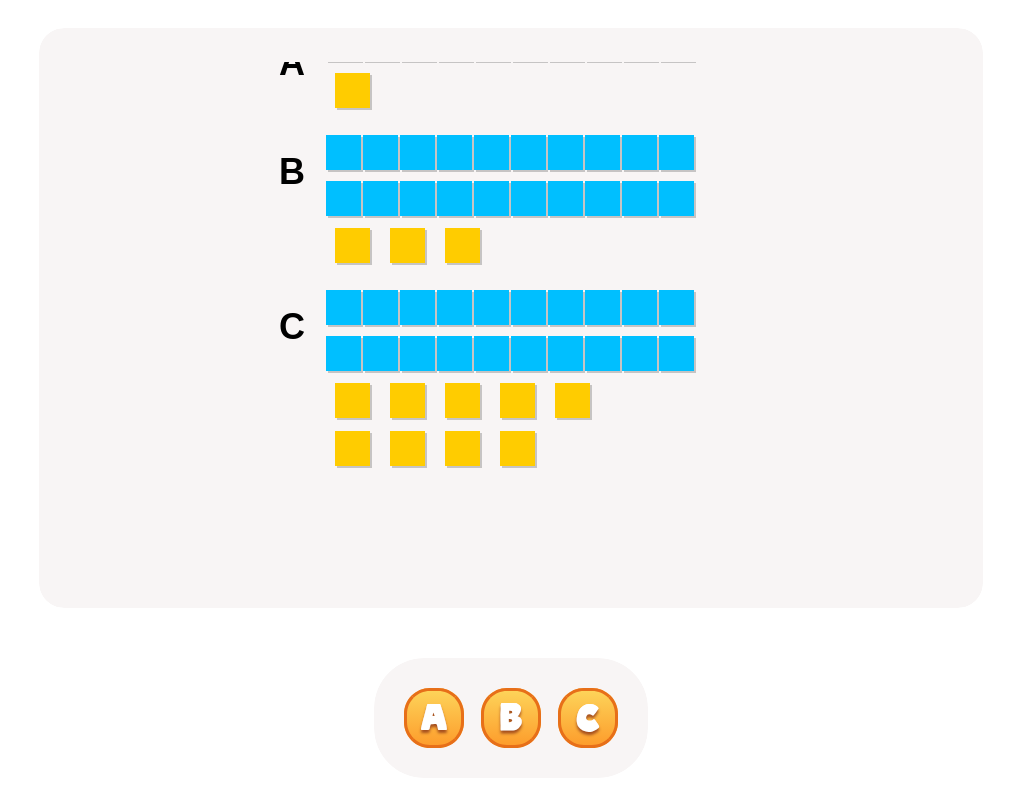
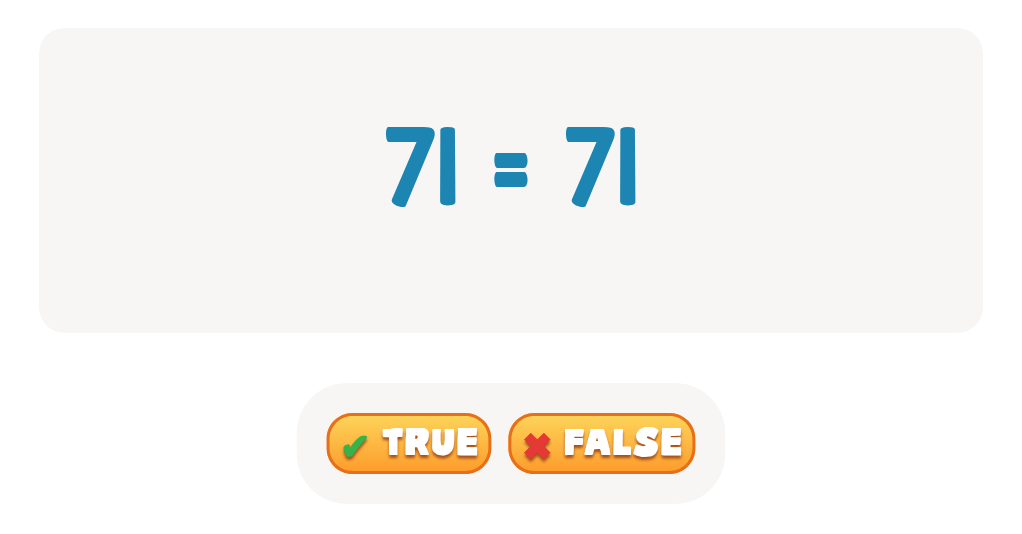
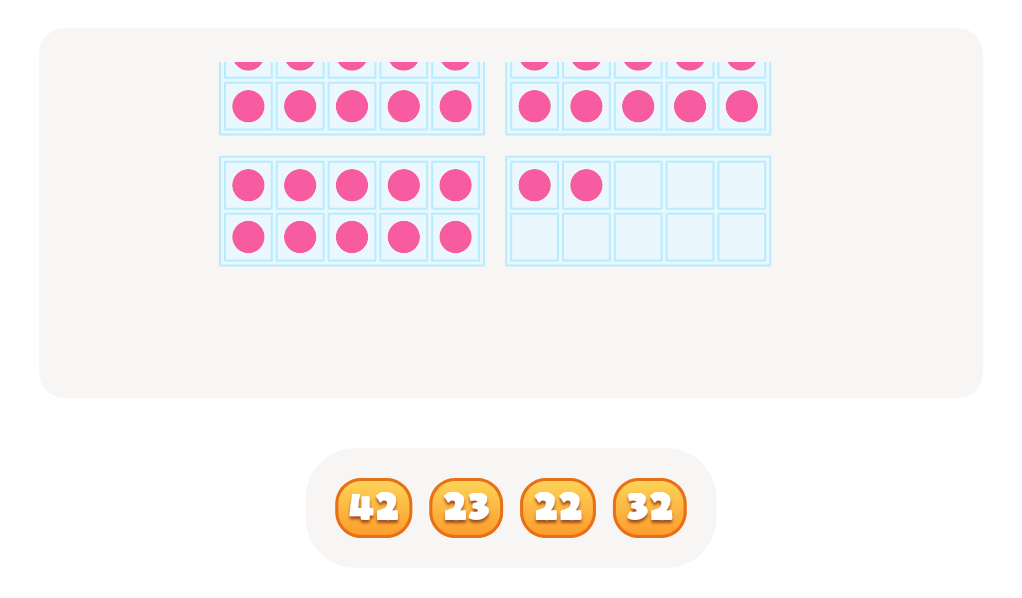
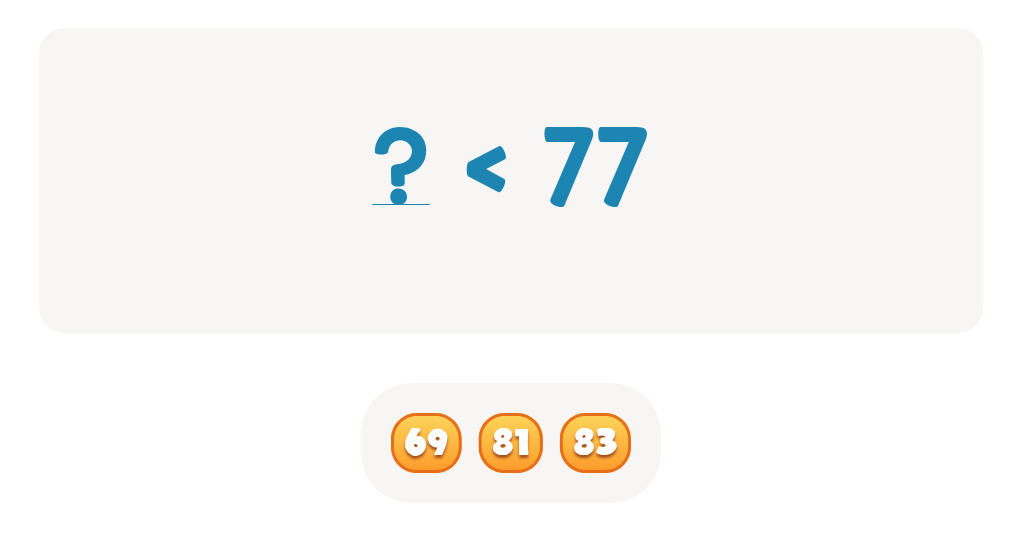
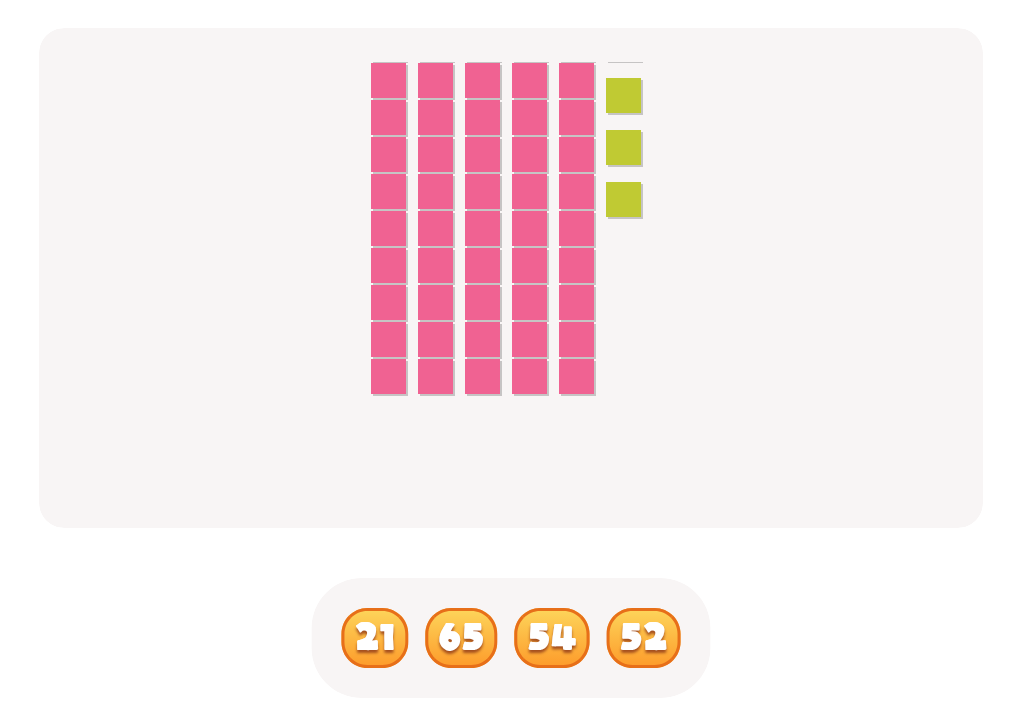
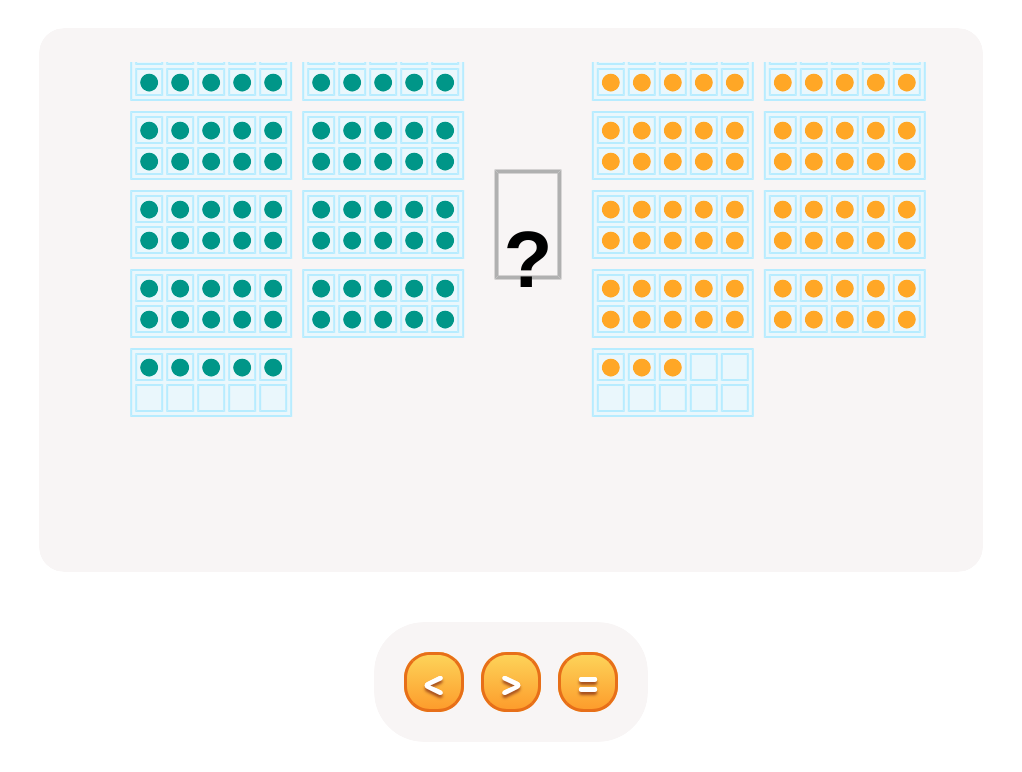
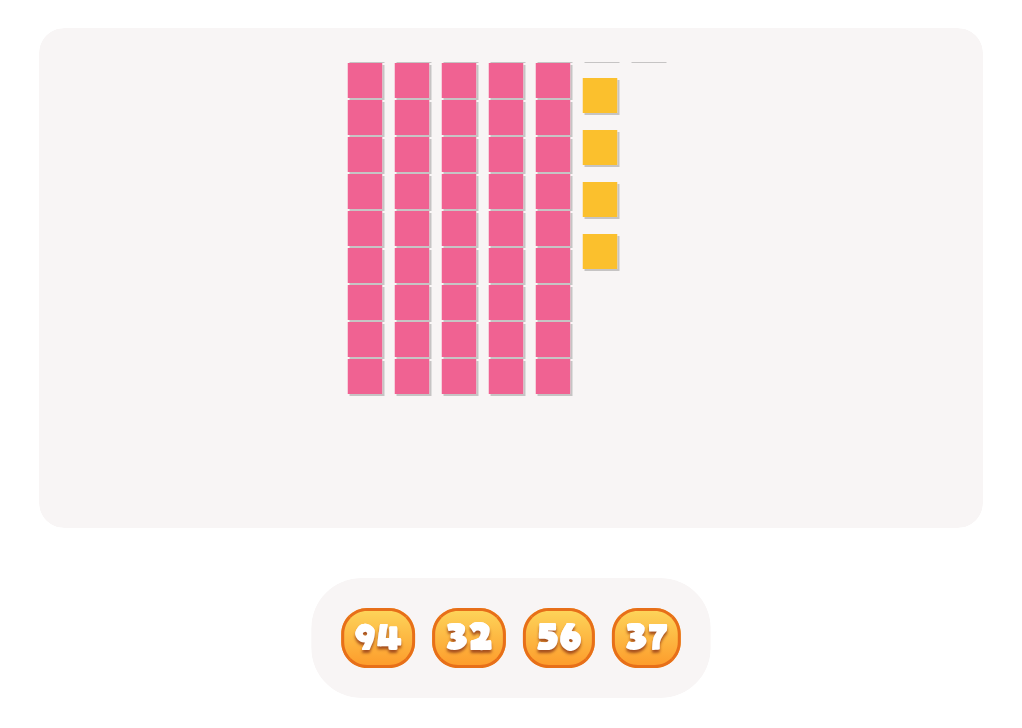
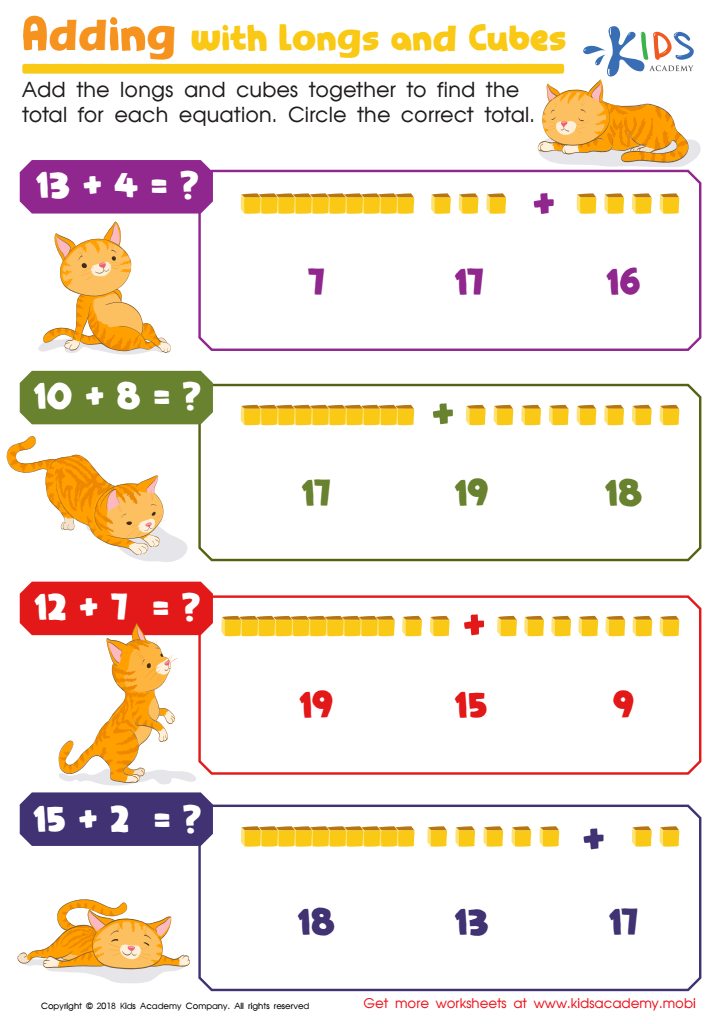
Adding With Longs and Cubes Worksheet
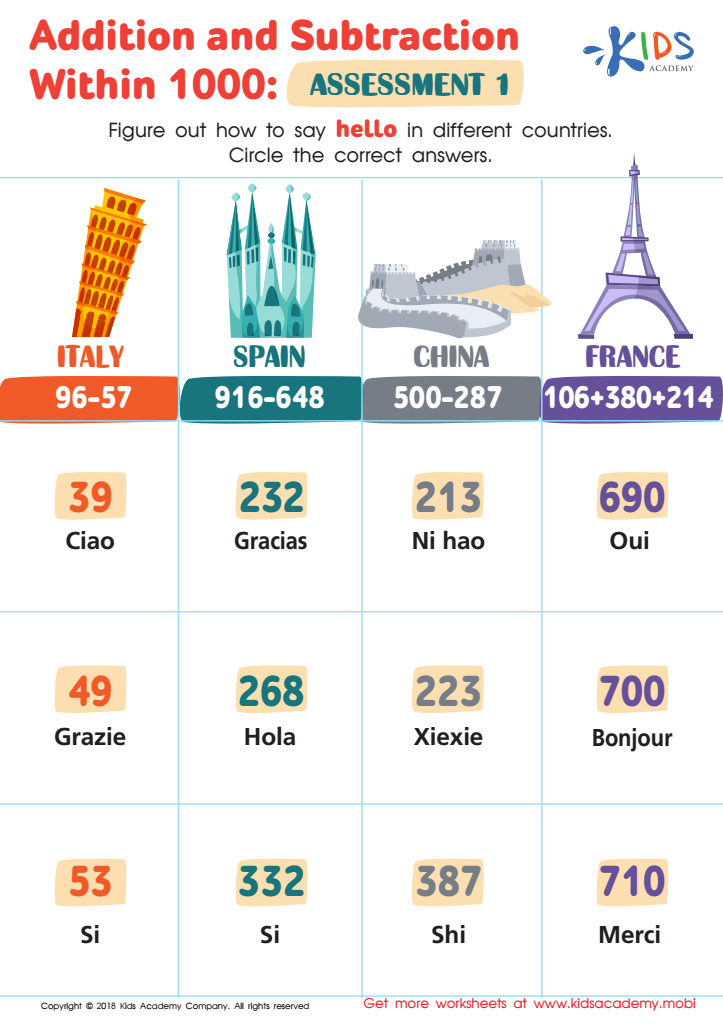
Addition and Subtraction Within 1000: Assessment 1 Worksheet
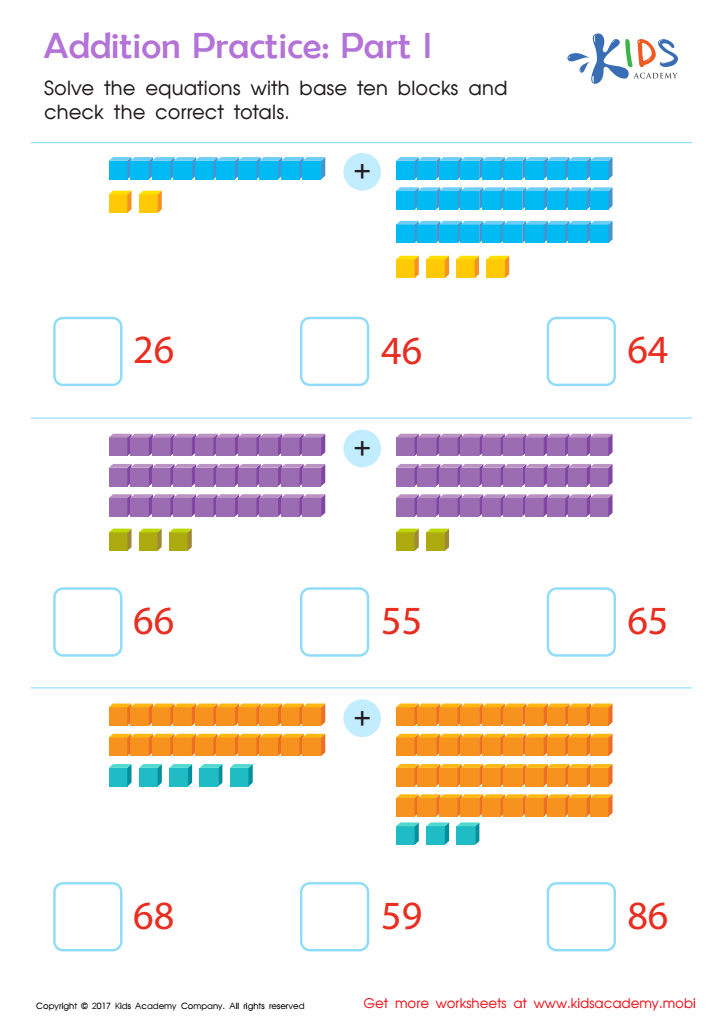
Addition Practice Sheet: Part 1
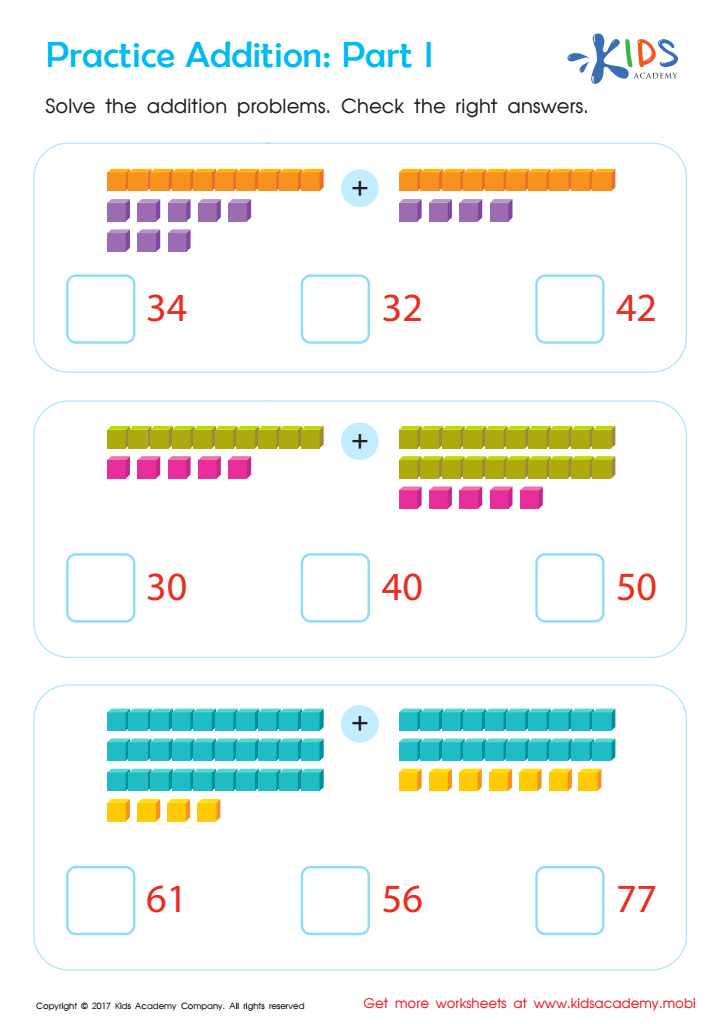
Practice Addition: Part 1 Worksheet
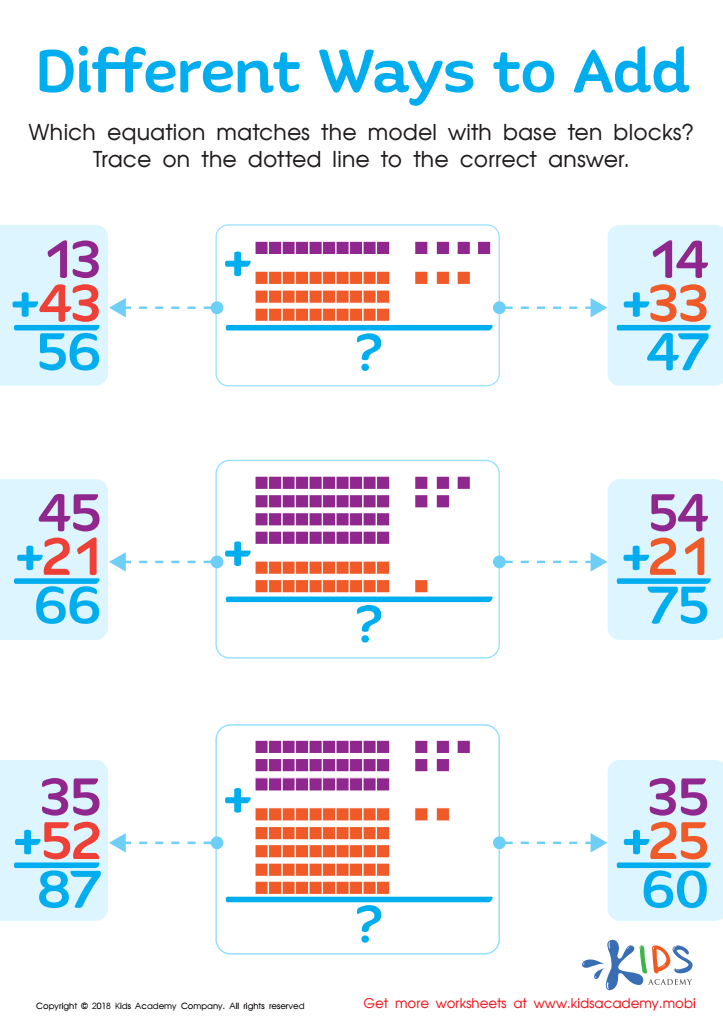
Different Ways to Add Worksheet
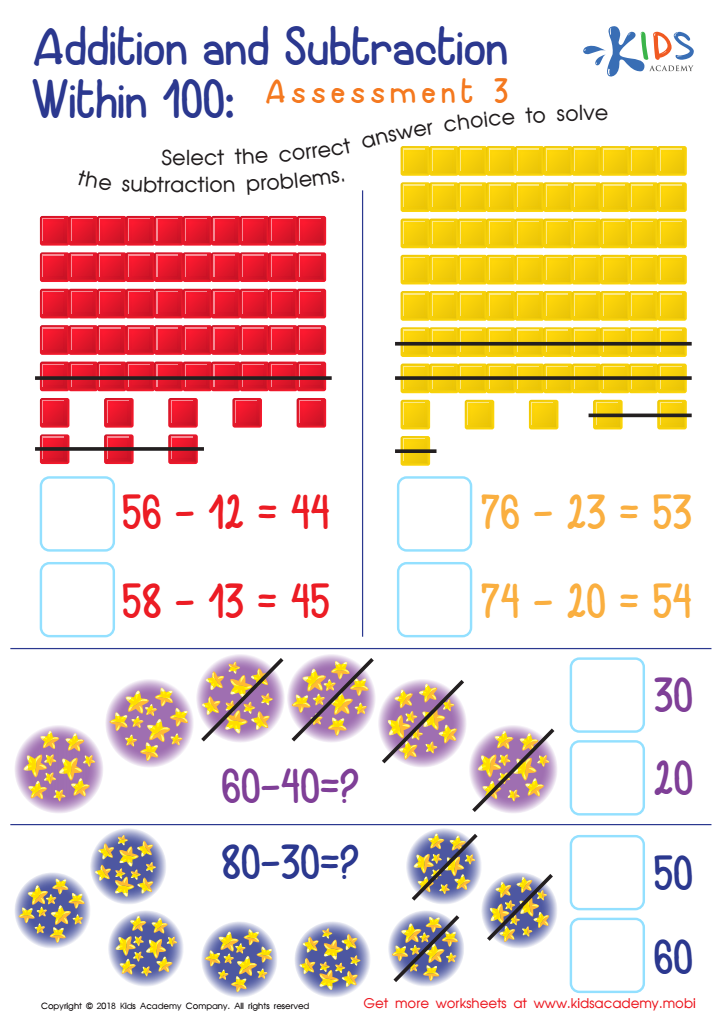
Addition and Subtraction Within 1: Assessment 3 Worksheet








Fostering addition skills and understanding place value for children aged 4-7 is crucial for establishing a solid mathematical foundation. At this young stage, children are at a pivotal point where their cognitive abilities are rapidly developing, allowing them to grasp basic mathematical concepts that will impact their future learning.
Addition skills are essential because they are the building blocks of all other mathematical operations, such as subtraction, multiplication, and division. Mastering addition helps children understand number relationships and develop problem-solving skills. It also enhances their ability to perform mental arithmetic, which is crucial for everyday tasks and builds their confidence in handling numbers.
Place value, on the other hand, teaches children the importance of the position of digits in numbers. Understanding place value helps children comprehend the base-10 system, which is fundamental for performing more complex arithmetic operations and understanding larger numbers. It also lays the groundwork for learning about fractions, decimals, and even algebra.
Parents and teachers should care about these skills because they set the stage for academic success in mathematics and other STEM-related fields. When children grasp these concepts early, they are more likely to experience a smoother transition to more advanced math topics and are less likely to struggle in future grades. Thus, nurturing these skills fosters not only mathematical proficiency but also a positive attitude toward learning and problem-solving.