Counting practice Place Value Worksheets for Ages 4-7
3 filtered results
-
From - To
Discover our engaging Counting Practice Place Value Worksheets designed for kids aged 4-7! These printable resources from Kids Academy help children grasp the fundamentals of counting and place value effortlessly. With vibrant visuals and interactive exercises, learners build essential math skills while having fun. Tailored for young minds, these worksheets boost confidence and enhance understanding of ones, tens, and beyond. Perfect for classroom or home use, our counting practice worksheets support early math education, ensuring your child is ready for future academic success. Explore now to give your young learner a strong math foundation!
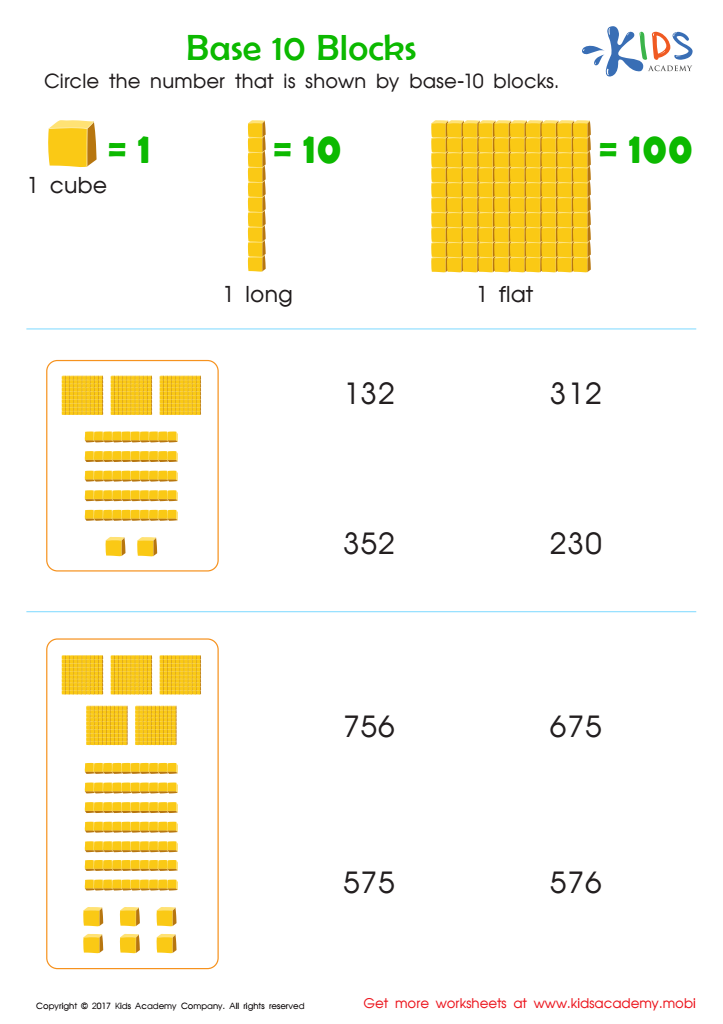
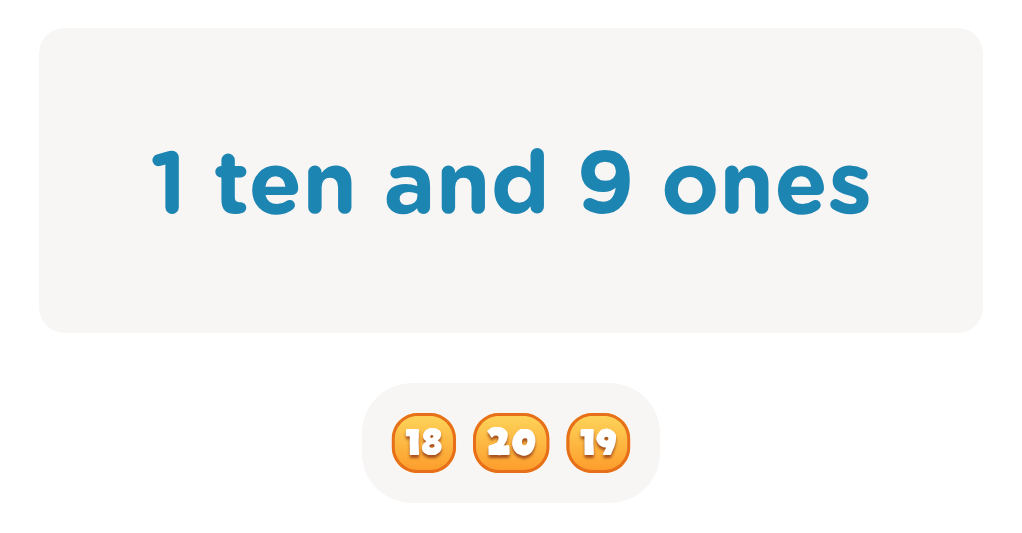
Base Ten Blocks Worksheet
 Assign to My Students
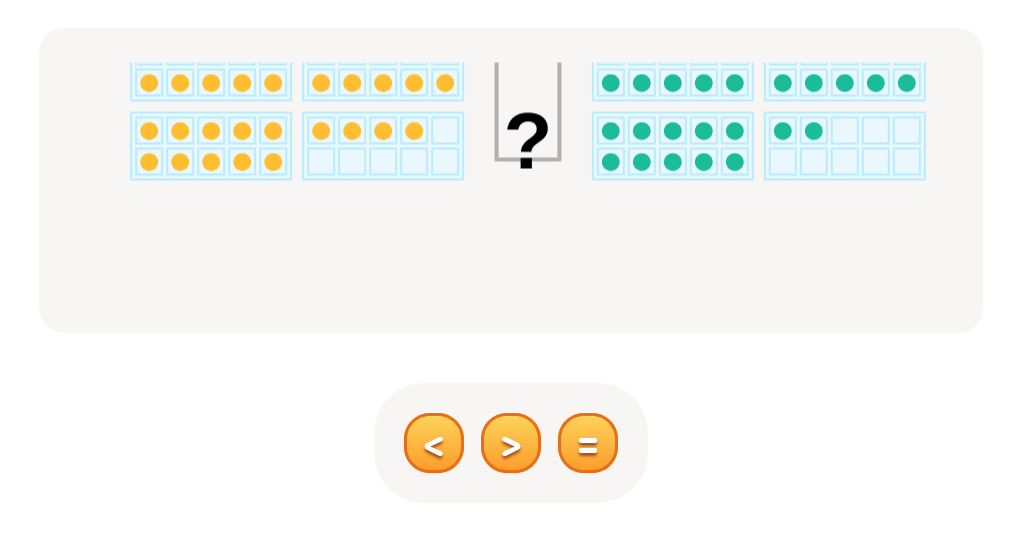

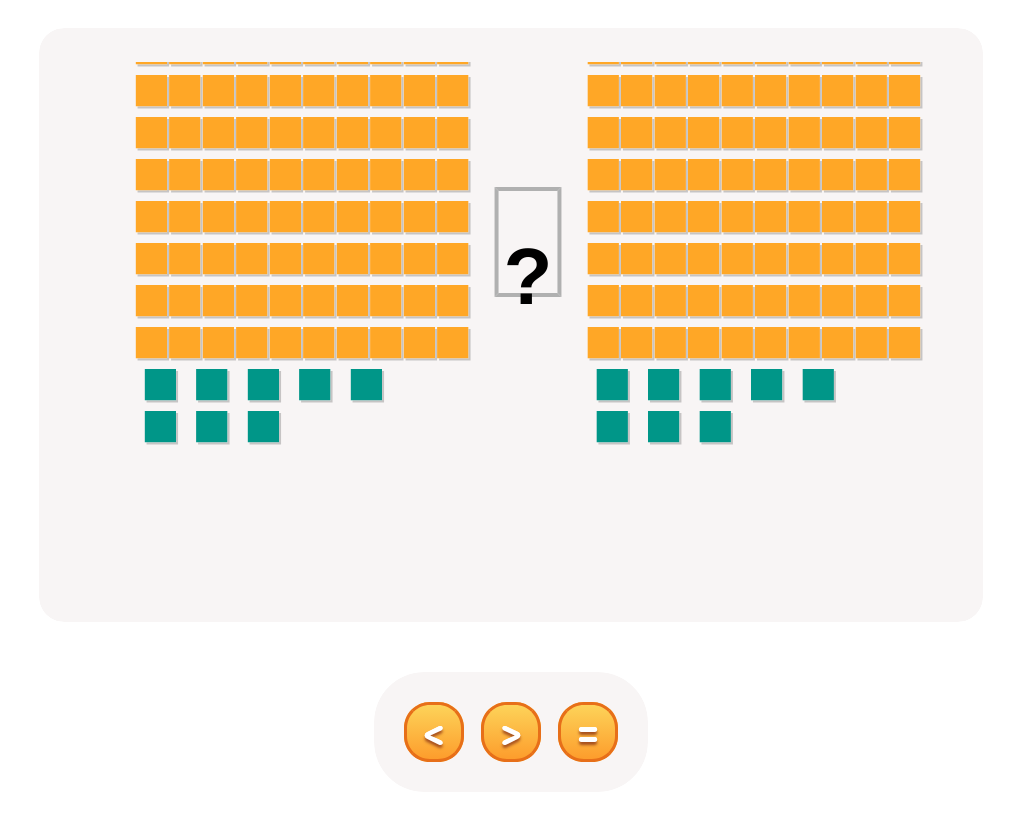
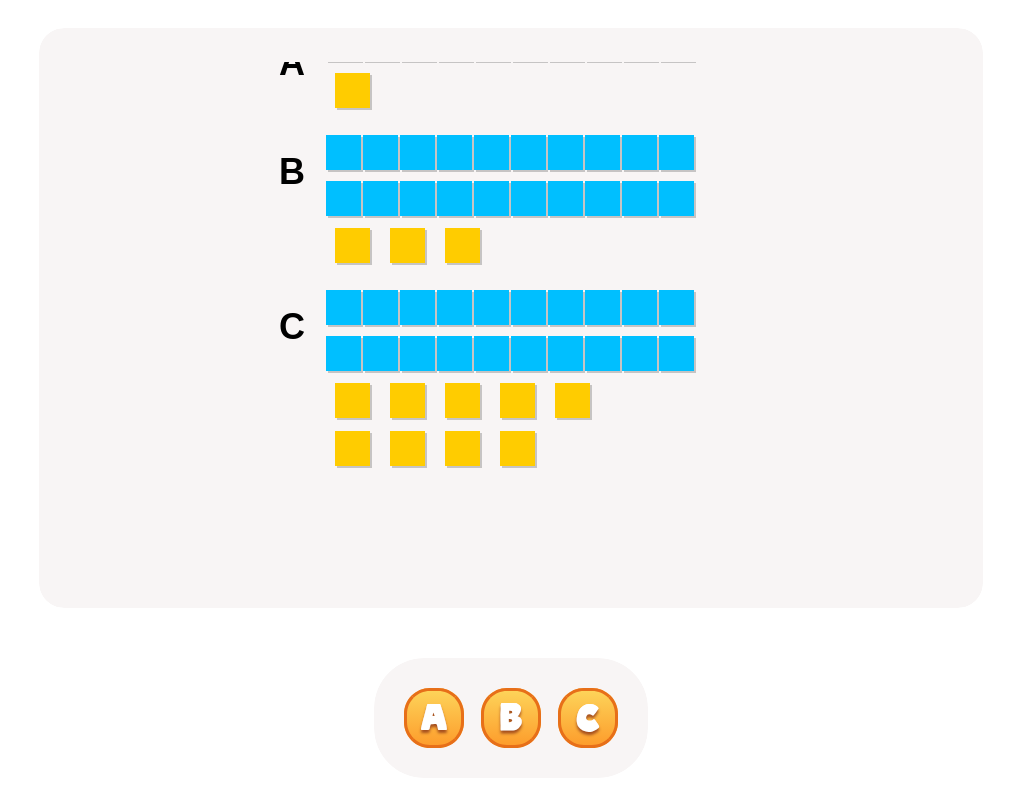
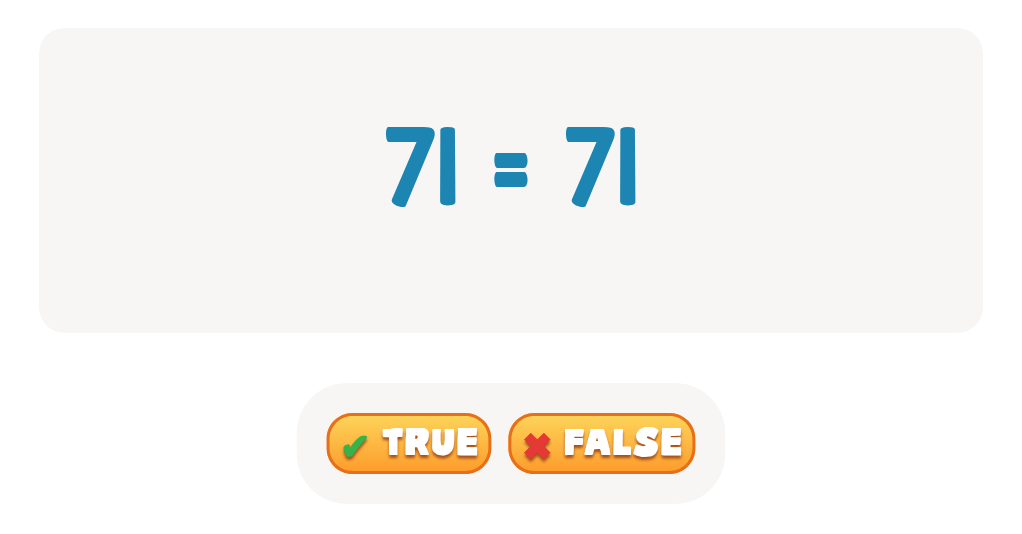
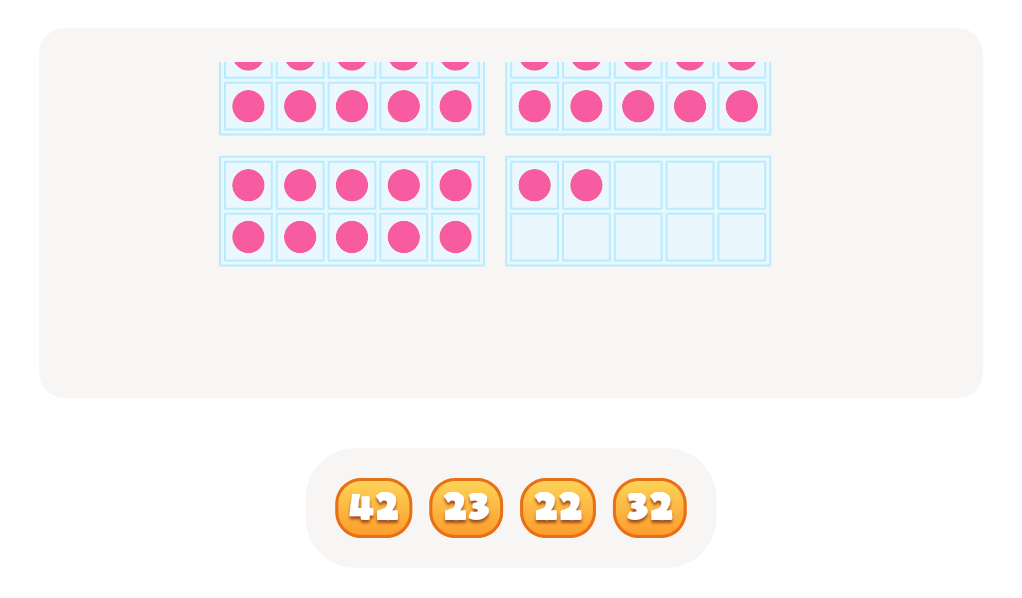
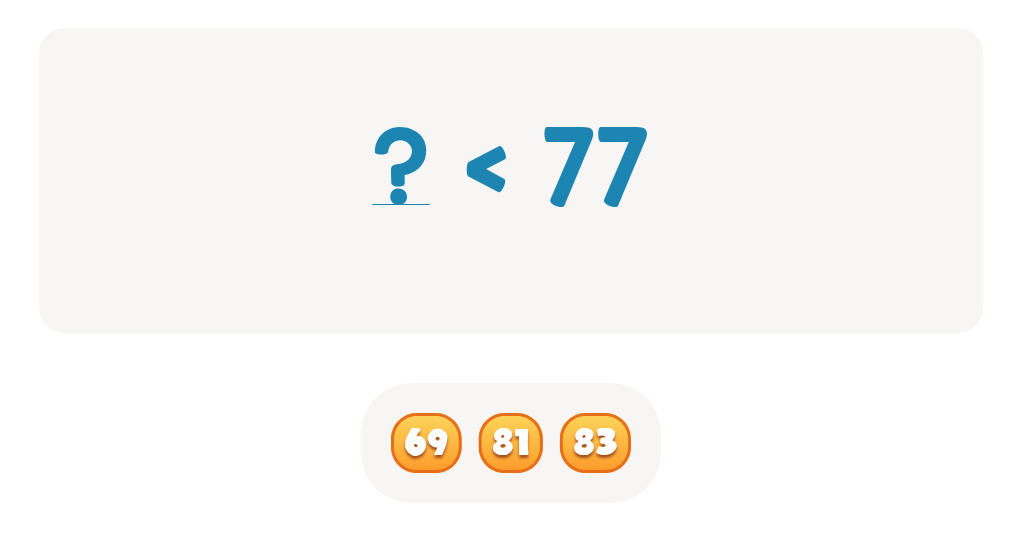
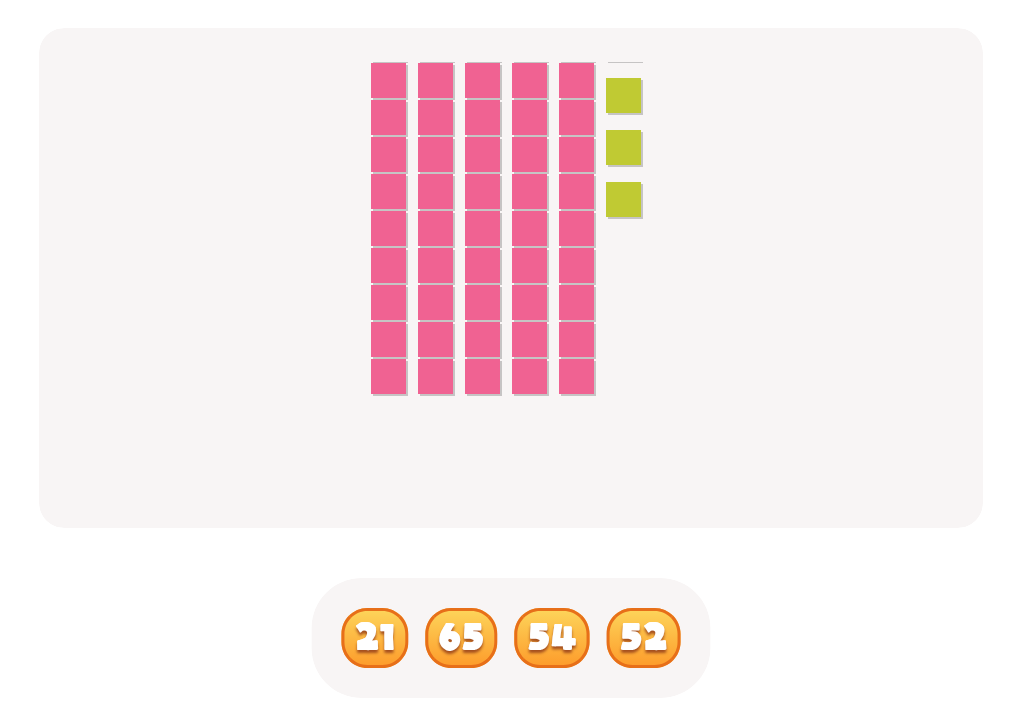
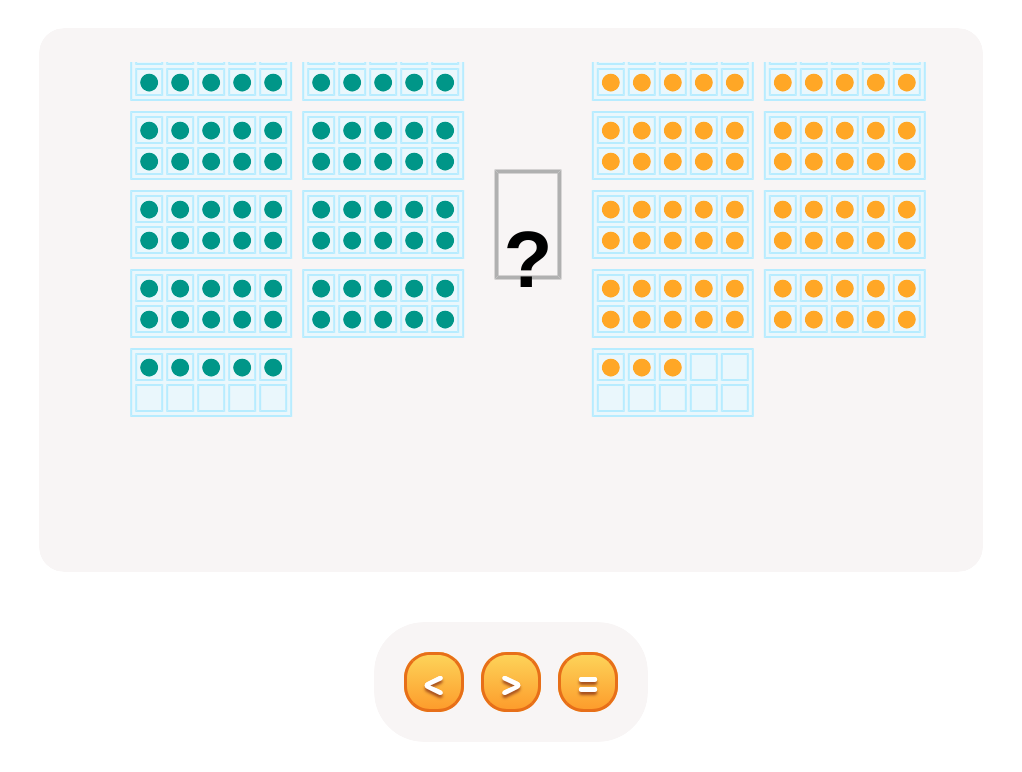
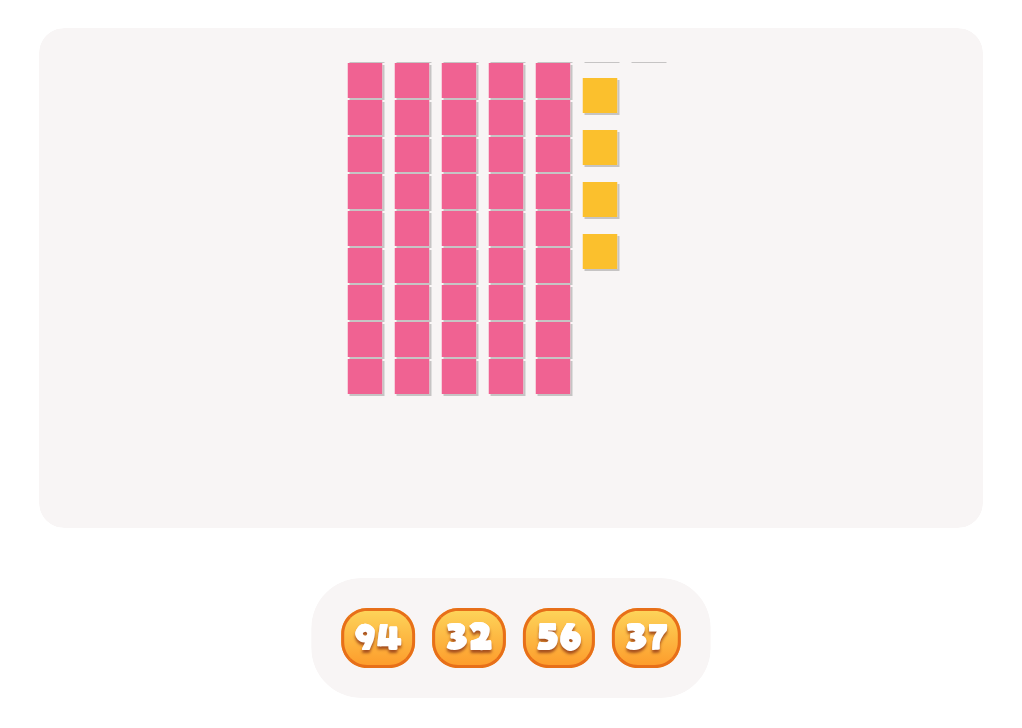
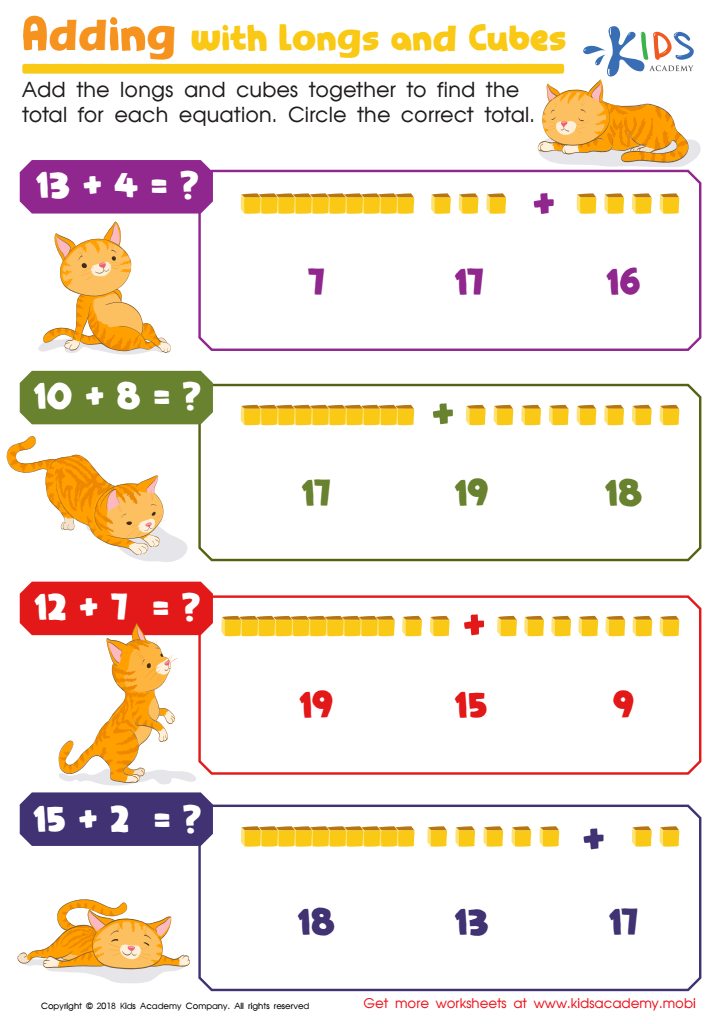
Adding With Longs and Cubes Worksheet
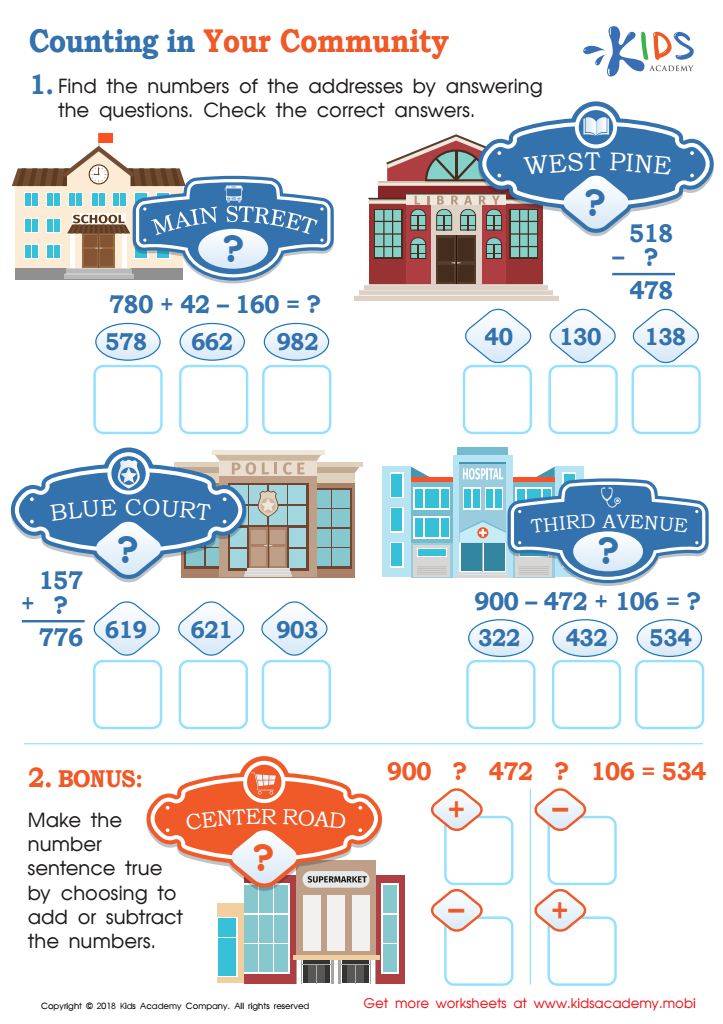
Counting in Your Community Worksheet








Counting practice and understanding place value are fundamental concepts in early mathematics education for children aged 4-7. These skills form the building blocks for more advanced mathematical concepts that children will encounter later in their academic careers.
First, counting practice enhances number recognition, sequence of numbers, and basic one-to-one correspondence, which are essential for developing numeracy skills. When children count objects and numbers, they not only memorize sequences but also comprehend the idea that numbers represent quantities.
Second, an understanding of place value is crucial because it allows children to recognize the significance of each digit in a number based on its position. For example, in the number 45, the 4 represents forty (or four tens), and the 5 represents five units. This concept helps children grasp the idea of larger numbers and paves the way for performing arithmetic operations such as addition, subtraction, and regrouping (carrying and borrowing).
Moreover, a firm grasp of counting and place value boosts children's problem-solving skills, enhances logical thinking, and provides a sense of numerical confidence. Early engagement in these practices by parents and teachers can foster a positive attitude towards mathematics, laying a solid foundation for future academic success and everyday life skills involving numbers.
Therefore, both at home and in the classroom, adults should prioritize counting practice and place value understanding for young children, ensuring they build a robust mathematical foundation.