
Counting objects Building Vocabulary Worksheets for Ages 4-7
3 filtered results
Difficulty Level
Grade
Age
-
From - To
Subject
Activity
Standards
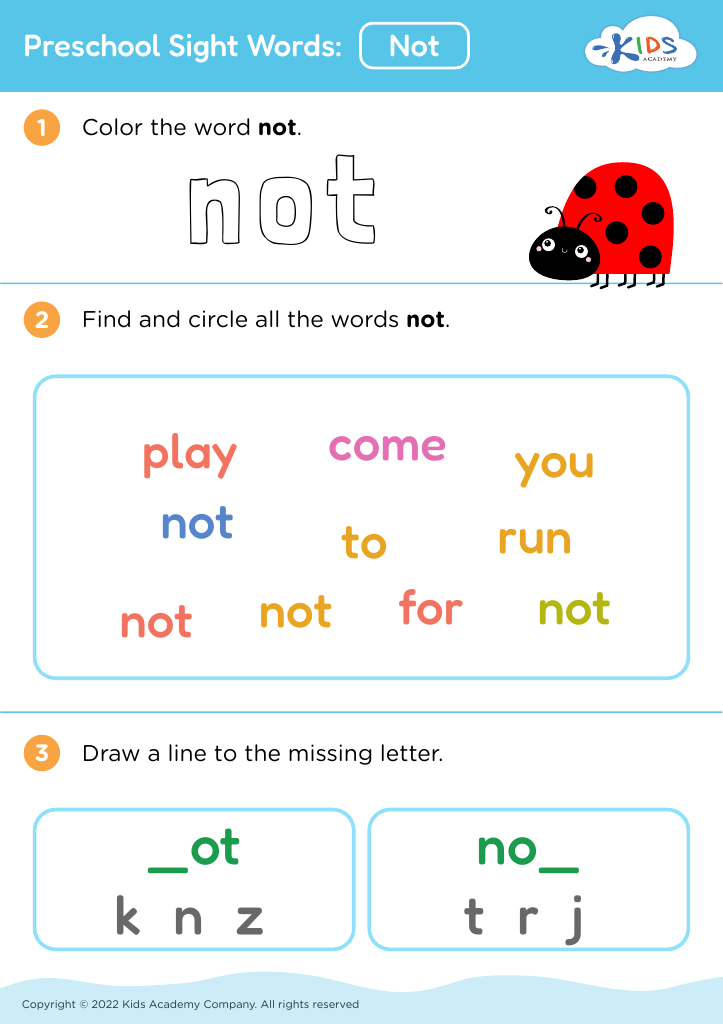
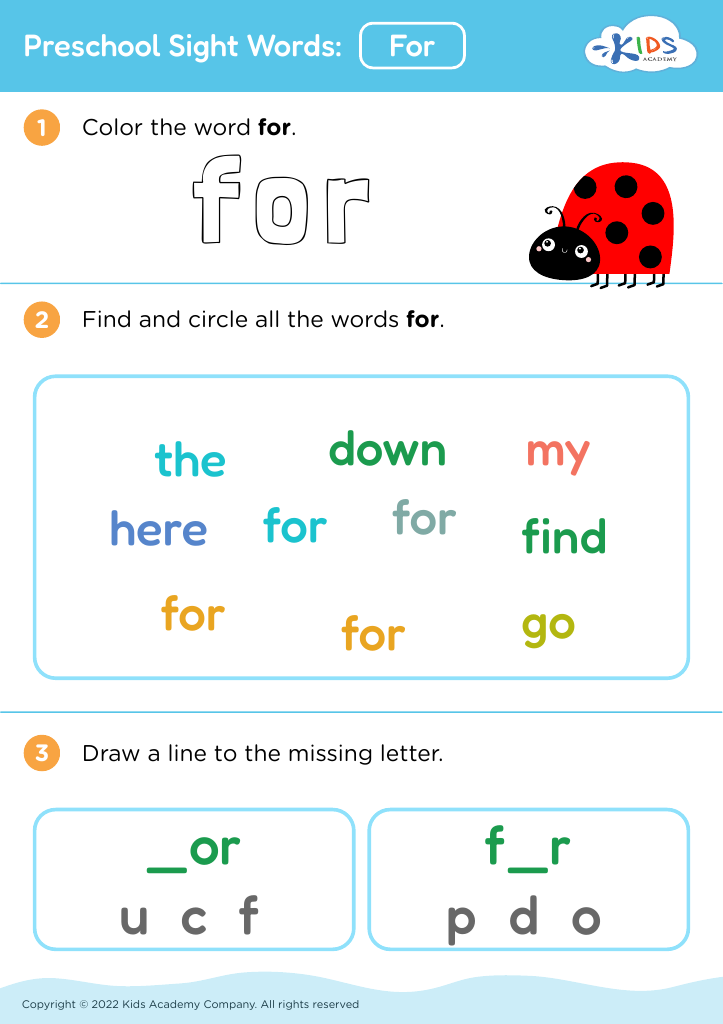
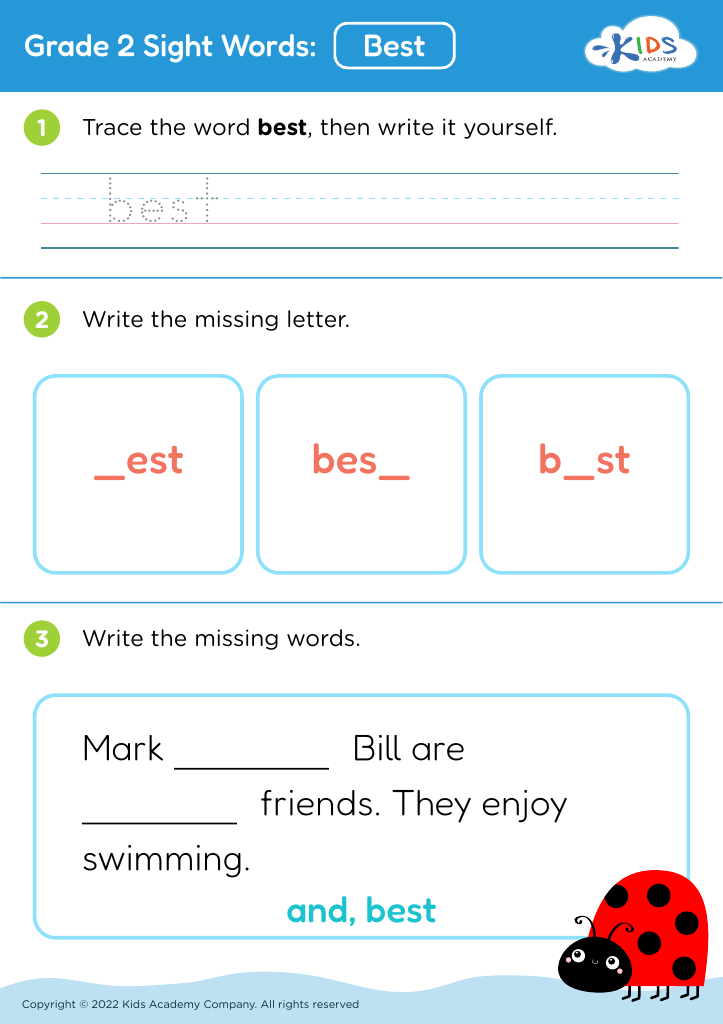
Discover our engaging "Counting Objects Building Vocabulary Worksheets" designed for children ages 4 to 7! These worksheets offer a fun and interactive way for young learners to enhance their counting skills while expanding their vocabulary. Each activity invites kids to count various objects, reinforcing numerical concepts alongside word recognition. With vibrant illustrations and approachable tasks, young learners stay motivated and excited about their education. Perfect for early grade teachers and parents, these worksheets effectively blend math and language development, setting a strong foundation for future learning. Explore our collection today to nurture your child's growth in both counting and vocabulary!
Favorites
With answer key
Interactive











Learning Skills
Join Kids Academy for Free
Who is primarily going to use this learning content?








Caring about counting objects and building vocabulary for children aged 4-7 is crucial for their cognitive and linguistic development. During these formative years, children are not just learning to recognize numbers and words; they are laying the foundation for critical thinking, problem-solving, and communication skills.
Counting objects enhances children's mathematical understanding. It helps them grasp foundational concepts like quantities, comparisons, and even basic operations as they progress. Engaging in counting activities, such as counting toys, snacks, or steps, cultivates a sense of number awareness in daily life.
Simultaneously, building vocabulary is essential for fostering effective communication. A rich vocabulary enhances a child's ability to express ideas, understand stories, and engage in meaningful conversations. Activities such as reading, storytelling, and interactive play not only introduce new words but also encourage children to use them in various contexts, reinforcing their learning and comprehension.
Furthermore, language and math skills are intertwined. For instance, understanding spatial terms through counting (e.g., “more,” “less,” or “tall”) reinforces both fields. Parents and teachers investing time in these activities equip children with essential skills, paving the way for academic success and building confidence for lifelong learning.








