Enhancing vocabulary Building Vocabulary Worksheets for Ages 4-7
5 filtered results
-
From - To
Enhancing Vocabulary: Building Vocabulary Worksheets for Ages 4-7 offers an array of engaging and interactive activities designed to expand your child’s word knowledge. Carefully crafted for early learners, these worksheets blend fun with education by using pictures and simple word associations to make vocabulary building enjoyable for kids. Tailored to foster reading skills and boost comprehension, they support children in identifying and using new words confidently. Ideal for home or classroom use, these printable resources encourage a love for language and set a strong foundation for future learning endeavors. Unlock your child’s potential with our expert-designed vocabulary-building tools.
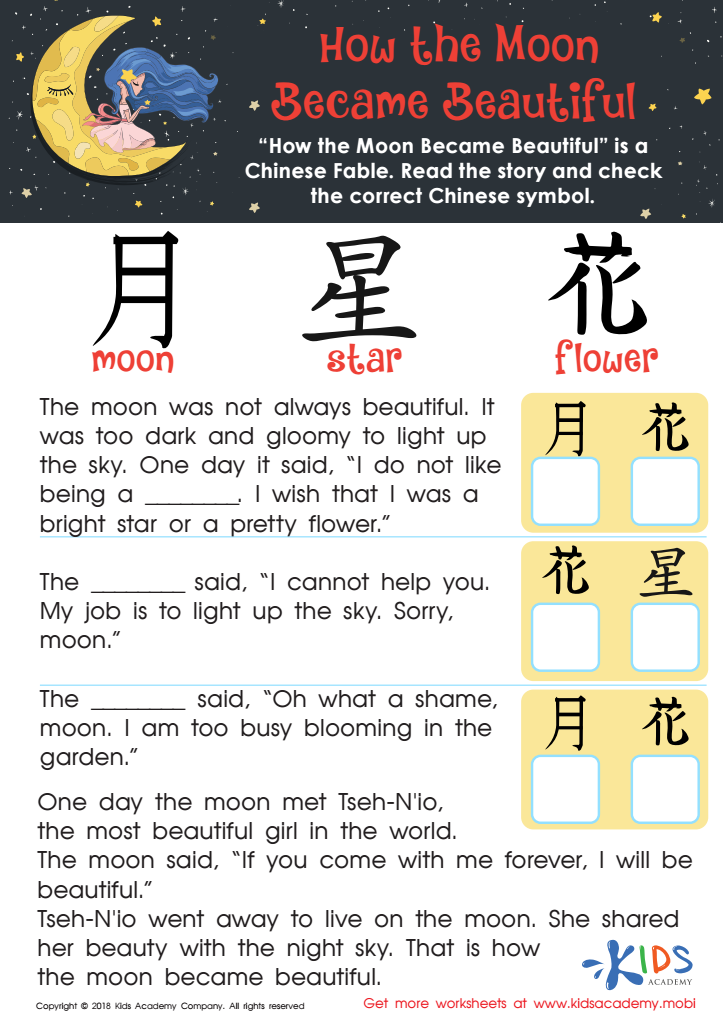
How the Moon Became Beautiful Worksheet
 Assign to My Students











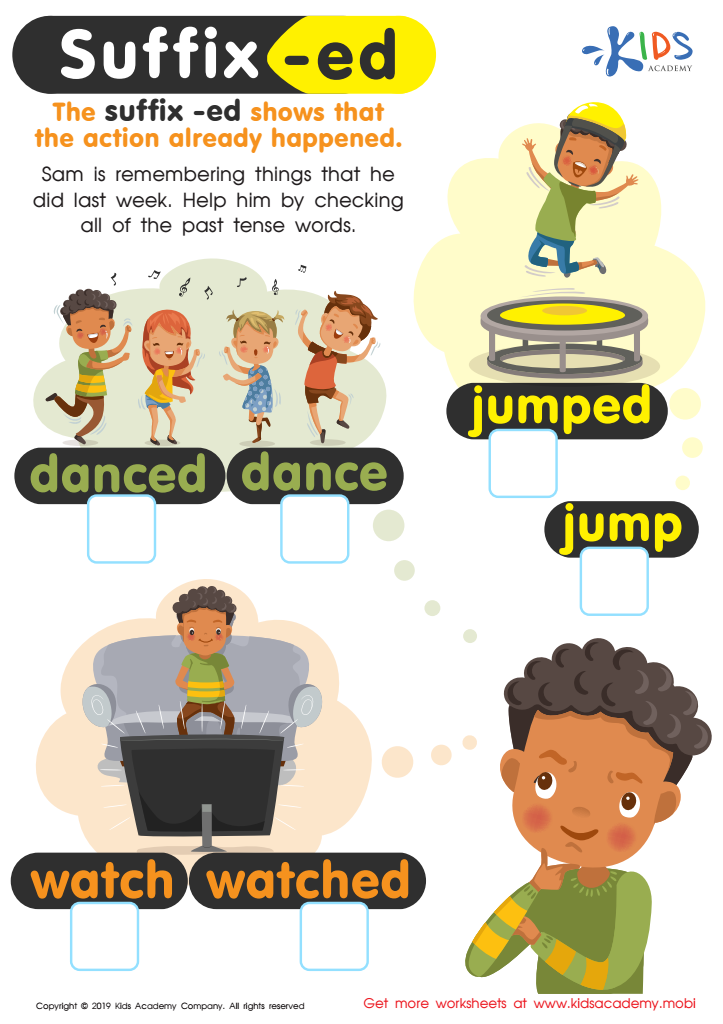
Suffix-ed Worksheet
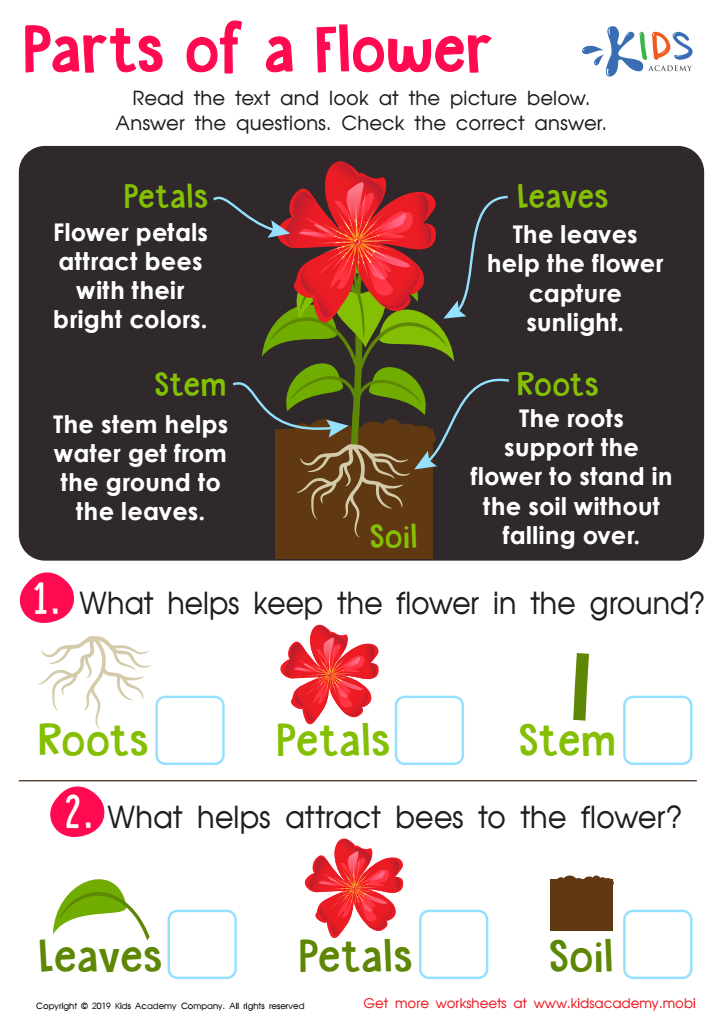
Parts of Flower Worksheet
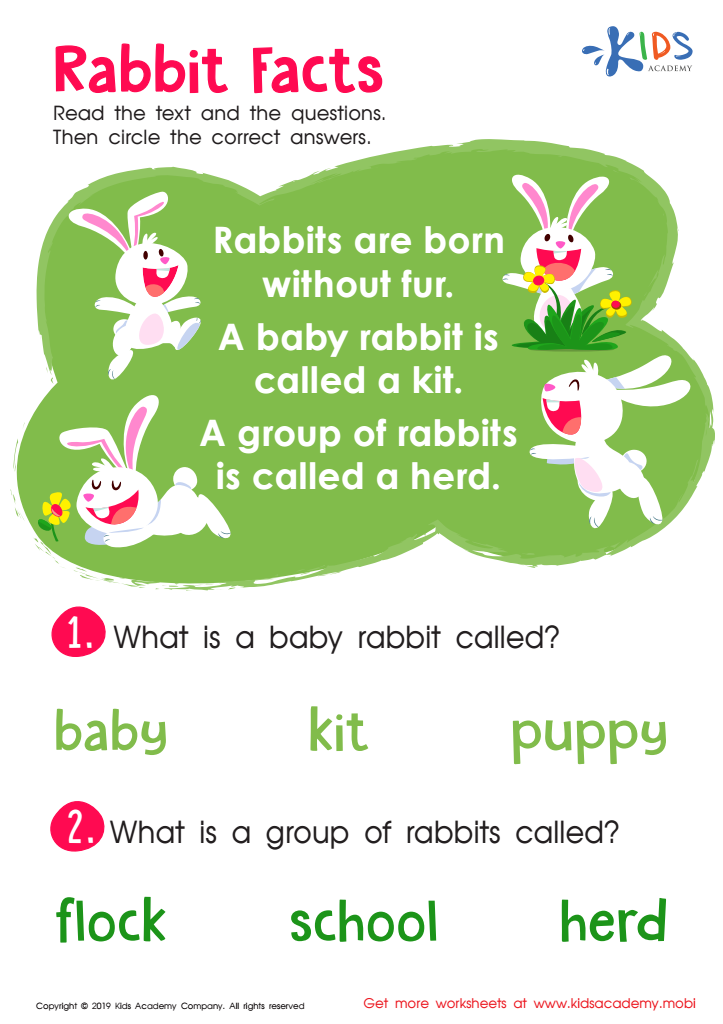
Rabbit Facts Worksheet
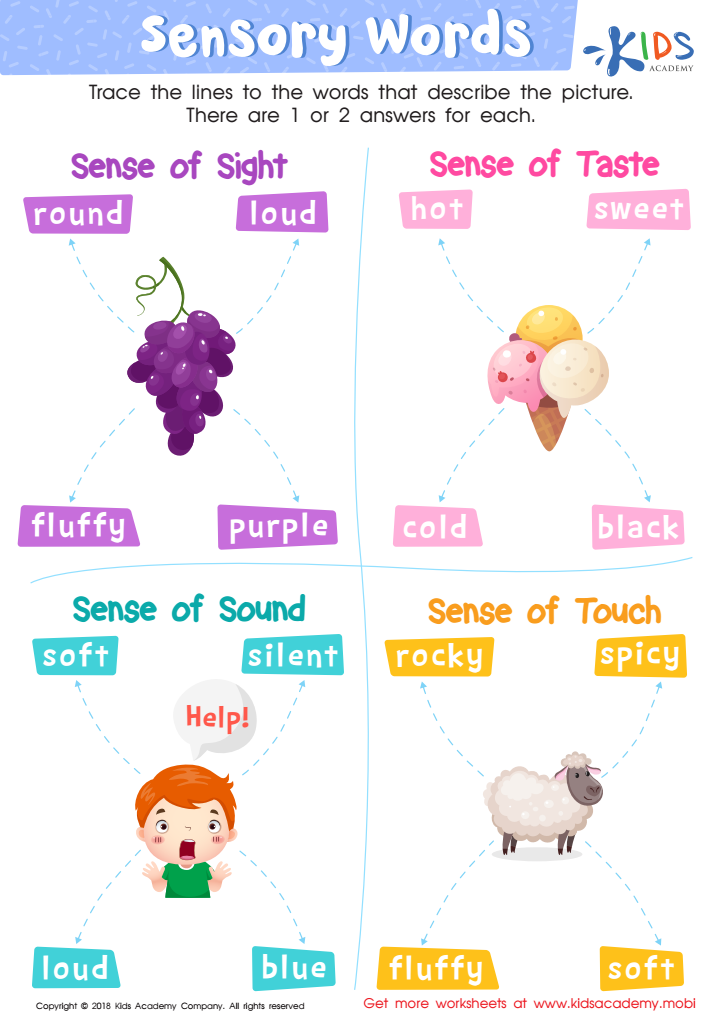
Sensory Words Worksheet




.jpg)


Enhancing vocabulary for children aged 4-7 is foundational to their overall development, and both parents and teachers play crucial roles in this process. At this age, children's brains are particularly receptive to language acquisition. A robust vocabulary is essential for several reasons: it significantly enhances reading comprehension, spelling, and writing skills, which are crucial for academic success. Moreover, a rich vocabulary improves the ability to express feelings, thoughts, and ideas clearly, fostering better communication and social skills.
Early vocabulary building also correlates with better listening and understanding skills, aiding children in following instructions and engaging more meaningfully in classroom activities. By embedding a habit of learning and curiosity, it also sets the stage for lifelong learning and cognitive development. Common activities like reading together, playing word games, and engaging in thoughtful conversation can substantially expand a child’s vocabulary.
Additionally, early exposure to a wide range of words can buffer numerous developmental disadvantages by building foundational knowledge useful across subjects. Given these facts, investing time and energy into vocabulary building for young children enhances not just their immediate linguistic capabilities but contributes significantly to their long-term educational and interpersonal success.








