Improve vocabulary Building Vocabulary Worksheets for Ages 4-7
3 filtered results
-
From - To
Boost your child's language skills with our "Improve Vocabulary Building Worksheets" designed specifically for ages 4-7. These engaging and interactive resources help young learners expand their word bank through fun activities and exercises. Each worksheet focuses on critical vocabulary development, introducing new words with context, illustrations, and easy-to-follow instructions. By practicing with these thoughtfully crafted worksheets, children will enhance their comprehension and expressive skills while fostering a love for learning. Ideal for parents and educators alike, our vocabulary-building worksheets make learning enjoyable and effective, setting the foundation for literacy success. Start enriching your child's language journey today!
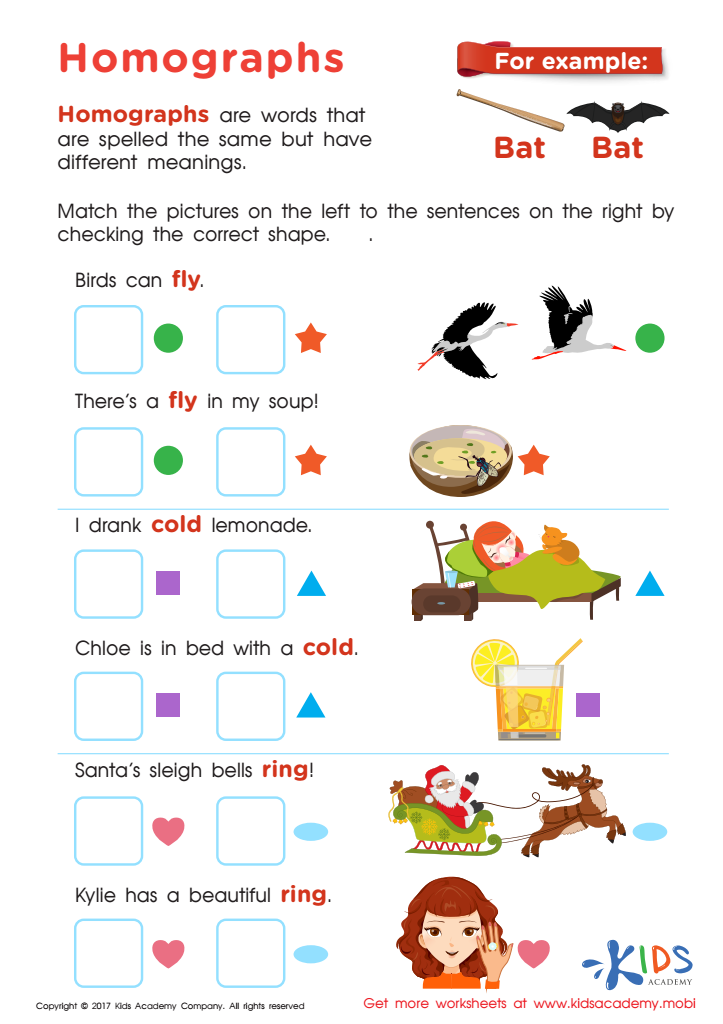
Homographs Free Printable Worksheet
 Assign to My Students











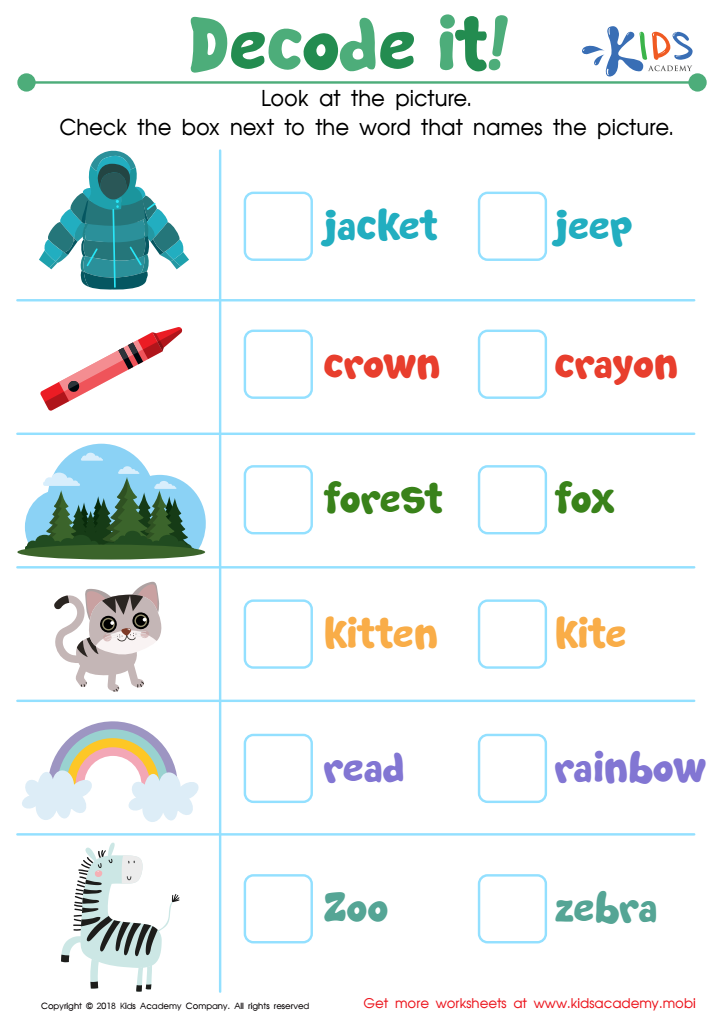
Reading: Decode It Worksheet
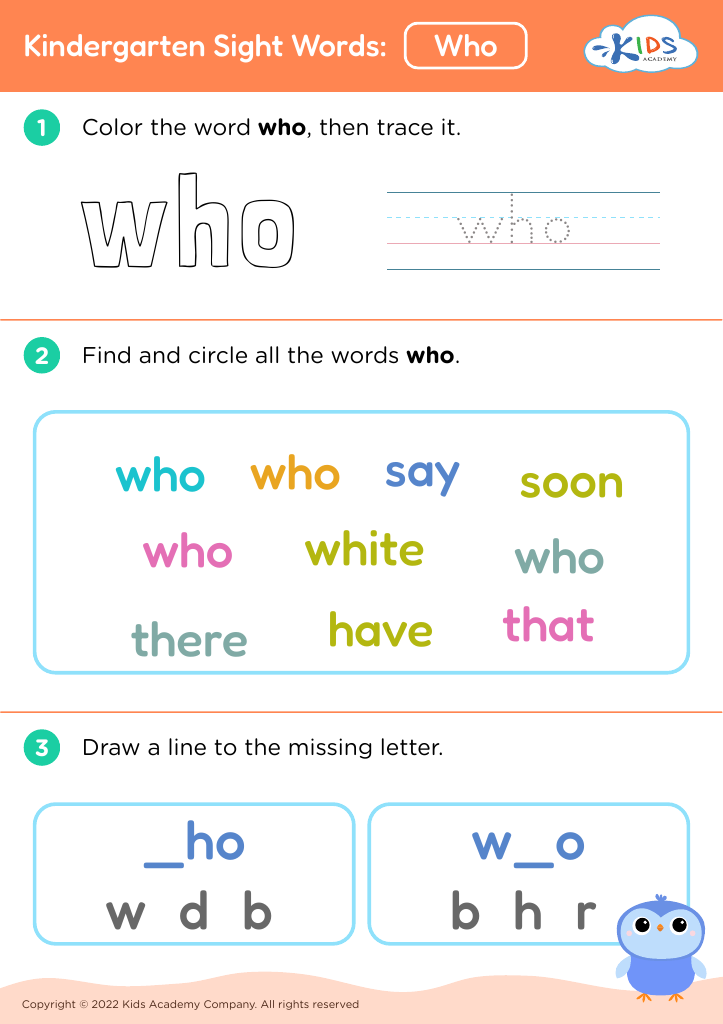








Building vocabulary for children aged 4-7 is crucial for their overall development, yet it's often overlooked. At this stage, children are rapidly acquiring language skills that form the foundation for effective communication, comprehension, and academic success. A rich vocabulary enhances their ability to express thoughts, which fosters confidence and social skills.
Understanding a diverse range of words is linked to improved reading comprehension and critical thinking abilities. Children with strong vocabularies tend to perform better academically, as they grasp concepts and instructions more easily. Furthermore, exposure to new words fosters curiosity and a love for learning, encouraging them to explore the world around them.
For parents and teachers, engaging in activities that promote vocabulary development—such as reading together, discussing new words, and incorporating word games—can create a stimulating learning environment. These practices not only enrich children’s current knowledge but also prepare them for future challenges, both in school and in life.
Investing time and effort in vocabulary building is an investment in a child's academic trajectory and personal growth, making it essential for both parents and educators to prioritize this aspect of their development.








