Improving reading skills Building Vocabulary Worksheets for Ages 4-7
4 filtered results
-
From - To
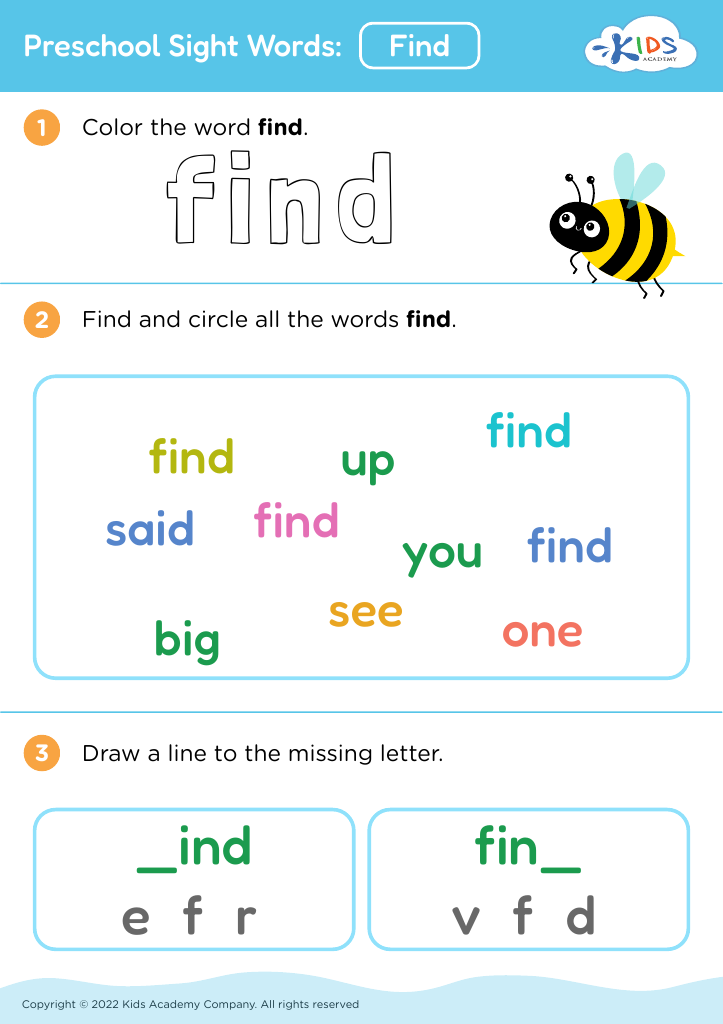
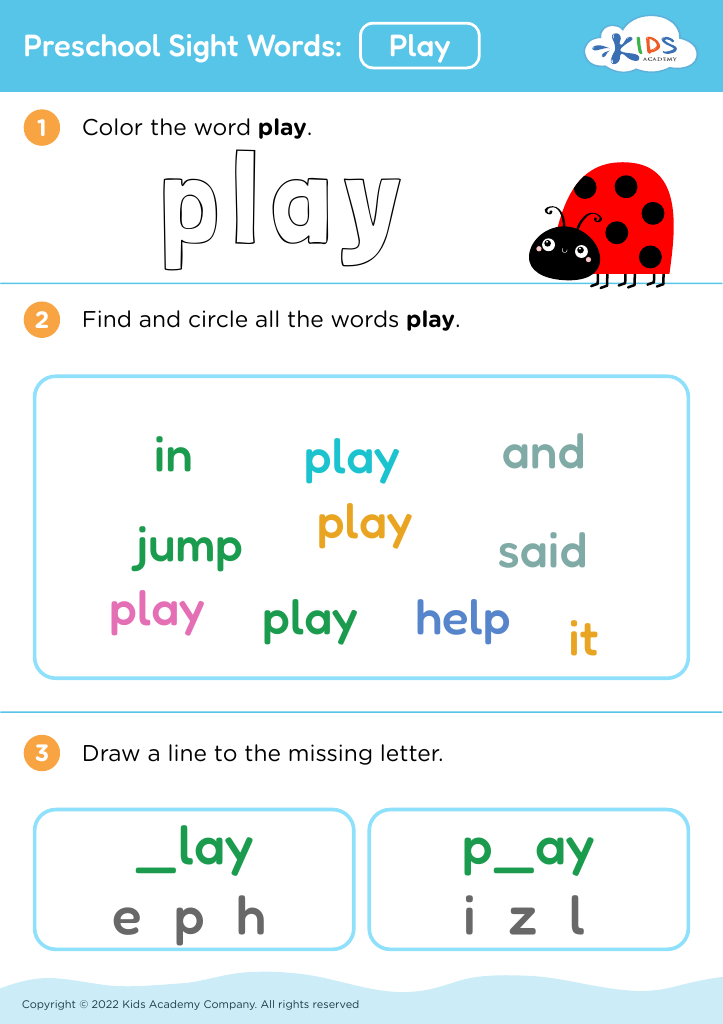
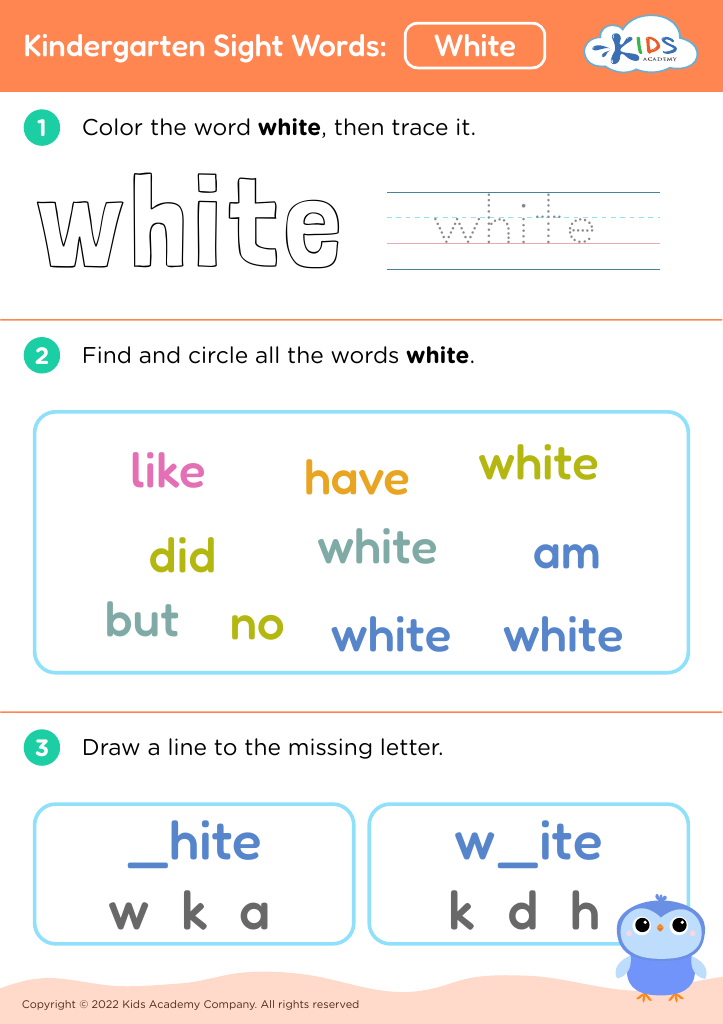
Enhance your child's reading proficiency with our "Improving Reading Skills: Building Vocabulary" worksheets tailored for ages 4 to 7. These engaging activities are designed to boost your young learner's vocabulary and comprehension abilities. Each worksheet focuses on essential reading skills, incorporating visual aids and interactive exercises to make learning enjoyable. Your child will explore word meanings, synonyms, antonyms, and contextual clues in a fun and supportive environment. Perfect for classrooms or home, our worksheets help spark a love for reading while laying a strong foundation for future literacy success. Start your child on the path to becoming a confident reader today!
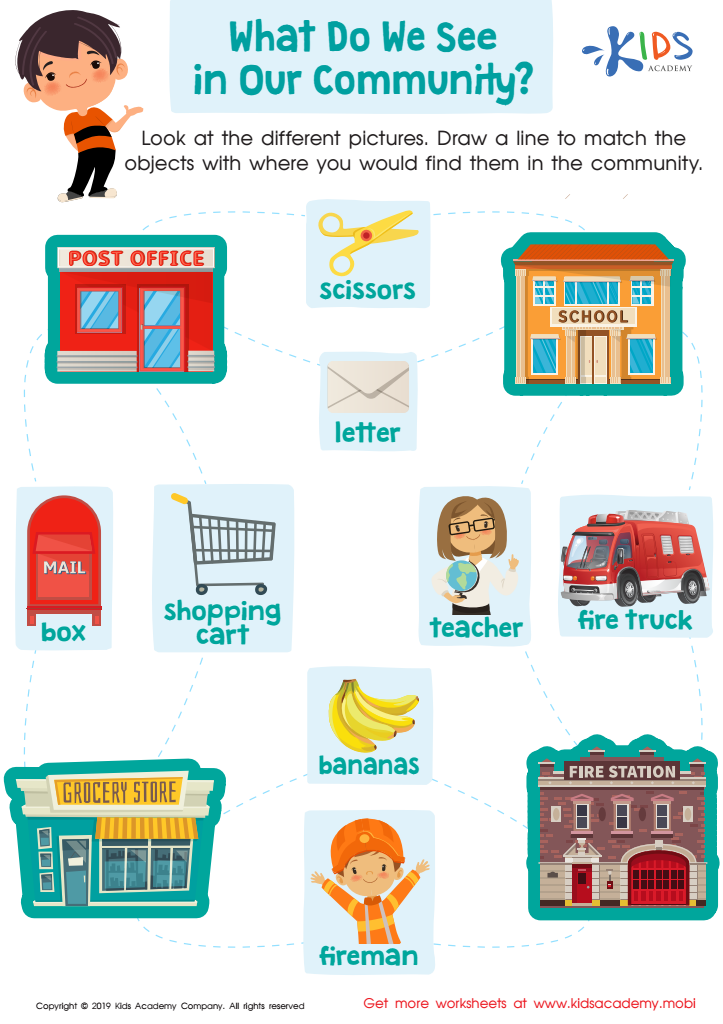
What Do We See in our Community? Worksheet
 Assign to My Students

















.jpg)

Improving reading skills and building vocabulary for children aged 4-7 is vital for their overall development. During these early years, children undergo significant brain development, making it an opportune time to cultivate foundational literacy skills. Strong reading abilities are linked to improved academic performance and a lifelong love for learning, which can influence future educational achievements and career opportunities.
Building vocabulary is equally essential, as a rich vocabulary enhances comprehension and expression. Children with well-developed vocabularies are better able to understand the world around them and articulate their thoughts and feelings, fostering effective communication skills. When parents and teachers prioritize reading and vocabulary during this crucial period, they not only help children succeed in school but also contribute to their social and emotional growth.
Moreover, shared reading experiences can strengthen parent-child relationships and encourage positive attitudes toward learning. Engaging with books—discussing new words and concepts—creates a nurturing environment that stimulates curiosity and an eagerness to explore new information. Ultimately, investing time and resources in reading and vocabulary development for young children equips them with essential tools for future success, establishing a solid foundation for lifelong learning and personal growth.








