Problem-Solving Skills Building Vocabulary Worksheets for Ages 4-7 - Page 2
30 filtered results
-
From - To











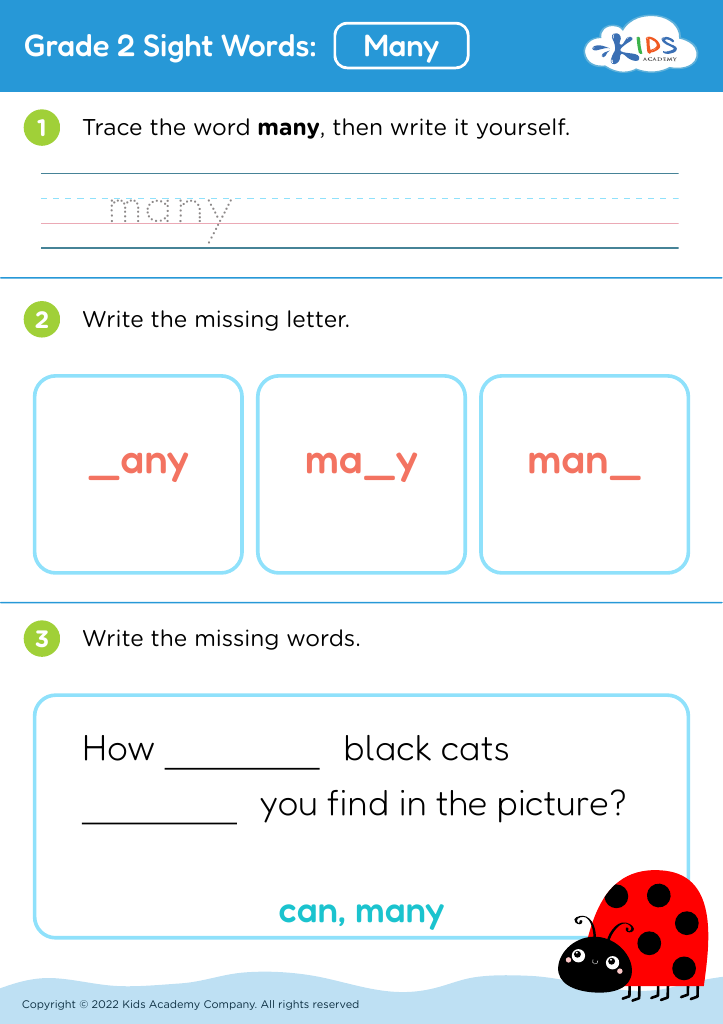
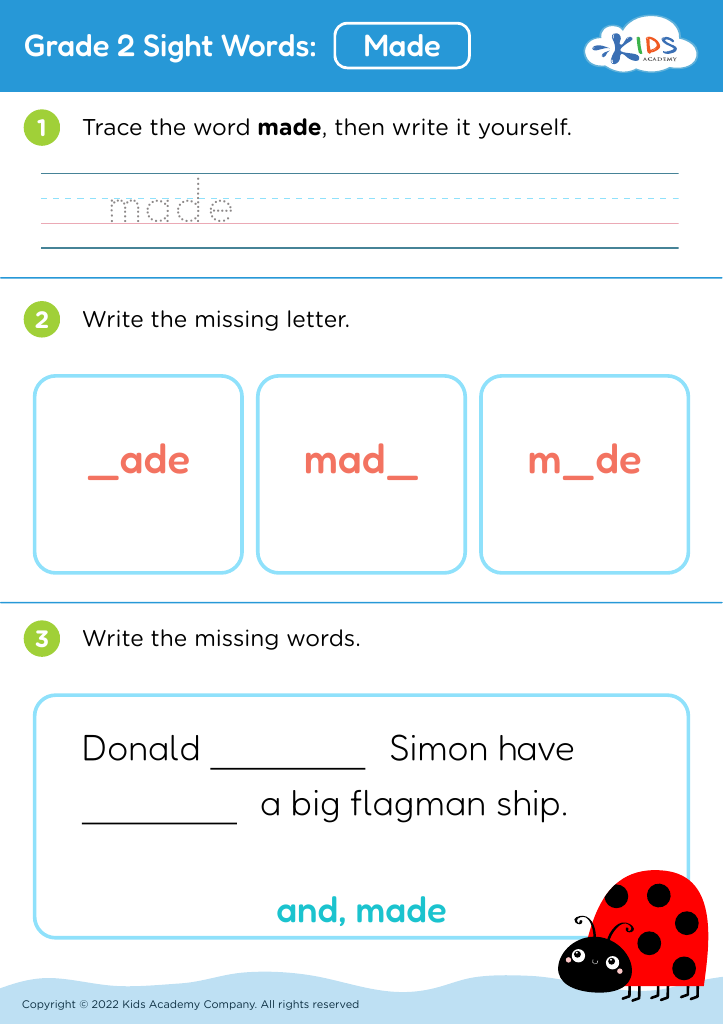


.jpg)





Problem-solving skills are crucial for children aged 4-7, as they form the foundation for critical thinking and decision-making. During these early years, children are naturally curious and eager to explore their surroundings. When parents and teachers prioritize building vocabulary within the context of problem-solving, they empower children to articulate challenges and devise solutions more effectively. A rich vocabulary enhances a child's ability to communicate their thoughts, helping them ask questions, seek assistance, and engage in discussions about various problems.
Moreover, problem-solving involves analyzing, strategizing, and predicting outcomes—skills that require a robust vocabulary to navigate complex concepts. By encouraging children to use descriptive words and phrases, caregivers can enhance their comprehension and confidence in tackling obstacles. Activities like storytelling, debates, or hands-on projects can be integrated into learning to expand vocabulary while promoting problem-solving.
Additionally, children encounter numerous social scenarios during this stage that require negotiation and cooperation. A solid vocabulary equips them with the tools to express their feelings, understand others, and resolve conflicts amicably. Ultimately, investing in problem-solving skills and vocabulary building fosters resilience and adaptability, essential traits that will serve children well throughout their lives.








