Understanding bar graphs Building Vocabulary Worksheets for Ages 4-7
3 filtered results
-
From - To
Unlock the world of bar graphs for young learners with our "Understanding Bar Graphs Building Vocabulary" worksheets, designed for ages 4-7. These engaging activities help kids grasp basic data representation through fun, age-appropriate exercises that enhance vocabulary and analytical skills. Each worksheet introduces key terms and concepts, aiding children to interpret and create simple bar graphs. With vibrant illustrations and easy-to-follow instructions, our worksheets not only educate but also inspire curiosity and confidence in young minds. Perfect for beginners, these printable resources are an excellent addition to any early grade learning program. Start this interactive journey in data literacy today!
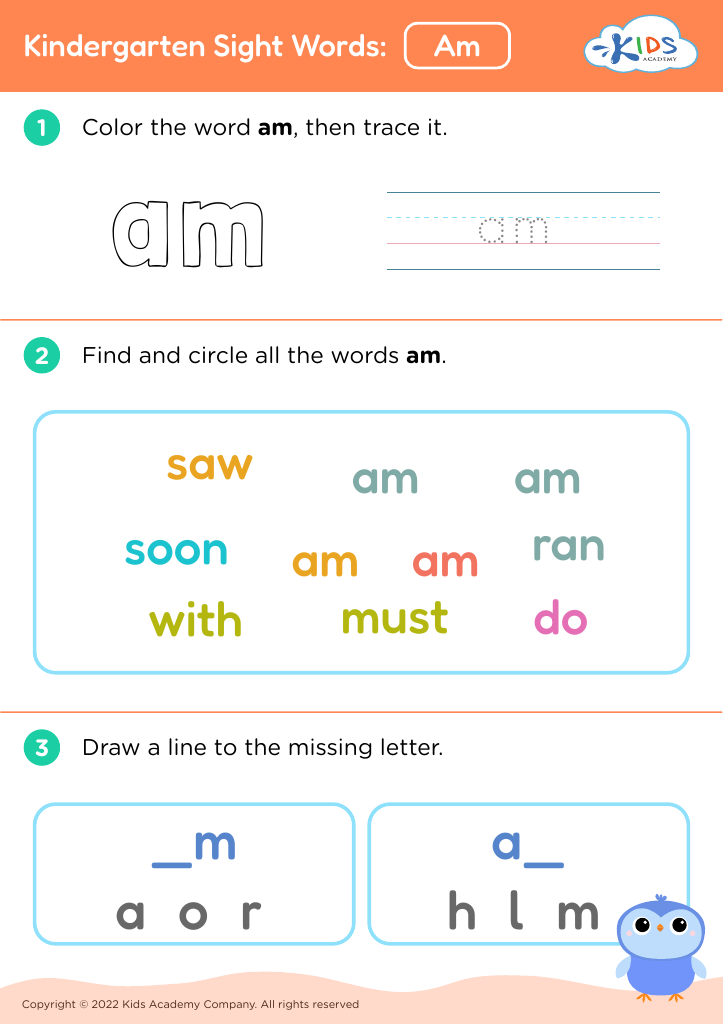











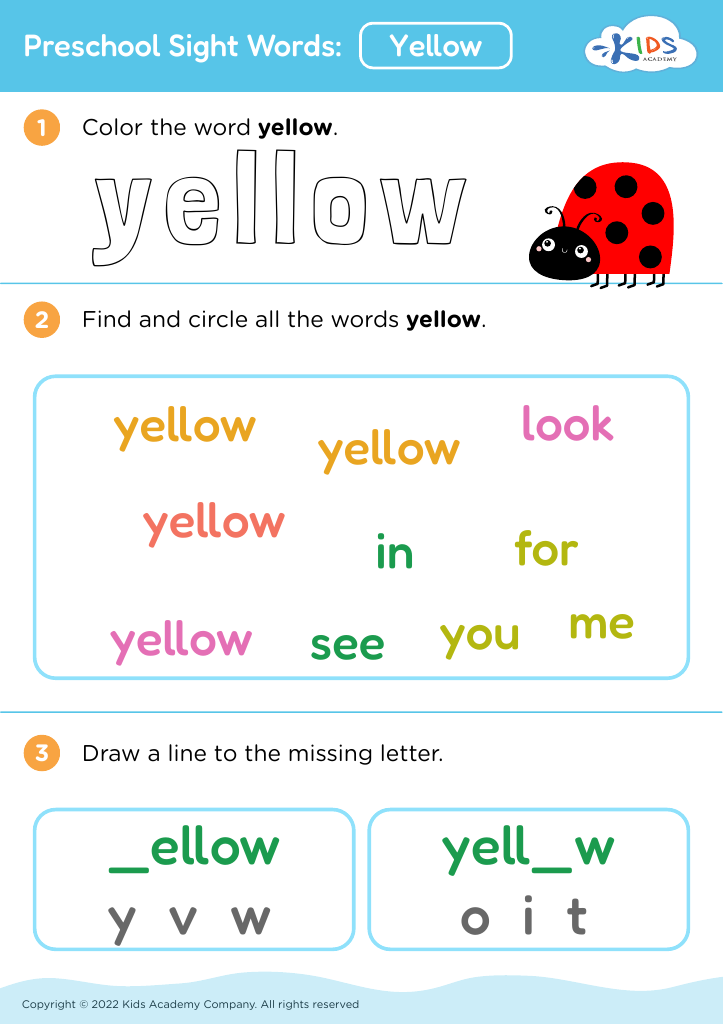
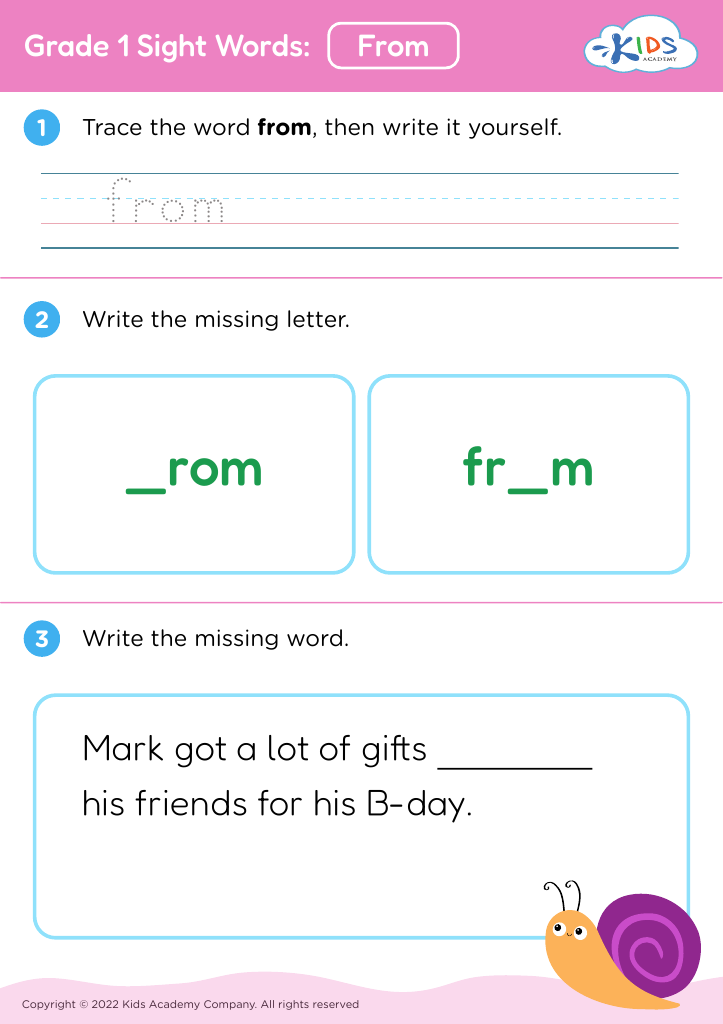






.jpg)

Understanding the importance of bar graphs and building vocabulary in children ages 4-7 is crucial for their early cognitive and academic development. Bar graphs are visual tools that help children comprehend and interpret data. Learning to read and construct bar graphs enhances their ability to recognize patterns, compare quantities, and make predictions—all key components of early math literacy. This foundational skill not only supports their future success in mathematics but also in other subjects like science and social studies where data interpretation is essential.
Building vocabulary at an early age is equally important. A robust vocabulary is directly linked to reading comprehension, communication skills, and overall academic achievement. When children have a broad vocabulary, they can express themselves more effectively, understand instructions better, and engage more deeply with the content they are learning. This linguistic foundation supports their ability to grasp more complex concepts as they progress in school.
Combining these skills, children learn to interpret educational content and articulate their understanding clearly. For instance, when students describe a bar graph using appropriate vocabulary, they are integrating literacy and numeracy skills. Parents and teachers should prioritize these areas to ensure balanced, well-rounded development, setting the stage for future educational success.








