Understanding habitats Building Vocabulary Worksheets for Ages 4-7
3 filtered results
-
From - To
Discover our engaging "Understanding Habitats Vocabulary Worksheets" designed for children aged 4-7. These fun and interactive worksheets help young learners explore various habitats, such as forests, oceans, and deserts, while expanding their vocabulary. Packed with vibrant illustrations and age-appropriate activities, these resources encourage children to connect words with their meanings in the context of wildlife and environments. Perfect for both home and classroom use, our worksheets support reading comprehension and language development through hands-on learning experiences. Foster a love for nature and language with our thoughtfully crafted worksheets that promote curiosity and understanding of the world around them.
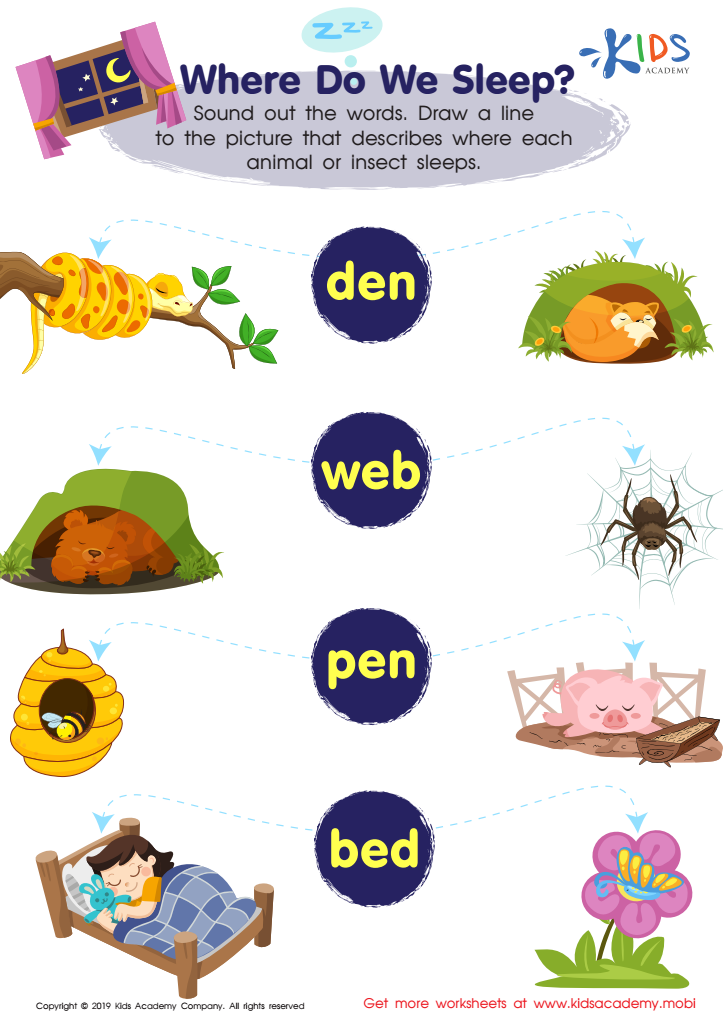
Where Do We Sleep Worksheet
 Assign to My Students











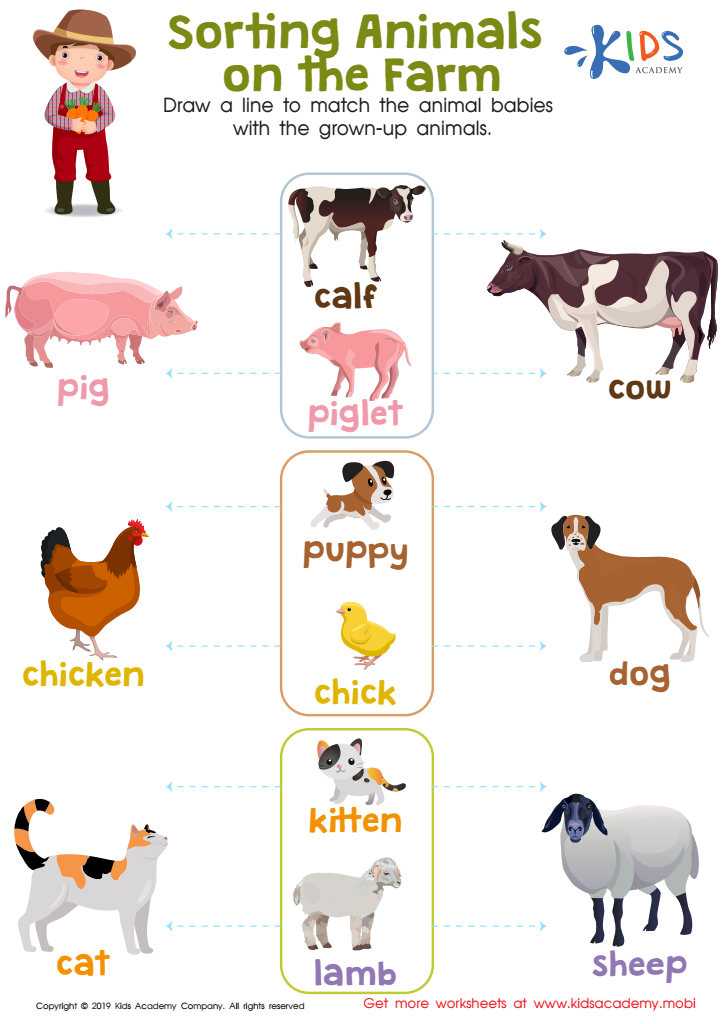
Sorting Animals on the Farm Worksheet
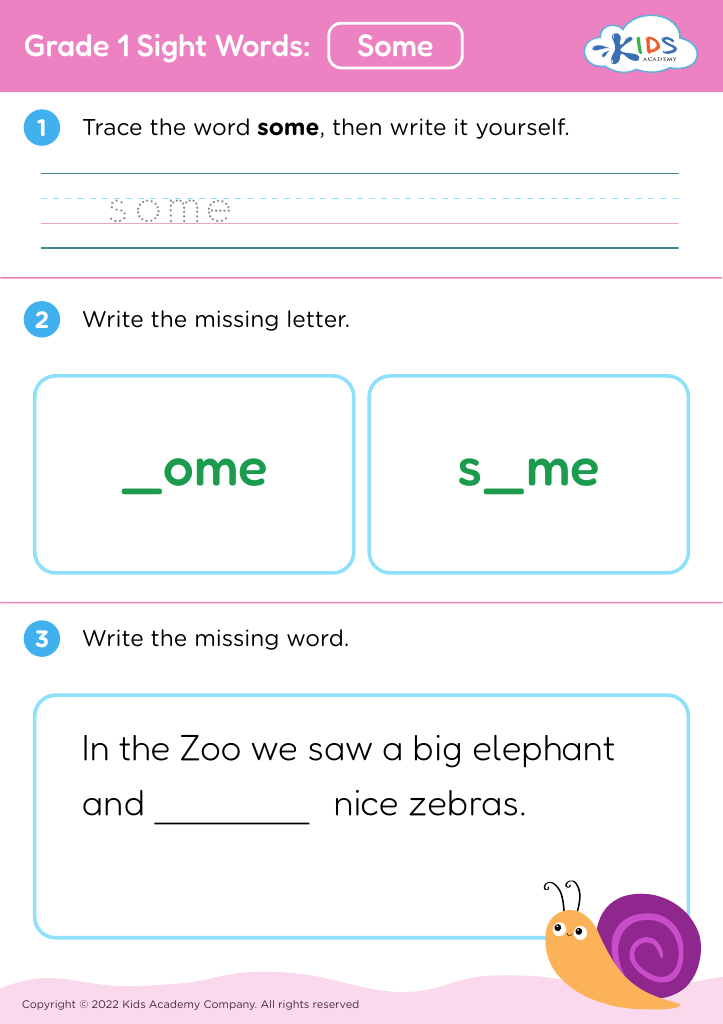




.jpg)



Understanding habitats is essential for children aged 4-7 as it forms the foundation of their environmental literacy, piquing their curiosity about the world. Young children are naturally inquisitive, and exploring different habitats—such as forests, wetlands, and deserts—disables them to understand the diversity of life and the interdependency among living organisms and their environments. This knowledge instills a sense of respect for nature and encourages environmental stewardship from a young age.
Building vocabulary around habitats further enhances comprehension and communication skills, which are crucial for academic success. When children learn words related to animals, plants, and ecosystems, they are better equipped to express their observations and thoughts, fostering critical thinking and creativity. For educators and parents, introducing habitat-related vocabulary can serve as a springboard for engaging discussions, imaginative play, and hands-on activities, enhancing the learning experience.
Moreover, having a strong vocabulary linked to environmental concepts aids in early literacy development, building a bridge to more complex ideas in later education. By emphasizing the importance of habitats and vocabulary development, parents and teachers fulfill their roles in nurturing well-rounded, informed, and engaged individuals ready to tackle the complexities of the world.








