Sequencing Skills Reading Fiction Worksheets for Ages 4-7
5 filtered results
-
From - To
Introducing Sequencing Skills Reading Fiction Worksheets for Ages 4-7! These engaging resources from Kids Academy are expertly designed to help young readers develop essential sequencing and comprehension skills. Through fun, interactive activities, children will learn to identify story order and improve their understanding of narrative structure. Perfect for little learners, each worksheet features captivating tales and colorful illustrations to keep kids motivated and excited about reading. Foster a love of literature while enhancing critical thinking abilities. Ideal for classroom use or home practice, our sequencing worksheets offer a foundation for lifelong reading success. Explore today and watch your child's storytelling skills blossom!
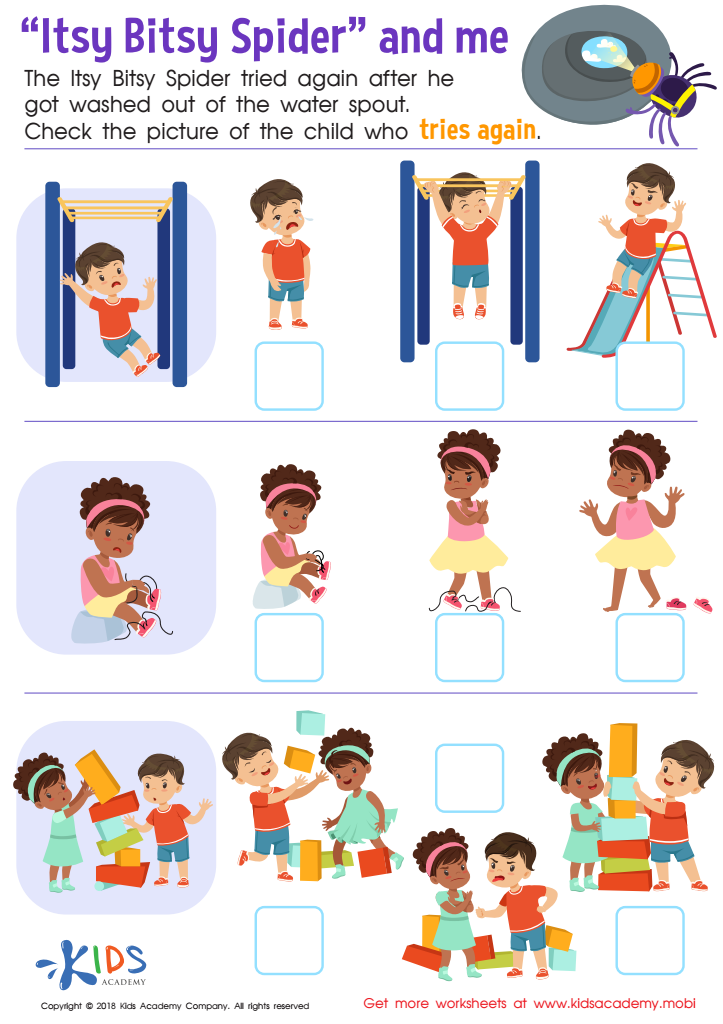
Itsy Bitsy Spider and Me Worksheet
 Assign to My Students
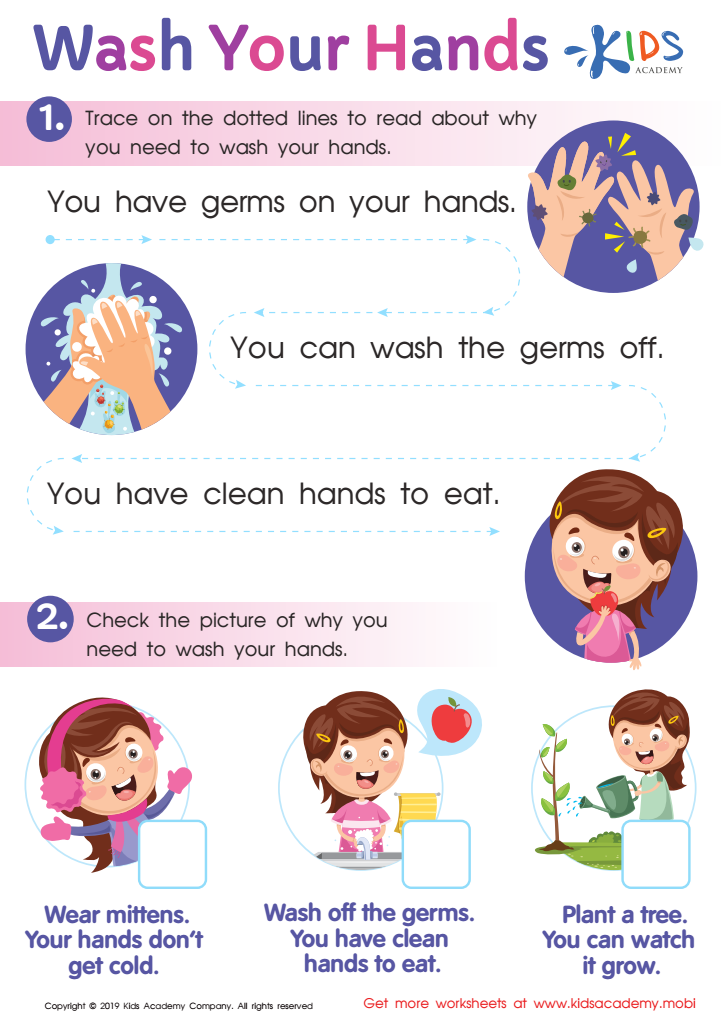
Wash Your Hands Worksheet
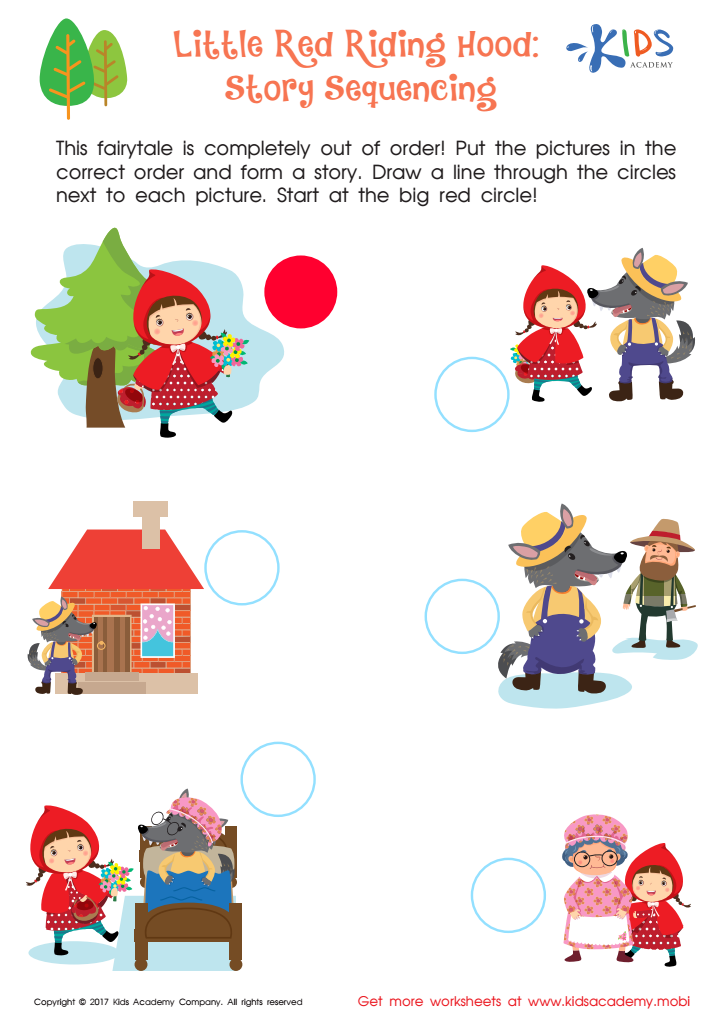
Story Sequencing Printable
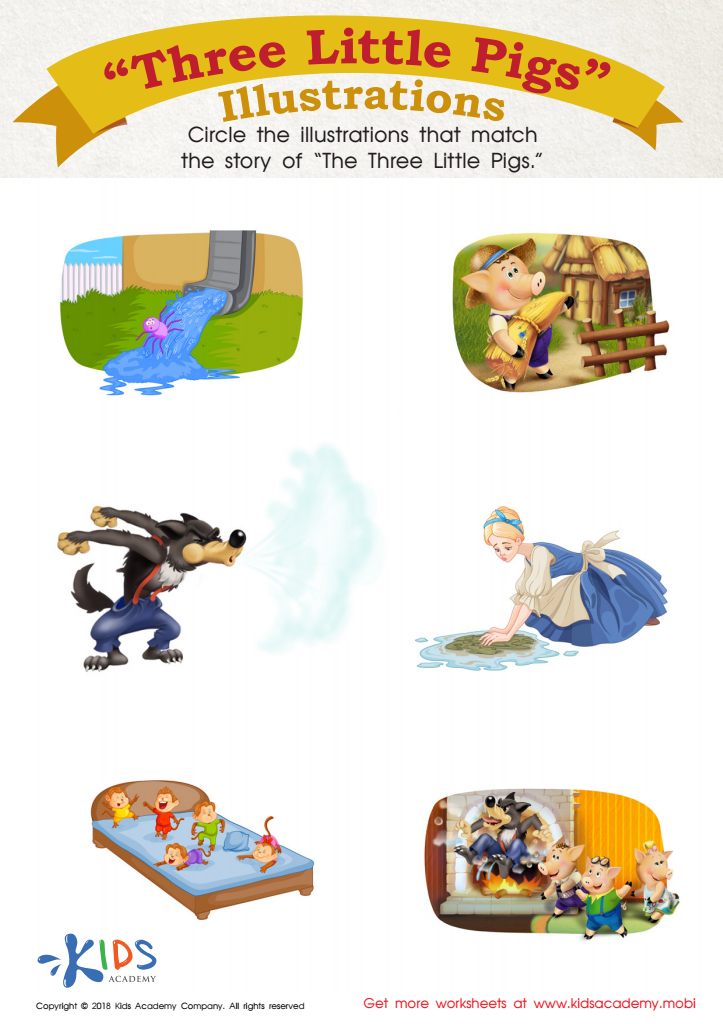
Three Little Pigs: Illustrations Worksheet
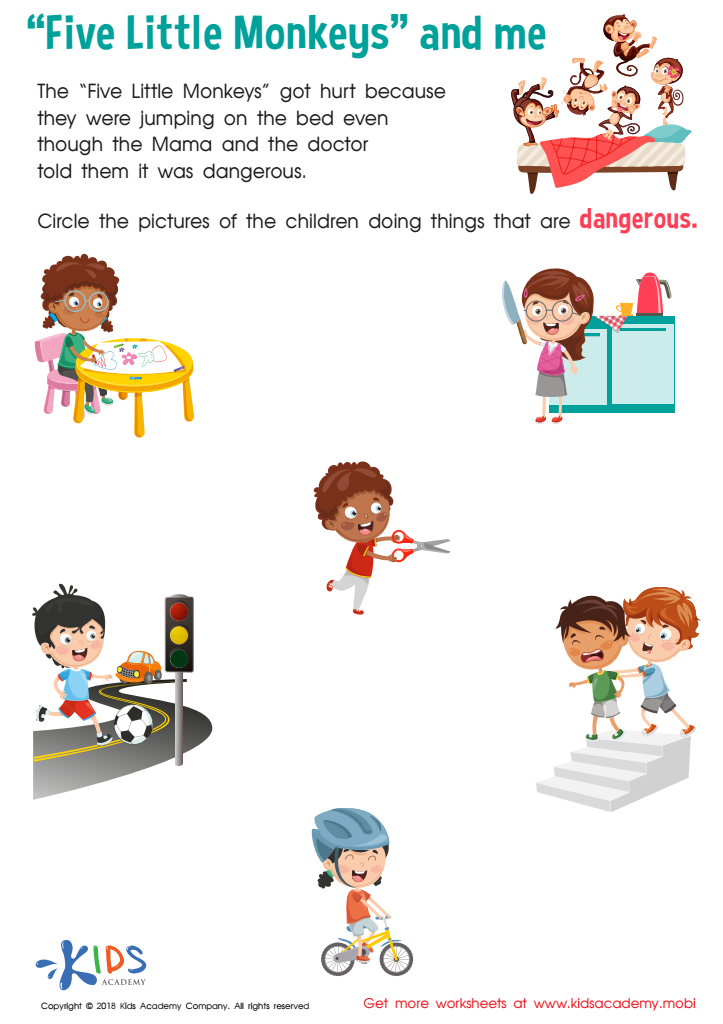
Five Little Monkeys and Me Worksheet


.jpg)





Sequencing skills are fundamental for young learners, especially when reading fiction, as they provide a critical foundation for literacy development. For children ages 4-7, mastering these skills helps in understanding and remembering the structure of stories, which typically follow a beginning, middle, and end. By identifying the correct sequence of events, children enhance their comprehension abilities, making it easier to recall and retell stories accurately.
These skills lay the groundwork for predicting future events within a tale, improving engagement and fostering a deeper love for reading. Additionally, sequencing assists in the development of logical thinking and reasoning, as children learn to differentiate cause and effect relationships within narratives.
Moreover, sequencing plays a crucial role in other academic areas by improving the patterns and order perception necessary for subjects like math and science. Parents and teachers should care about these skills because they not only enrich a child's reading proficiency but also contribute to their overall cognitive development.
By incorporating sequencing exercises into reading activities, caregivers ensure that children build a solid literacy foundation, facilitating the transition to more complex texts and enhancing their lifelong learning journey. Engaging young minds with story sequencing boosts confidence, encourages curiosity, and equips children with the essential tools for academic success.








