Basic Addition Skills Sight Words Worksheets for Ages 4-7
8 filtered results
-
From - To
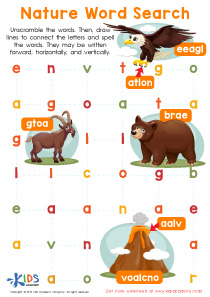
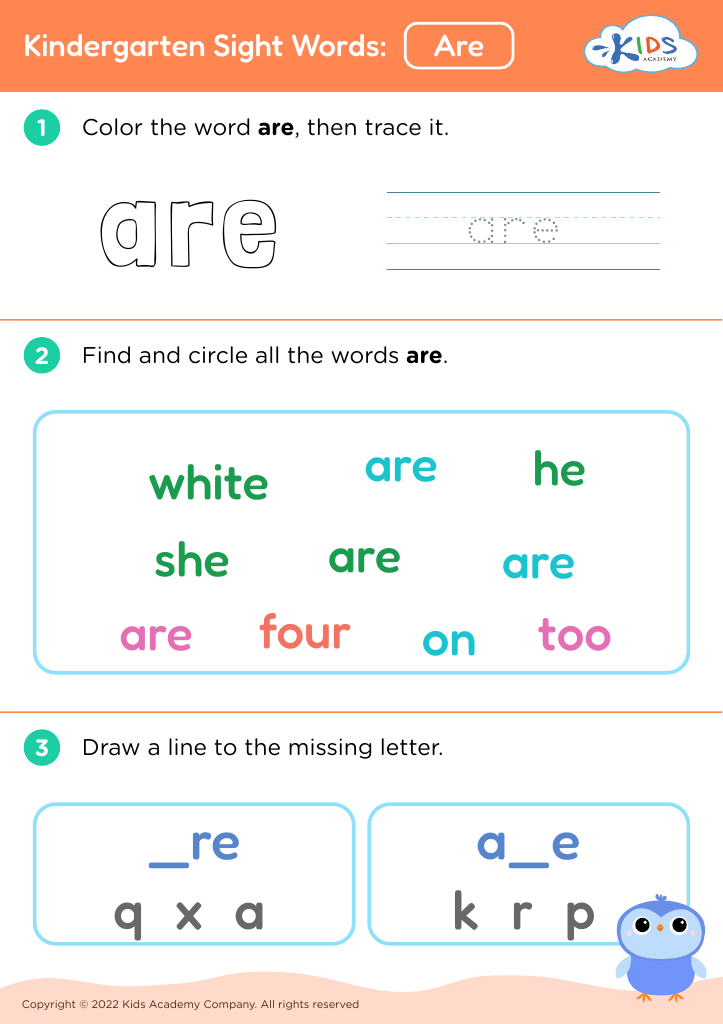
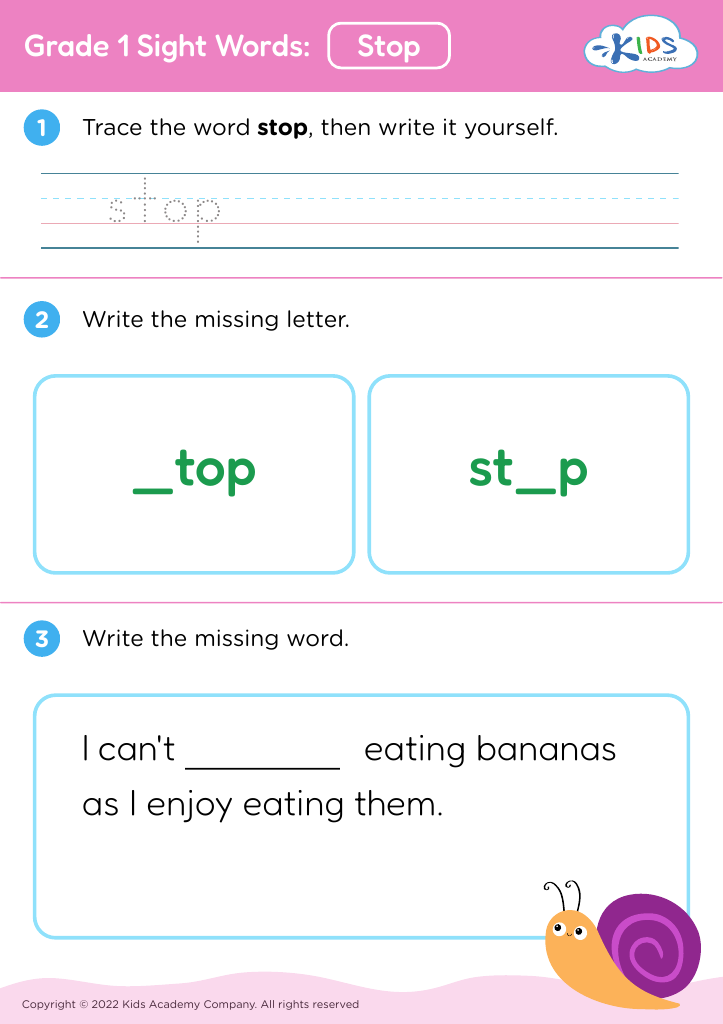
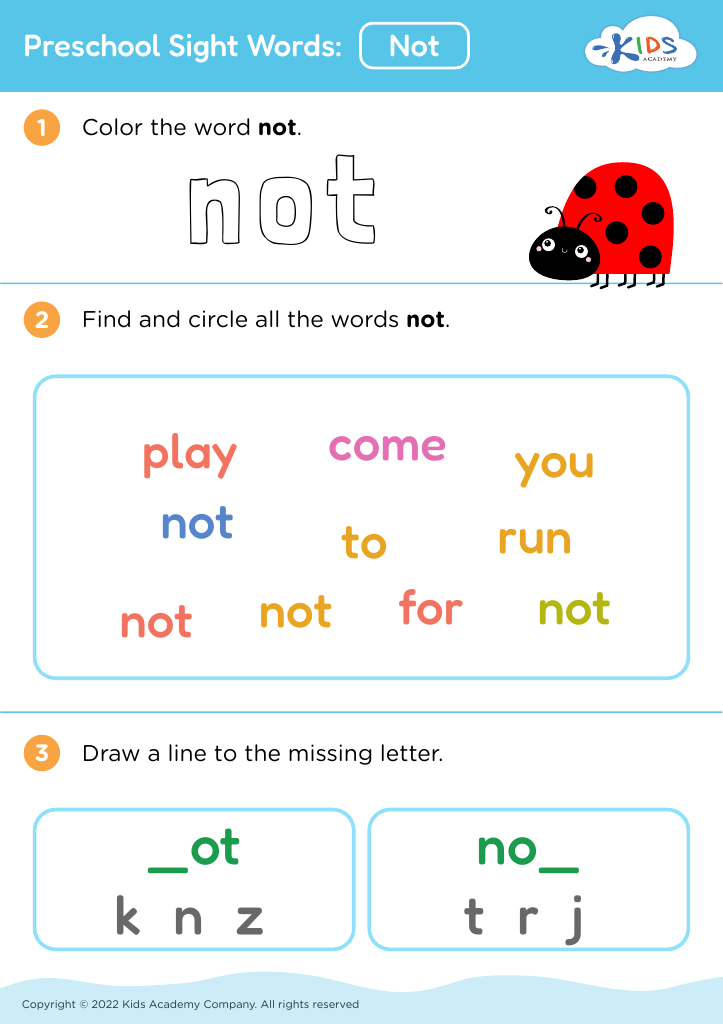
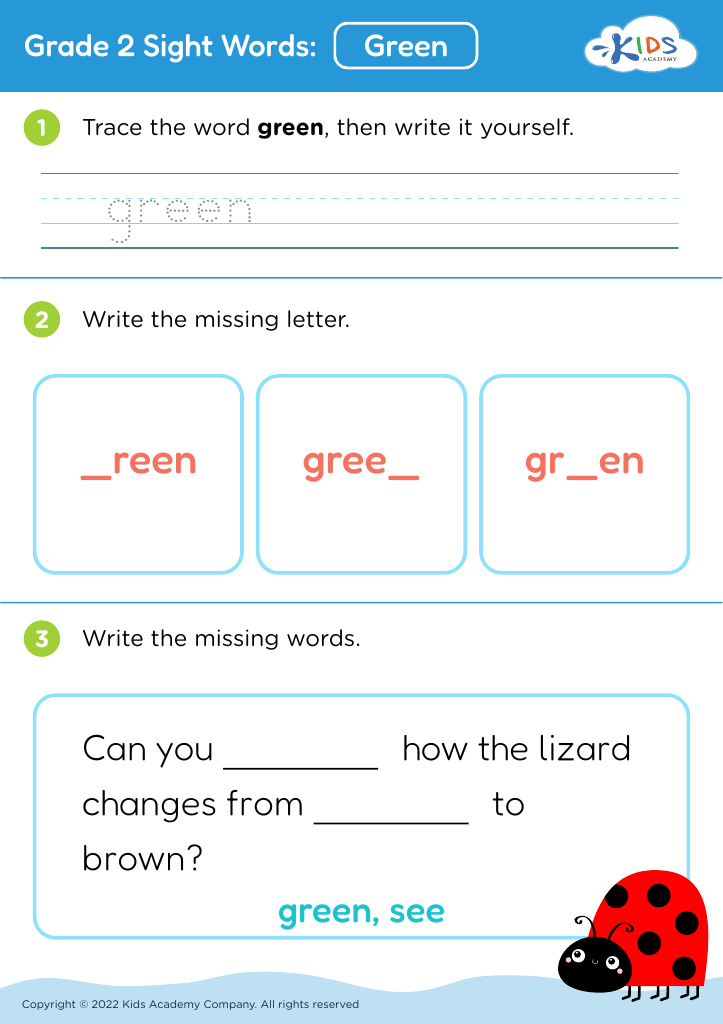
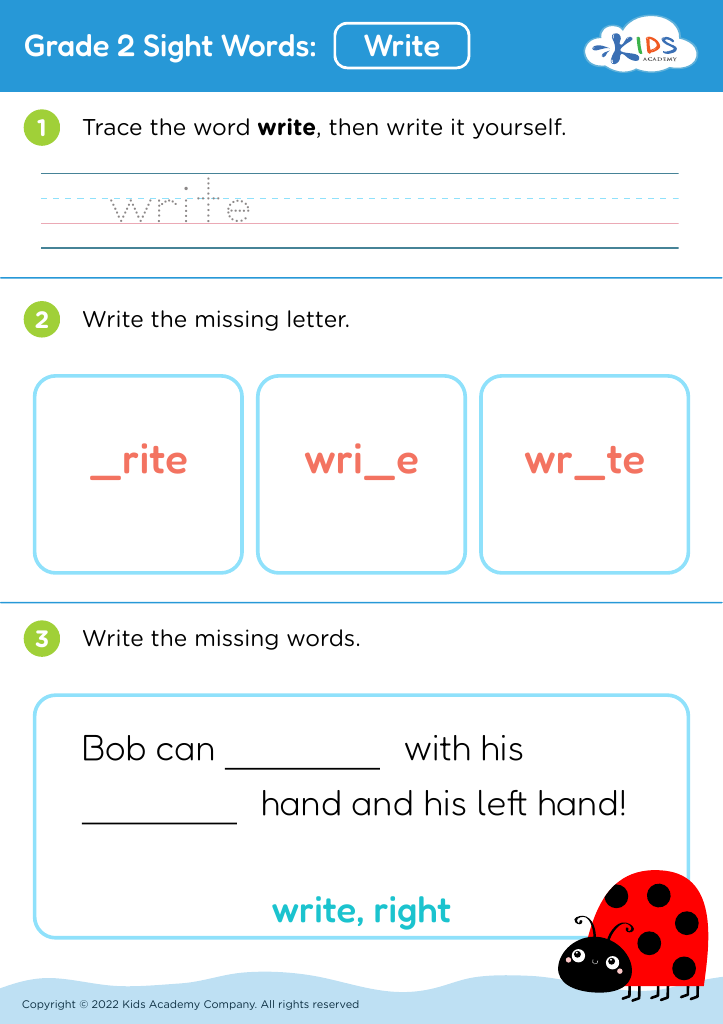
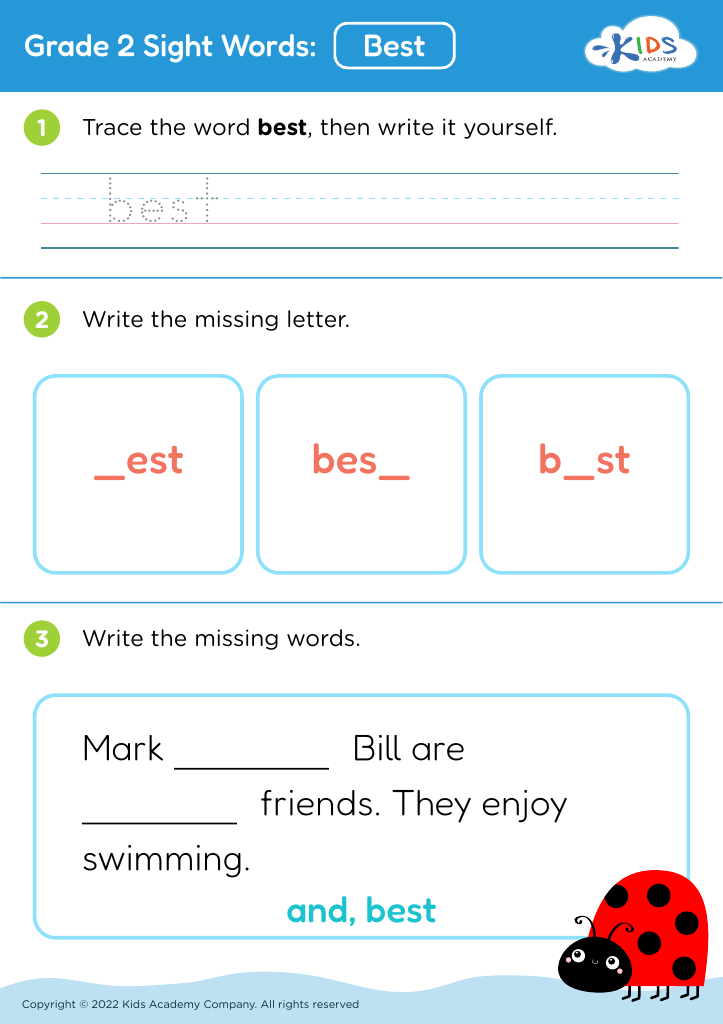
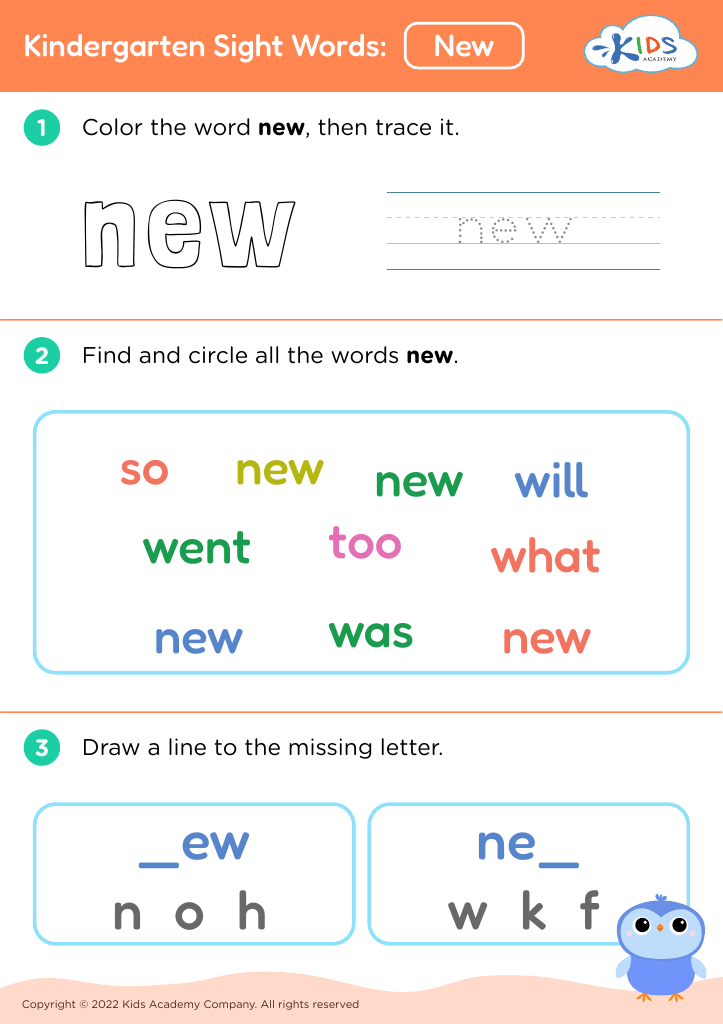
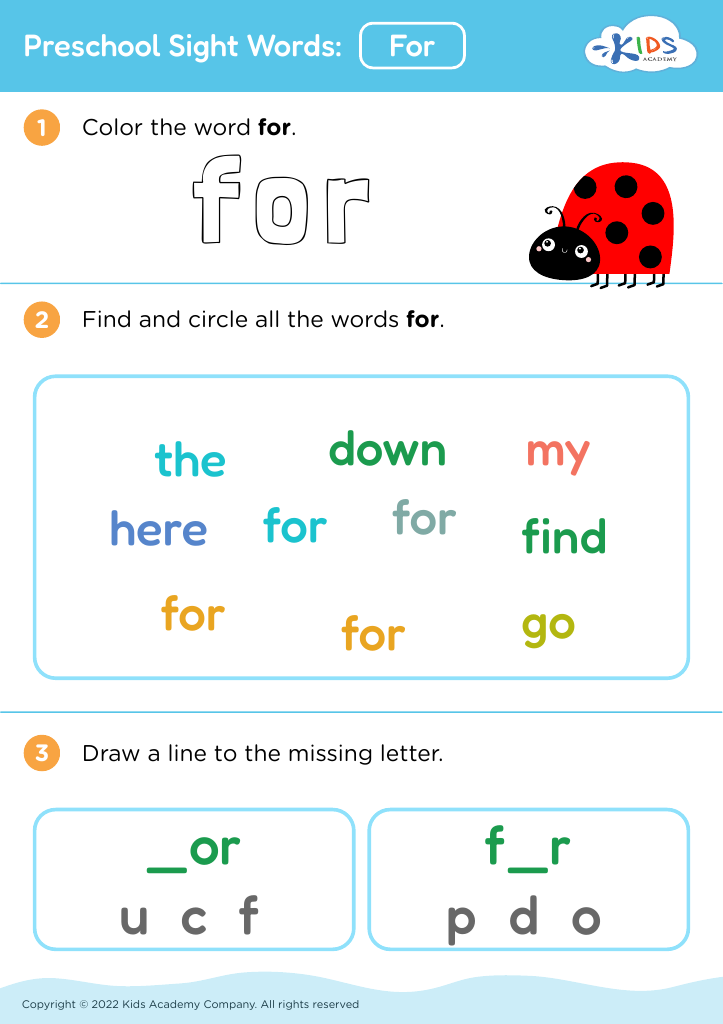
Enhance your child's learning journey with our engaging "Basic Addition Skills Sight Words Worksheets" designed for ages 4-7. These worksheets seamlessly blend essential sight word recognition with foundational addition skills, making math fun and accessible. As children practice identifying sight words while solving simple addition problems, they develop not only math proficiency but also reading comprehension. With colorful designs and interactive activities, each worksheet fosters a love for learning while strengthening cognitive skills. Perfect for both classroom and home use, our worksheets support early learners in building confidence and laying the groundwork for future educational success. Start your child's adventure in learning today!











.jpg)
Parents and teachers should care about basic addition skills and sight words for children aged 4-7 because these foundational skills play a critical role in early cognitive development and future academic success. Mastery of basic addition aids in fostering mathematical understanding, promoting problem-solving abilities, and increasing confidence in handling numbers. At this age, children are typically beginning to make connections between numerical symbols and their meanings, allowing them to understand more complex math concepts later on.
Similarly, sight words are essential for developing reading fluency. Recognizing these frequently used words instantly enables children to read with greater speed and comprehension, reducing reliance on phonetic decoding. This fluency builds a stronger foundation for overall literacy, shaping their success not just in reading but across subjects that require comprehension.
Furthermore, both skills foster independence, as children feel more empowered when they can successfully tackle simple addition problems or read basic texts on their own. Teaching these early skills together can create a holistic learning experience, laying the groundwork for future academic pursuits and instilling a love for learning. In essence, a solid grasp of basic addition and sight words serves as crucial stepping stones in a child's educational journey.