Counting objects Sight Words Worksheets for Ages 4-7
3 filtered results
-
From - To
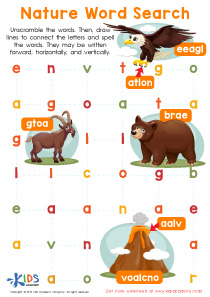
Enhance your child's early learning experience with our Counting Objects Sight Words Worksheets, designed specifically for ages 4-7. These engaging worksheets seamlessly combine essential counting skills with foundational sight word recognition. Your little learners will practice counting various objects while simultaneously familiarizing themselves with important sight words, fostering essential literacy and numeracy skills. Our fun, visually appealing activities keep children motivated and engaged, making learning enjoyable. Perfect for at-home practice or classroom use, these worksheets promote cognitive development and reinforce vocabulary. Empower your child with the tools they need to succeed in their educational journey today! Explore our collection now!
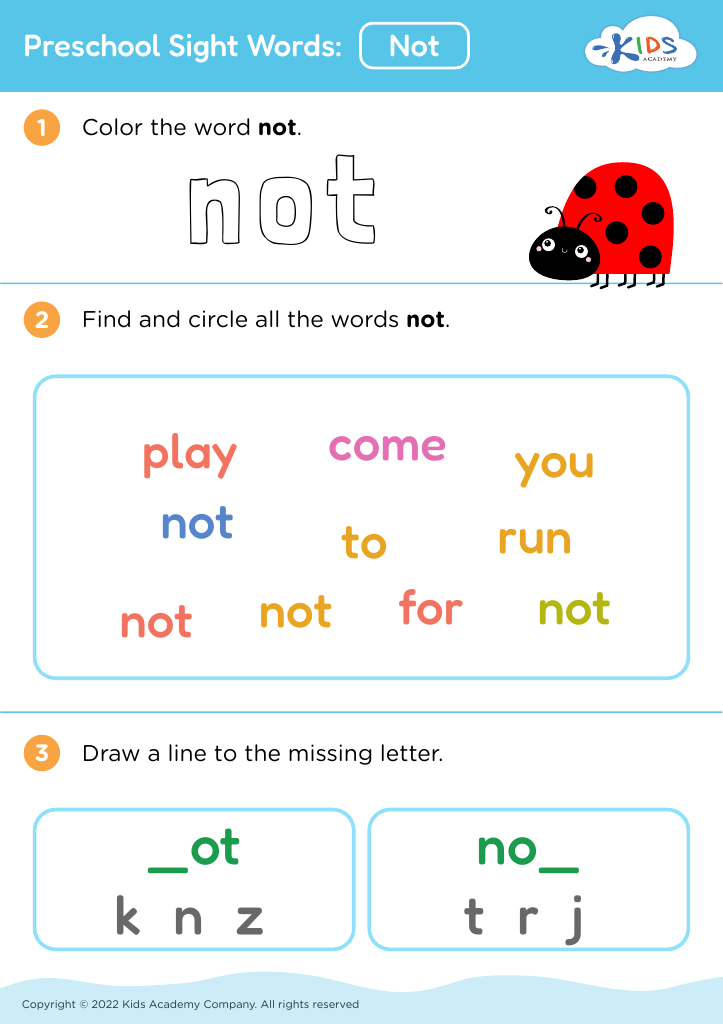







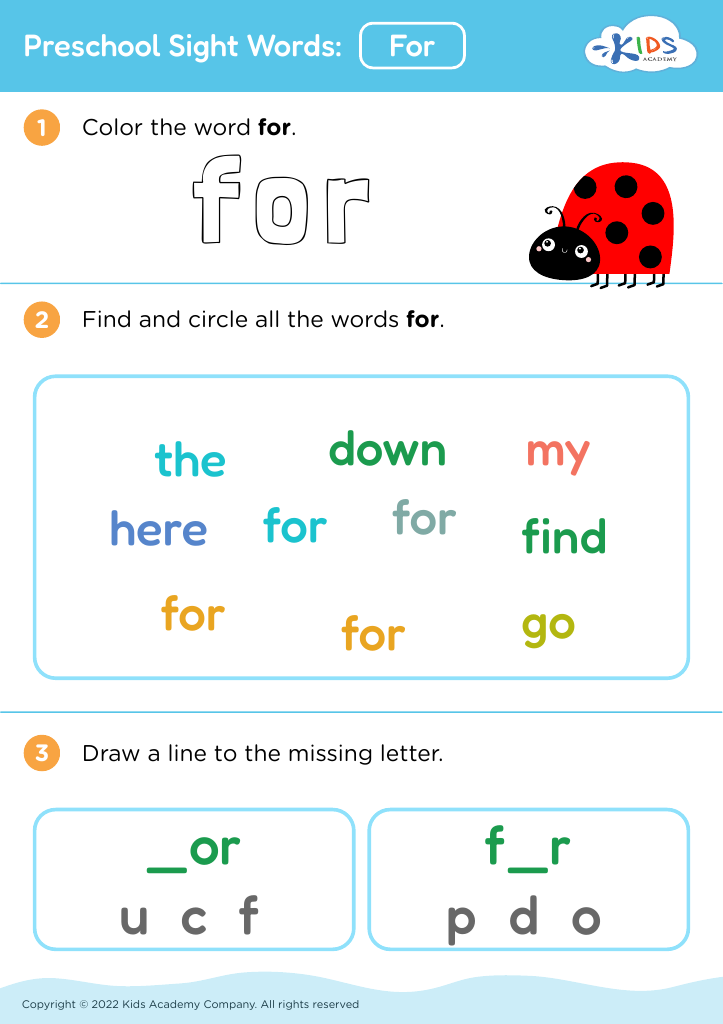
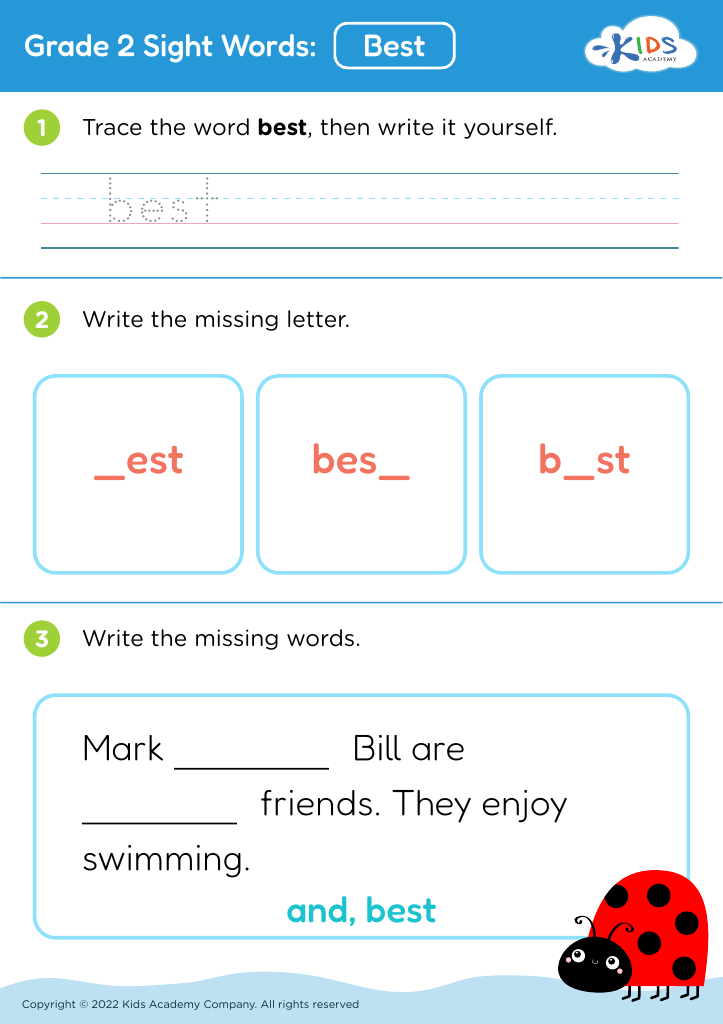








Counting objects and recognizing sight words are foundational skills for children ages 4 to 7, crucial for their overall academic success. Understanding numbers and counting helps develop a strong mathematical foundation, promoting skills such as sorting, measuring, and solving simple problems. By recognizing sight words, children learn to decode text, which fosters reading fluency and comprehension.
When parents or teachers prioritize these skills, they set the stage for lifelong learning. Counting provides children with the ability to understand and engage with the world quantitatively, essential for subjects beyond math, while sight word recognition builds confidence in reading, enabling children to enjoy books and expand their vocabulary.
Moreover, these skills can be integrated into everyday activities, making learning fun and relevant. When children practice counting objects around the house or read together using flashcards with sight words, they acquire knowledge through hands-on experiences.
By emphasizing counting and sight words, parents and teachers can create a supportive learning environment that nurtures curiosity and enthusiasm for learning, paving the way for future academic achievement. Therefore, involvement in these areas not only enhances a child’s immediate skill set but also fosters a positive attitude toward education as a whole.