Fraction comparison Sight Words Worksheets for Ages 4-7
10 filtered results
-
From - To
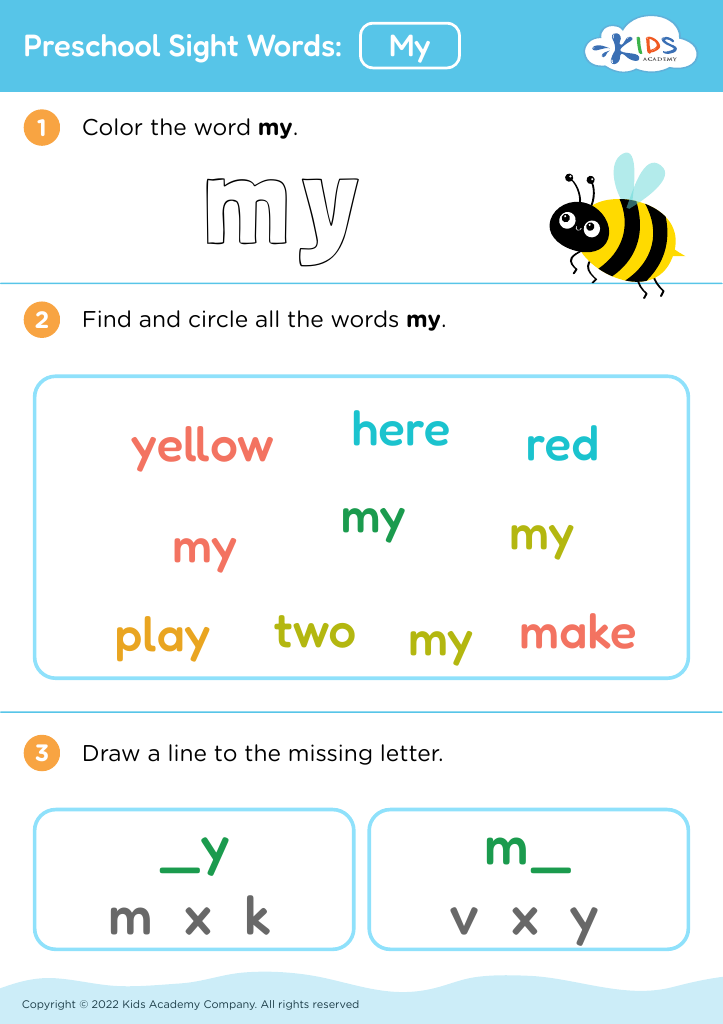
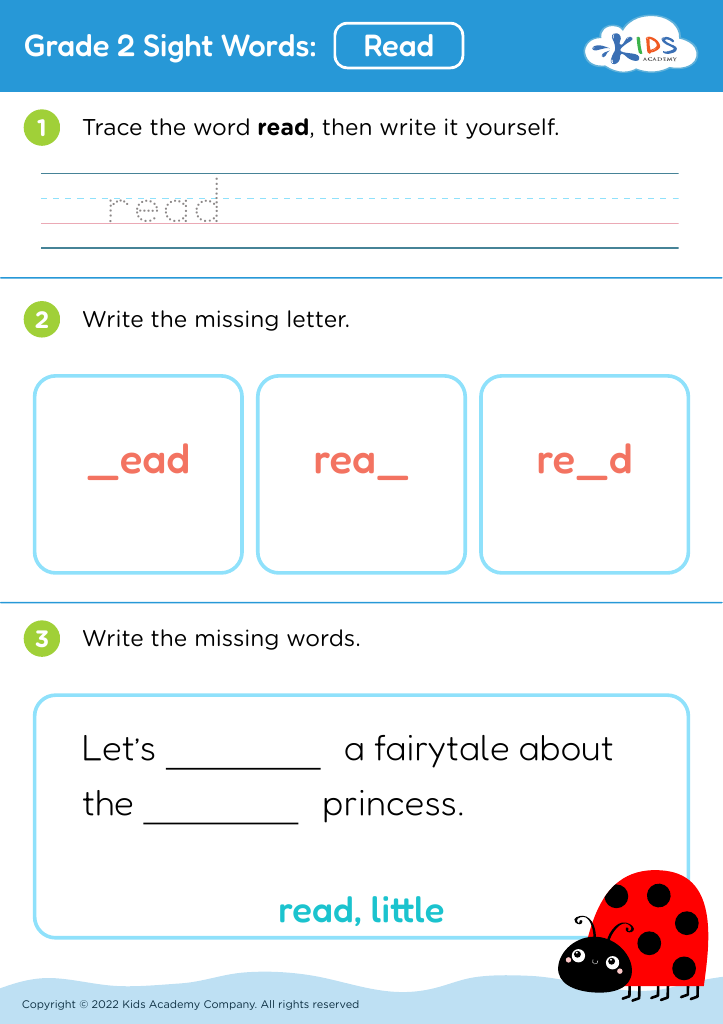
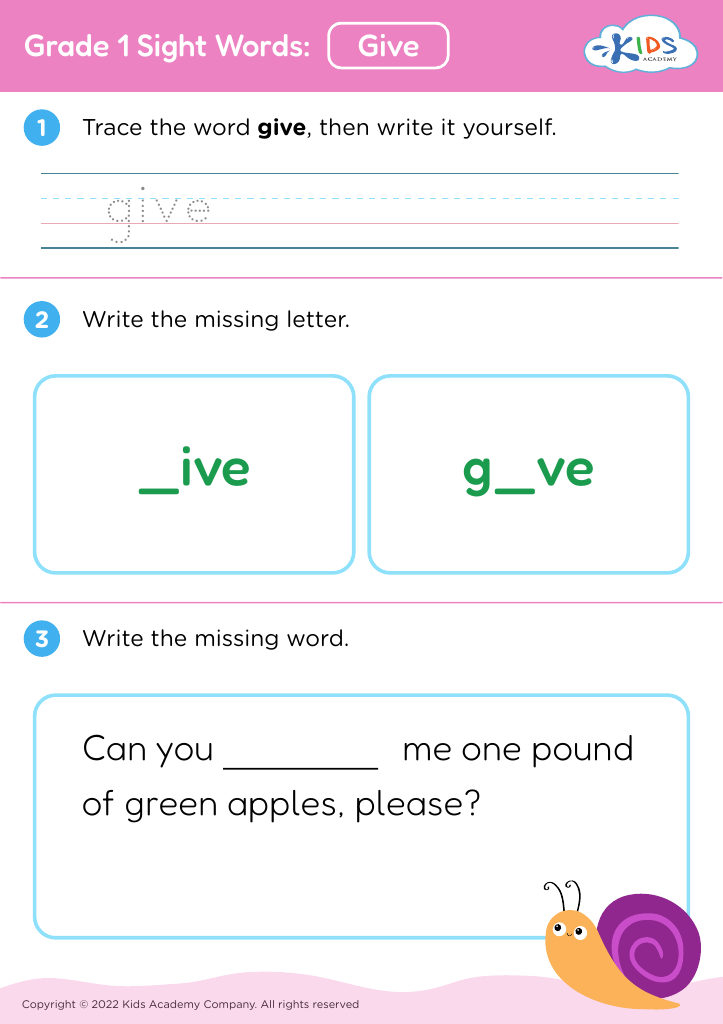
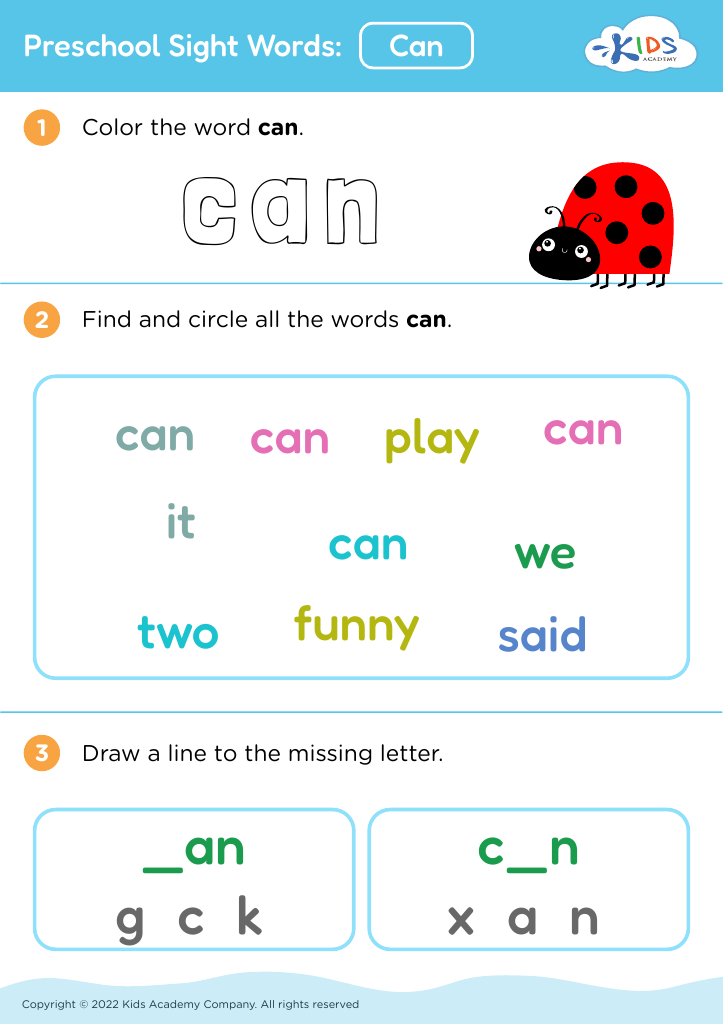
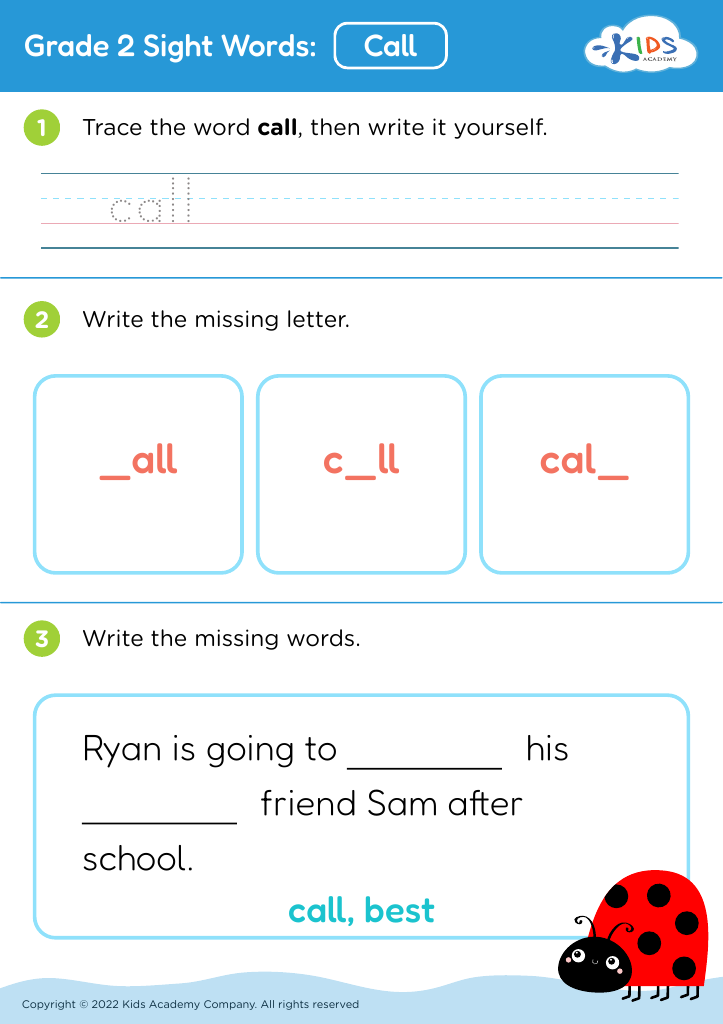
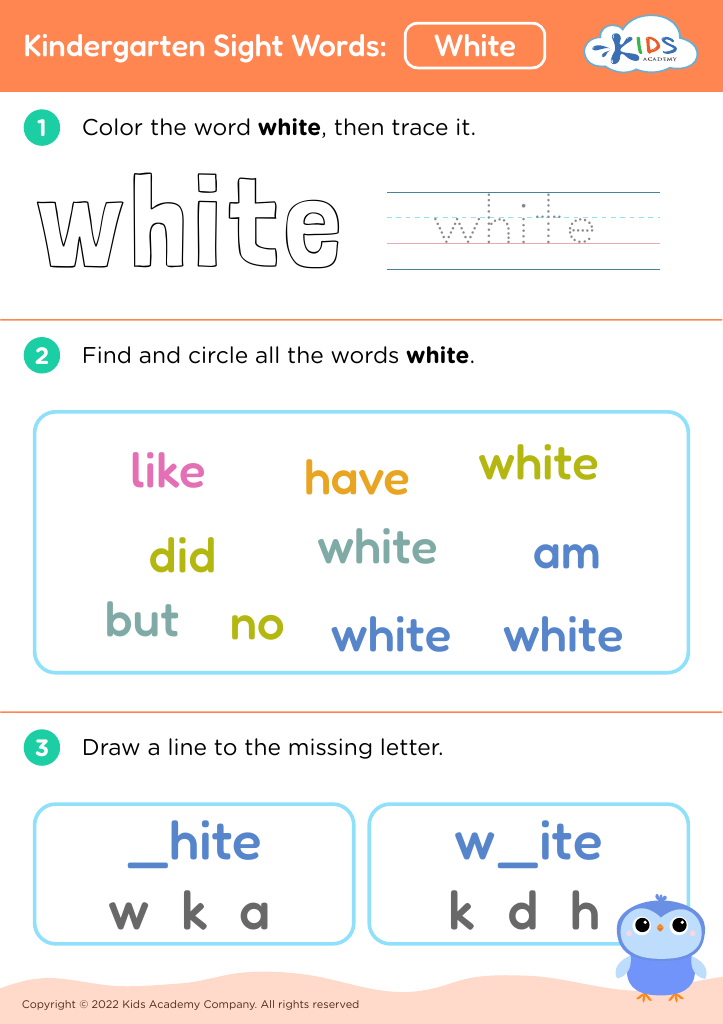
Enhance your child's learning with our engaging Fraction Comparison Sight Words Worksheets, designed for ages 4-7. These worksheets seamlessly integrate foundational sight word recognition with essential fraction comparison skills, making learning fun and effective. Children will practice identifying and comparing fractions through captivating activities and colorful visuals. Perfect for early learners, these worksheets aim to boost confidence and develop literacy and mathematical abilities simultaneously. Parents and educators can easily use these resources to create dynamic lesson plans that encourage playful exploration of numbers and words. Discover new ways to enhance your child's education while fostering a love for learning!

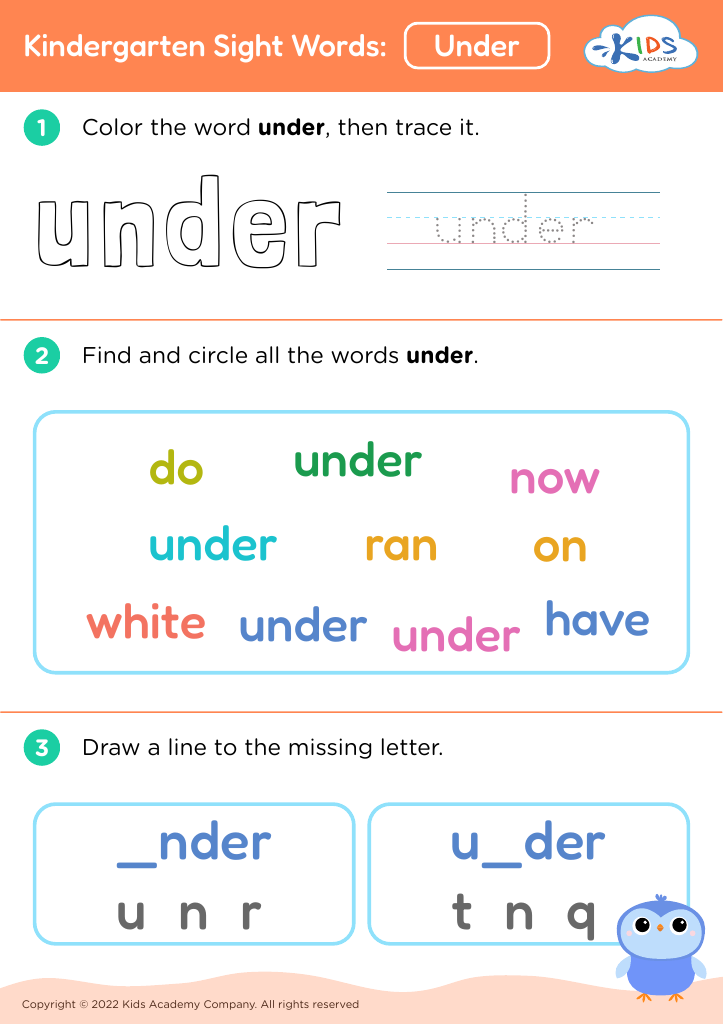
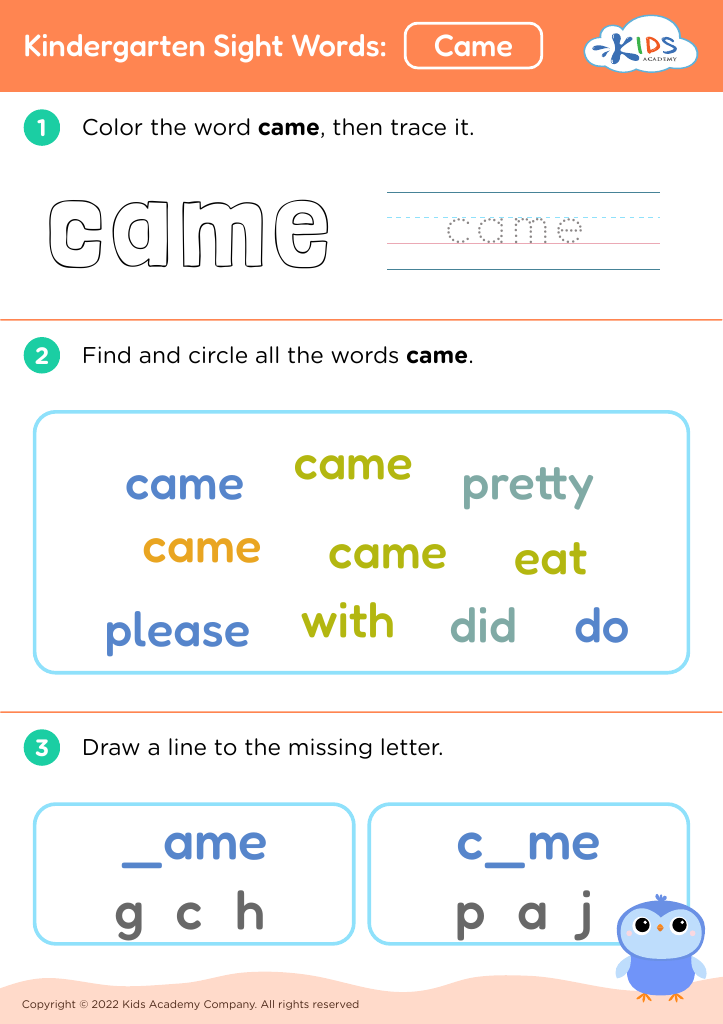
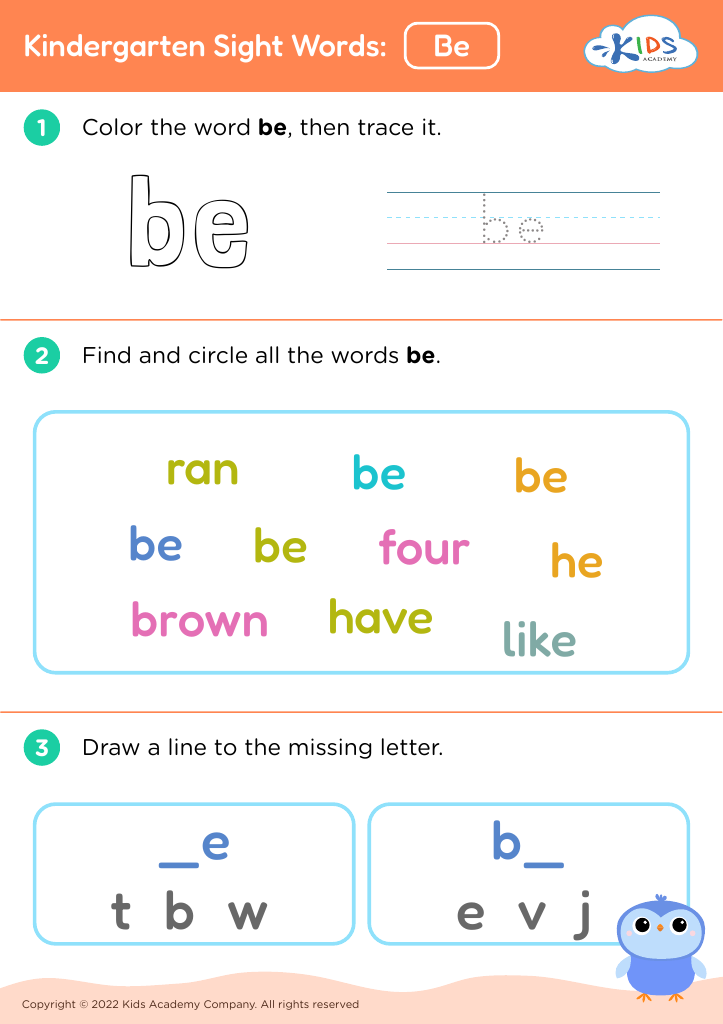





.jpg)


Parents and teachers should prioritize Fraction Comparison Sight Words for children ages 4-7 because early mathematical understanding lays the foundation for lifelong skills. Fraction comparison words, such as "greater," "less," "half," and "whole," help young learners develop critical thinking and problem-solving abilities essential for their educational journey. By becoming familiar with these sight words, children can more easily grasp concepts related to fractions, which are crucial for more advanced math tasks later on.
Moreover, integrating sight words into everyday discussions and activities can enhance children's language development, as these terms bridge mathematical and verbal communication. Understanding and using these words can help children articulate their reasoning and enhance their ability to describe mathematical concepts, fostering a deeper comprehension.
Additionally, introducing these terms at an early age can build confidence in math, making it less intimidating as they progress through their education. By embedding math vocabulary into regular lessons and playtime, parents and teachers can make learning engaging, encouraging a positive attitude toward math. Ultimately, focusing on Fraction Comparison Sight Words supports overall cognitive development, promotes effective communication, and prepares young students to tackle more complex mathematical ideas as they grow.