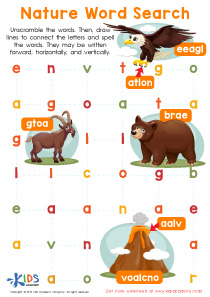
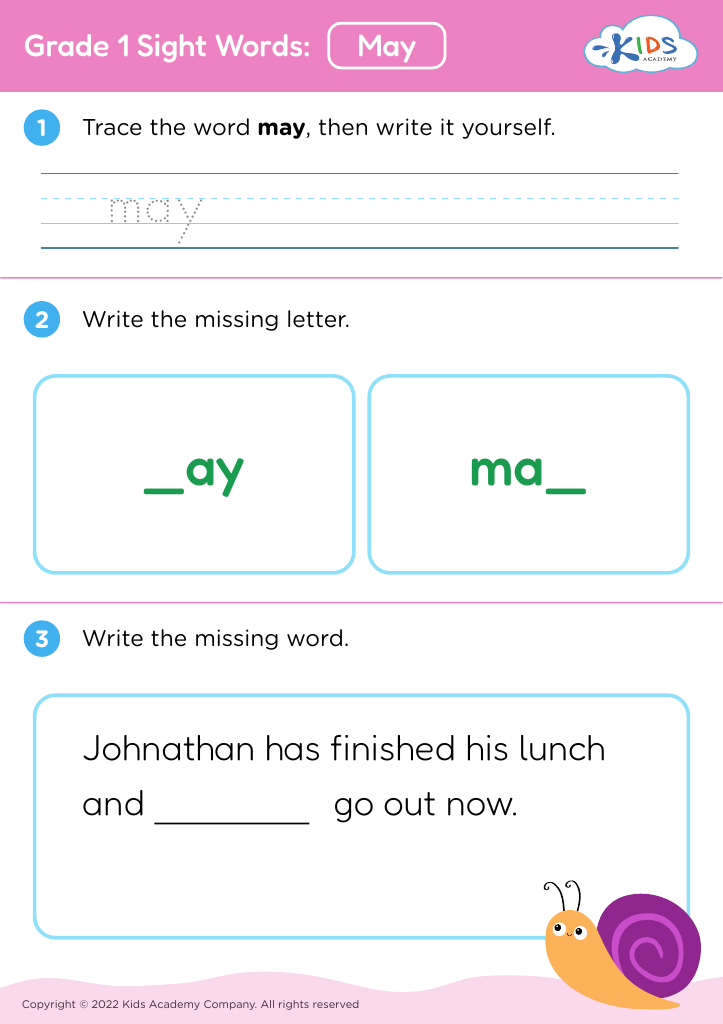
Problem Solving Sight Words Worksheets for Ages 4-7
3 filtered results
Difficulty Level
Grade
Age
-
From - To
Subject
Activity
Standards
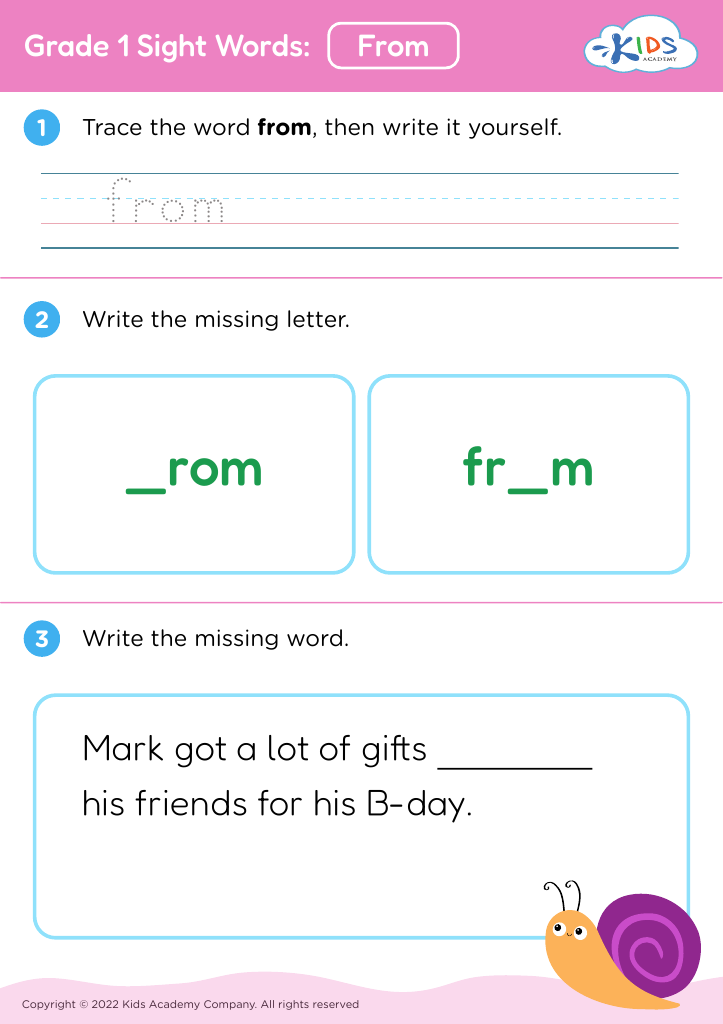
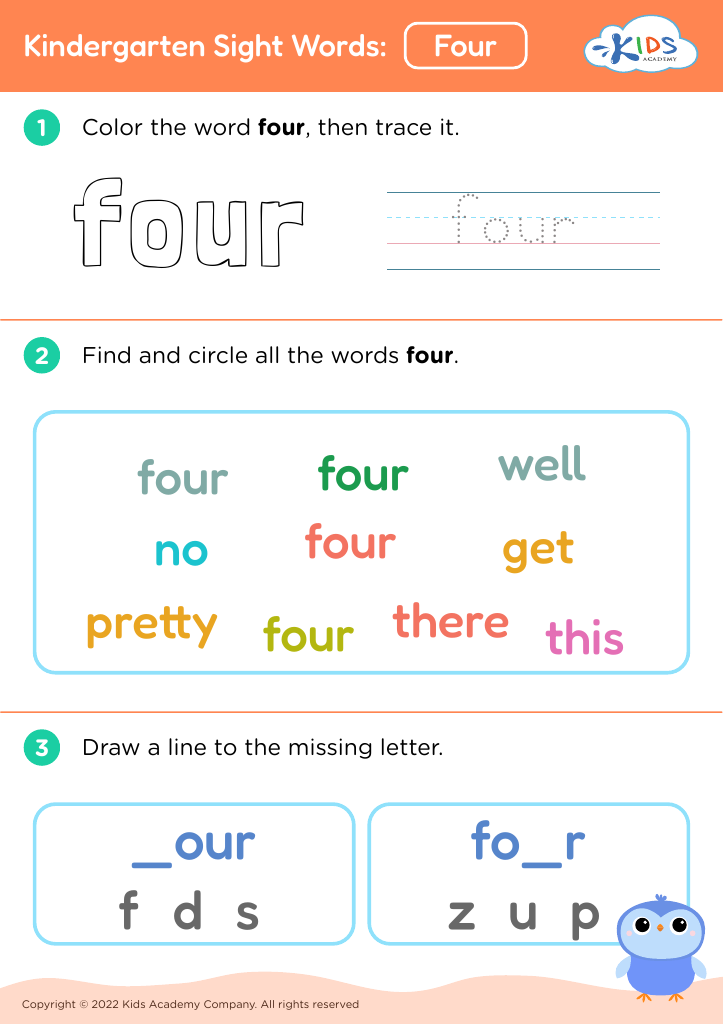
Help your child master essential sight words while enhancing their problem-solving skills with our "Problem Solving Sight Words Worksheets for Ages 4-7." Designed for young learners, these fun and engaging worksheets combine word recognition with critical thinking exercises. Each activity encourages kids to identify, read, and use sight words in various contexts, promoting literacy and cognitive development. Perfect for classroom use or at-home practice, these worksheets are an excellent resource for building a strong foundation in reading and problem-solving. Empower your child’s learning journey today with our expertly crafted educational tools.
Favorites
With answer key
Interactive



Join Kids Academy for Free
Who is primarily going to use this learning content?








Problem Solving Sight Words for ages 4-7 is crucial because it intersects fundamental aspects of early childhood education—literacy development and critical thinking. At this developmental stage, children’s brains are incredibly malleable, making it the prime period for introducing essential skills. Sight words represent common vocabulary that young readers frequently encounter. Mastering these words is vital as it enables children to read more fluently and efficiently, freeing up cognitive resources for comprehension and critical thinking.
Problem solving, on the other hand, fosters critical thinking and cognitive flexibility. Introducing problem-solving scenarios around sight words encourages children to think beyond mere word recognition. For instance, puzzles and interactive games that incorporate sight words can make learning more dynamic and contextually meaningful. They move away from rote memorization to applied understanding.
For parents and teachers, focusing on Problem Solving Sight Words means equipping children with dual competencies: linguistic proficiency and problem-solving skills. This blend not only bolsters their academic performance but also enhances their ability to navigate real-world situations creatively and confidently. Such an investment in early education lays a robust foundation for future learning, socio-emotional growth, and more competent, self-assured individuals.