Subtraction practice Sight Words Worksheets for Ages 4-7
4 filtered results
Difficulty Level
Grade
Age
-
From - To
Subject
Activity
Standards
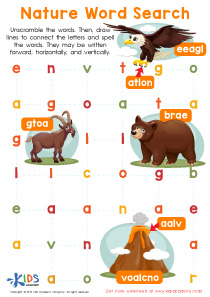
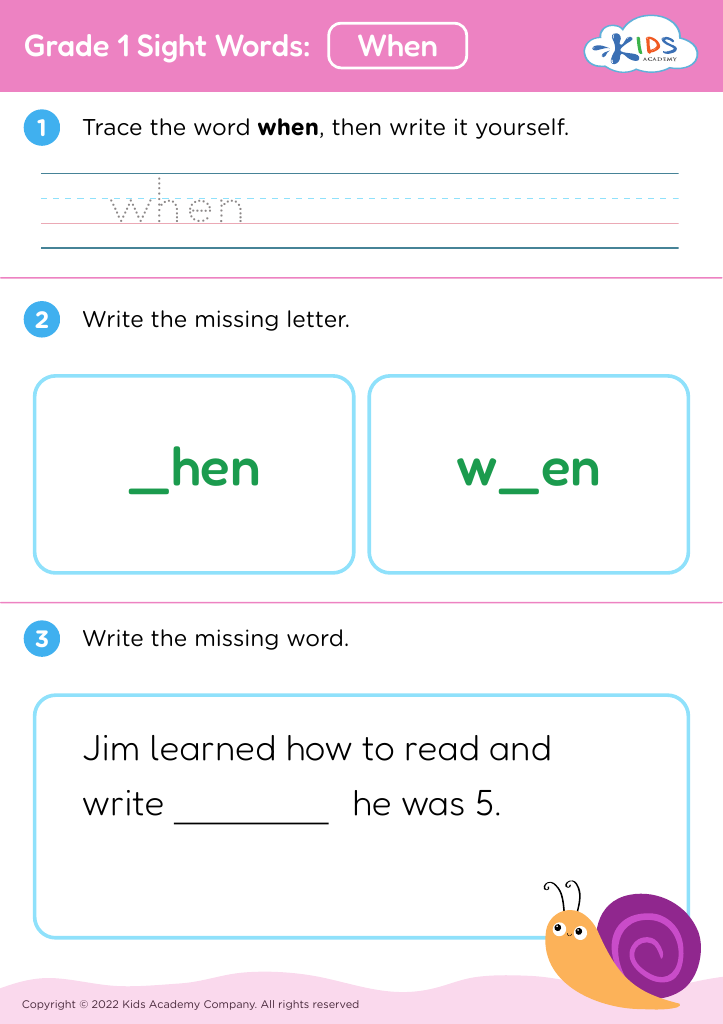
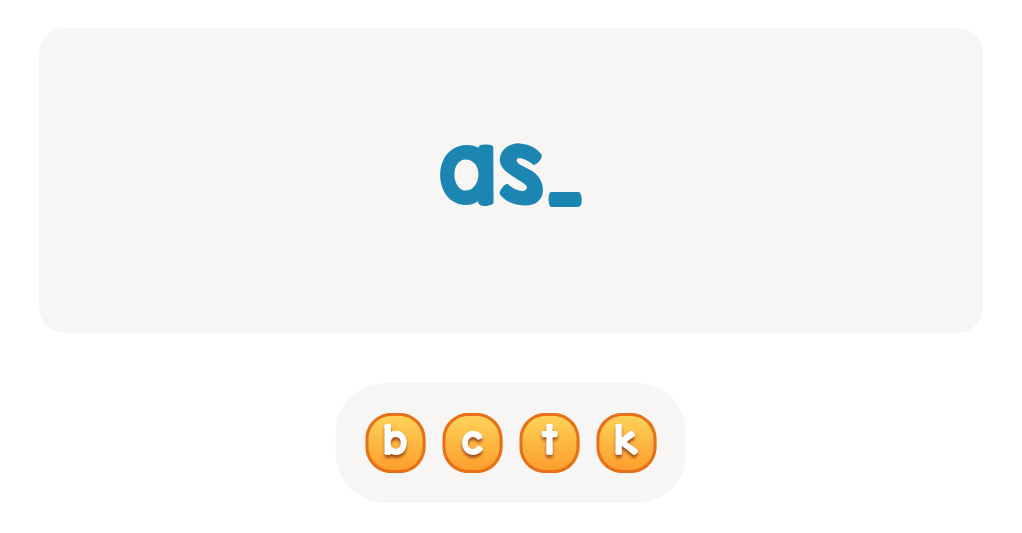
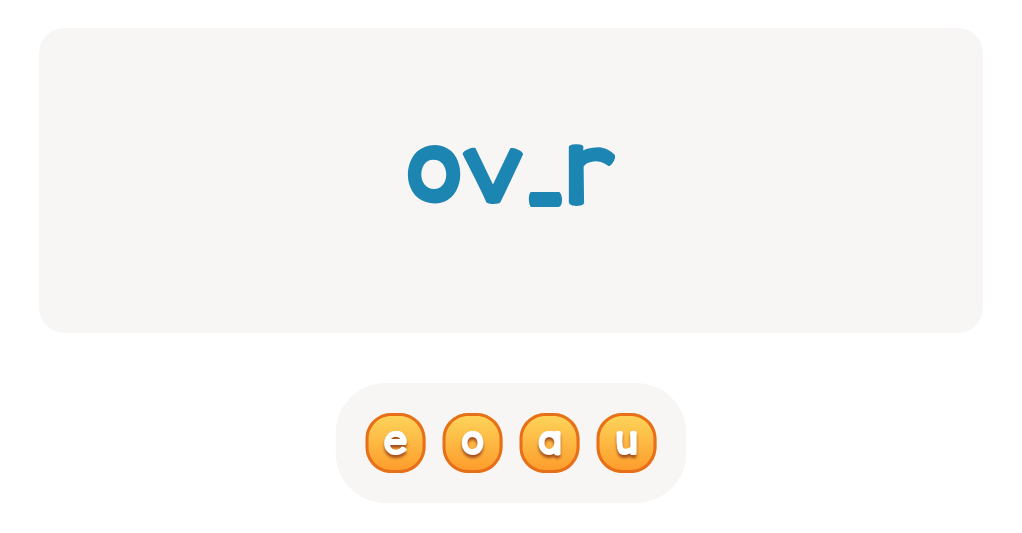
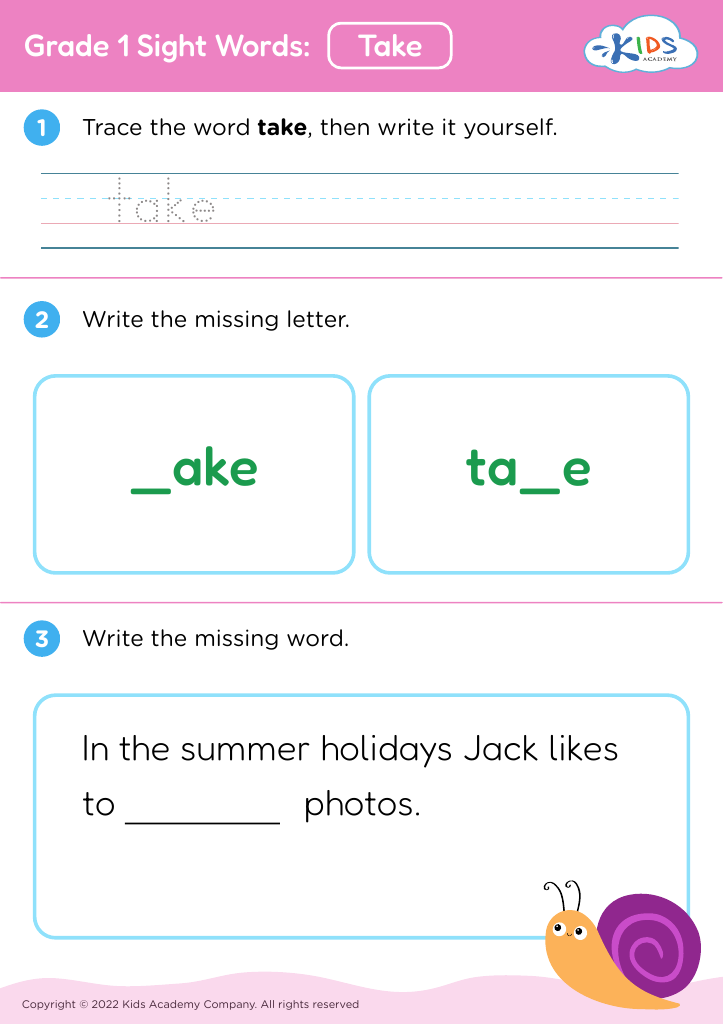
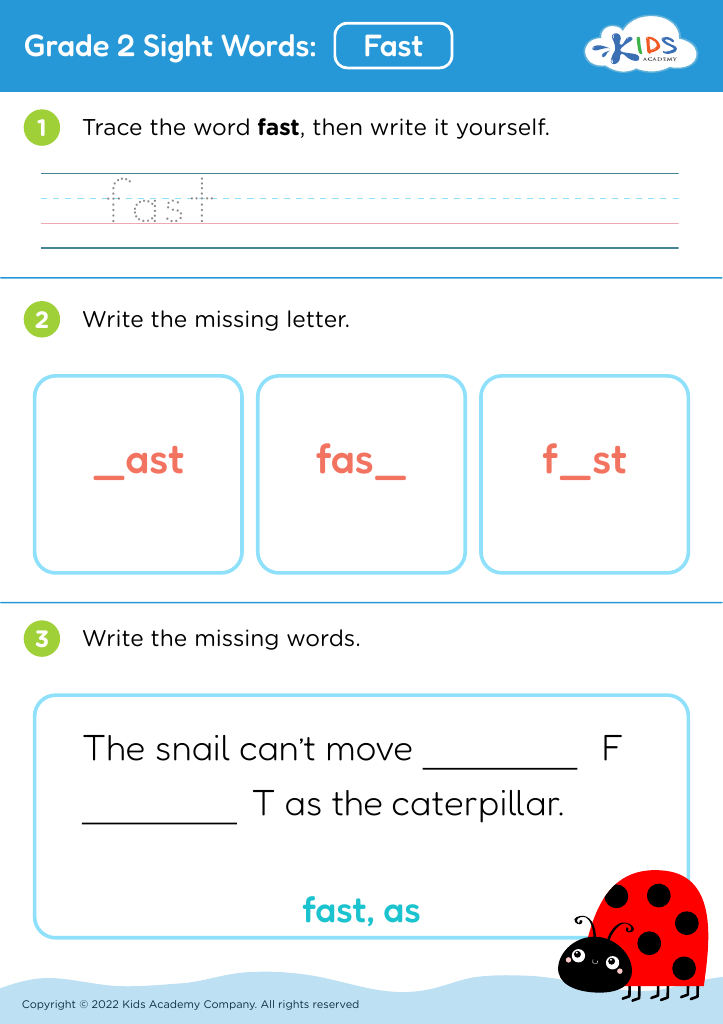
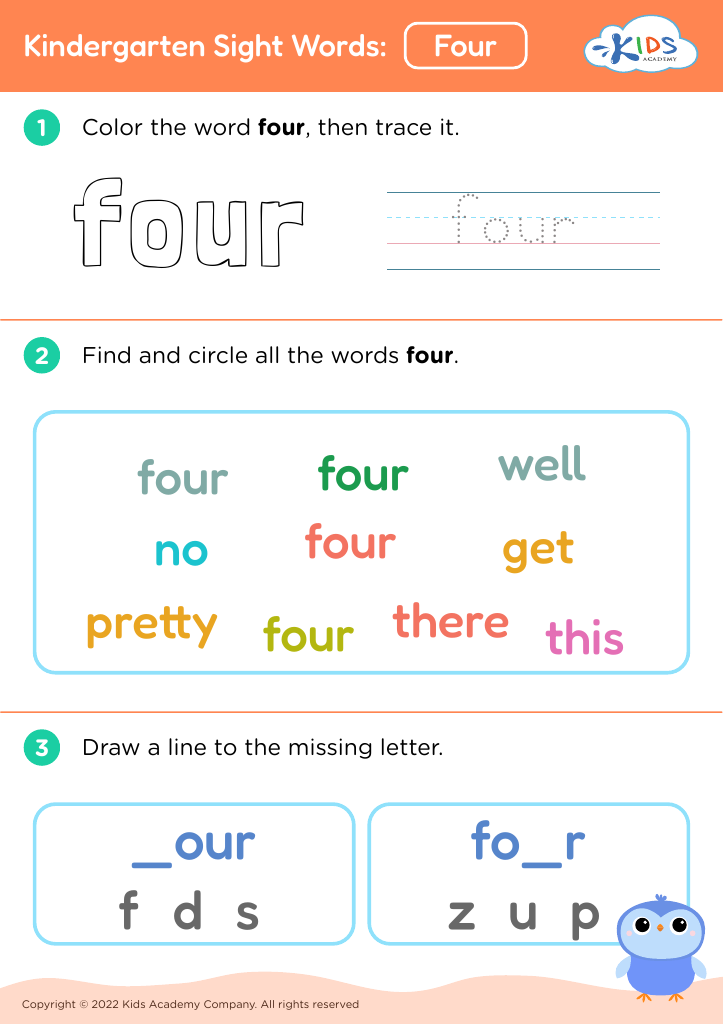
Enhance your child's learning journey with our engaging Subtraction Practice Sight Words Worksheets, designed specifically for ages 4-7! These interactive worksheets not only promote mathematical skills but also help young learners recognize and master essential sight words. Your child will discover subtraction concepts through fun exercises that combine reading and math fluency. Each worksheet is tailored to meet developmental needs, making learning enjoyable and effective. With vibrant visuals and straightforward instructions, your kids will be motivated to practice and excel. Perfect for home or classroom use, our resources ensure that your little learners achieve foundational success in both literacy and numeracy!
Favorites
With answer key
Interactive




Join Kids Academy for Free
Who is primarily going to use this learning content?







.jpg)
Subtraction practice and sight words are crucial components of early childhood education for children ages 4-7. At this developmental stage, children are building essential foundational skills in both mathematics and literacy, which are critical for their future academic success. Regular practice in subtraction helps children understand the concept of taking away, developing their number sense and problem-solving abilities. Learning to subtract strengthens cognitive skills such as critical thinking and reasoning while also enhancing a child's confidence in handling mathematical tasks.
Equally important, sight words are the building blocks of early reading skills. These words—common and often unpredictable—help children develop fluency in reading, enabling them to understand text more easily. When children recognize sight words automatically, reading becomes more enjoyable and less laborious, paving the way for greater comprehension and a love for learning.
By integrating subtraction practice and sight words into their child's routine, parents and teachers are fostering a balanced approach to education. This dual focus not only equips children with necessary skills but also encourages a positive attitude towards learning in both math and literacy. Supporting children's growth in these areas ultimately lays a strong foundation for their future educational journey.