Categorization skills Animals Worksheets for Ages 4-7
4 filtered results
-
From - To
Enhance your child's cognitive development with our "Categorization Skills: Animals Worksheets for Ages 4-7". These expertly designed worksheets are perfect for young learners, helping them to master the skill of categorizing animals based on various attributes such as habitat, type, and more. Fun and engaging activities ensure that kids stay interested while improving their classification abilities. Each worksheet cultivates problem-solving and analytical skills, preparing your child for future academic success. Ideal for both classroom and home use, these worksheets make learning interactive and enjoyable. Start building a strong foundation with our easy-to-use and educational animal categorization resources today!
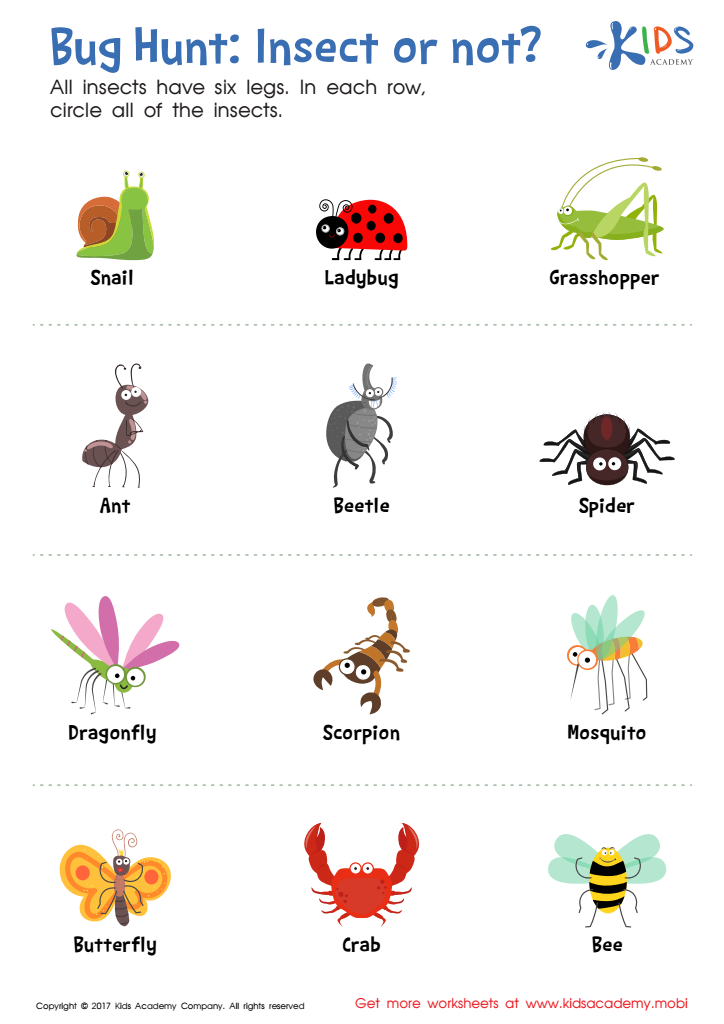
 Assign to My Students
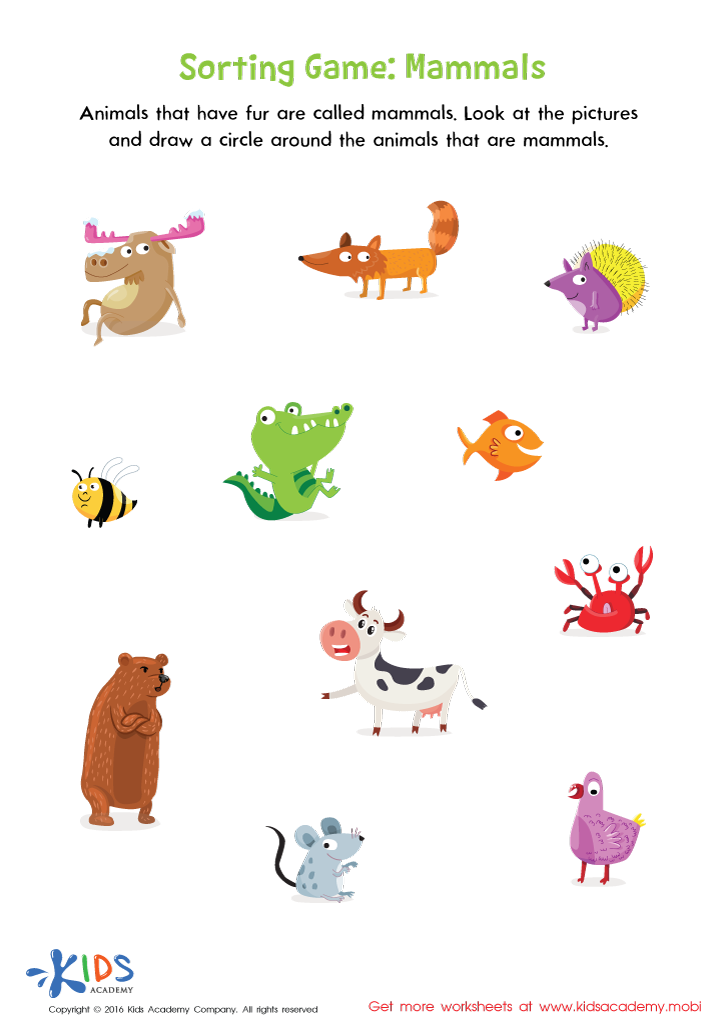
Mammals Sorting Worksheet

Identifying Living or Non–living Worksheet
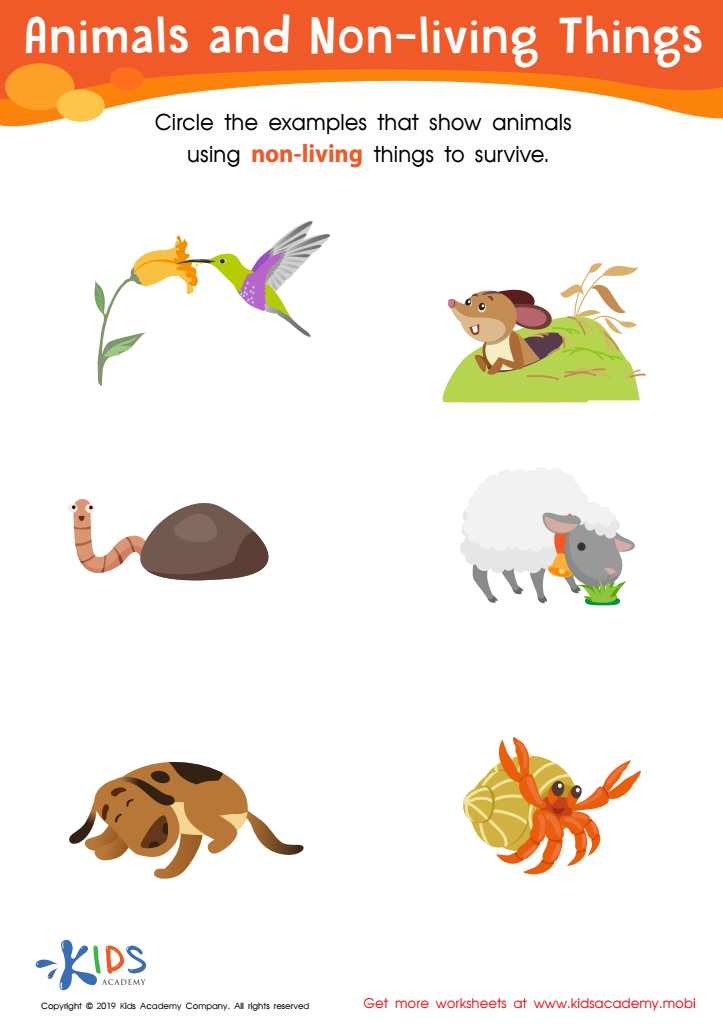
Animals and Non-Living Things Worksheet



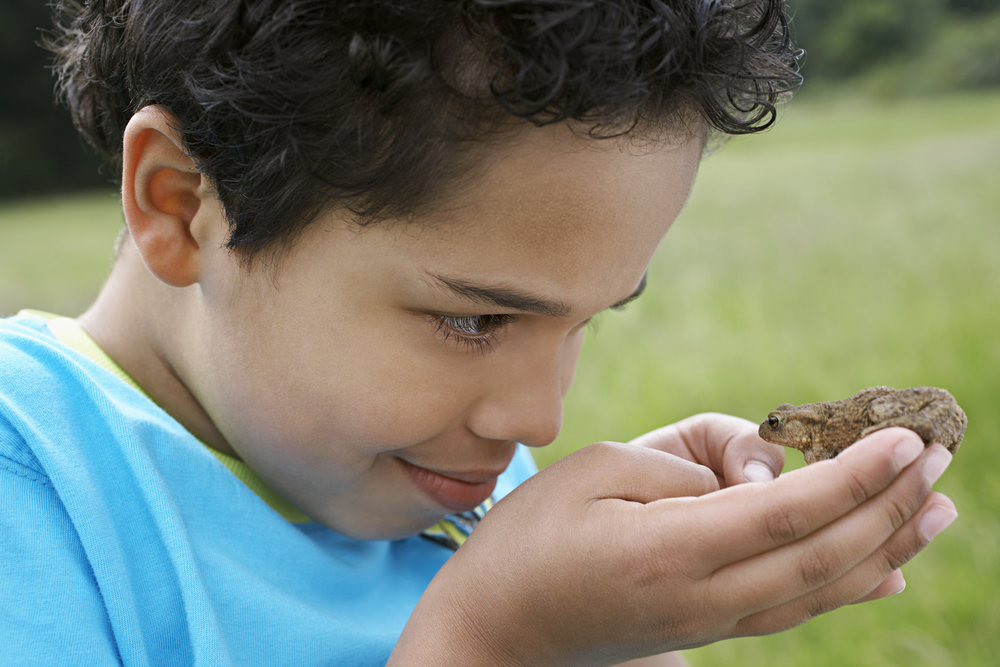




Categorization skills, particularly when focused on animals, lay an essential foundation for learning in children ages 4-7. These early childhood years are crucial for cognitive development, and teaching categorization helps children understand the world around them in an organized manner. Recognizing different categories, such as mammals, birds, reptiles, and fish, sharpens critical thinking and aids memory skills. This exercise not only enhances their ability to sort and classify but also promotes early scientific thinking by introducing concepts like traits and habitats.
Furthermore, categorization aids language development. Learning new animal names and grouping them helps expand a child's vocabulary and communication skills. This practice strengthens their ability to follow instructions and prompts curiosity, which in turn sparks further questions and invites deeper exploration and learning.
Socially, categorization tasks often involve group activities and collaborative learning. Playing sorting games, discussing various animals, and their characteristics encourage teamwork and improve social interaction. Literacy and numeracy skills are also intertwined through discussing sizes, learning letters, and counting animals within categories.
Overall, fostering categorization skills helps create a strong cognitive and social-emotional foundation, supporting academic success and a lifelong love of learning. Engaging children at this critical age in these practices prepares them for more complex concepts and enhances their understanding of the natural world.








