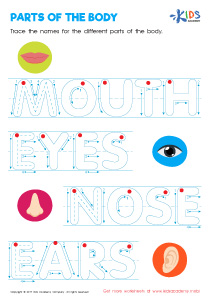
Categorization skills World Around Us Worksheets for Ages 4-7
3 filtered results
-
From - To
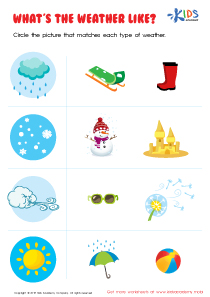
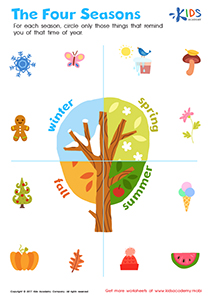
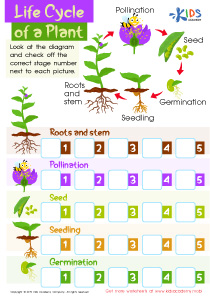
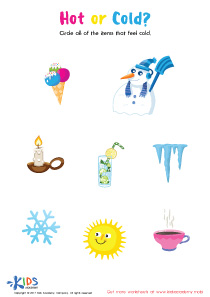
Explore "Categorization Skills World Around Us Worksheets for Ages 4-7," designed to enhance early learners' cognitive abilities. These engaging worksheets help children identify, sort, and group objects based on various characteristics such as color, shape, and size. Perfect for preschool to early elementary students, the activities foster logical thinking and problem-solving skills. With vibrant illustrations and age-appropriate challenges, kids will have fun while learning about the world around them. Ideal for classroom or home use, these printable worksheets are excellent resources for teachers and parents aiming to support early developmental milestones in an enjoyable and interactive way.
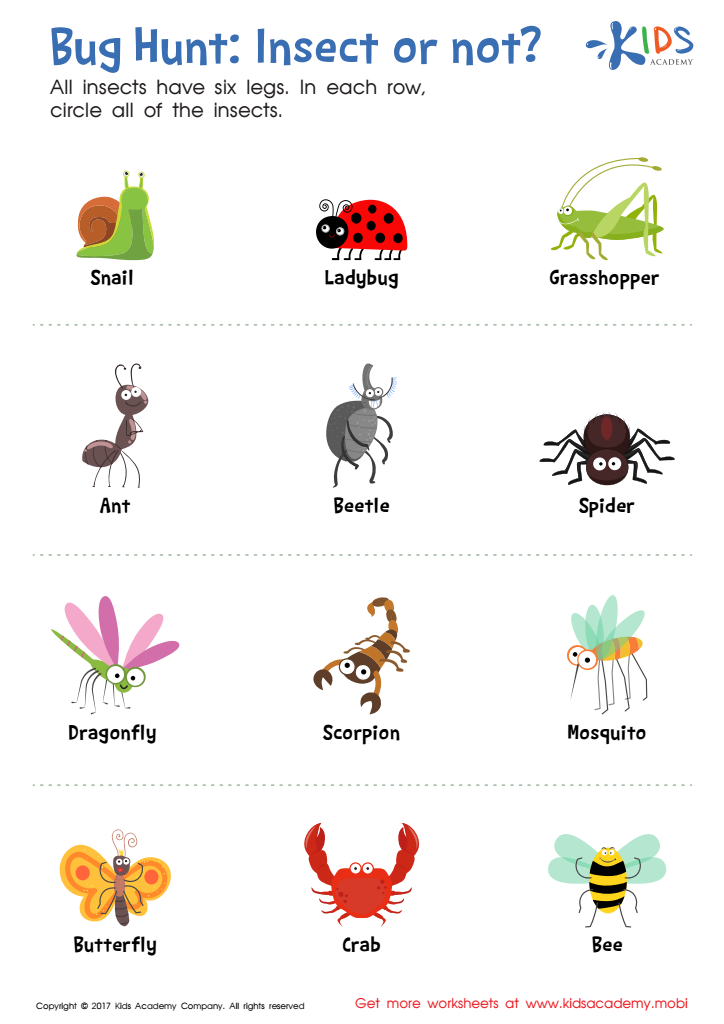
 Assign to My Students
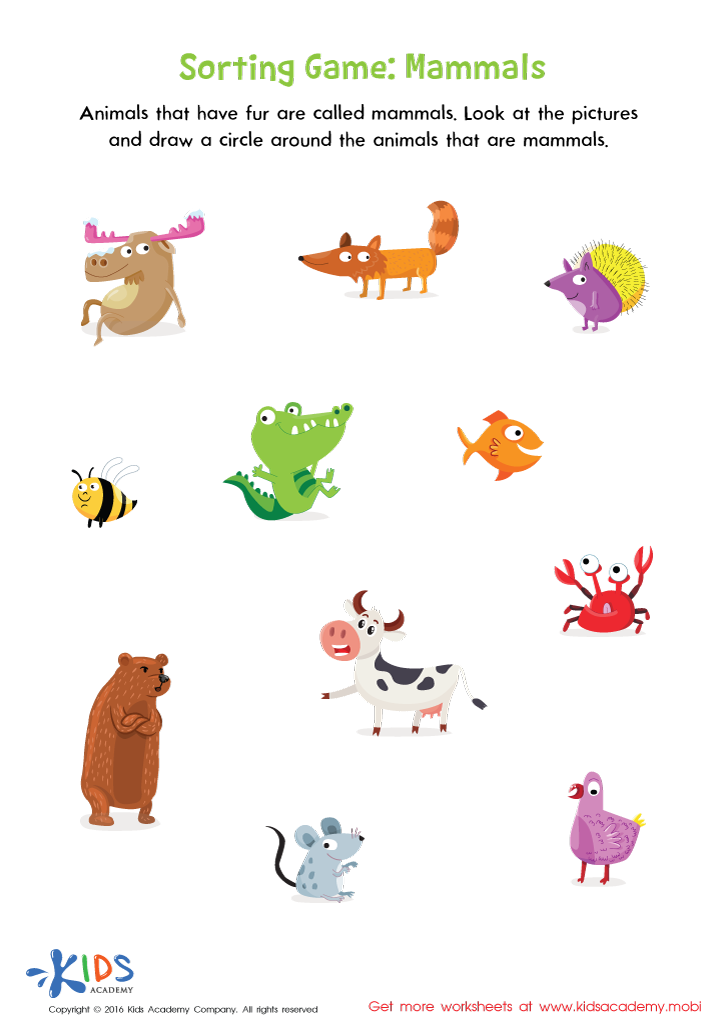
Mammals Sorting Worksheet
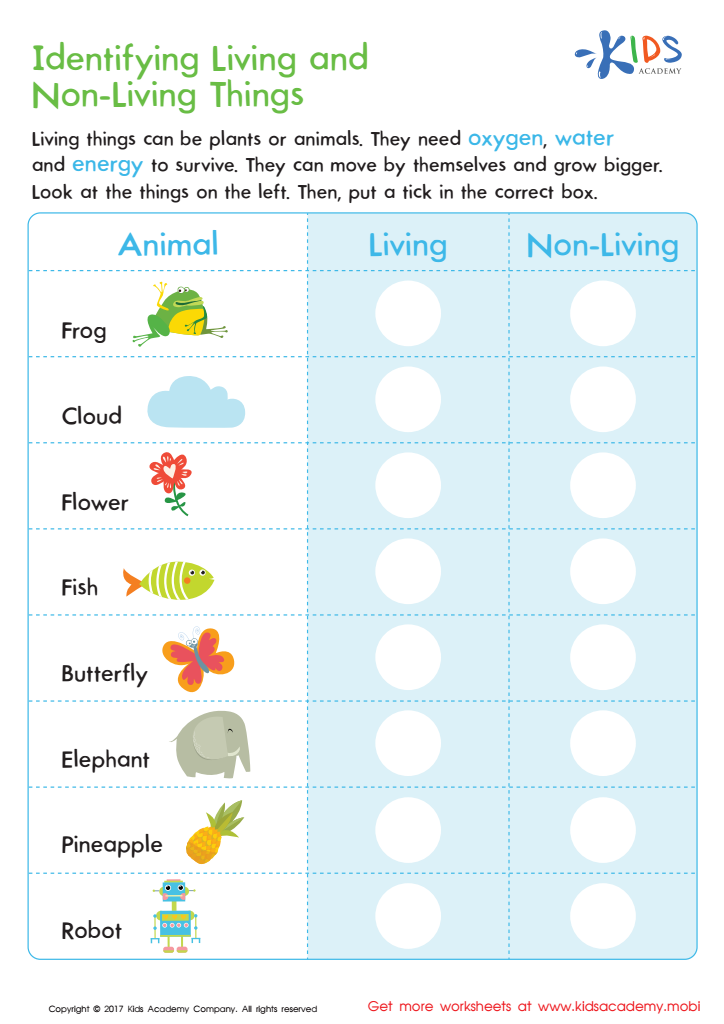
Identifying Living or Non–living Worksheet







Categorization skills are fundamental cognitive abilities that play a pivotal role in the development of young children aged 4-7. These skills involve grouping objects, ideas, or information based on shared features, which helps children make sense of the world around them. Parents and teachers should care about nurturing these abilities for several reasons.
Firstly, categorization aids in cognitive development by enhancing memory and learning efficiency. When children can categorize information, they can recall it more easily and make connections between different concepts, fostering deeper understanding. Secondly, these skills are critical for language development. As children categorize objects, they learn new vocabulary and grasp the nuances of word meanings and relationships, enhancing their communication abilities.
Socially, categorization helps children navigate their environment. By recognizing similarities and differences, they can better understand social norms, make informed choices, and develop problem-solving skills. In addition, educational success is heavily reliant on categorization; from sorting shapes and colors to organizing thoughts in writing, these skills underpin many academic tasks.
Lastly, fostering categorization skills encourages curiosity and exploration. It motivates children to observe their surroundings, ask questions, and seek out new knowledge. Ultimately, strong categorization skills build a foundation for lifelong learning and cognitive resilience, making them essential for early childhood development.