Applying math concepts Worksheets for Ages 4-8
3 filtered results
-
From - To
Discover our engaging "Applying Math Concepts Worksheets" designed specifically for children ages 4-8! These worksheets offer a fun and interactive way to reinforce essential math skills through practical application. Young learners will explore concepts such as counting, basic addition and subtraction, patterns, and shapes in a visually appealing format. Each activity encourages critical thinking and problem-solving, helping kids develop a strong mathematical foundation. Perfect for home or classroom use, our worksheets cater to varying skill levels to suit every child's learning pace. Empower your child's math journey today with our exciting and educational resources!
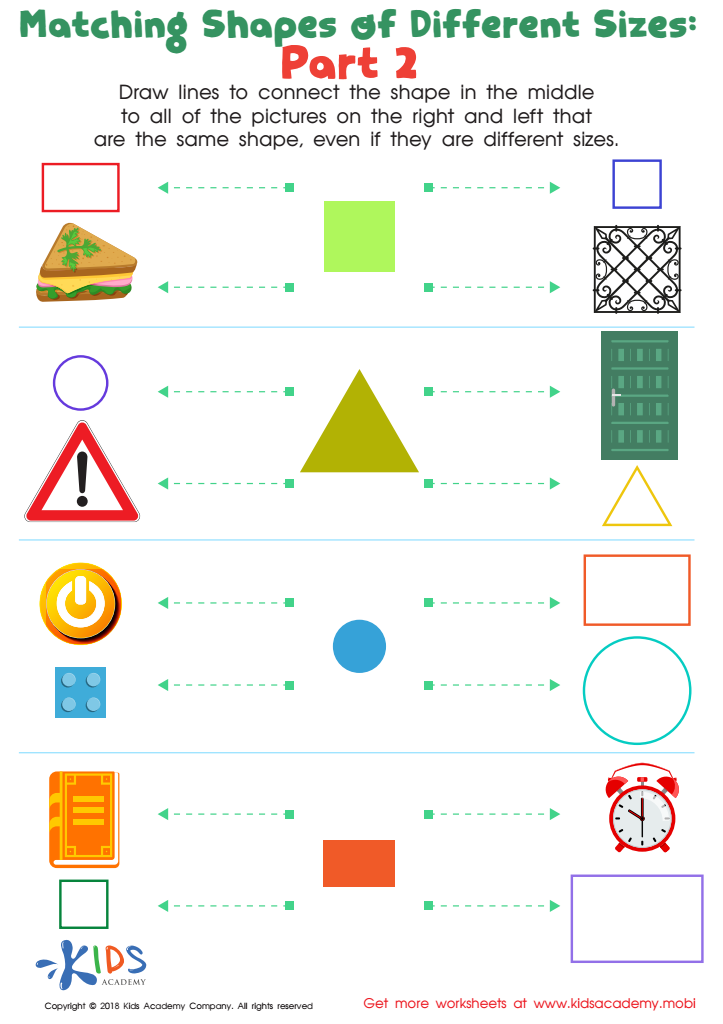
Geometry: Part 2 Worksheet
 Assign to My Students
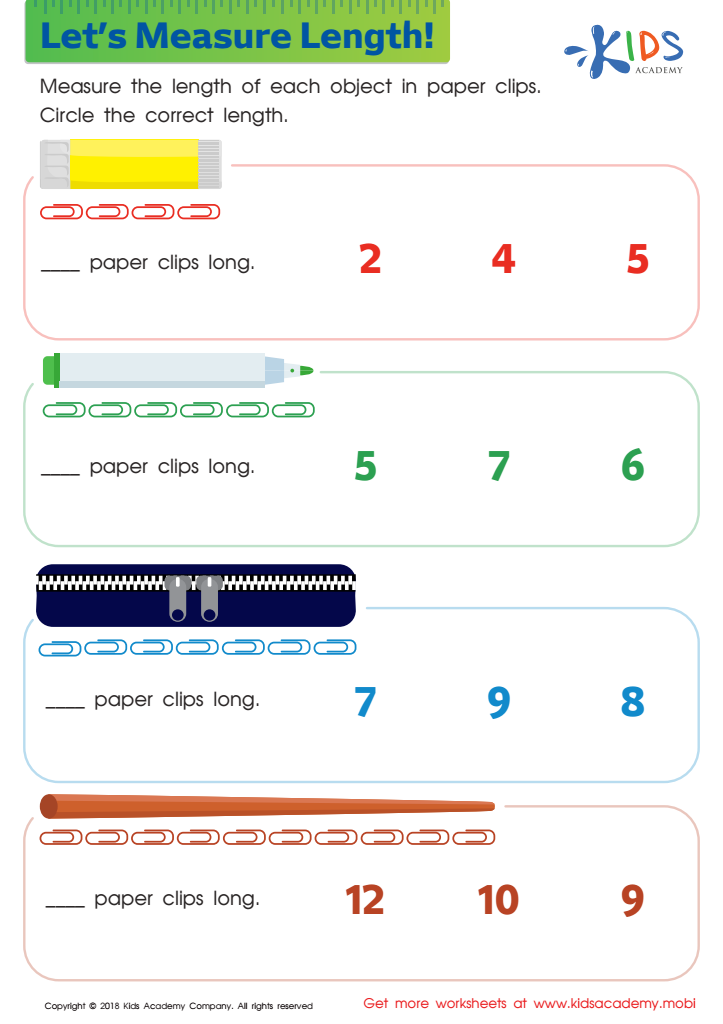
Lets Measure Length Worksheet
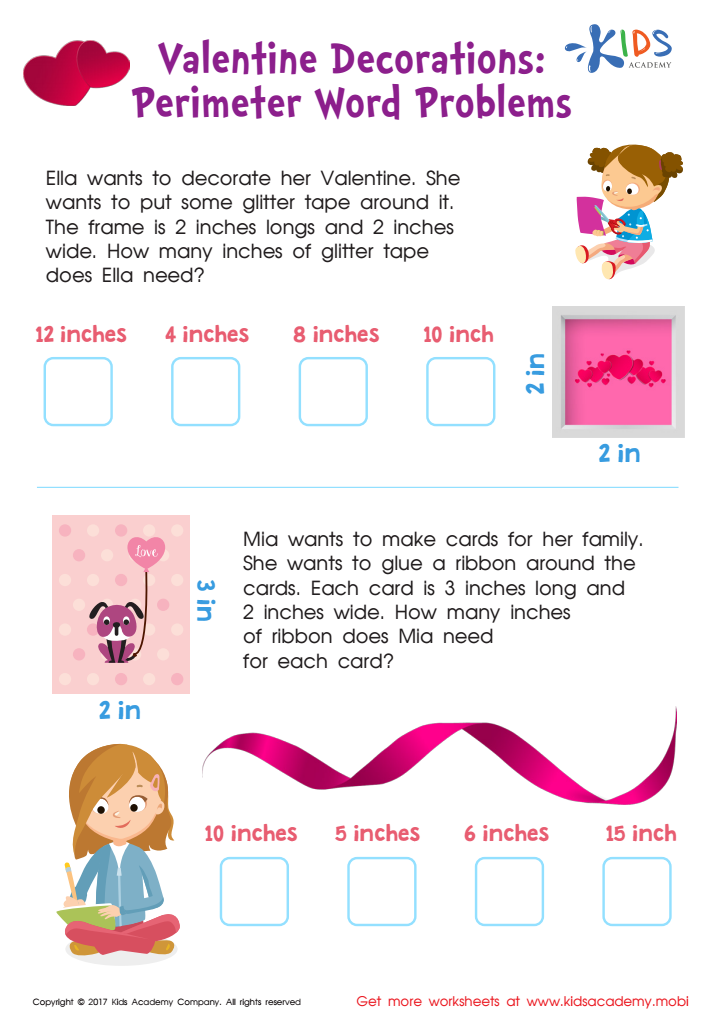
Perimeter Word Problems Worksheet







Applying math concepts for children aged 4-8 is crucial for several reasons. First, this age range constitutes a vital period in cognitive development, where children begin to grasp foundational mathematical concepts such as counting, addition, and patterns. Engaging with math in playful and meaningful ways helps cultivate a positive attitude toward the subject, ensuring that children view it not just as a series of abstract rules but as a useful tool for everyday life.
Moreover, real-world applications of math concepts, such as measuring ingredients while cooking or organizing toys by size and shape, promote critical thinking and problem-solving skills. This hands-on approach helps children make connections between mathematical theory and practical situations, thereby enhancing their understanding and retention of these concepts.
Additionally, early exposure to applied math fosters a growth mindset, encouraging perseverance as children tackle challenges and learn from mistakes. As parents and teachers actively model and support these mathematical experiences, they not only enrich children's intellectual development but also build confidence and resilience.
Ultimately, nurturing a strong mathematical foundation at this young age sets the stage for future academic successes and instills lifelong skills that empower children to navigate an increasingly complex world.








