Basic math learning Worksheets for Ages 4-8
3 filtered results
-
From - To
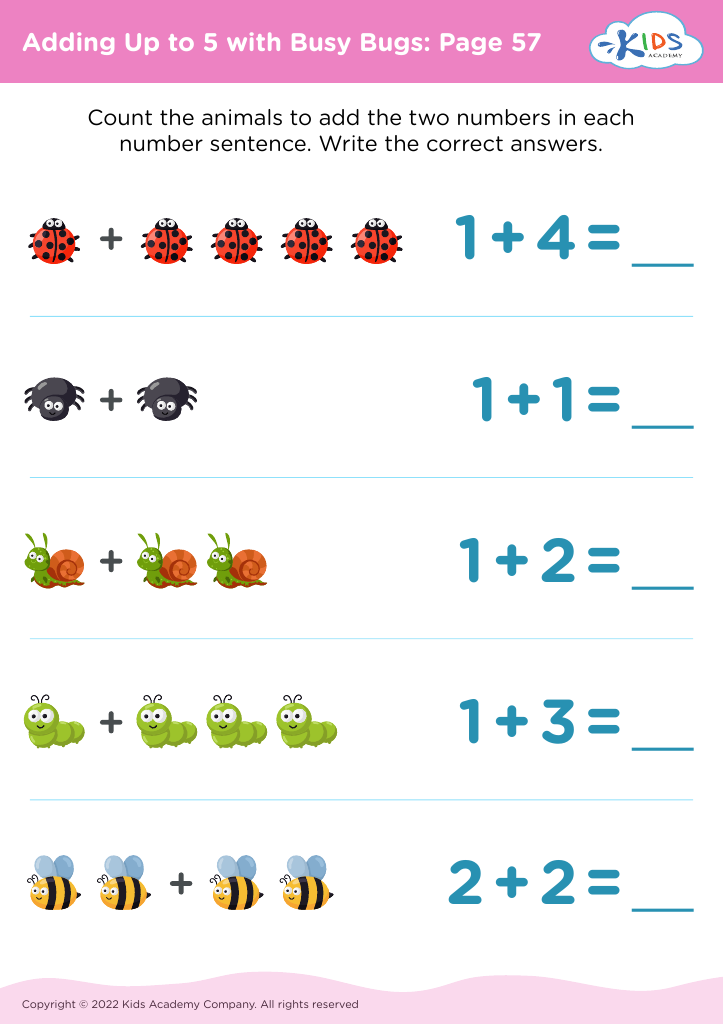
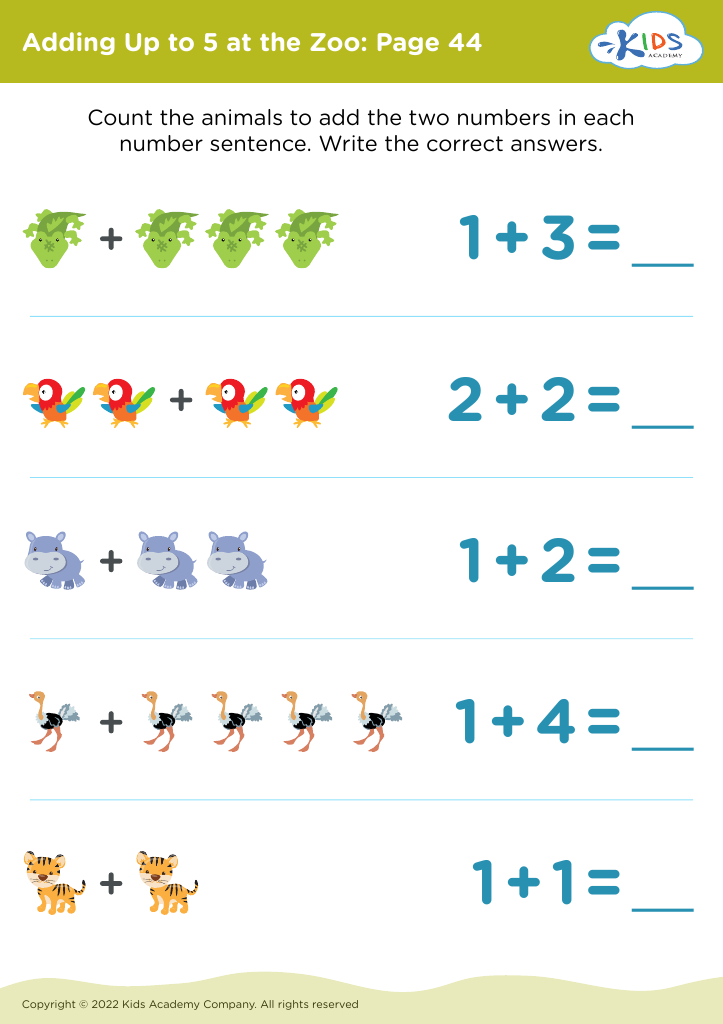
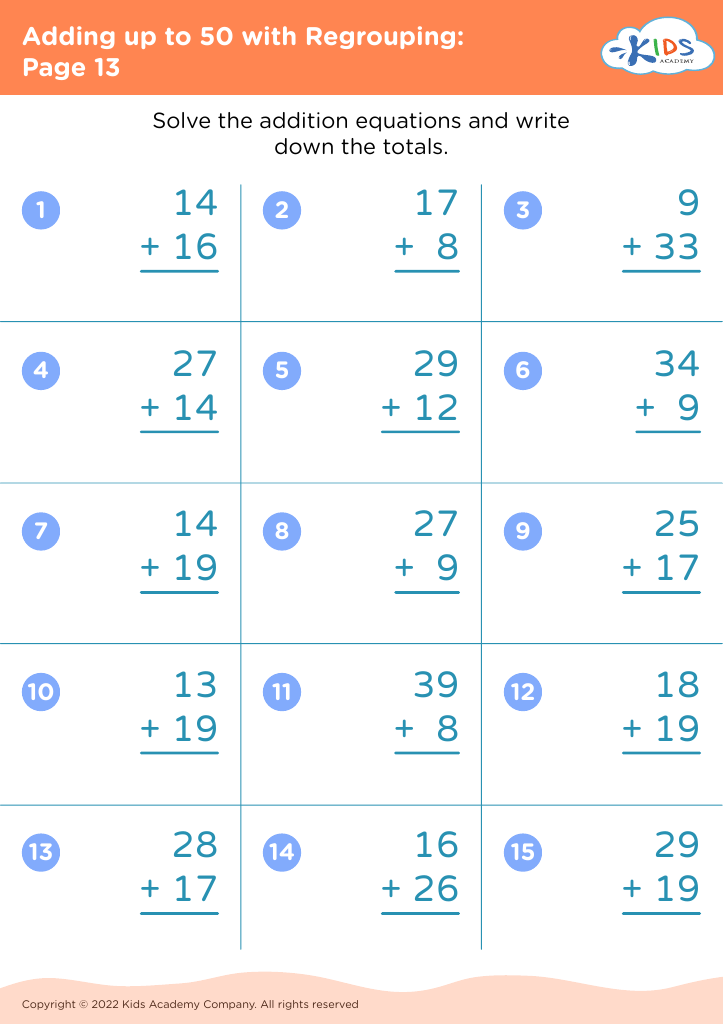
Discover our engaging and expertly designed Basic Math Learning Worksheets for children ages 4-8! These fun, interactive worksheets are crafted to make essential early math skills, including counting, addition, subtraction, and more, both enjoyable and easy to grasp. With appealing visuals and a child-friendly approach, our worksheets cater to different skill levels, providing the perfect foundation for young learners. Whether for homeschooling or supplementary practice, trust our resources to support your children's learning journey and build their confidence in math. Explore our collection today and watch your little ones thrive!




.jpg)


Basic math learning for ages 4-8 is crucial, and parents and teachers must prioritize it for several reasons. Firstly, early math skills form the foundation for all future mathematical learning. Concepts like counting, number recognition, and basic arithmetic are the building blocks for more complex topics such as algebra and geometry encountered in later grades. Secondly, developing math skills at a young age enhances problem-solving abilities, critical thinking, and logical reasoning—skills that are essential in everyday life and across various professions.
Moreover, early mastery of math boosts a child’s confidence and attitude towards the subject. Positive mathematical experiences in early childhood can foster a lifelong interest and proficiency in math, whereas struggles at this stage might lead to math anxiety. Numeracy is equally important for daily activities such as telling time, understanding money, and cooking, thus helping children connect academic learning with real-world applications.
Finally, research has shown that early math skills are strong predictors of academic success not just in math, but in reading and overall school performance. By ensuring children grasp basic math concepts at an early age, parents and teachers are setting them up for academic success, self-confidence, and critical life skills. Investing in early math education is, therefore, a pivotal step in any child’s educational journey.








