Develop problem-solving skills Worksheets for Ages 4-8
11 filtered results
-
From - To
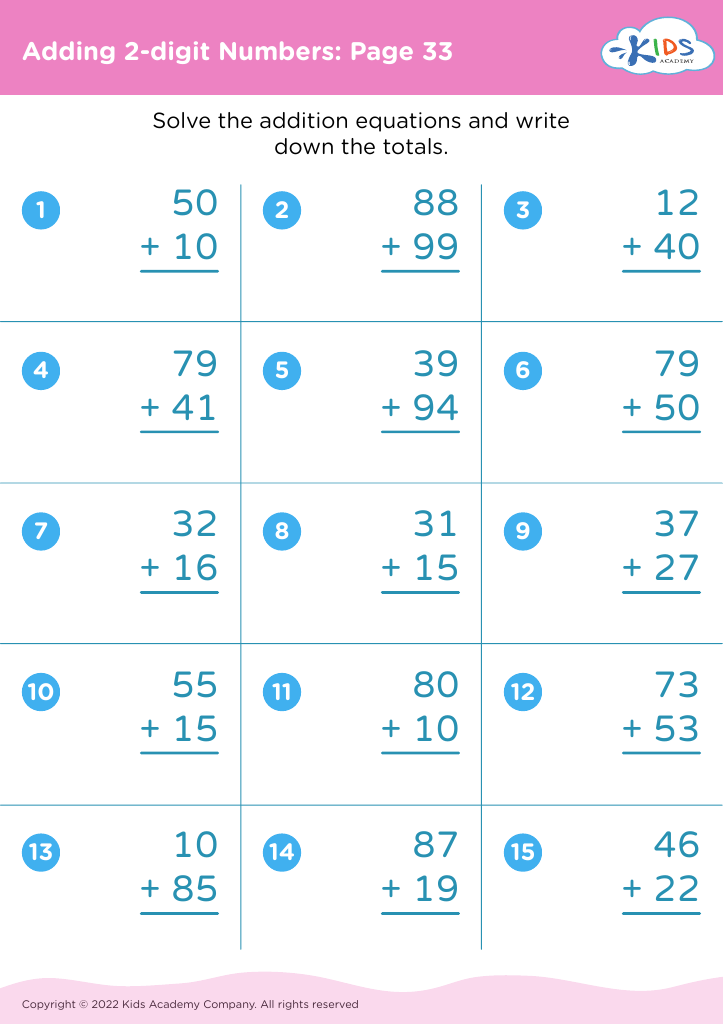
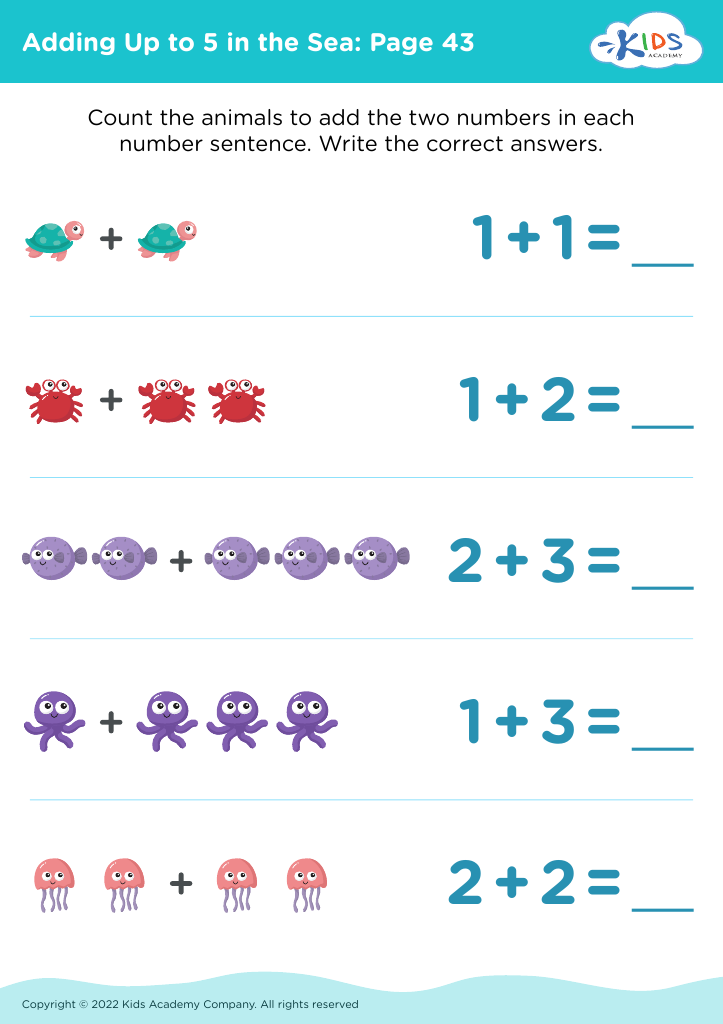
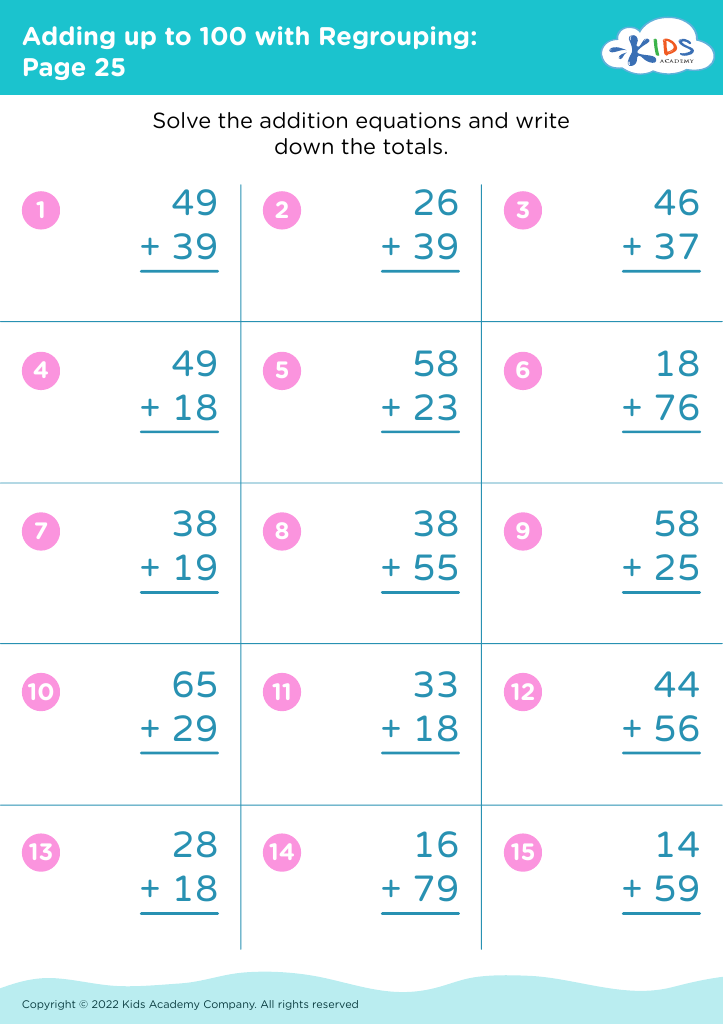
Enhance your child's critical thinking abilities with our "Develop Problem-Solving Skills Worksheets" designed for ages 4-8. These engaging worksheets feature diverse activities that challenge young minds to think creatively and logically. From simple puzzles and interactive games to real-life scenarios, our materials encourage children to analyze, hypothesize, and evaluate solutions. Perfect for parents and educators, these worksheets not only foster problem-solving skills but also promote independence, collaboration, and confidence in young learners. Dive into our collection and empower your child with the essential tools to navigate challenges and build a strong foundation for lifelong learning. Explore the fun today!
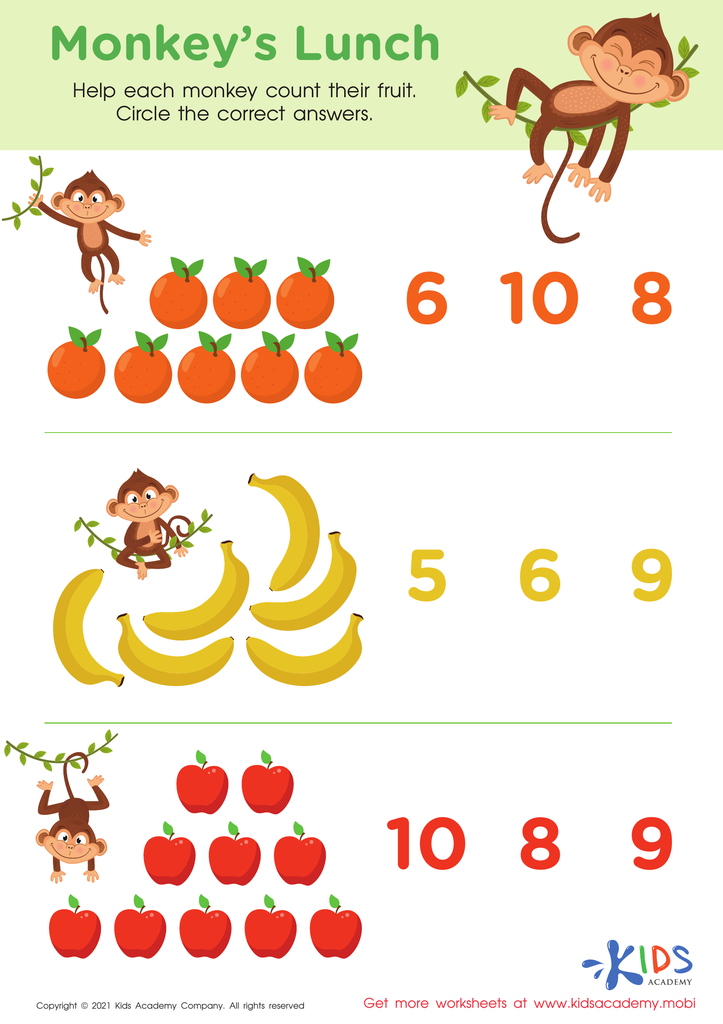
Monkey’s Lunch Worksheet
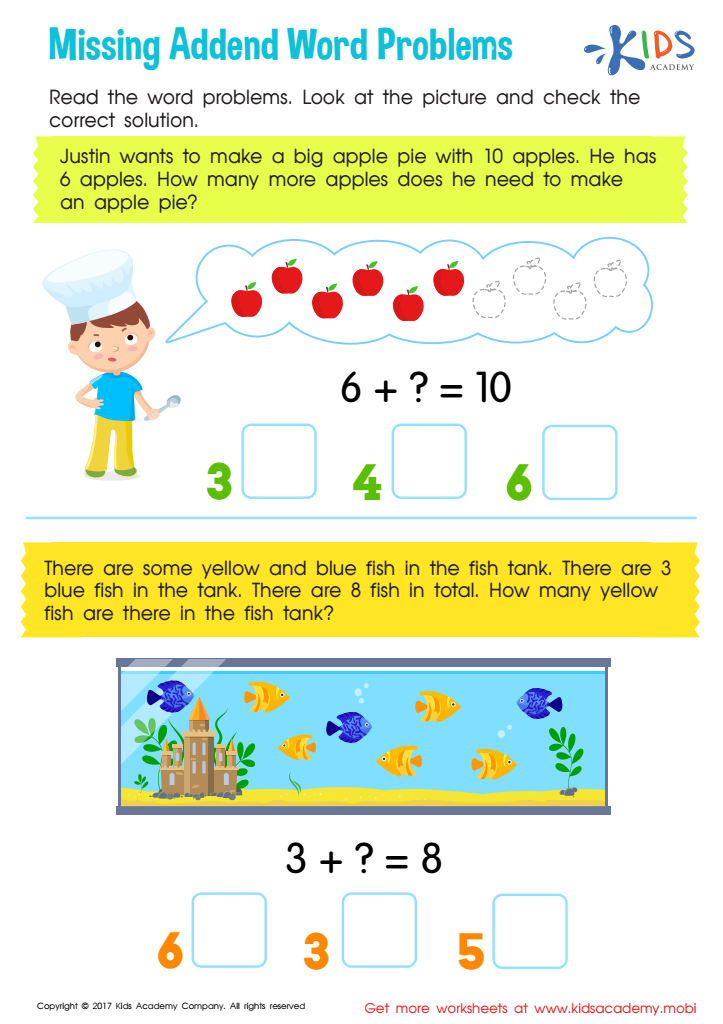
Missing Addend Word Problems Worksheet
 Assign to My Students
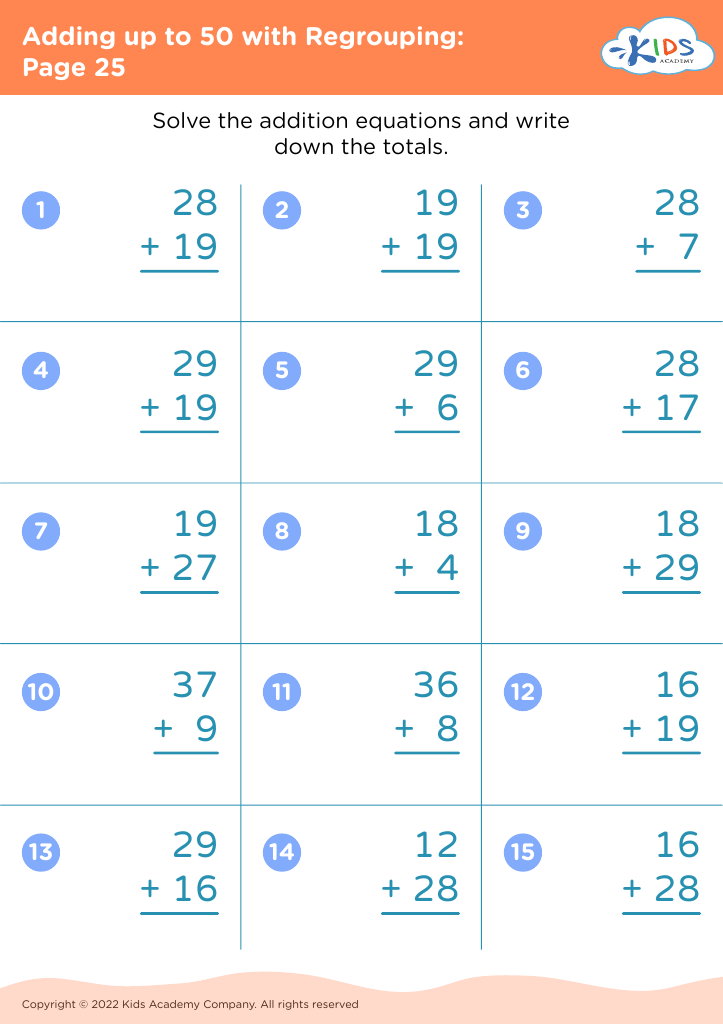
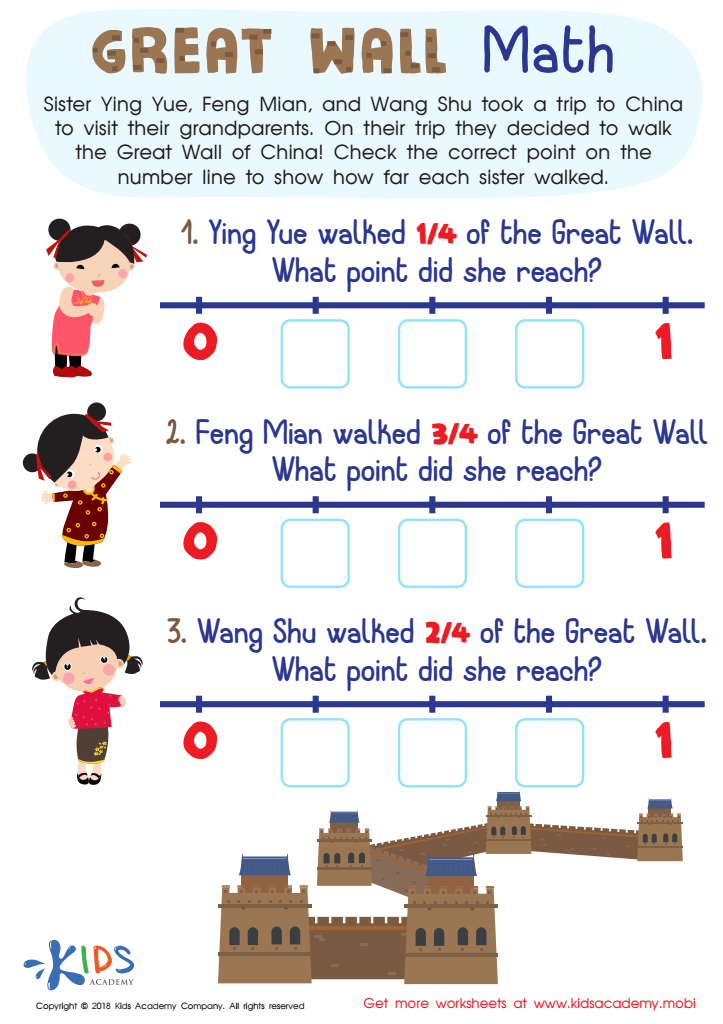
Great Wall Math Worksheet








Developing problem-solving skills in children aged 4-8 is crucial for their overall growth and acquisition of essential life skills. At this age, children are naturally curious and eager to explore their environment. By encouraging problem-solving, parents and teachers can harness this energy, guiding children toward critical thinking, creativity, and resilience.
Problem-solving activities promote cognitive development, teaching children how to analyze situations, weigh options, and make decisions. These skills are foundational for academic success and personal relationships. When children face challenges, they learn to view obstacles as opportunities for growth, fostering a can-do attitude that will benefit them throughout their lives.
Moreover, these skills enhance collaboration and communication, as children often engage in group activities where they must convey their thoughts and listen to others. This builds social skills and emotional intelligence, crucial for navigating the complexities of interactions later in life.
As adults, fostering problem-solving skills now lays a foundation for lifelong learning, adaptability, and perseverance. The implications extend beyond the classroom, preparing children for a future where innovation and critical thinking are highly valued. Therefore, both parents and teachers should prioritize cultivating these skills in young learners for a brighter, more capable future.








