Financial literacy Worksheets for Ages 4-8
6 filtered results
-
From - To
Explore our engaging Financial Literacy Worksheets designed specifically for children aged 4-8! These fun, interactive resources foster essential money skills in young learners, making complex concepts simple and accessible. Our worksheets cover topics like counting, saving, and understanding the basics of spending, all tailored to encourage early financial knowledge. Each activity promotes critical thinking and problem-solving, ensuring kids develop a solid foundation for handling money. Perfect for families and classrooms alike, our worksheets will cultivate good money habits in your little ones while keeping learning enjoyable and interactive. Download them today and set your child on the path to financial empowerment!
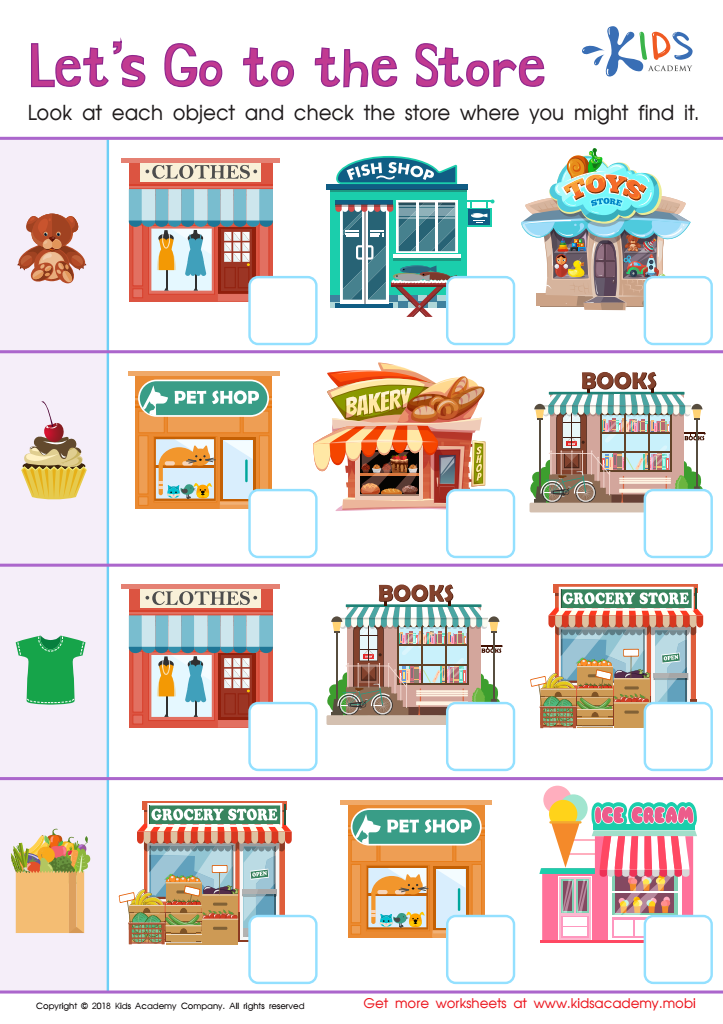
Let's Go to the Store! Worksheet
 Assign to My Students
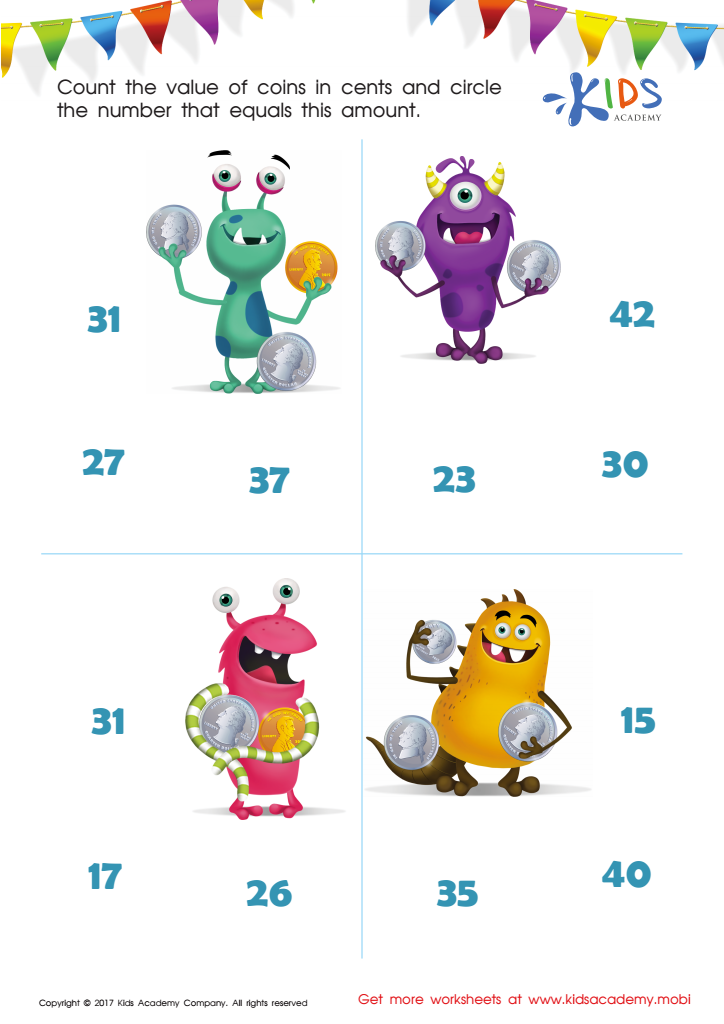
How Many Coins Money Worksheet

Recognizing Money Money Worksheet
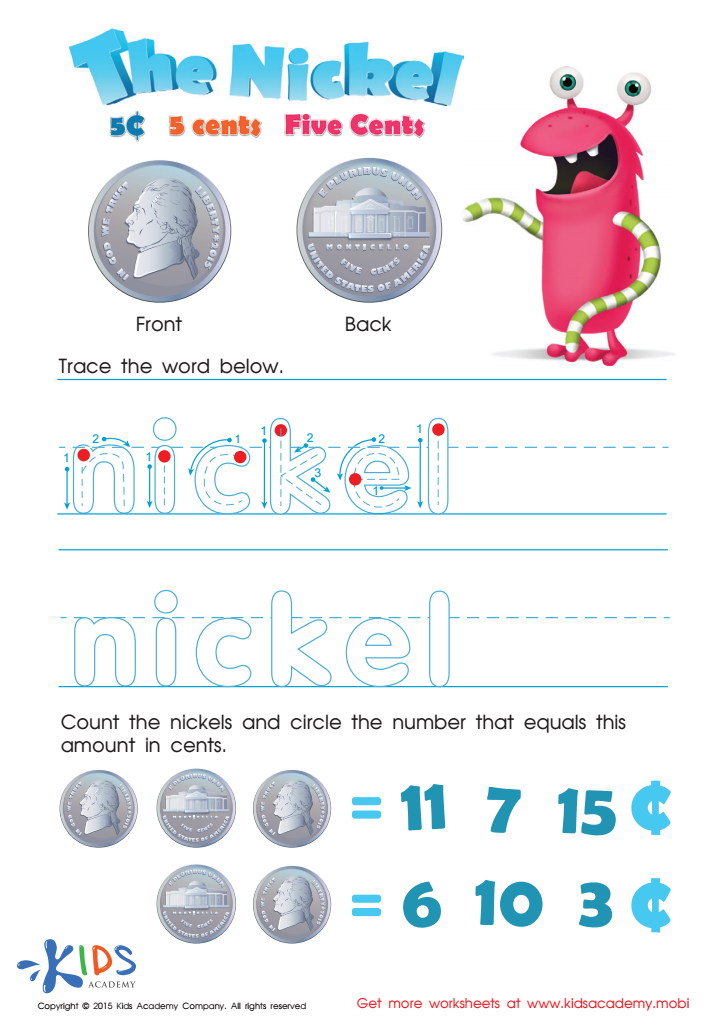
Five Cents or the Nickel Money Worksheet
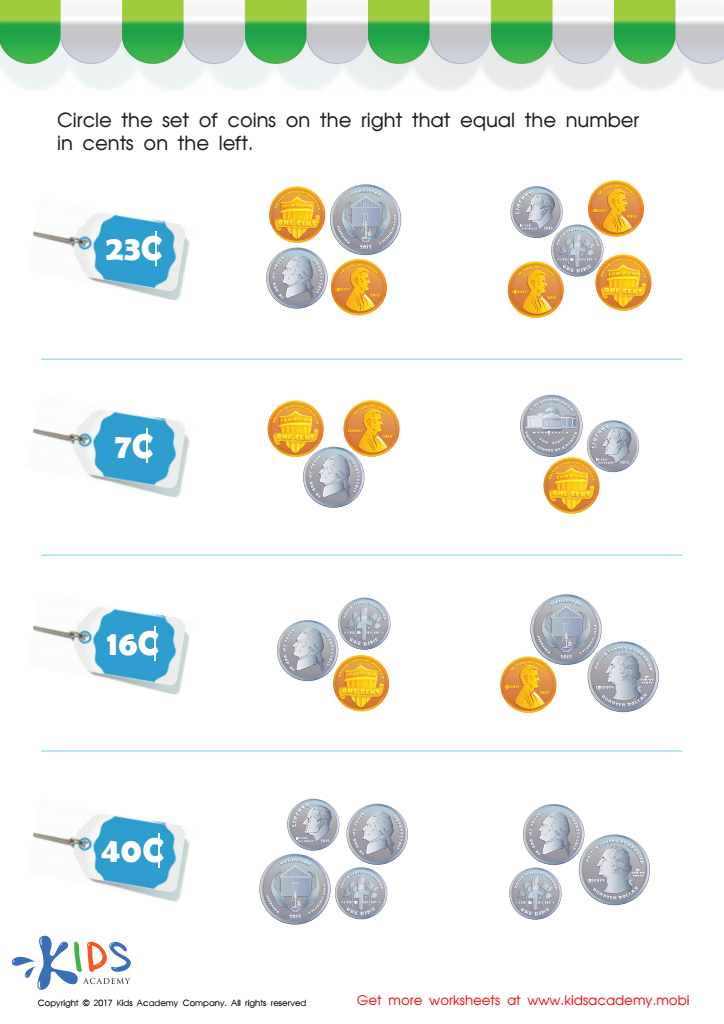
Picking the Coins You Need Money Worksheet


.jpg)





Financial literacy for children aged 4-8 is crucial as it lays the foundation for their future financial wellbeing. At this age, children are naturally curious and are beginning to understand basic concepts about money, which makes it an ideal time to introduce financial education. By engaging in discussions about money, parents and teachers can help children learn essential skills such as counting, saving, and making choices, fostering critical thinking and decision-making abilities.
Developing financial literacy early encourages children to appreciate the value of money and understand the importance of budgeting. It helps them grasp the difference between wants and needs, promoting responsible spending habits from a young age. Teaching children about saving can instill a sense of delay gratification and patience, skills that are vital for long-term financial success.
Additionally, introducing financial concepts through engaging activities, games, and stories makes the learning process enjoyable and memorable. By taking an active role in financial education, parents and teachers empower children to build confidence in managing money, which can lead to healthier financial habits as they grow. Ultimately, fostering financial literacy helps create a generation of financially savvy individuals who are better equipped to navigate the complexities of personal finances in the future.








