Enhance your child's vocabulary with our engaging Improve Vocabulary Worksheets specifically designed for children ages 4 to 8. These worksheets are perfect for early learners, featuring fun activities that promote word recognition and usage in context. Through colorful illustrations and interactive exercises, kids will expand their vocabulary while honing essential language skills. Each worksheet is crafted to inspire creativity and encourage a love for words. Whether at home or in the classroom, our resources support early literacy development and lay a solid foundation for lifelong learning. Unlock the power of language today with our exciting vocabulary-building worksheets!

Check out this FREE "Improve vocabulary" Trial Lesson for age 4-8!

Decode Two Syllable Words

Favorites
With answer key
Interactive
  • 4-8
  • Improve vocabulary
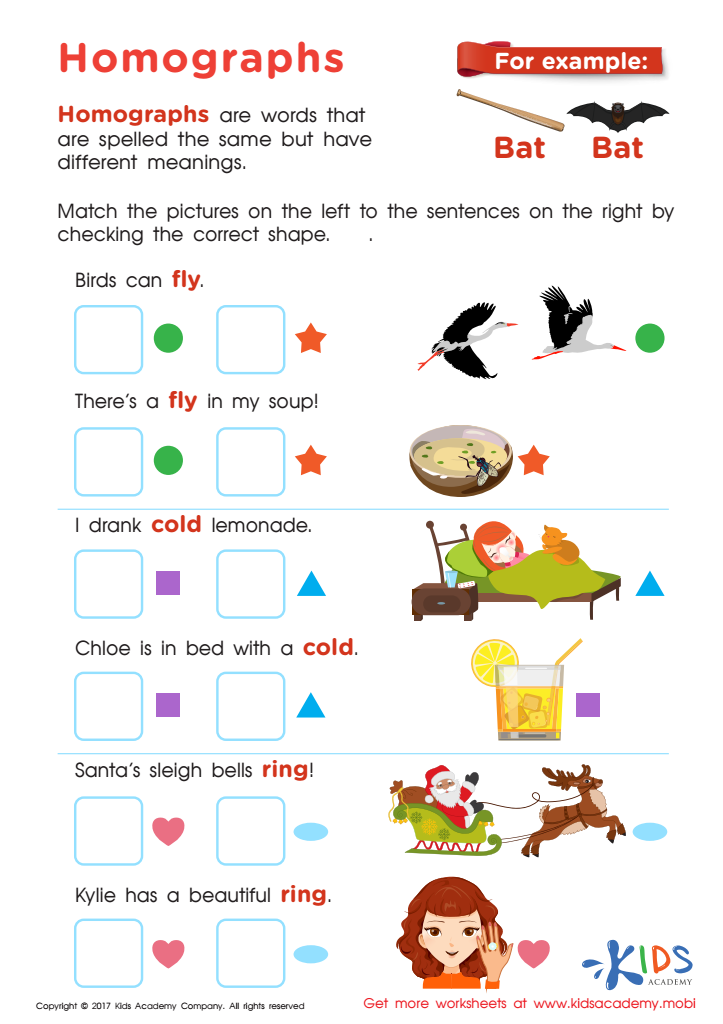
Homographs free printable worksheet

Homographs Free Printable Worksheet

Homographs can be tricky for kids. Help them gain valuable practice with this free printable worksheet. It has a selection of funny words with double meanings, and can be a great learning experience!
Homographs Free Printable Worksheet
Worksheet
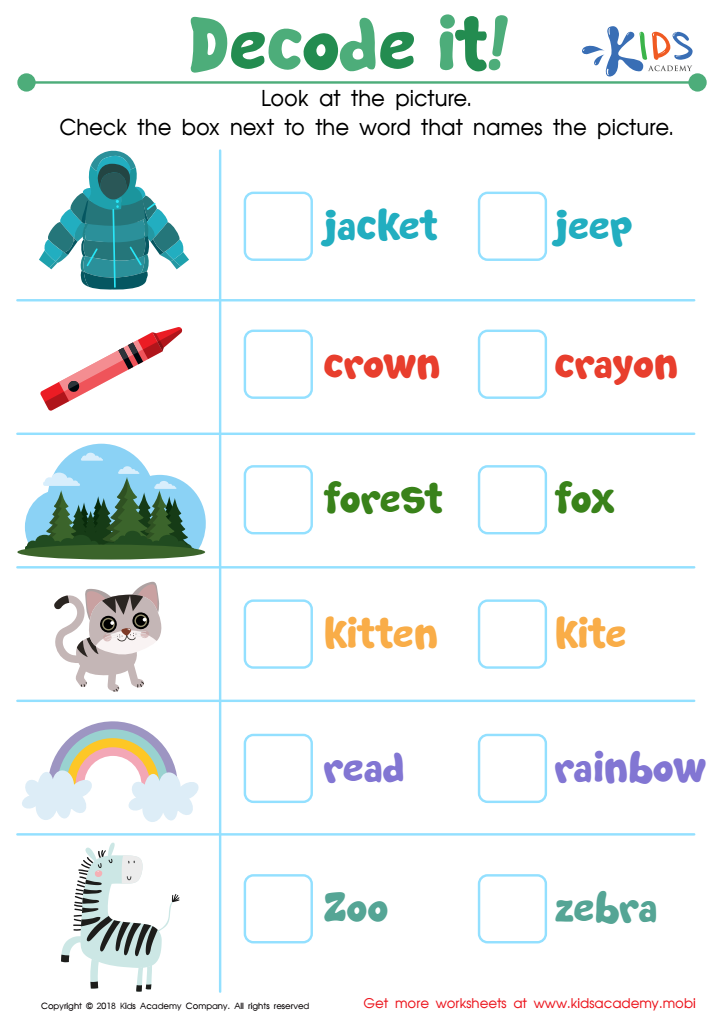
Reading: Decode It Worksheet

Reading: Decode It Worksheet

Look at the picture and circle the word that names it. This exercise helps kids practice picture cues and decoding words, with the same beginning sound. It builds their fluency and comprehension, giving them the skills to read unfamiliar words.
Reading: Decode It Worksheet
Worksheet
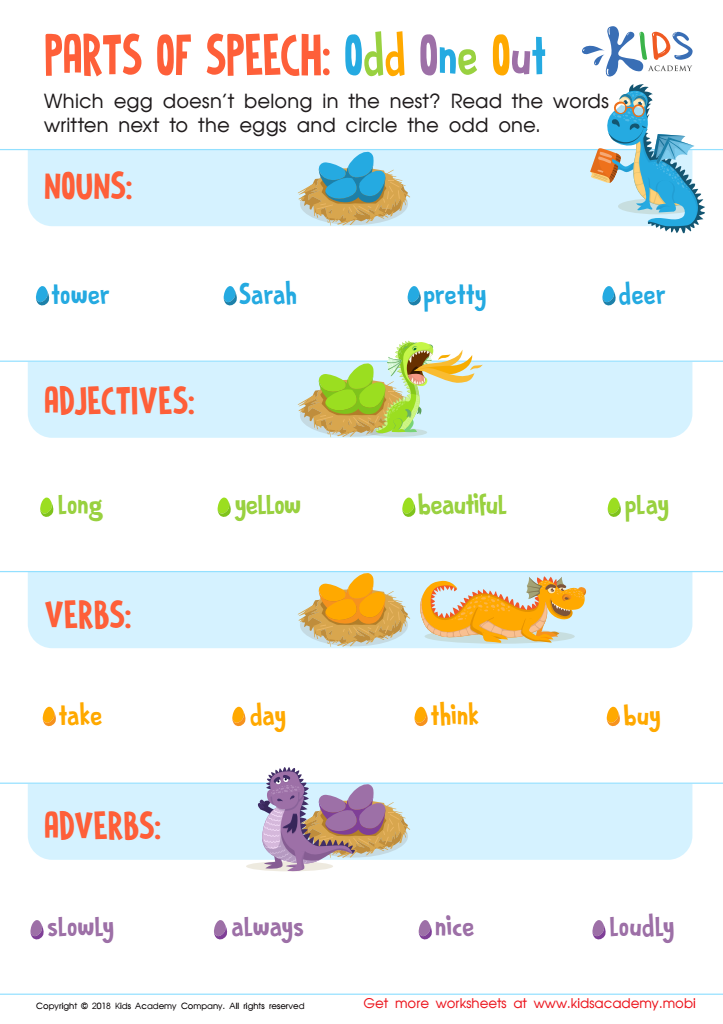
Parts of speech: odd one out

Parts of Speech: Odd One Out Worksheet
Test your child's grammar knowledge with Parts of Speech: Odd One Out! This dragon-themed worksheet will get their creative juices flowing as they read each word, identify its part of speech, and identify the odd one out!
Parts of Speech: Odd One Out Worksheet
Worksheet
Homes Worksheet
Homes Worksheet

Homes Worksheet

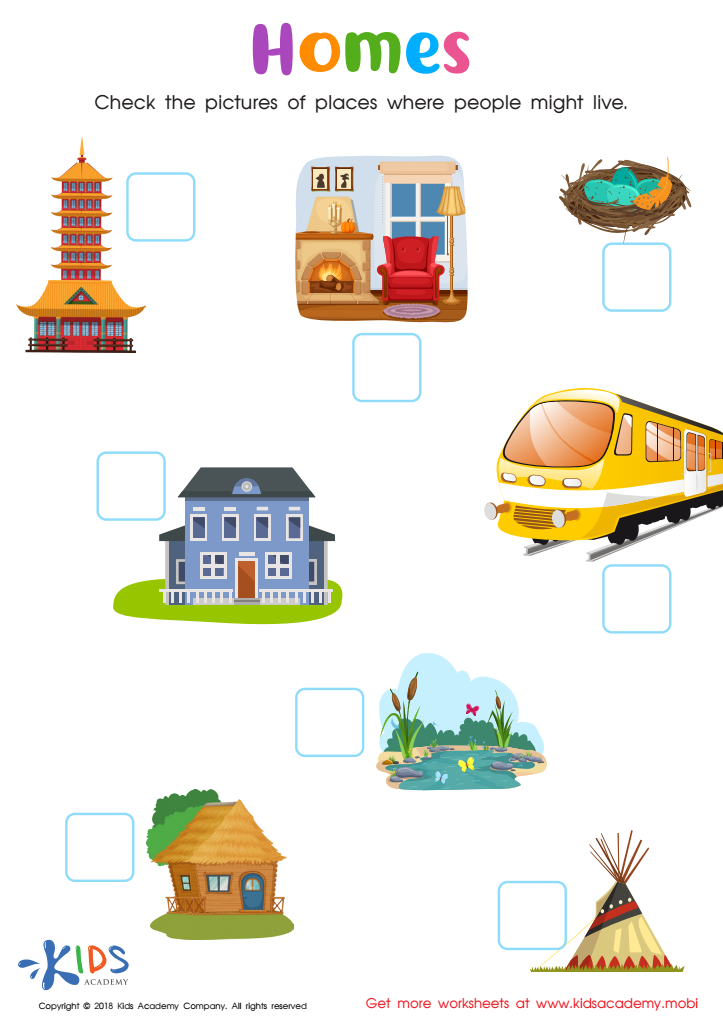
Explain to your child that a home is where people live. Ask if they have noticed homes of different shapes, sizes, and materials in the community. Then, look at the pictures in this worksheet and ask your child to check the ones that show places where people live.
Homes Worksheet
Worksheet
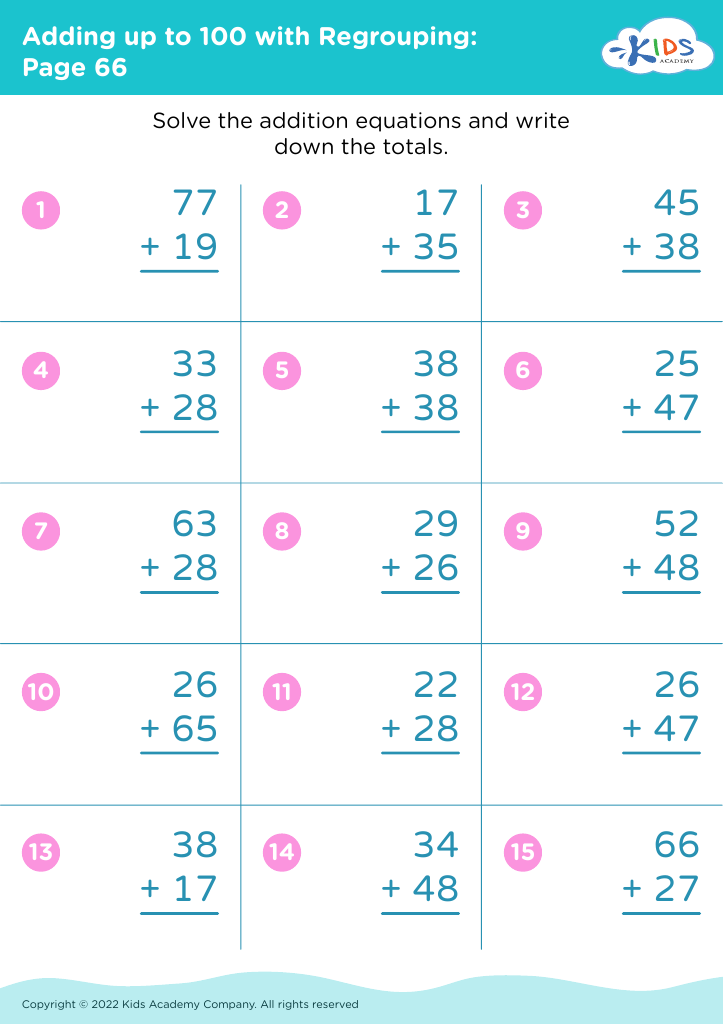
Adding up to 100 with Regrouping: Page 66
Worksheet
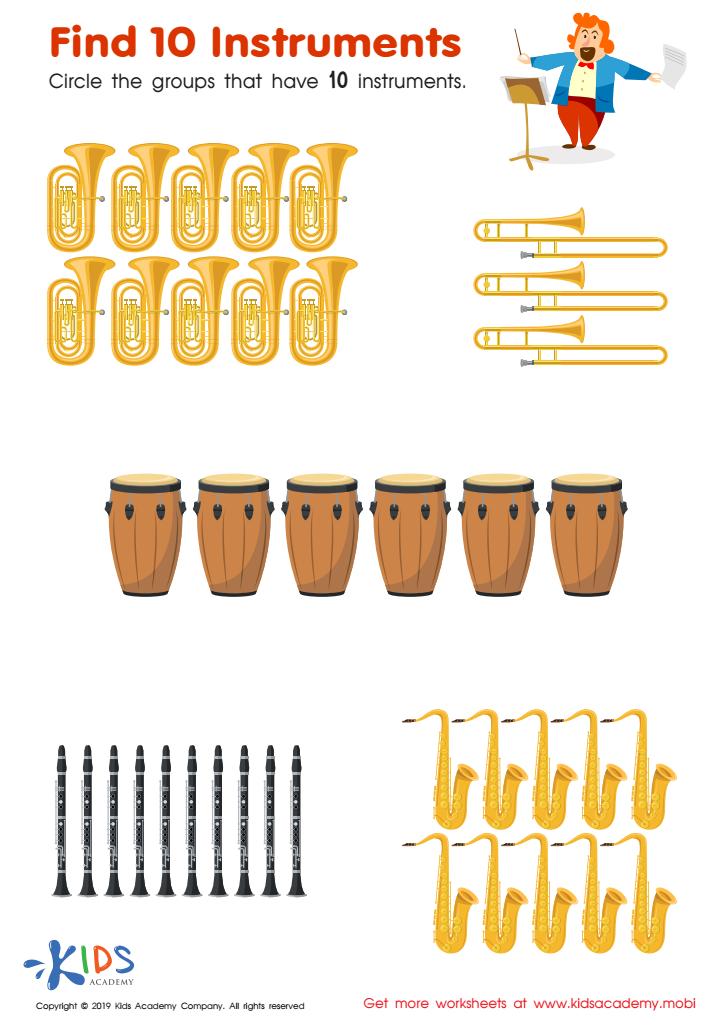
Find 10 Instruments Worksheet
Find 10 Instruments Worksheet
Teach your kids to count with educational DVDs, video games and this worksheet. Show them the picture and help them count the instruments, then circle the groups of 10. It's a great way to practice counting numbers, one of the first things they'll learn.
Find 10 Instruments Worksheet

Worksheet
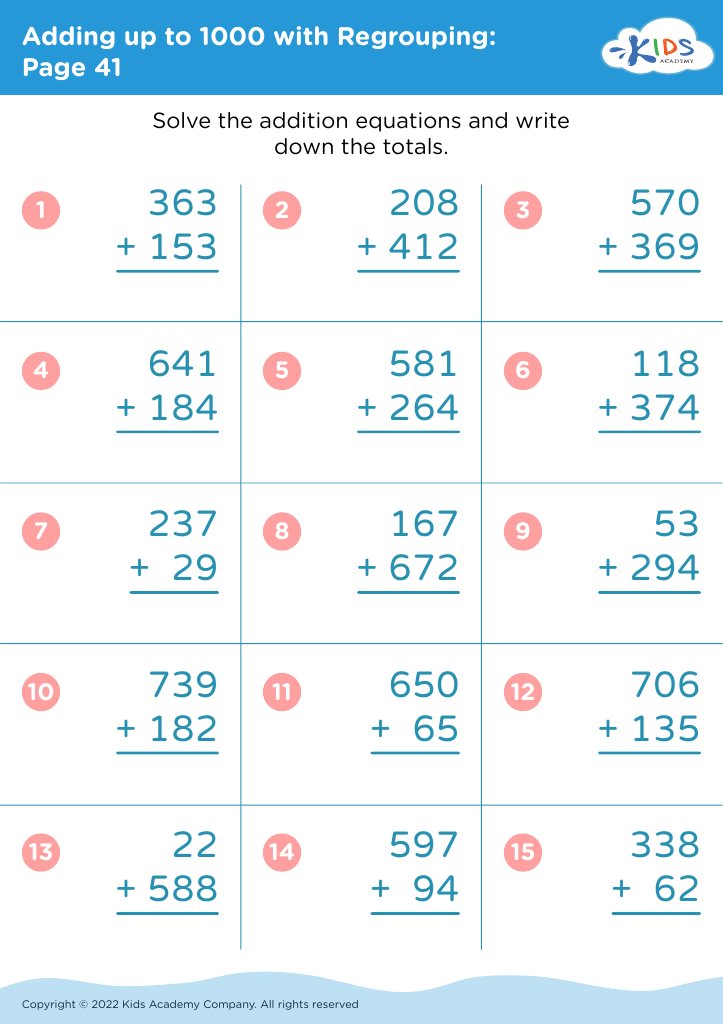
Adding up to 1000 with Regrouping: Page 41
Worksheet
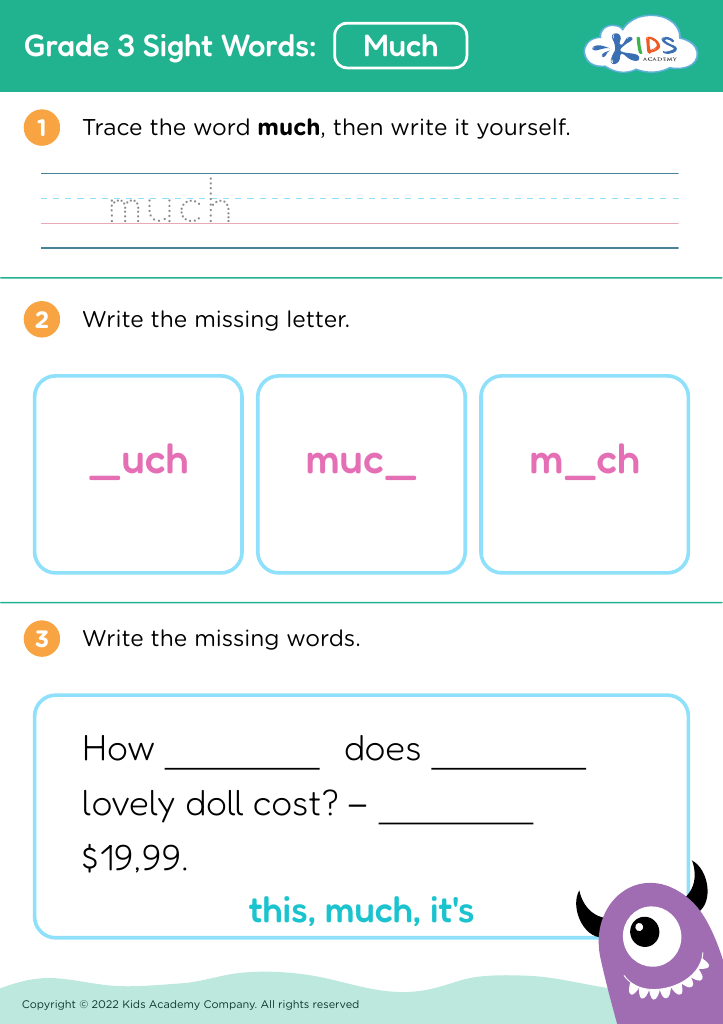
Grade 3 Sight Words: Much

Grade 3 Sight Words: Much

Grade 3 Sight Words: Much
Worksheet
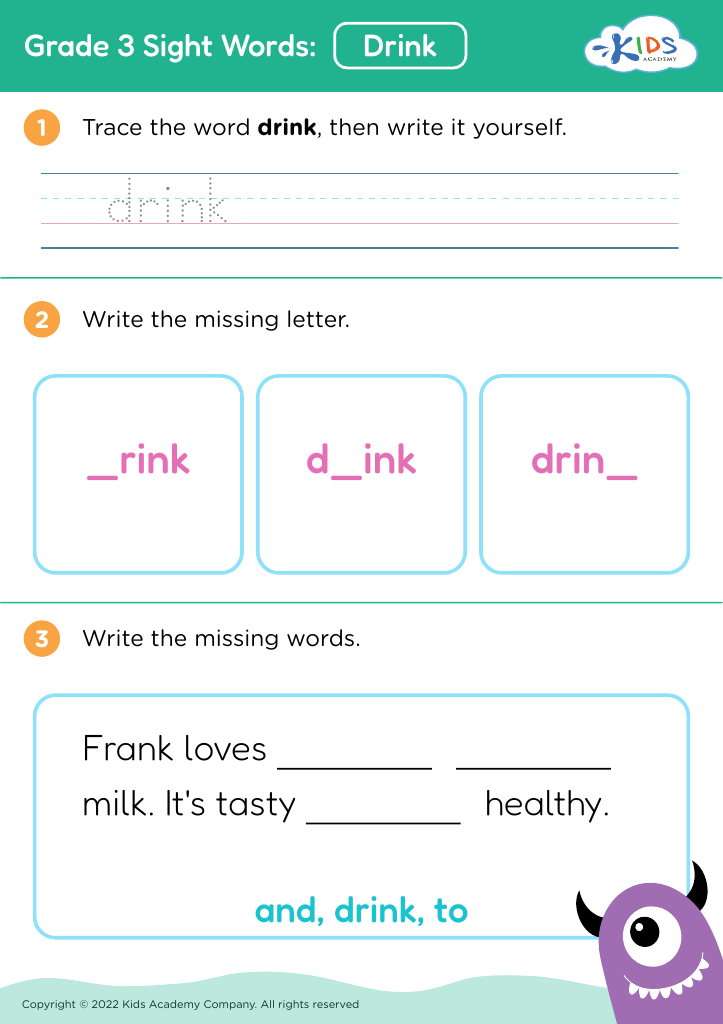
Grade 3 Sight Words: Drink

Grade 3 Sight Words: Drink

Grade 3 Sight Words: Drink
Worksheet
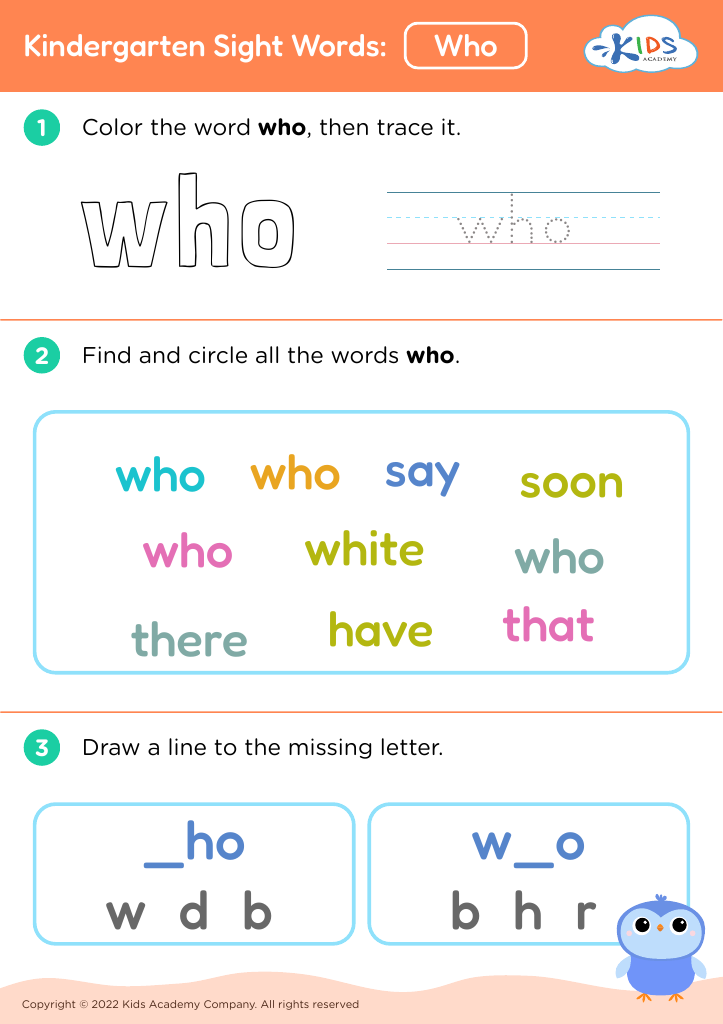
Kindergarten Sight Words: Who

Kindergarten Sight Words: Who

Kindergarten Sight Words: Who
Worksheet
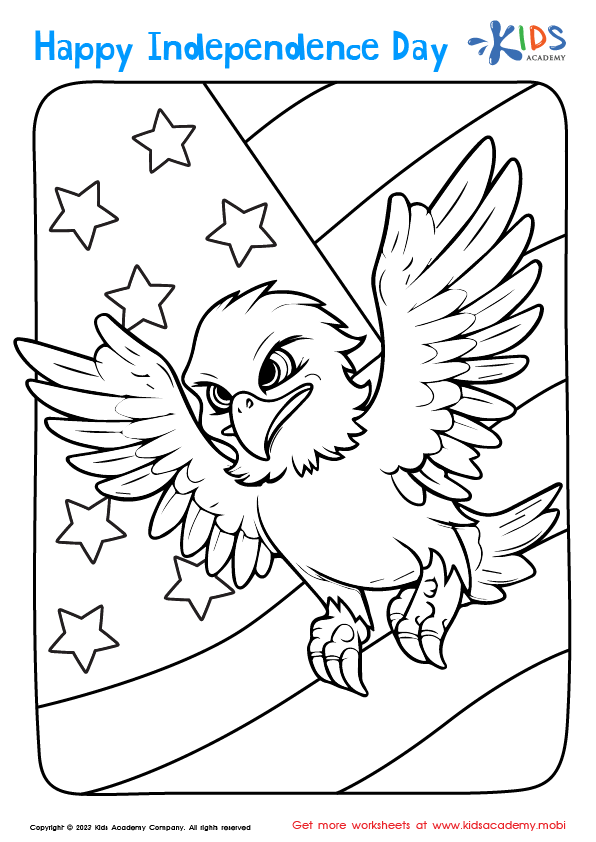
Independence Day: Eagle
Independence Day: Eagle Coloring Page for Kids
Worksheet


Improving vocabulary for children aged 4-8 is crucial for their overall development and future academic success. During these formative years, children are rapidly acquiring language skills that serve as the foundation for effective communication and learning. A rich vocabulary enhances their ability to express thoughts, understand complex ideas, and engage in meaningful conversations.

Parents and teachers should prioritize vocabulary development because it is closely linked to reading proficiency. Strong vocabulary skills allow children to comprehend and analyze texts more effectively, which is essential as they encounter more challenging material in school. Additionally, a robust vocabulary boosts self-esteem, helping children feel confident in sharing their ideas and participating in discussions.

Furthermore, vocabulary growth fosters critical thinking and problem-solving skills. When children encounter new words, they expand their understanding of the world around them, enabling them to make connections between concepts and ideas. Lastly, a well-developed vocabulary is vital for social interactions. Children who can articulate their feelings and thoughts clearly are more likely to build positive relationships with their peers. In essence, investing in vocabulary development during these early years lays the groundwork for lifelong learning, effective communication, and personal growth.