Logical thinking improvement Worksheets for Ages 4-8
5 filtered results
-
From - To
Enhance your child's logical thinking skills with our engaging worksheets designed for ages 4-8! Our collection encourages young learners to develop problem-solving abilities, critical thinking, and reasoning through fun, age-appropriate activities. These worksheets cultivate creativity while making learning enjoyable, featuring puzzles, patterns, and games that challenge your child's mind. Suitable for both home and classroom use, our resources accommodate different learning styles and promote independent thinking. Foster your child's cognitive growth and ensure a strong foundation in logical reasoning with our carefully crafted worksheets. Explore endless learning opportunities today to empower your child's development and set them on a path to success!
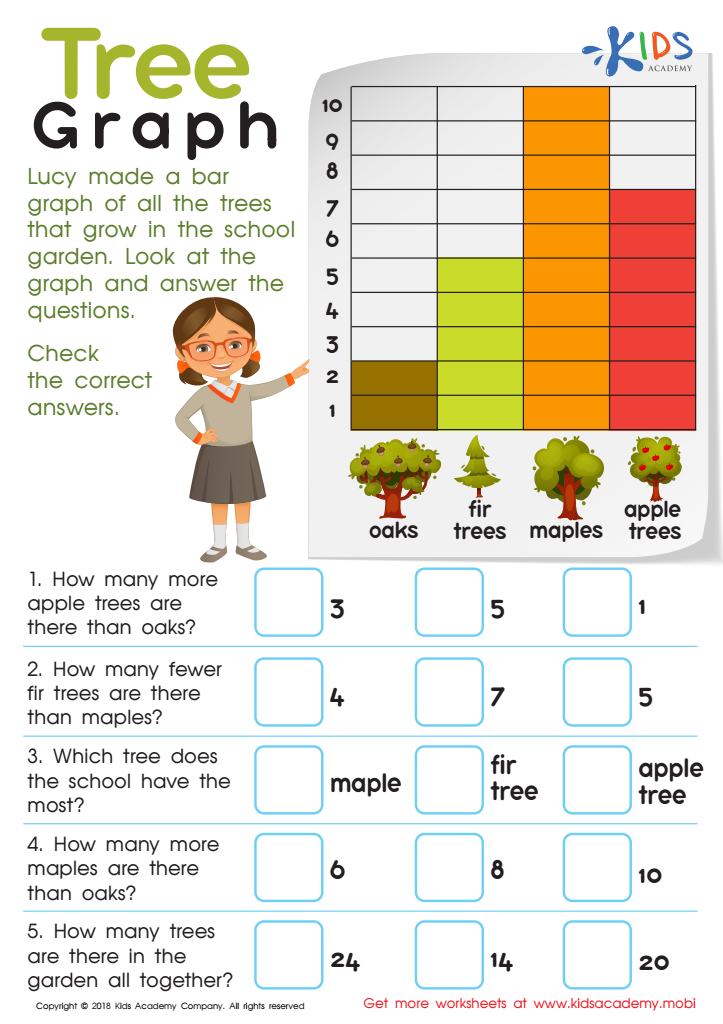
Tree Graph Worksheet
 Assign to My Students
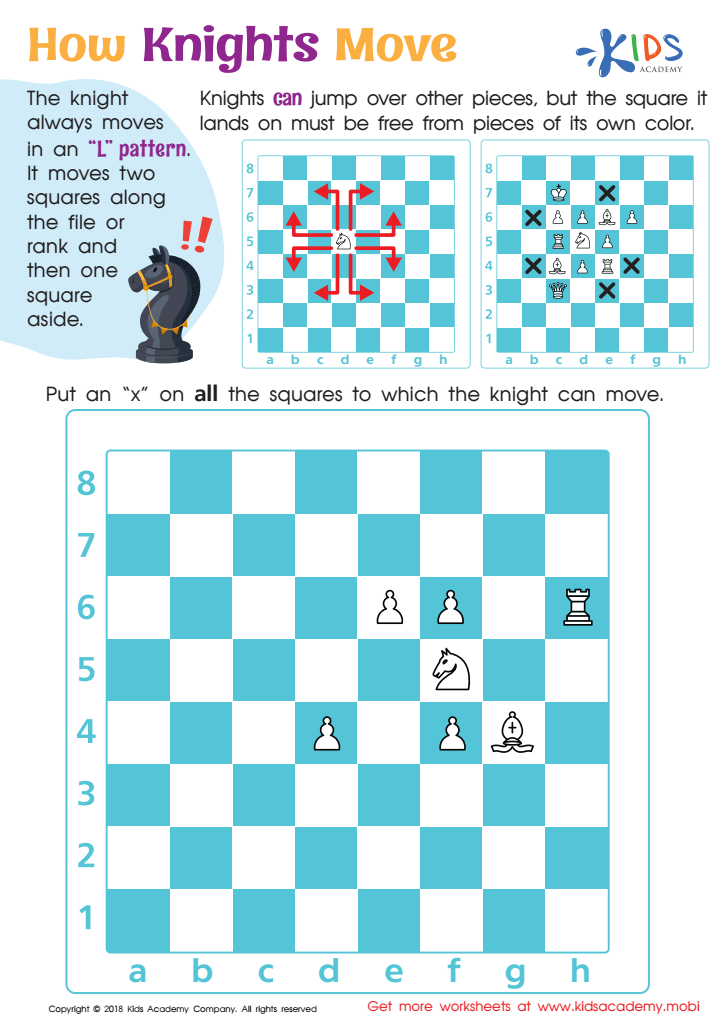
How Knights Move Worksheet
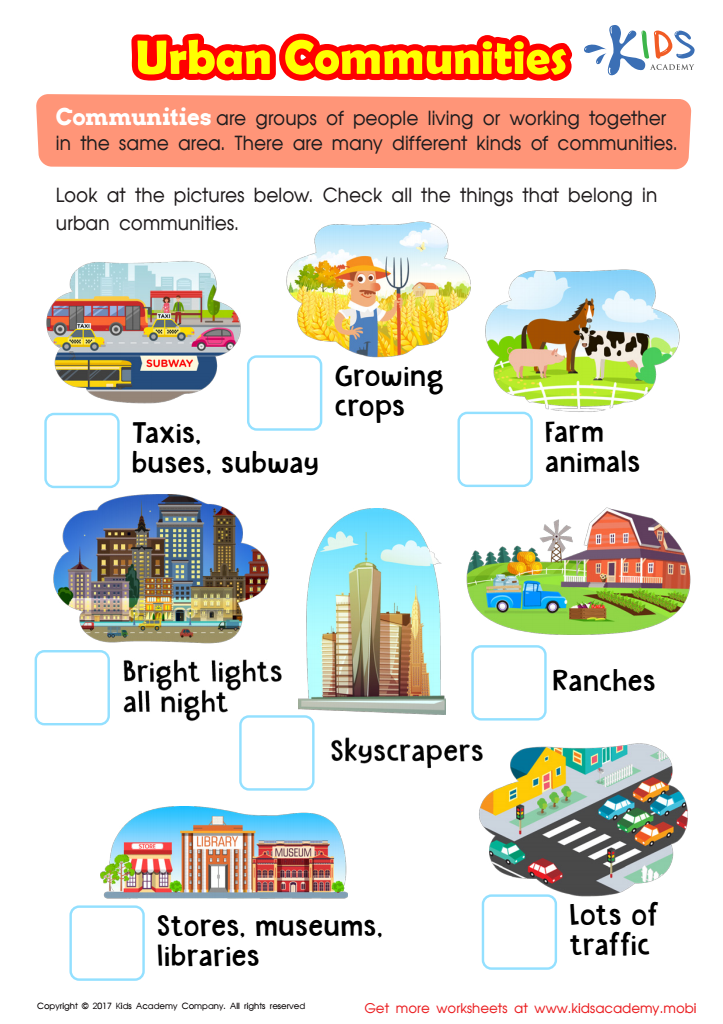
Urban Communities Printable

Two Rook Mate Practice Worksheet
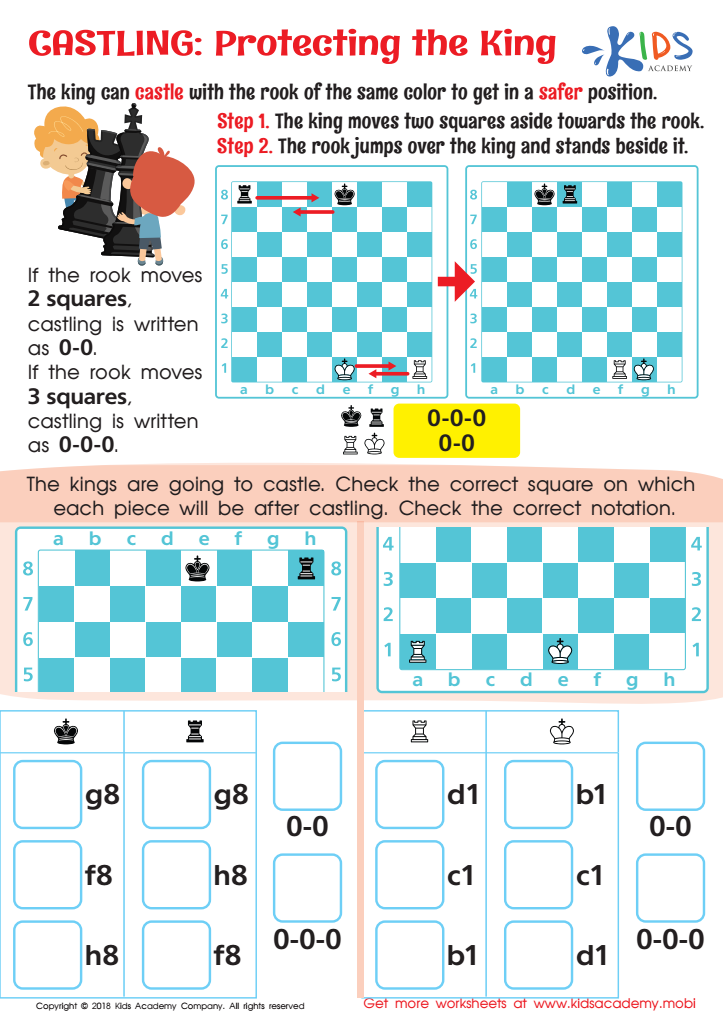
Castling: Protecting the King Worksheet








Logical thinking is a critical cognitive skill that develops significantly between the ages of 4 and 8, providing a foundation for future learning. Parents and teachers should prioritize its improvement because it plays a vital role in problem-solving, decision-making, and understanding complex concepts. At this stage, children's brains are highly receptive, and fostering logical thinking can enhance their ability to categorize information, identify patterns, and make basic inferences.
Engaging children in activities that promote logical thinking—such as puzzles, games, or storytelling—encourages their curiosity and creativity. This skill not only aids in academic subjects like math and science but also supports social development and emotional intelligence. By improving logical thinking, children learn how to approach challenges systematically, which boosts their confidence and resilience.
Additionally, fostering logical thinking helps children develop critical life skills, including reasoning and analytical abilities, that are essential as they progress through school and beyond. Investing in logical thinking from an early age prepares children to navigate their environments effectively, enhancing their readiness for complex tasks in later years. Therefore, both parents and teachers play a crucial role in cultivating these skills, ensuring that children have a solid foundation for lifelong learning.








