Spatial awareness Worksheets for Ages 4-8 - Page 3
57 filtered results
-
From - To
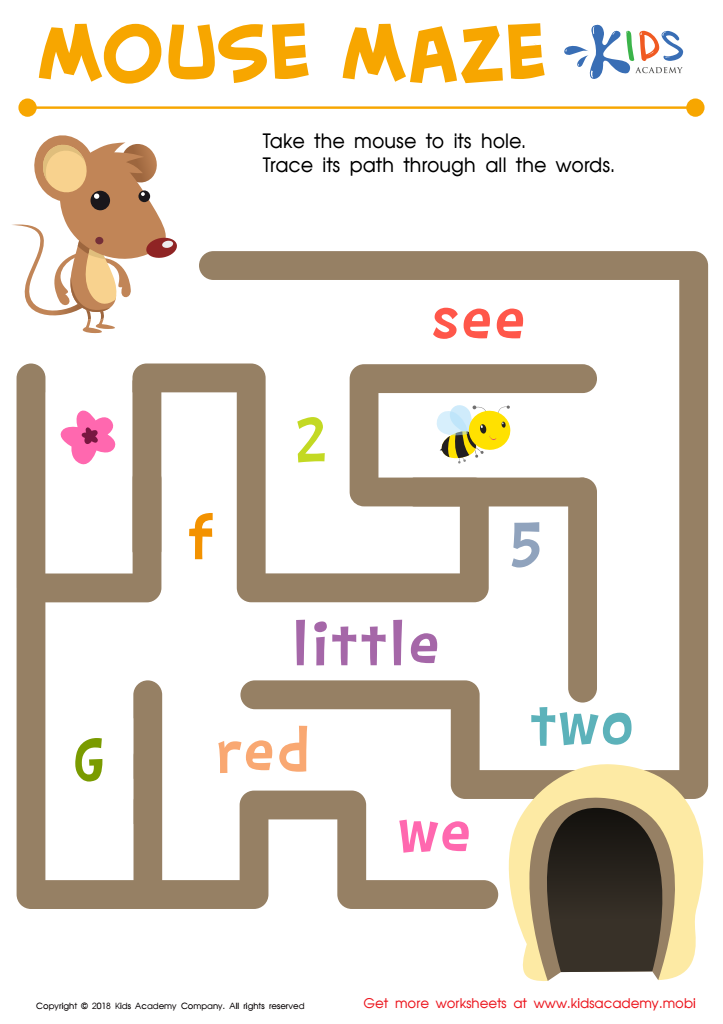
Find Words Mouse Maze Worksheet
 Assign to My Students
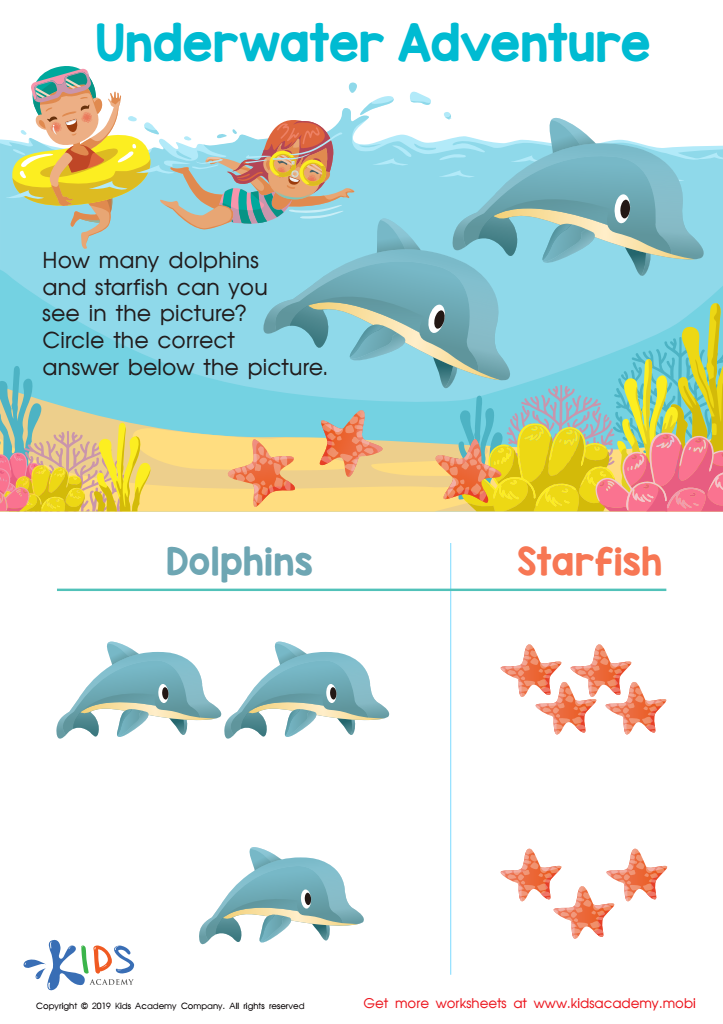
Underwater Adventure Worksheet
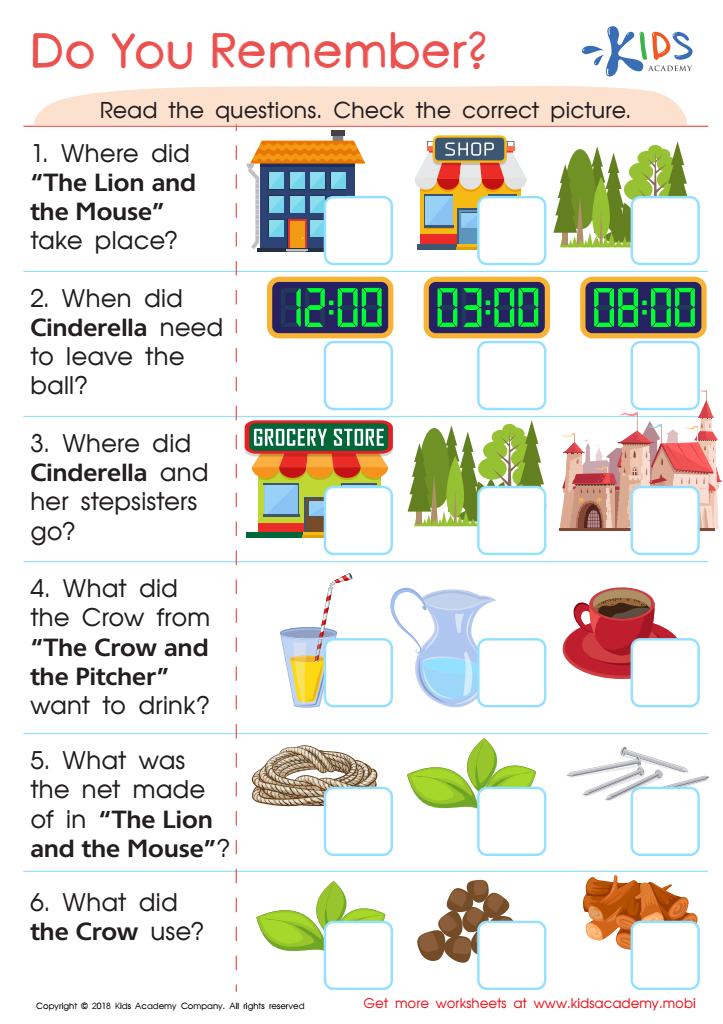
Do You Remember? Worksheet
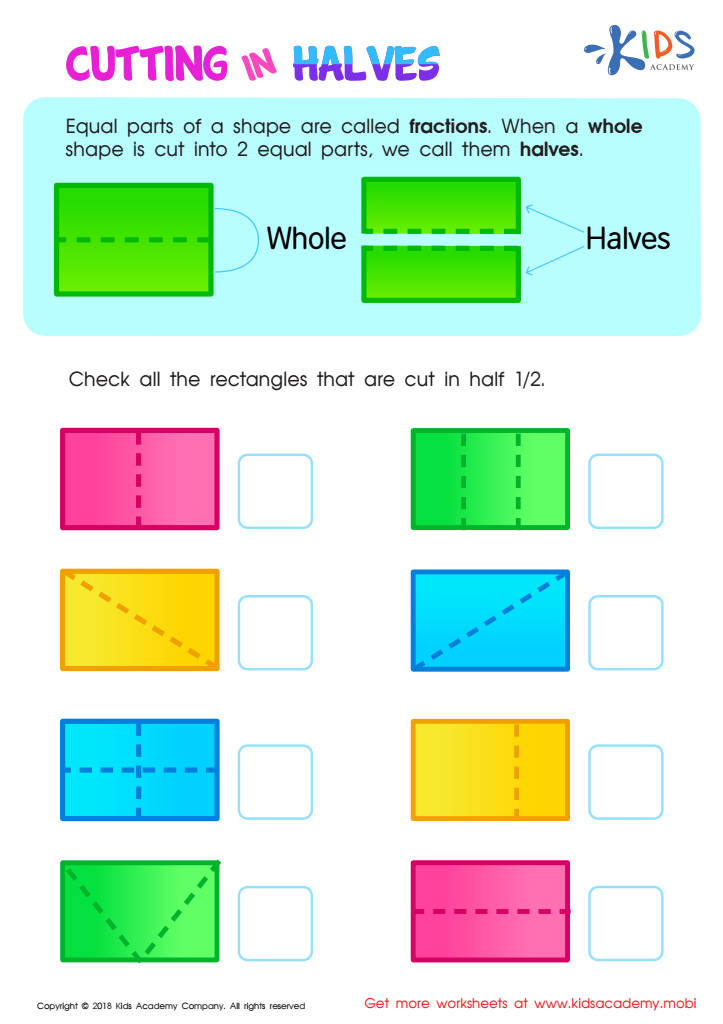
Cutting in Halves Worksheet
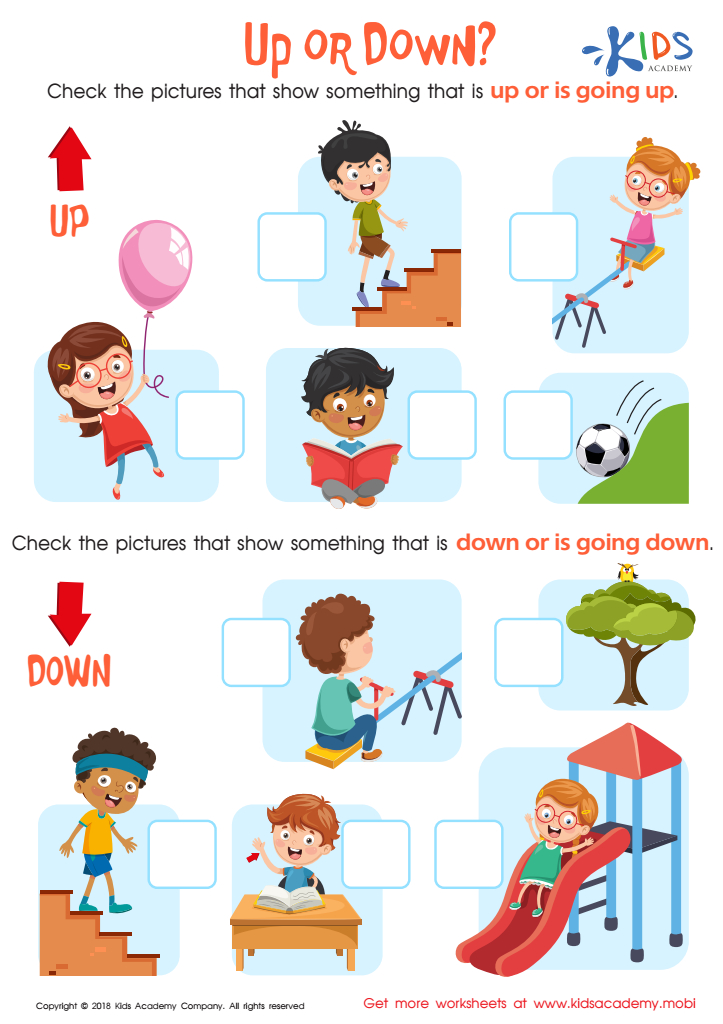
Up or Down Worksheet
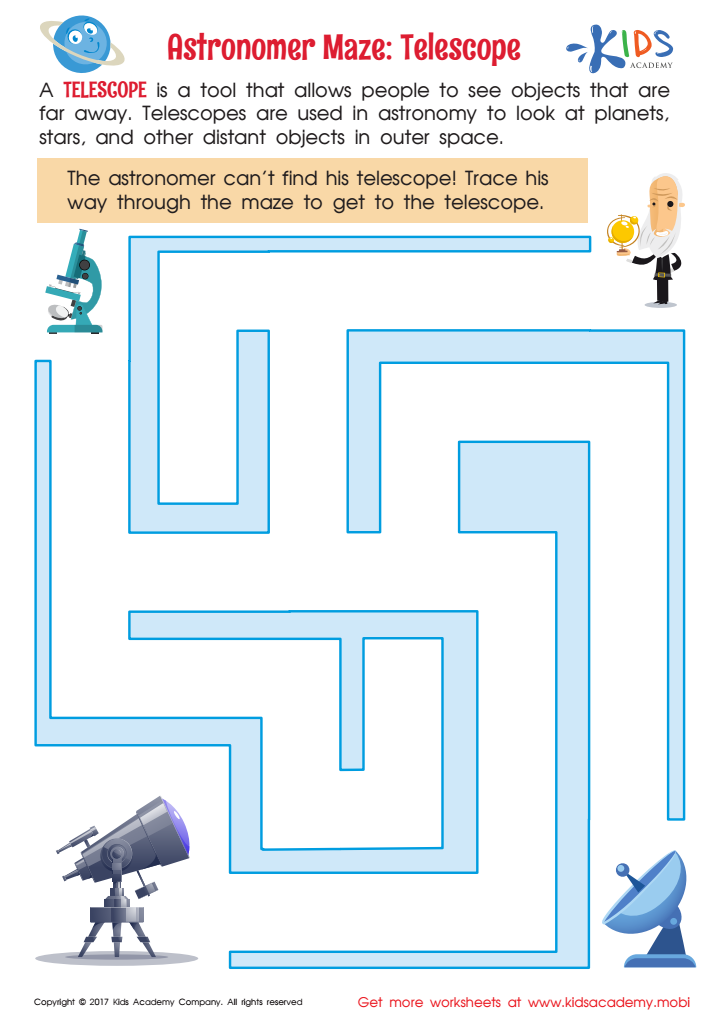
Astronomer Maze: Telescope Worksheet
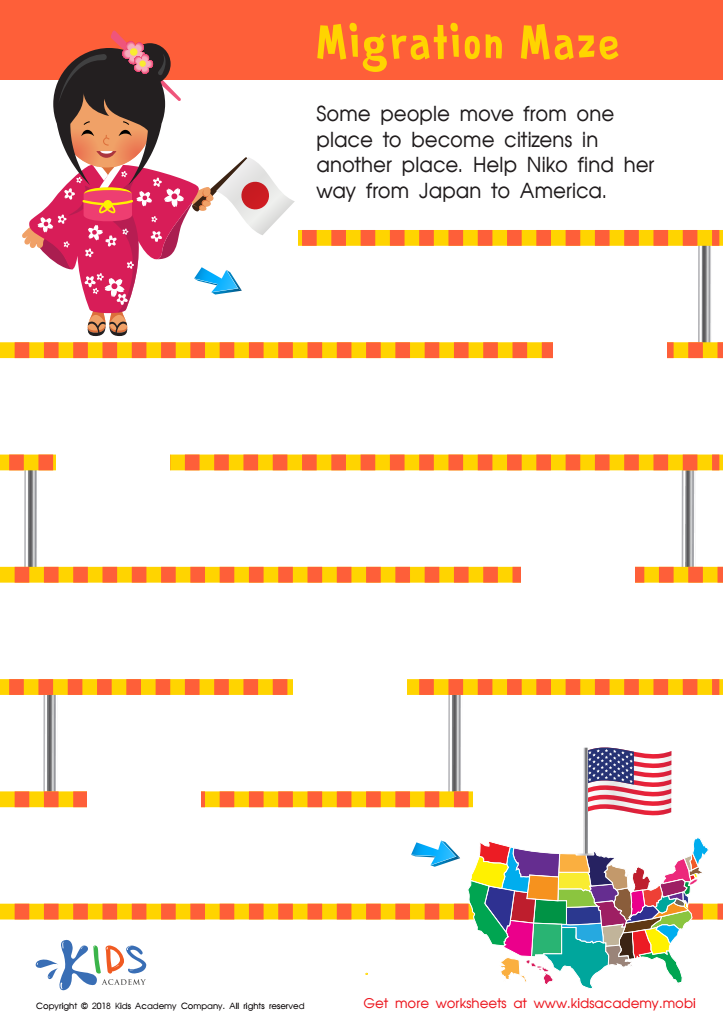
Migration Maze Worksheet
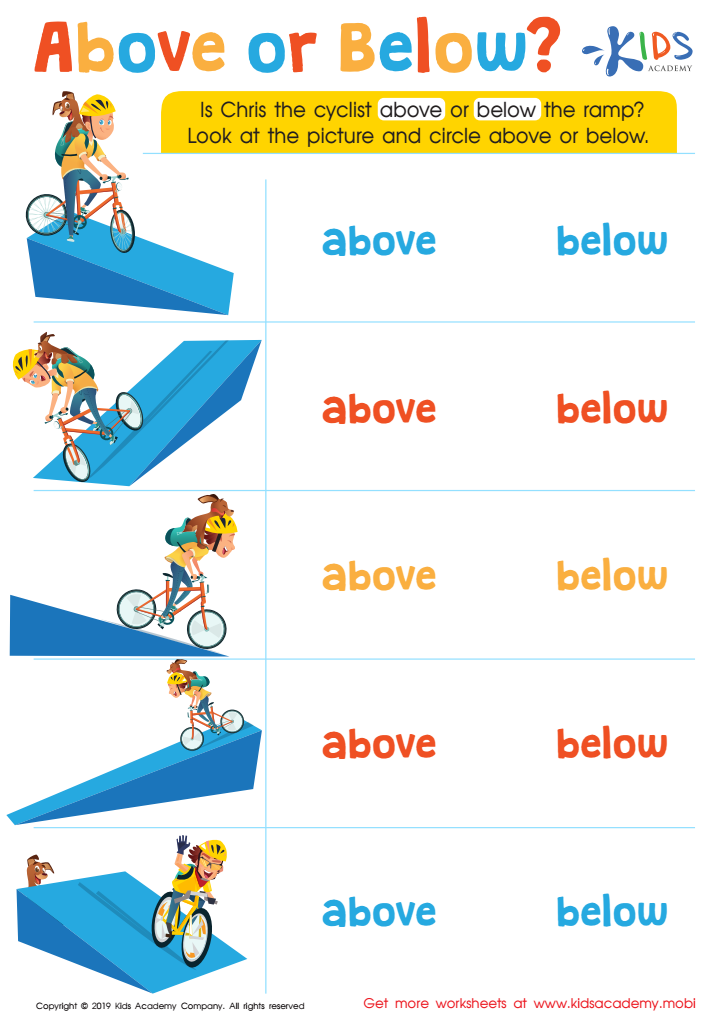
Above or Below? Worksheet






Spatial awareness is a crucial developmental skill for children aged 4-8, as it influences their ability to understand and navigate the world around them. For parents and teachers, fostering spatial awareness during these formative years is essential for multiple reasons.
Firstly, spatial awareness is foundational for academic success in subjects such as math and science. Children with strong spatial skills can visualize problems, understand geometric concepts, and comprehend maps, which makes learning more efficient and enjoyable. Secondly, development of spatial awareness supports physical skills, such as gross motor abilities involved in actions like running, jumping, or playing sports. This is vital for their overall health and self-confidence.
Moreover, spatial awareness is closely linked to cognitive and social development. Children learn to collaborate with peers while playing games that require understanding their position relating to others, thus fostering teamwork and communication skills.
Lastly, in a rapidly evolving technological world, spatial awareness enhances skills in areas such as coding and robotics, which are becoming increasingly important. By nurturing spatial awareness, parents and teachers equip children with skills that have long-term implications for their educational journey and everyday life. Investing in this critical development not only benefits individual children but also prepares them for a complex world.








