Understand symmetry Worksheets for Ages 4-8
3 filtered results
-
From - To
Introduce your little learners to the world of symmetry with our engaging worksheets designed specifically for ages 4-8! Perfect for young minds, these activities help children understand the basic concepts of symmetry through fun and interactive exercises. Kids will enjoy drawing, coloring, and identifying symmetrical objects while developing critical thinking and fine motor skills. Our worksheets are crafted to make learning symmetry enjoyable and straightforward, paving the way for academic success. Dive into the exciting world of symmetry on Kids Academy and watch your child's skills and confidence grow!






Understanding symmetry is an essential skill for children ages 4-8, positioning them well for future success in various academic areas and fostering critical developmental skills. At this age, children are naturally curious and observant, making it the perfect time to introduce symmetrical concepts. Here's why parents and teachers should care:
-
Mathematical Foundation: Symmetry is a fundamental concept in mathematics, particularly in geometry. Early exposure helps children recognize patterns, shapes, and structures, laying a strong foundation for more complex mathematical problems they will encounter in the future.
-
Cognitive Development: Engaging with symmetrical objects enhances cognitive processes such as problem-solving, spatial awareness, and logical reasoning. Recognizing and creating symmetry trains the brain to think critically and abstractly.
-
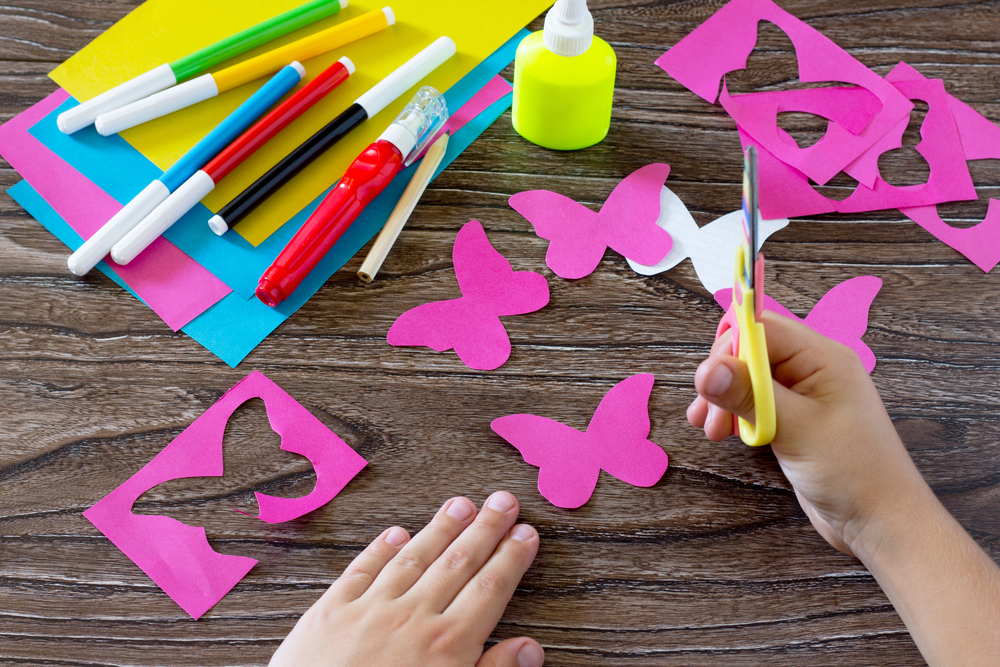
Creativity and Art: Symmetry is prevalent in art and nature. Encouraging children to observe and replicate symmetrical shapes nurtures their creative expression. They learn to appreciate beauty and develop finer motor skills through drawing, cutting, and assembling symmetrical designs.
-
Real-World Understanding: Symmetry is all around us—from building structures to natural organisms. Understanding symmetry allows children to make sense of the world, fostering a greater appreciation for their surroundings.
-
Confidence Building: Mastery of symmetry-related tasks boosts children's confidence. Success in recognizing and creating symmetrical designs provides a sense of accomplishment, encouraging a positive attitude towards learning.
Overall, symmetry is more than just a mathematical concept; it’s an essential part of developing a well-rounded, confident, and inquisitive young mind.








