Visual interpretation Worksheets for Ages 4-8
16 filtered results
-
From - To
Discover our engaging Visual Interpretation Worksheets designed specifically for children aged 4-8! These worksheets foster critical thinking skills while enhancing visual literacy. With fun and colorful activities, kids will improve their ability to analyze images, understand visual cues, and make connections between pictures and concepts. Each worksheet is tailored to accommodate different learning styles, ensuring that every child can benefit. Perfect for home or classroom use, our visually stimulating activities will keep young learners entertained while building foundational skills. Explore our collection today and help your child unlock their potential through the power of visual interpretation!
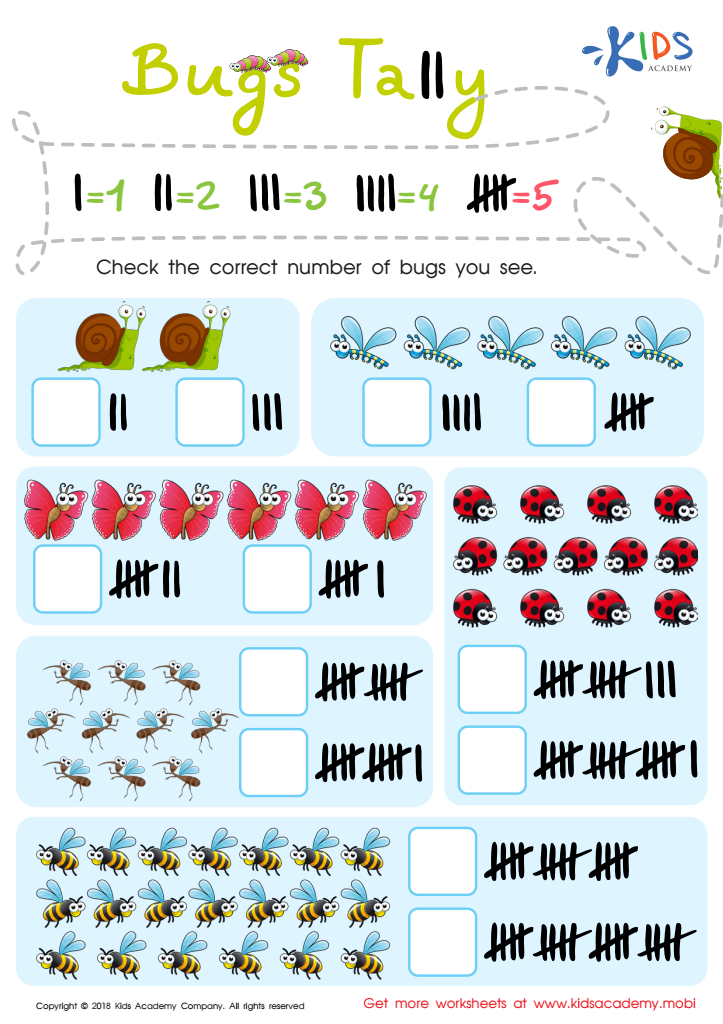
Bugs Tally Worksheet
 Assign to My Students
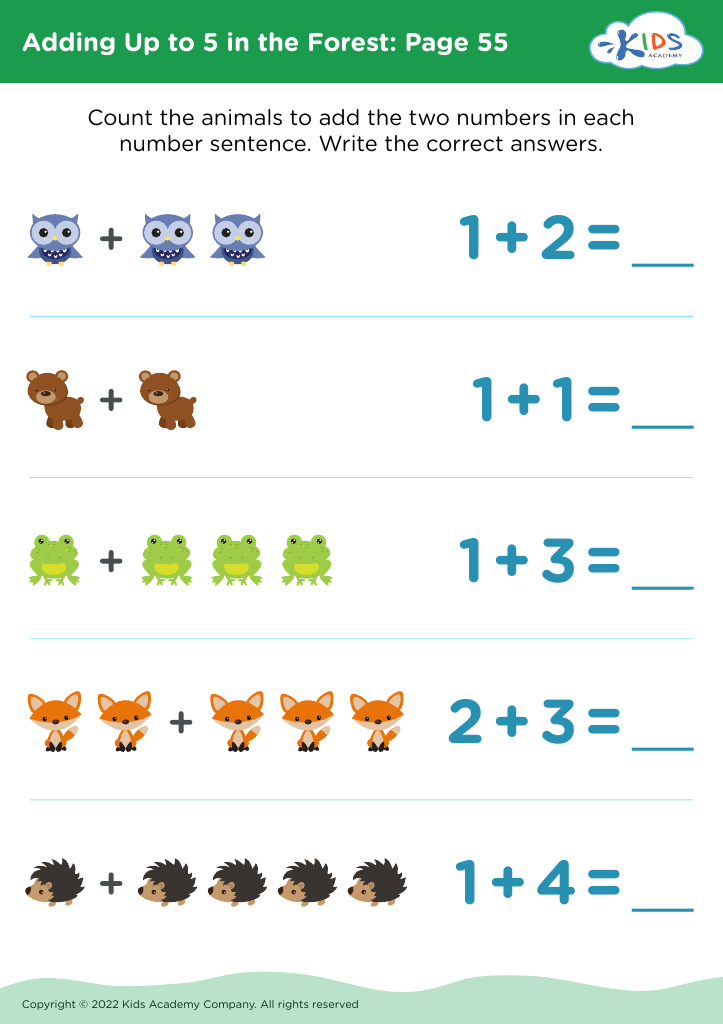
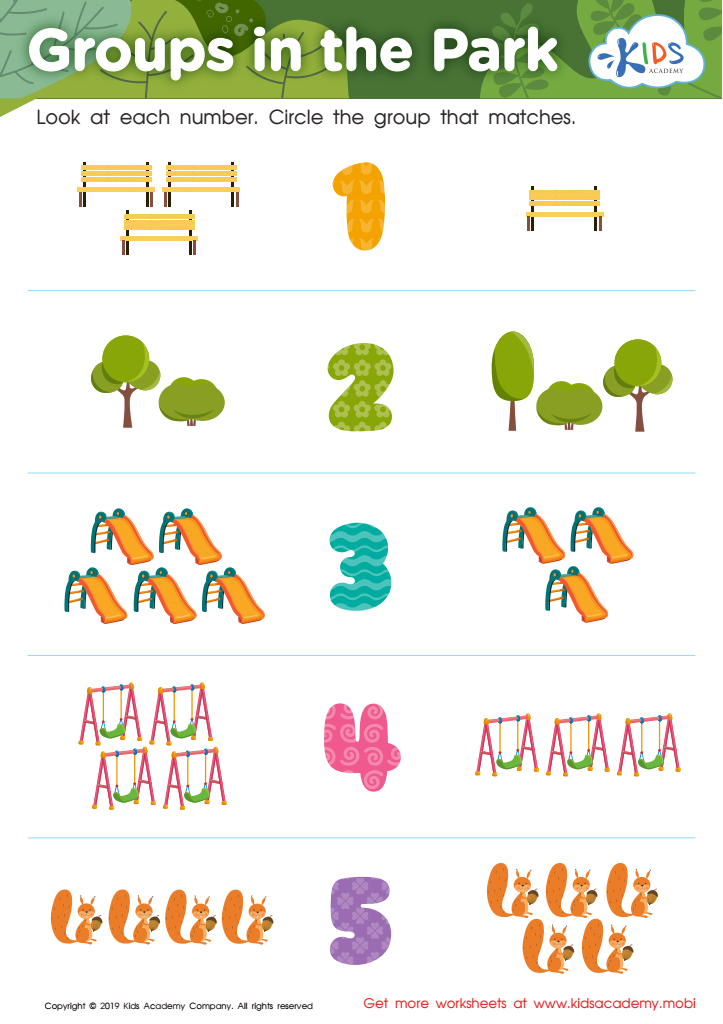
Groups in the Park Worksheet
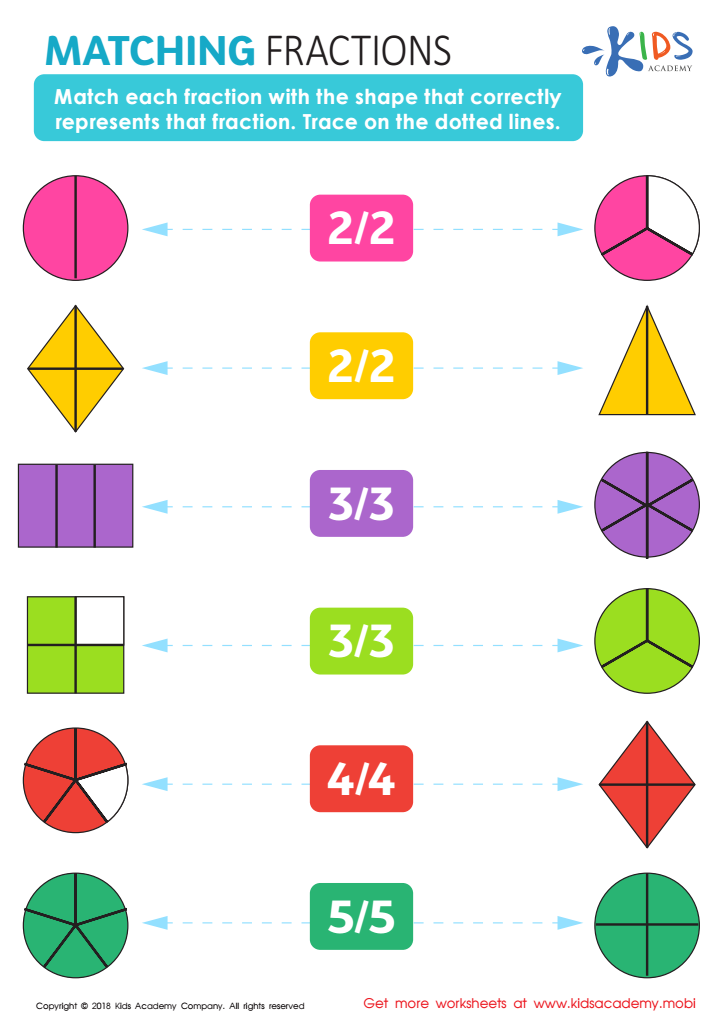
Matching Fractions Worksheet
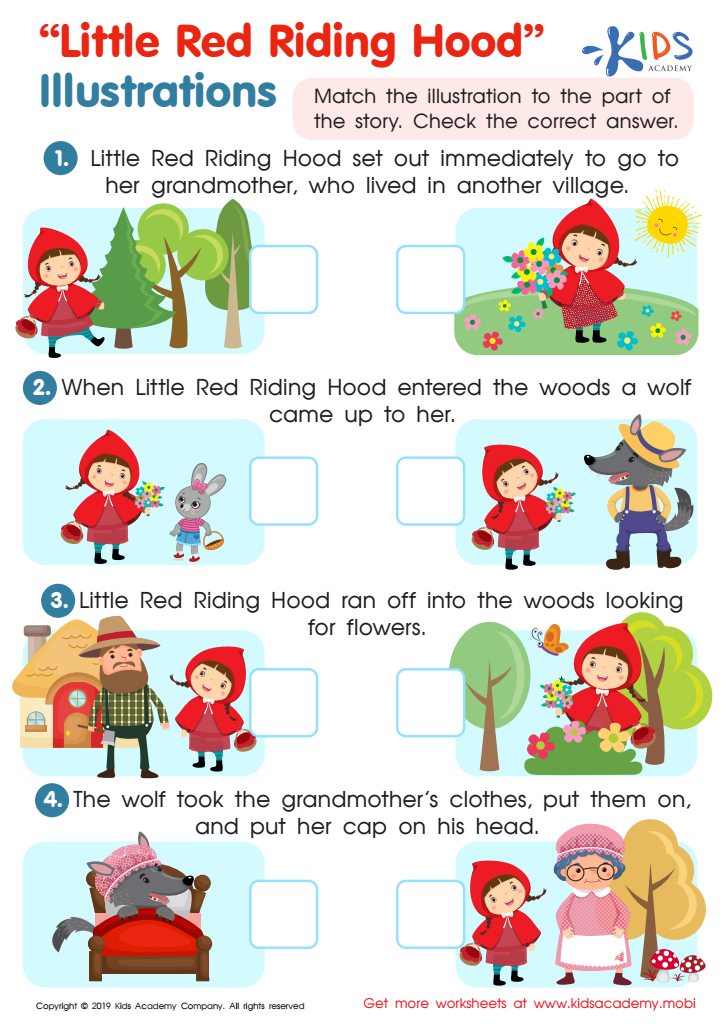
Little Red Riding Hood: Illustrations Worksheet
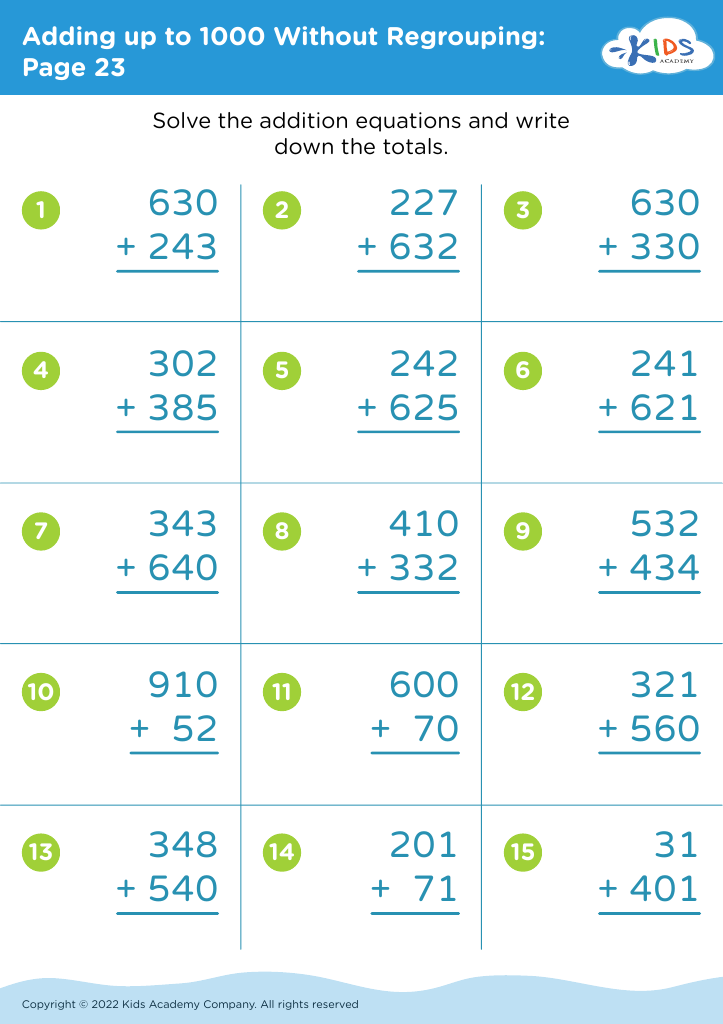
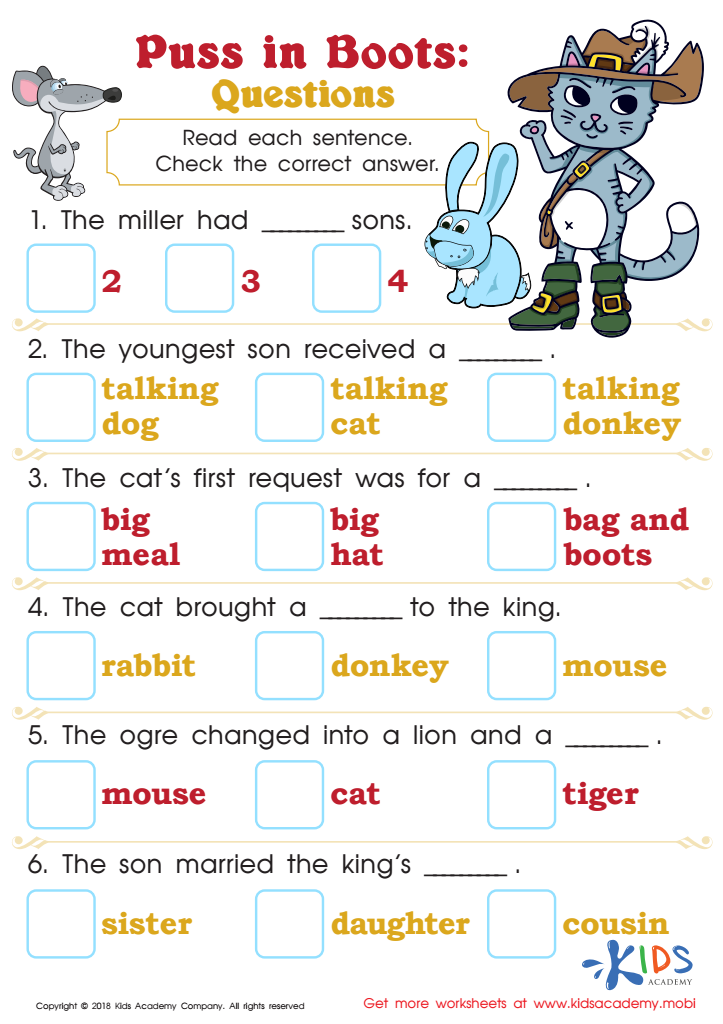
Puss in Boots: Questions Worksheet
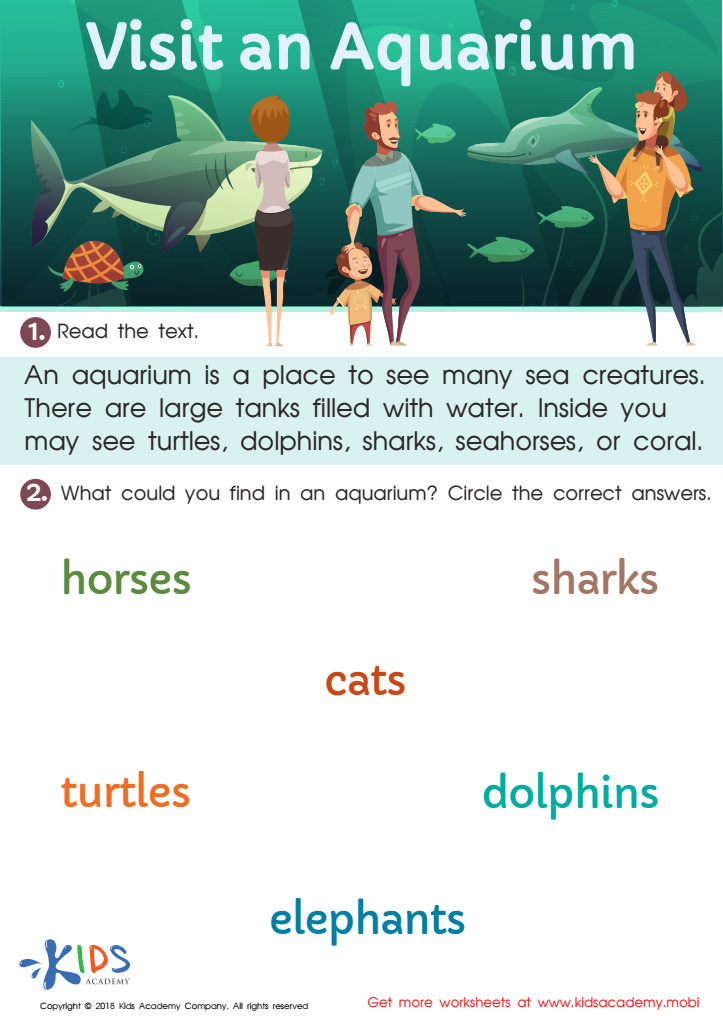
Visit an Aquarium Worksheet
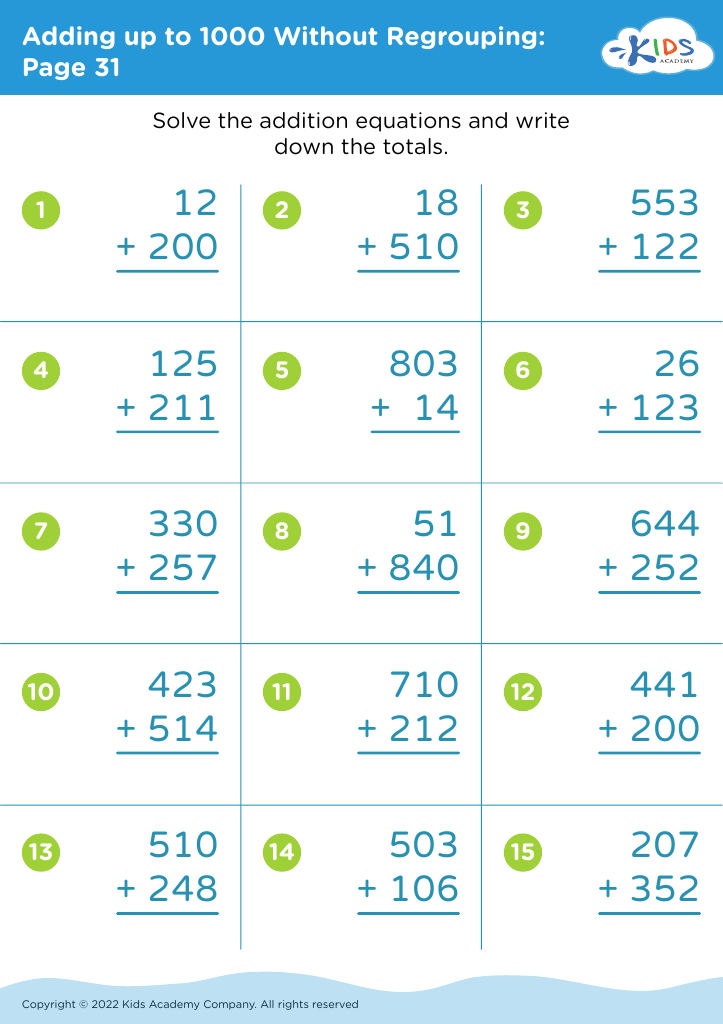
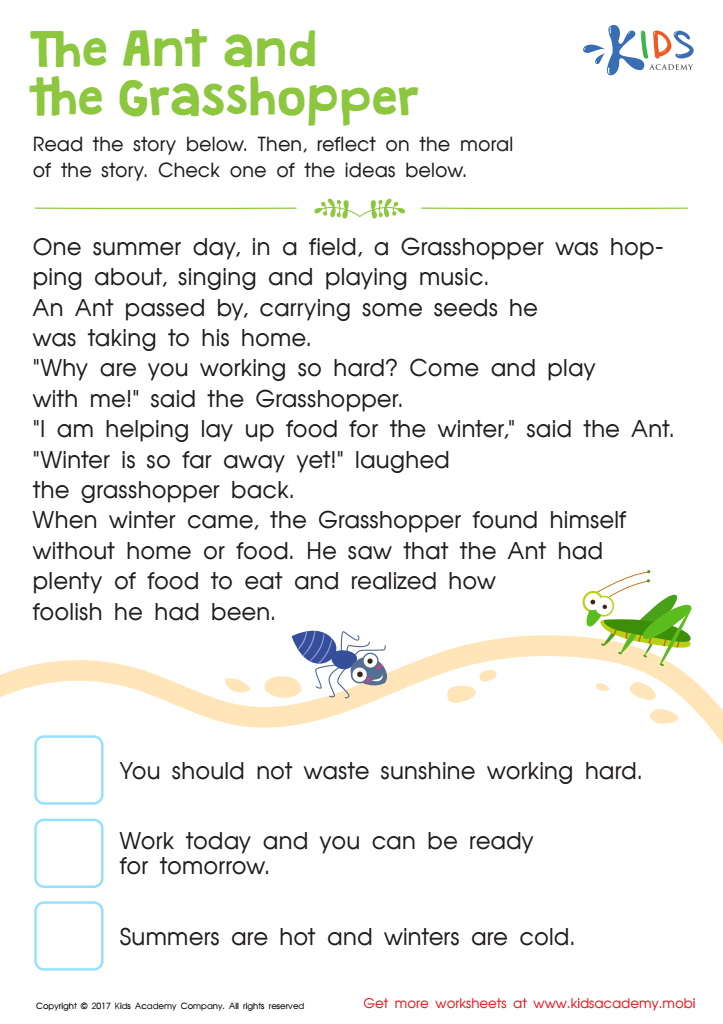
The Ant and The Grasshopper Printable
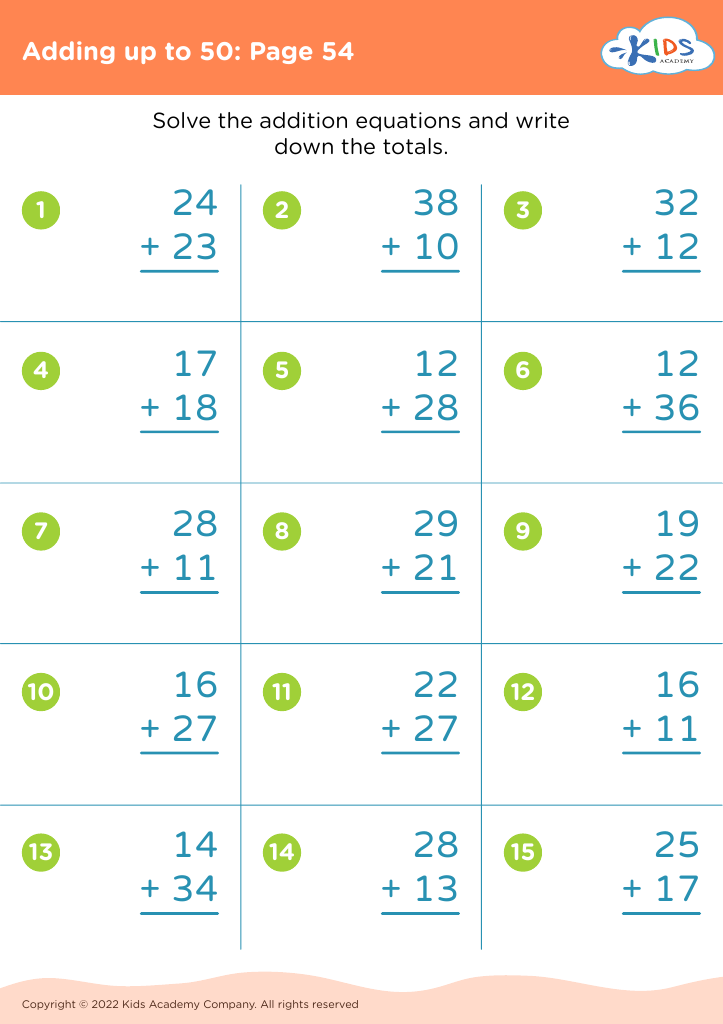
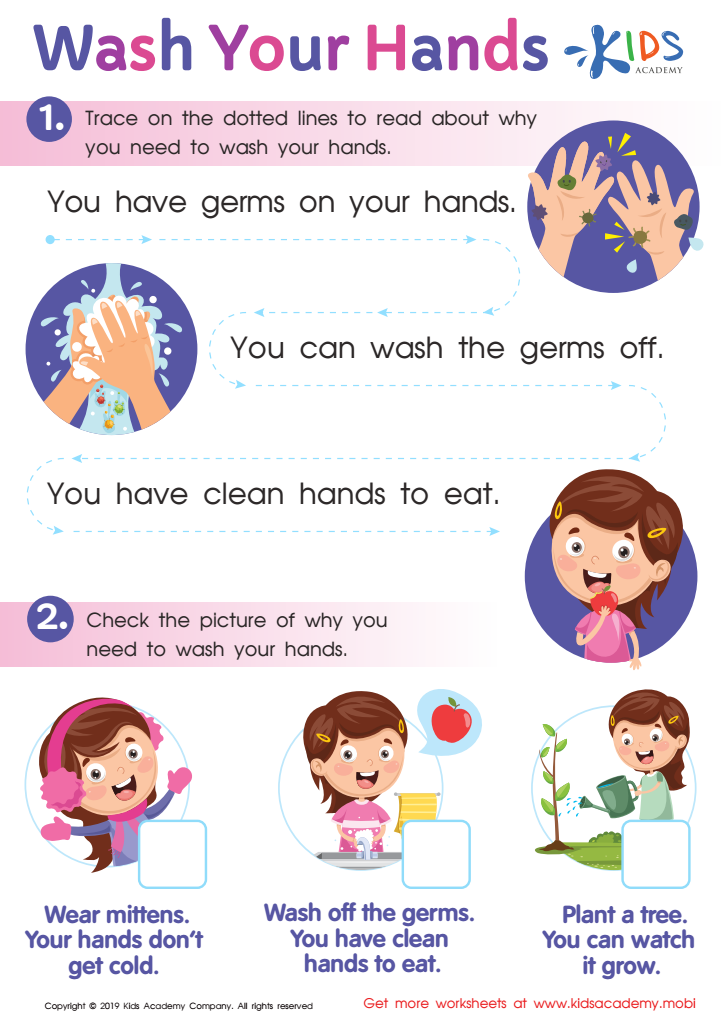
Wash Your Hands Worksheet
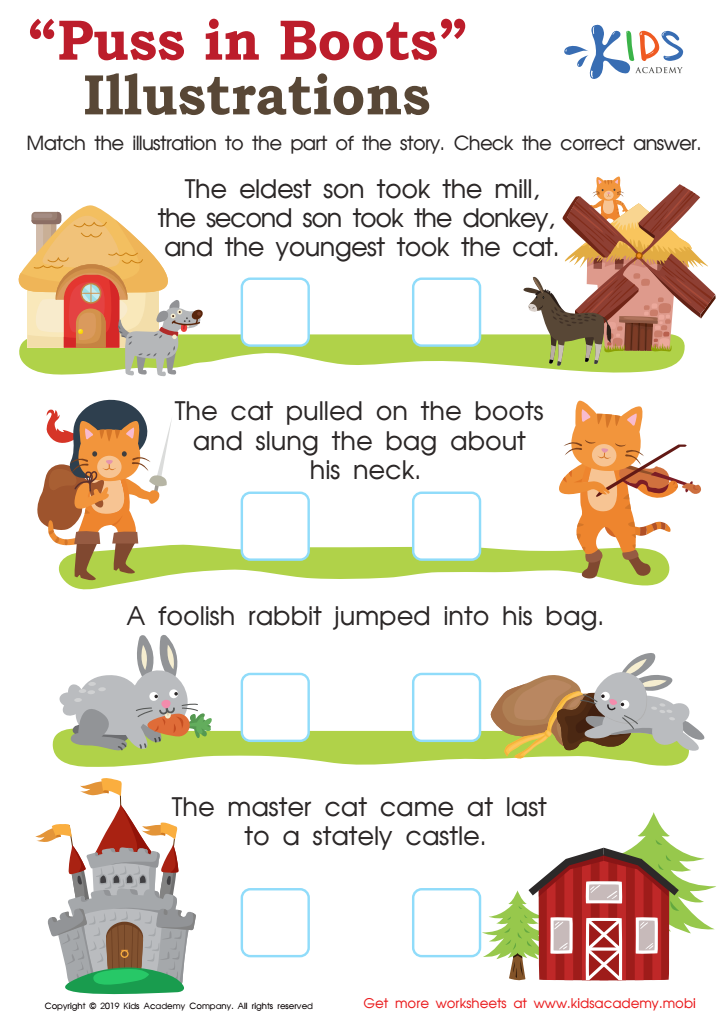
Puss in Boots Illustrations Worksheet
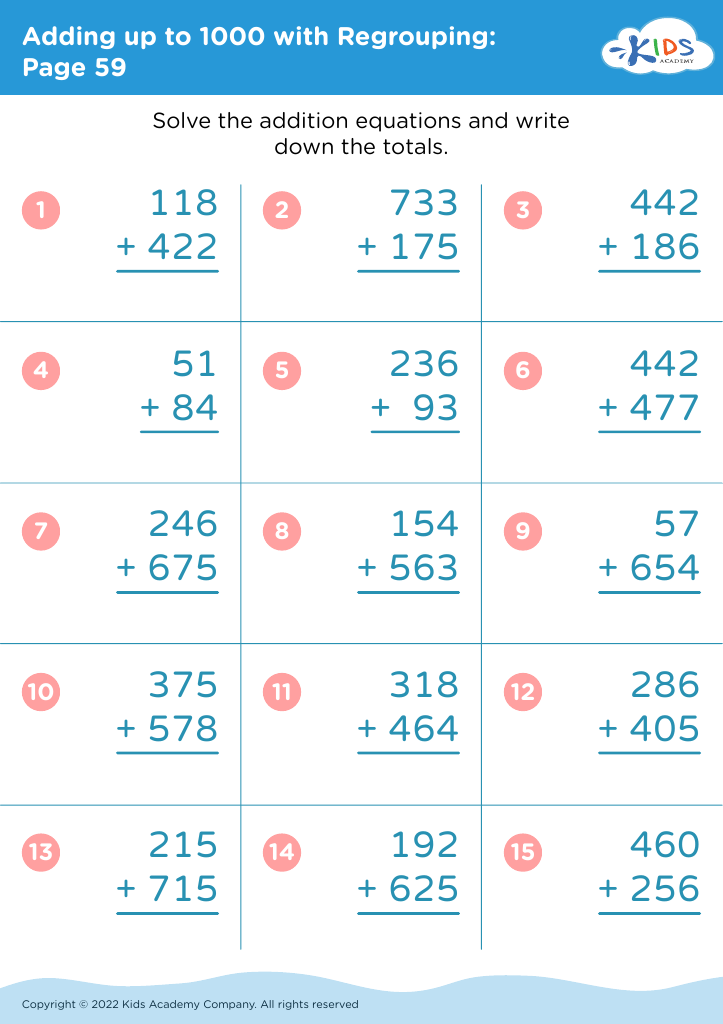
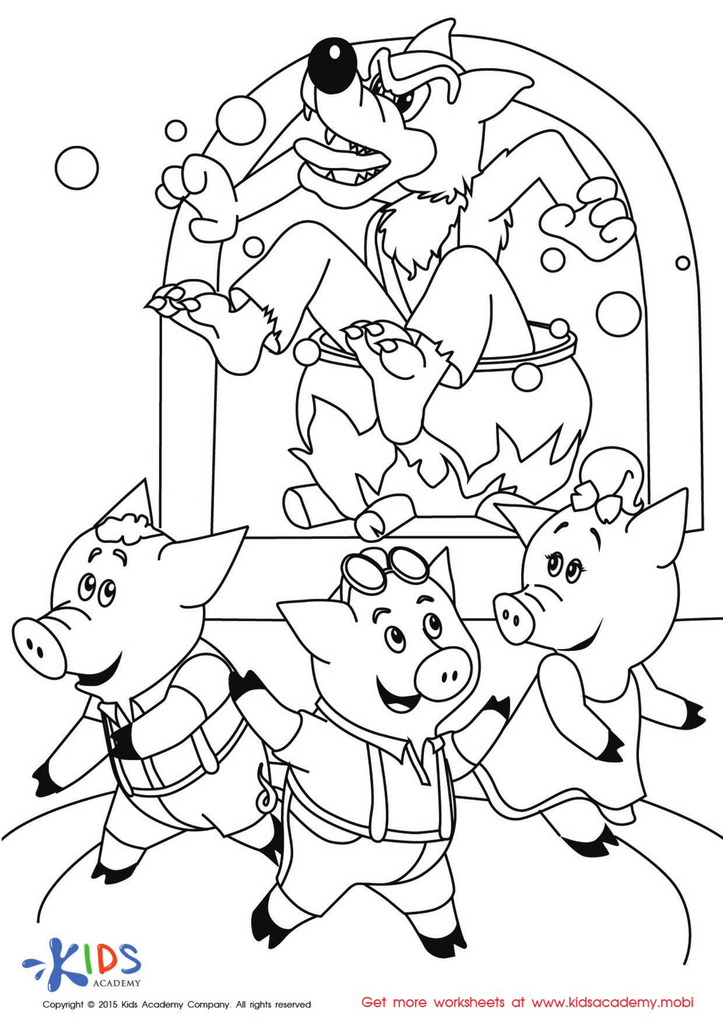
The Three Little Pigs and The Big Bad Wolf Printable
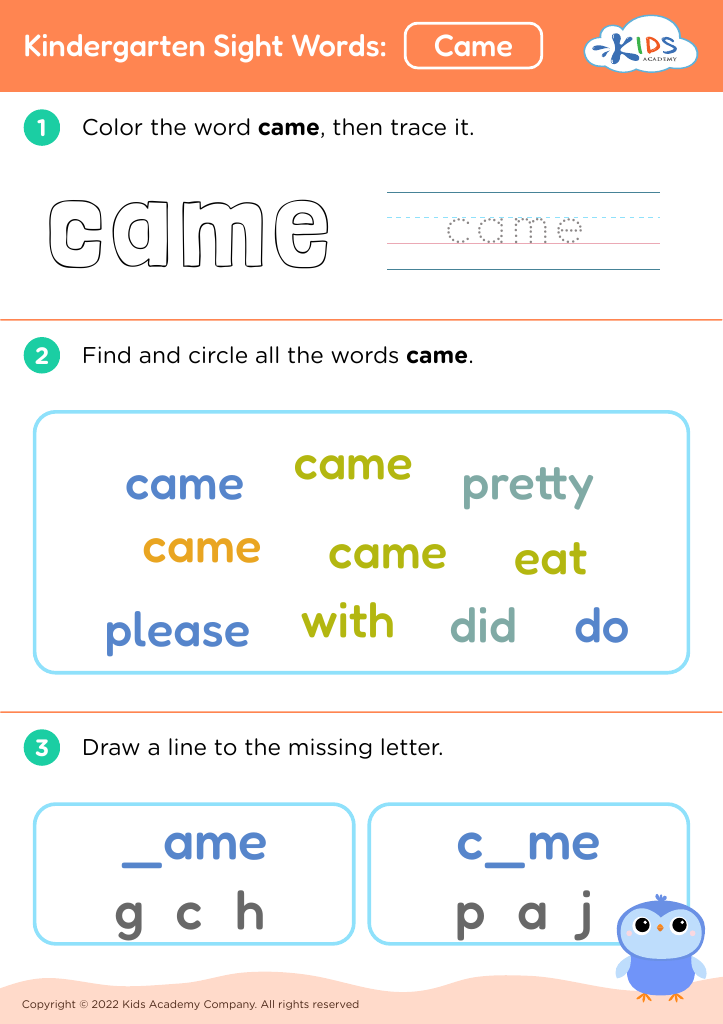







Visual interpretation is a crucial skill for children aged 4-8, as it aids in their cognitive, emotional, and social development. At this age, children are naturally curious and eager to explore the world around them. Understanding and interpreting visual stimuli—such as pictures, symbols, and diagrams—helps them make sense of their environment and engage with various forms of media. This skill is foundational for literacy, allowing children to comprehend stories, identify cues in illustrations, and enhance their vocabulary.
Moreover, visual interpretation develops critical thinking and problem-solving skills. When children learn to analyze pictures or graphical information, they enhance their ability to draw conclusions and think creatively. This positively impacts their academic performance across subjects, particularly in reading, science, and art.
As parents and teachers guide children through visual experiences—whether through storytelling, art projects, or educational games—they enhance their observational skills and encourage expression of thoughts and emotions. Moreover, proficiency in visual interpretation heightens children's confidence and participation in group activities, fostering healthy social interactions. Ultimately, fostering this skill lays the groundwork for lifelong learning and adaptability, making it imperative for parents and educators to prioritize visual interpretation in early childhood education.








