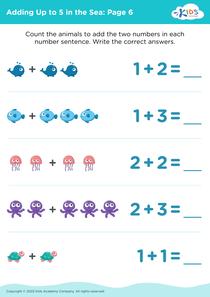
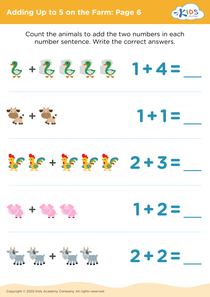
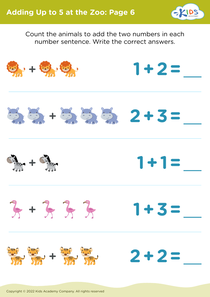
Enhancing concentration Adding in the Forest Worksheets for Ages 4-8
4 filtered results
-
From - To
Welcome to our "Enhancing Concentration Adding in the Forest Worksheets" designed for children ages 4-8! These engaging worksheets blend fun forest themes with foundational math skills, making addition captivating and educational. As kids explore the enchanting forest scene while solving math problems, they will not only improve their addition skills but also enhance their focus and concentration. Our worksheets are perfect for both classroom settings and at-home learning, providing a creative way to combine nature with numbers. Unlock your child's potential and watch them thrive by integrating concentration and math in an enjoyable way!
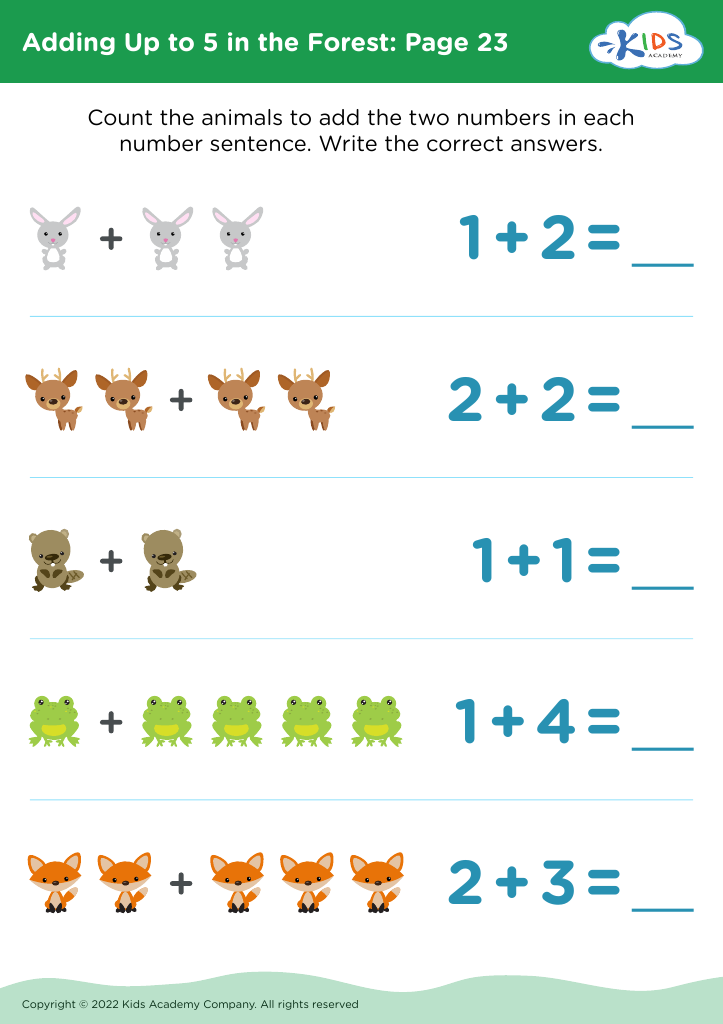
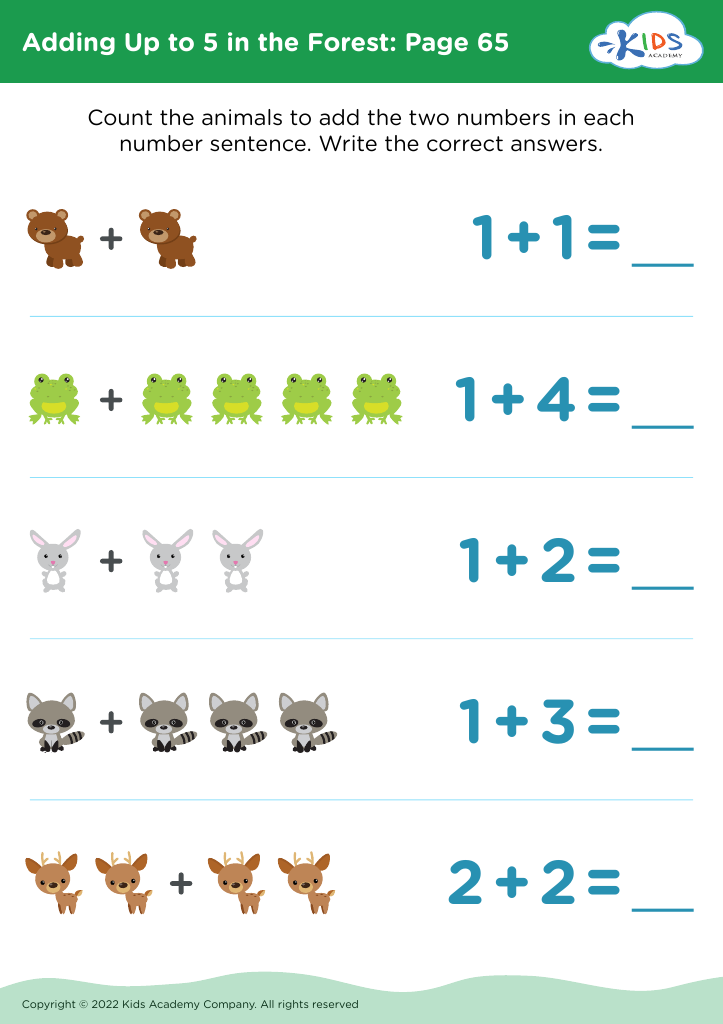
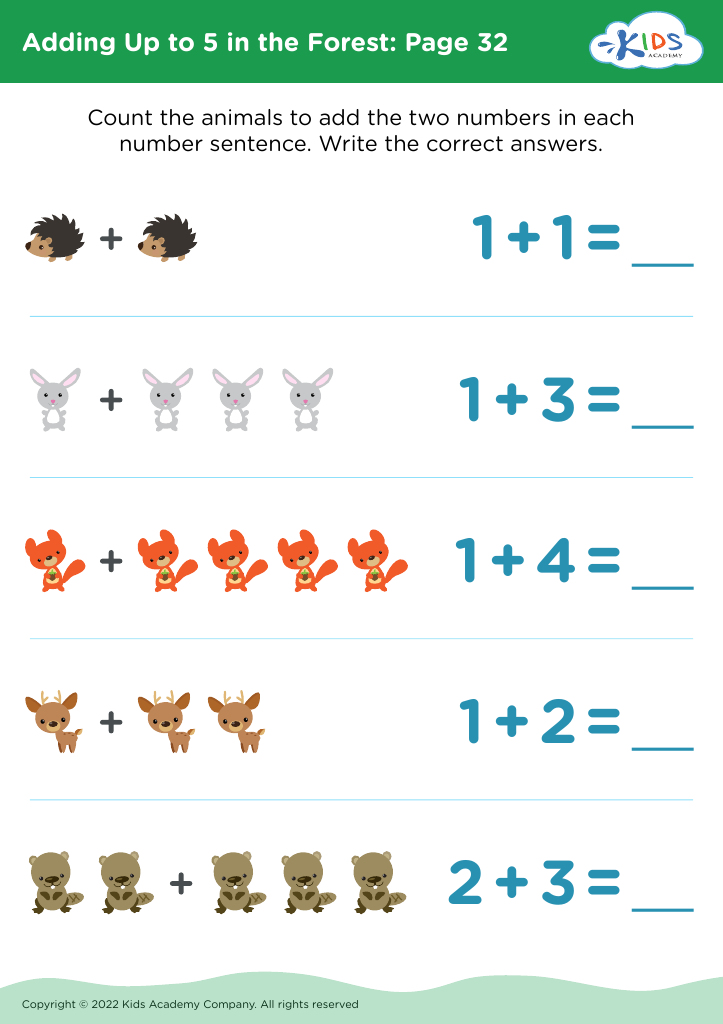
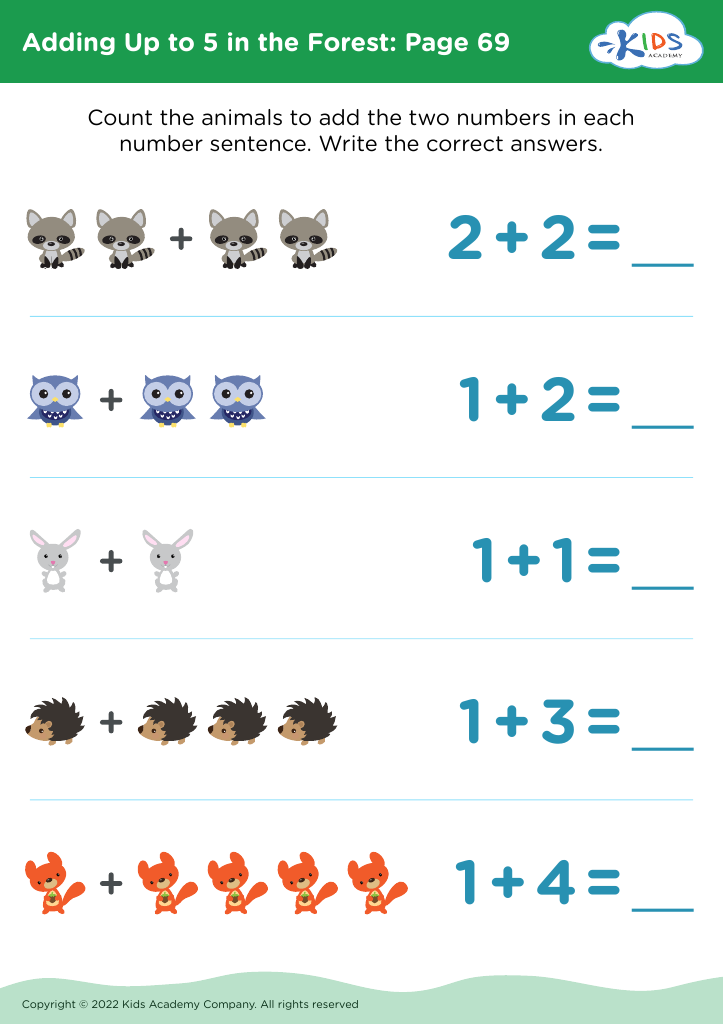



Enhancing concentration through activities like "Adding in the Forest" for children ages 4-8 is critical for both parents and teachers. At this developmental stage, children are building foundational skills that will impact their academic and social lives. Engaging in activities that foster concentration not only helps improve a child’s ability to focus but also enhances their overall cognitive development.
"Adding in the Forest" can integrate playful learning with natural exploration, which captures young children's imaginations and keeps their attention more effectively than traditional teaching methods. This outdoor approach promotes active learning, allowing children to experience math concepts in a hands-on environment, thereby reinforcing their understanding.
Moreover, improving concentration at an early age can lead to better academic performance, as children learn to engage with materials and tasks for longer periods. It can also reduce frustration and behavioral issues, helping children develop patience and perseverance.
Parents and teachers should care about these types of activities because they help create a positive learning atmosphere that respects children's natural curiosity. By fostering concentration through engaging and relevant practices, we empower children to become more confident learners, setting the stage for lifelong academic success.