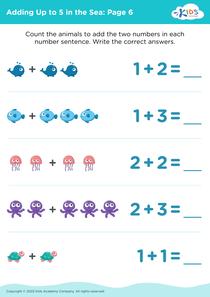
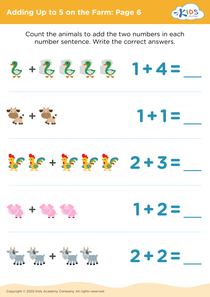
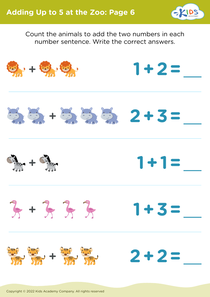
Fine motor skills (writing) Adding in the Forest Worksheets for Ages 4-8
3 filtered results
-
From - To
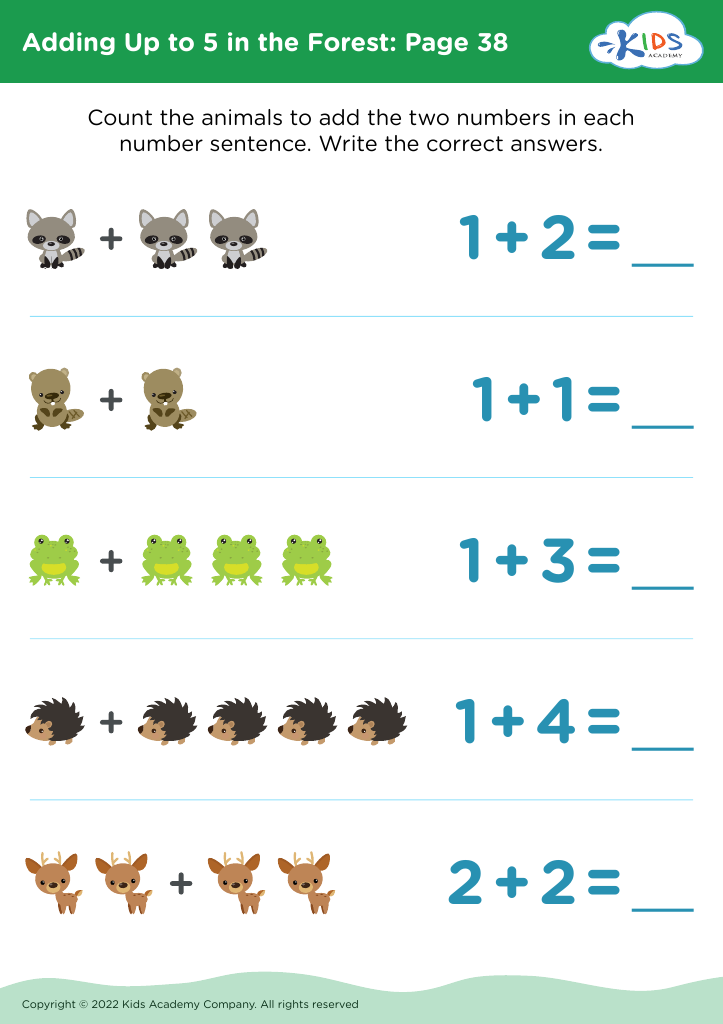
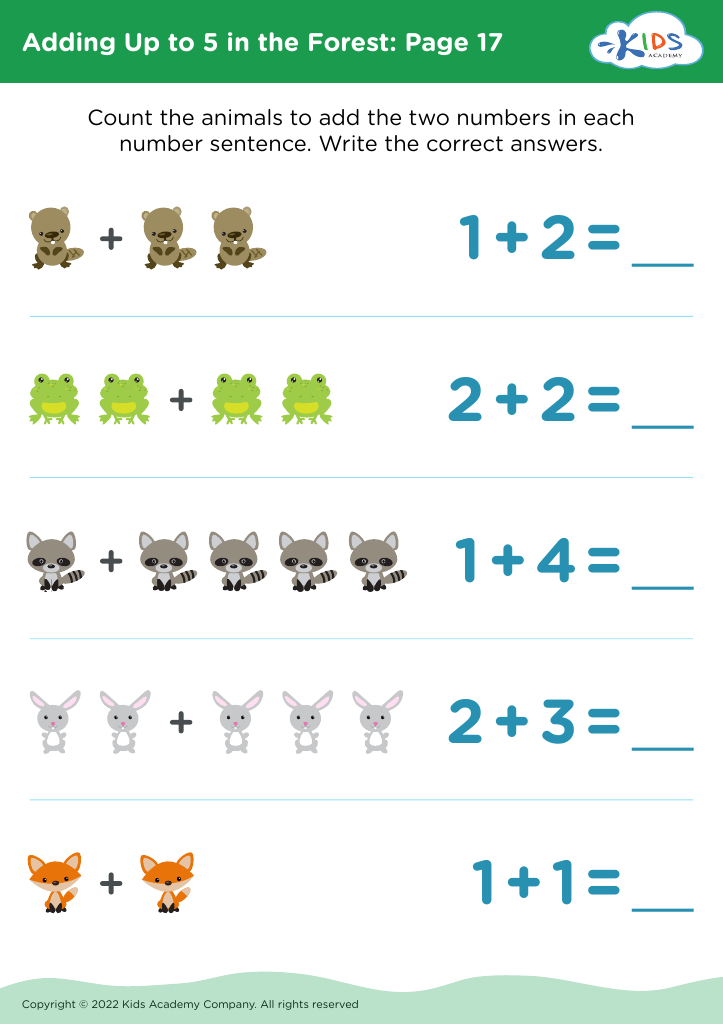
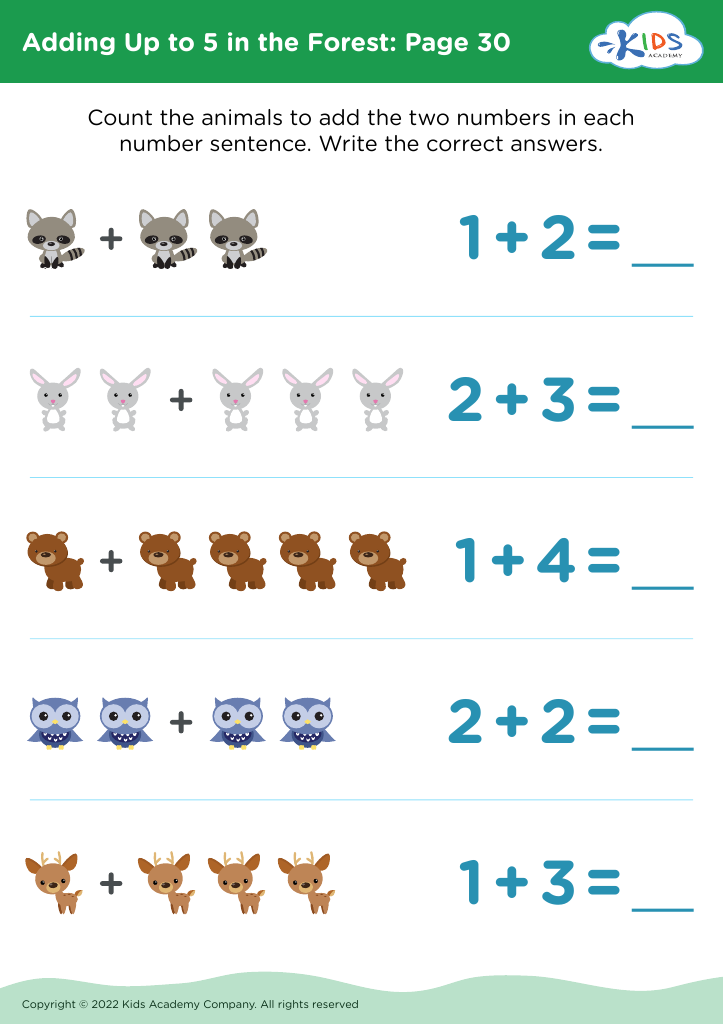
"Fine Motor Skills (Writing) Adding in the Forest Worksheets for Ages 4-8" are thoughtfully designed to boost younger learners' addition abilities while enhancing their fine motor skills. These engaging, forest-themed worksheets engage kids with charming illustrations and fun math challenges, helping develop their handwriting precision and control. Perfect for children aged 4-8, these activities seamlessly blend cognitive and motor skills practice, making learning enjoyable and effective. Ideal for both classroom and home use, these resources support various educational goals, ensuring a strong foundation in math and fine motor development. Begin your child's learning adventure with our forest-themed worksheets today!



Fine motor skills are crucial for children aged 4-8 as they lay a foundational role in various aspects of development, particularly in writing. These skills involve the coordination of small muscles in the hands and fingers that enable children to perform tasks like holding a pencil, buttoning their jackets, or tying shoes. For young learners, mastering fine motor skills is essential for writing legibly and efficiently. It's the difference between a stressful and a more enjoyable learning experience.
Engaging in activities that combine fine motor skill practice with the natural setting of a forest can be invaluable. The forest environment provides countless opportunities for kids to improve these skills naturally. Activities like collecting leaves, picking up small sticks, or arranging stones not only refine their motor skills but also stimulate cognitive growth and sensory exploration. When kids interact with diverse textures, shapes, and materials found in the forest, their brain receives varied inputs that boost overall neural development.
Moreover, caring about fine motor skills early on helps set the groundwork for academic success. As writing becomes more integrated into their education, a strong base in these skills allows for better expression of ideas and more confidence in their abilities. Hence, both parents and teachers should prioritize activities that develop fine motor skills in engaging, multifaceted environments like forests.