Filters

70 filtered results

Clear all filters
Favorites
With answer key
Interactive

70 filtered results

Difficulty Level

Grade


Subject

    Check out this FREE Trial Lesson on Adding in the Forest for age 4-8!

    Short and Long Vowel Sort

    Favorites
    With answer key
    Interactive
    • 4-8
    • Number Recognition
    • Adding in the Forest
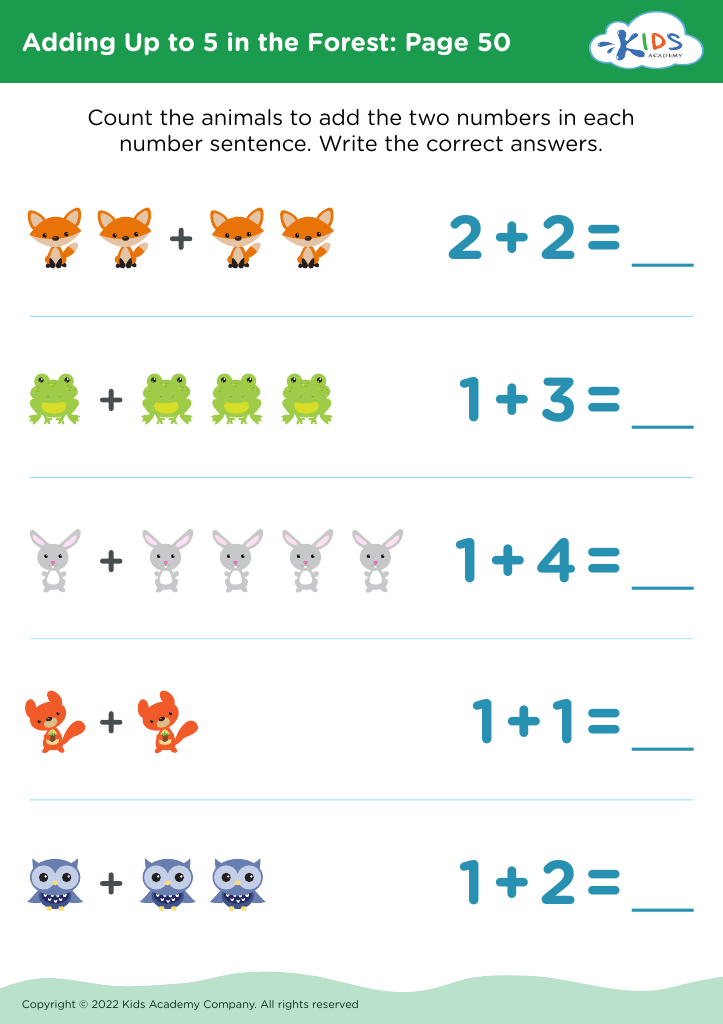
    Adding Up to 5 in the Forest: Page 50
    Adding Up to 5 in the Forest: Page 50
    Adding Up to 5 in the Forest: Page 50
    Worksheet
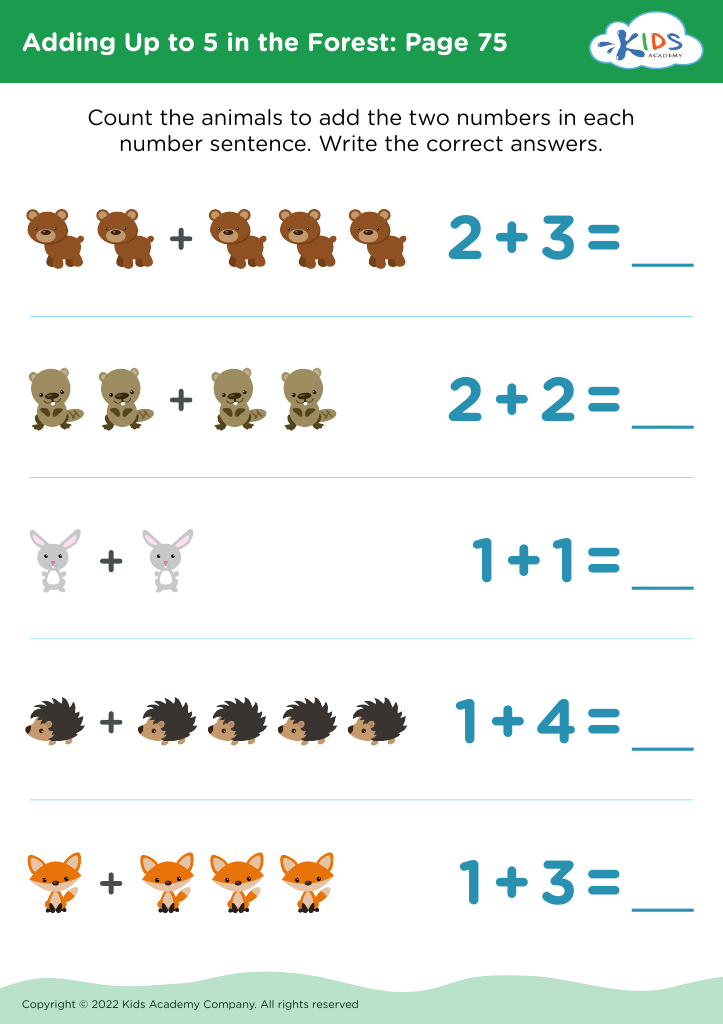
    Adding Up to 5 in the Forest: Page 75
    Adding Up to 5 in the Forest: Page 75
    Adding Up to 5 in the Forest: Page 75
    Worksheet
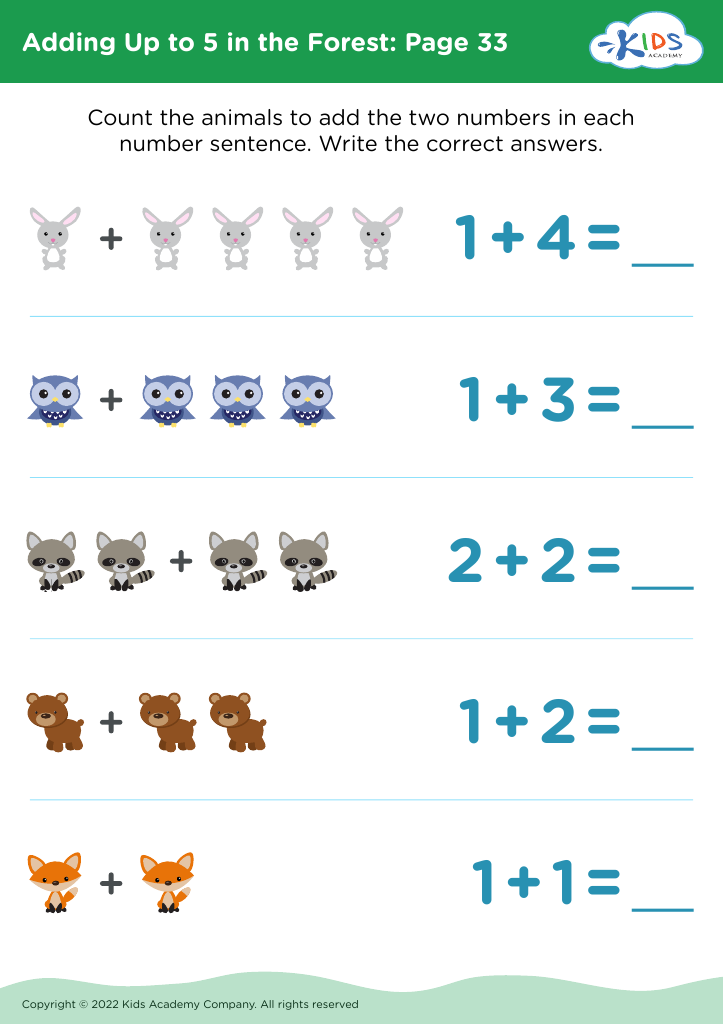
    Adding Up to 5 in the Forest: Page 33
    Adding Up to 5 in the Forest: Page 33
    Adding Up to 5 in the Forest: Page 33
    Worksheet
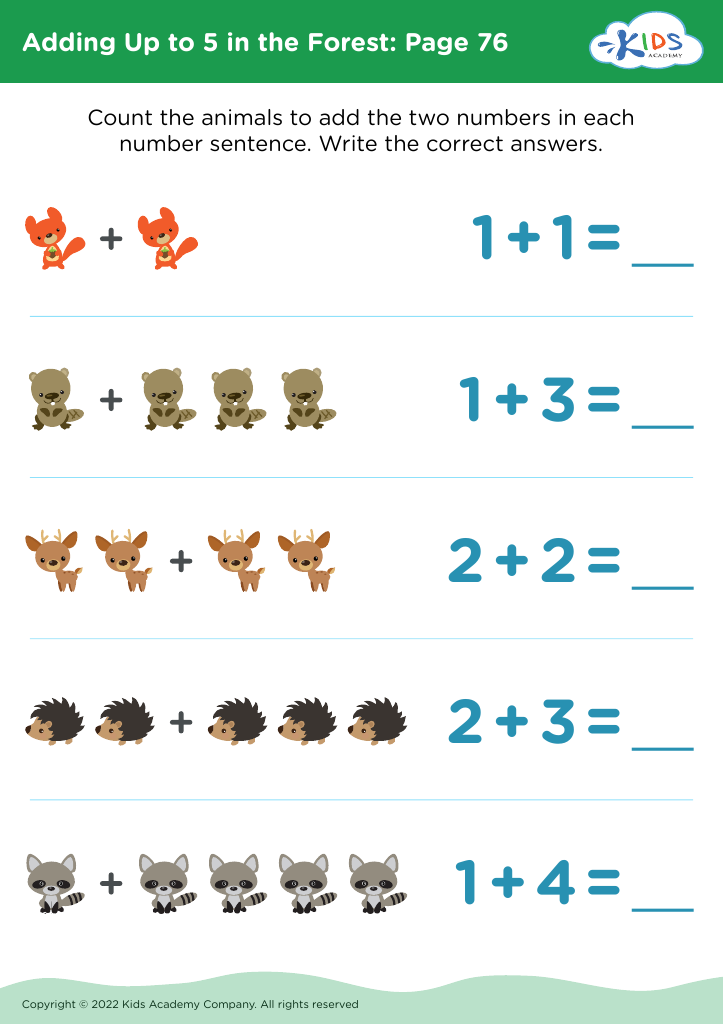
    Adding Up to 5 in the Forest: Page 76
    Adding Up to 5 in the Forest: Page 76
    Adding Up to 5 in the Forest: Page 76
    Worksheet
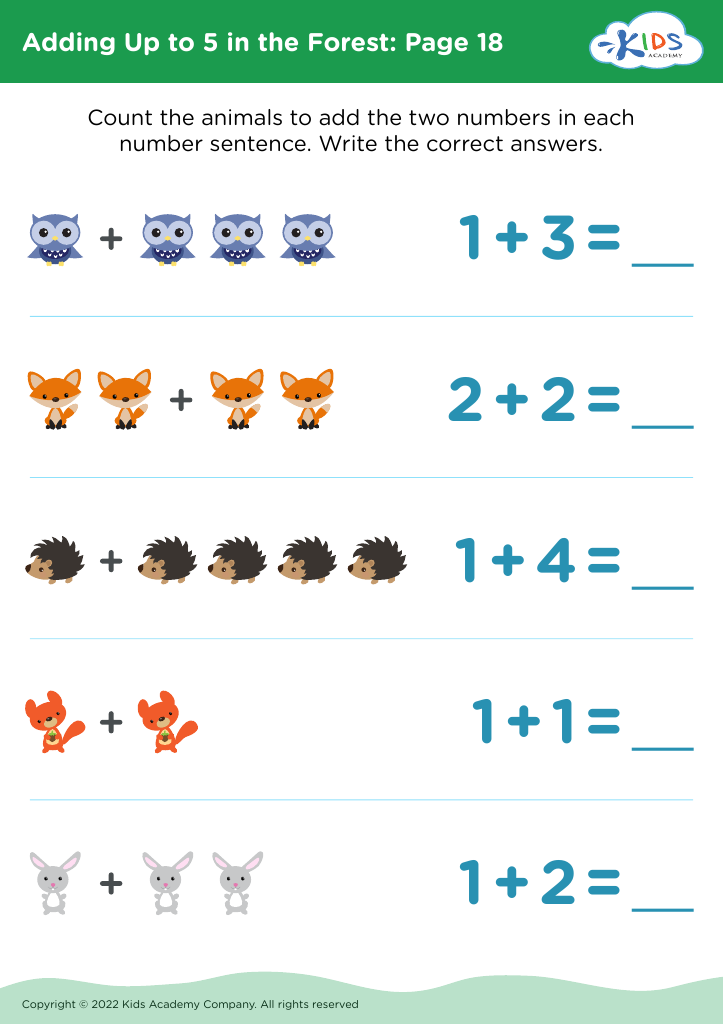
    Adding Up to 5 in the Forest: Page 18
    Adding Up to 5 in the Forest: Page 18
    Adding Up to 5 in the Forest: Page 18
    Worksheet
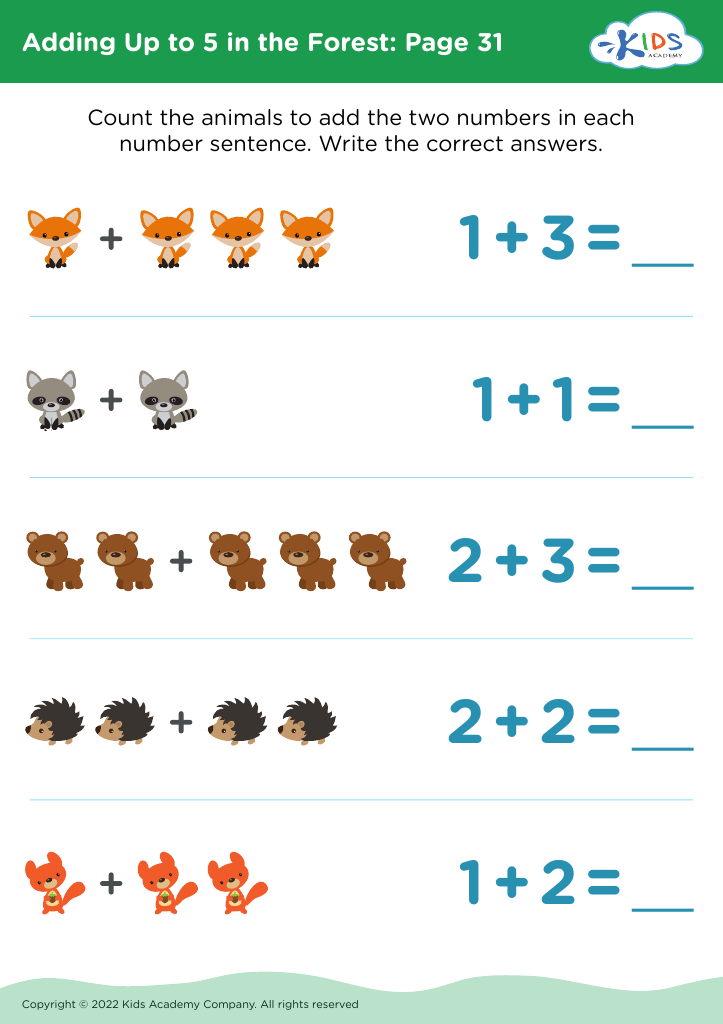
    Adding Up to 5 in the Forest: Page 31
    Adding Up to 5 in the Forest: Page 31
    Adding Up to 5 in the Forest: Page 31
    Worksheet
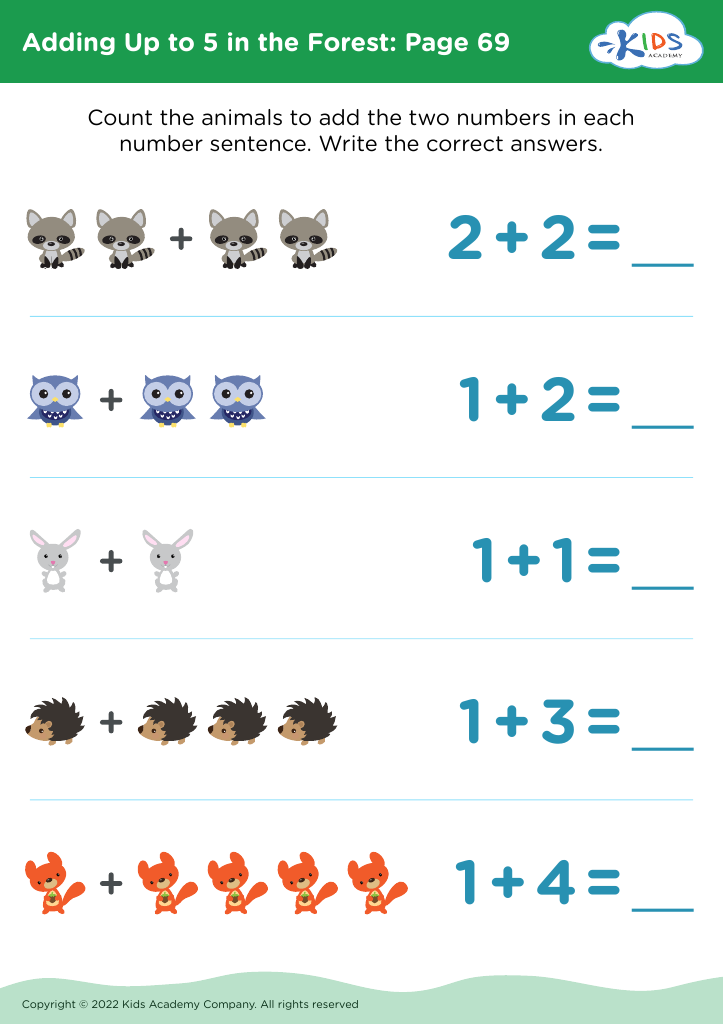
    Adding Up to 5 in the Forest: Page 69
    Adding Up to 5 in the Forest: Page 69
    Adding Up to 5 in the Forest: Page 69
    Worksheet
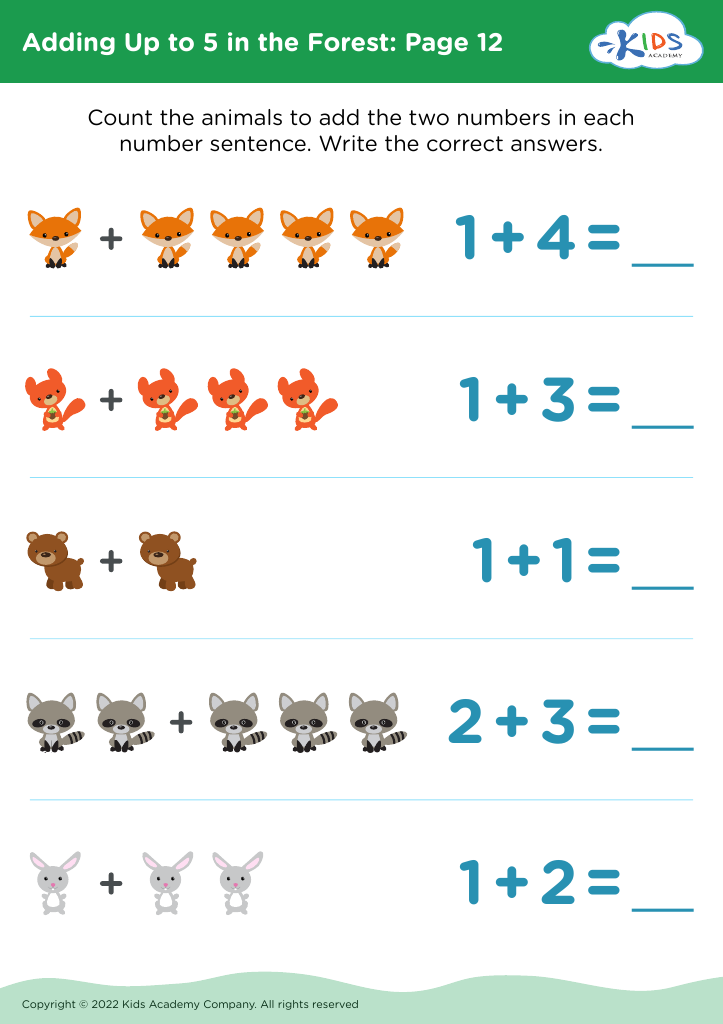
    Adding Up to 5 in the Forest: Page 12
    Adding Up to 5 in the Forest: Page 12
    Adding Up to 5 in the Forest: Page 12
    Worksheet
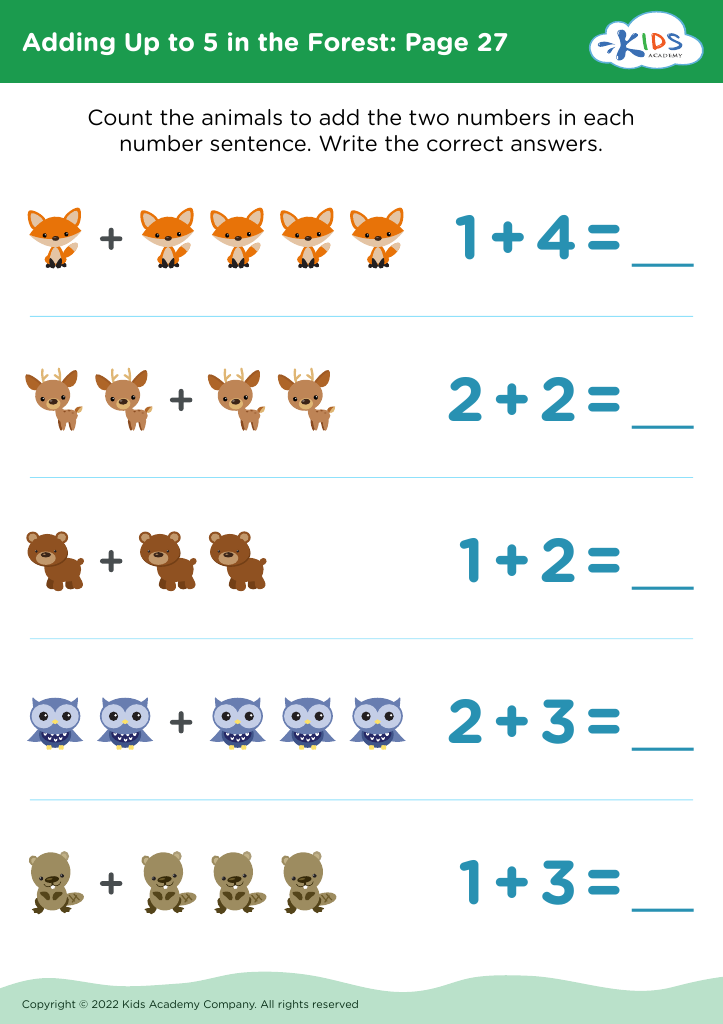
    Adding Up to 5 in the Forest: Page 27
    Adding Up to 5 in the Forest: Page 27
    Adding Up to 5 in the Forest: Page 27
    Worksheet
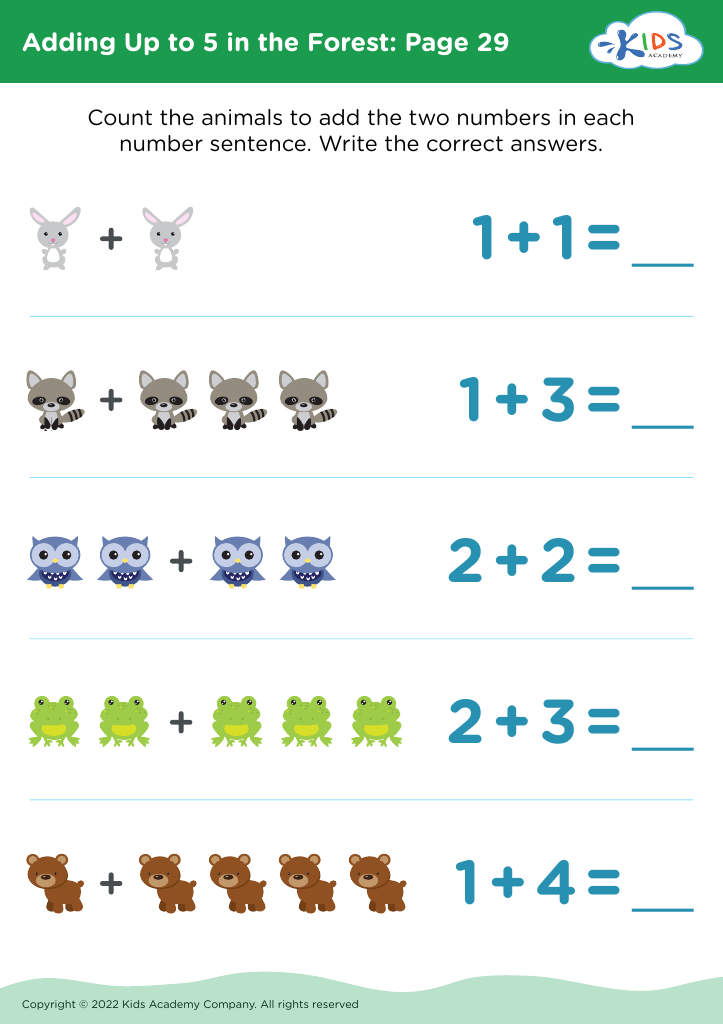
    Adding Up to 5 in the Forest: Page 29
    Adding Up to 5 in the Forest: Page 29
    Adding Up to 5 in the Forest: Page 29
    Worksheet
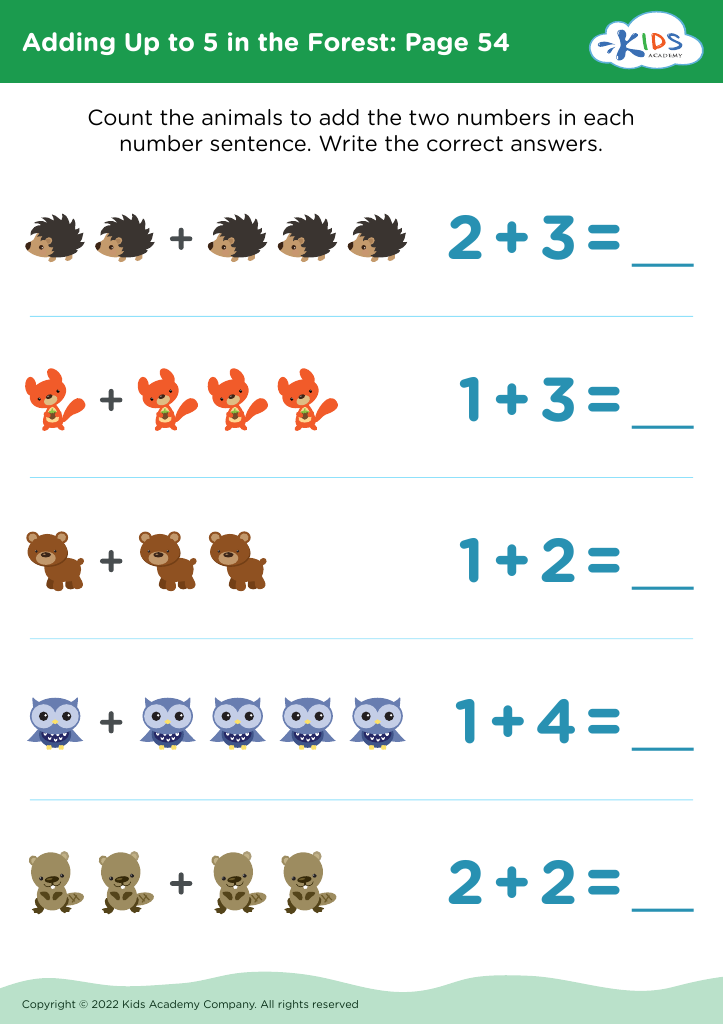
    Adding Up to 5 in the Forest: Page 54
    Adding Up to 5 in the Forest: Page 54
    Adding Up to 5 in the Forest: Page 54
    Worksheet
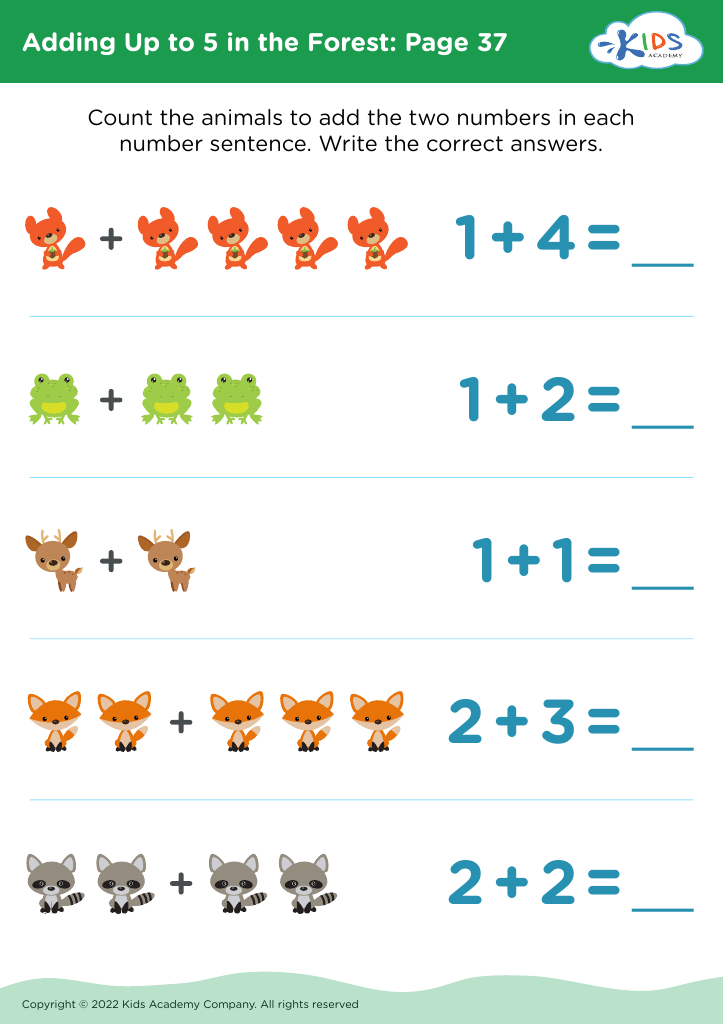
    Adding Up to 5 in the Forest: Page 37
    Adding Up to 5 in the Forest: Page 37
    Adding Up to 5 in the Forest: Page 37
    Worksheet
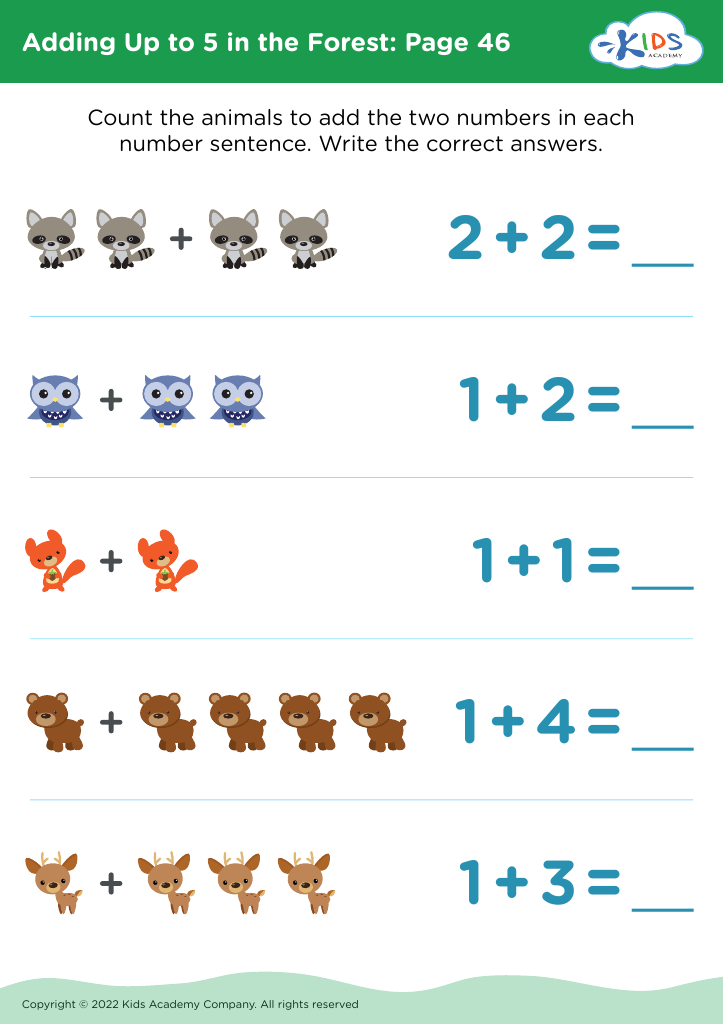
    Adding Up to 5 in the Forest: Page 46
    Adding Up to 5 in the Forest: Page 46
    Adding Up to 5 in the Forest: Page 46
    Worksheet
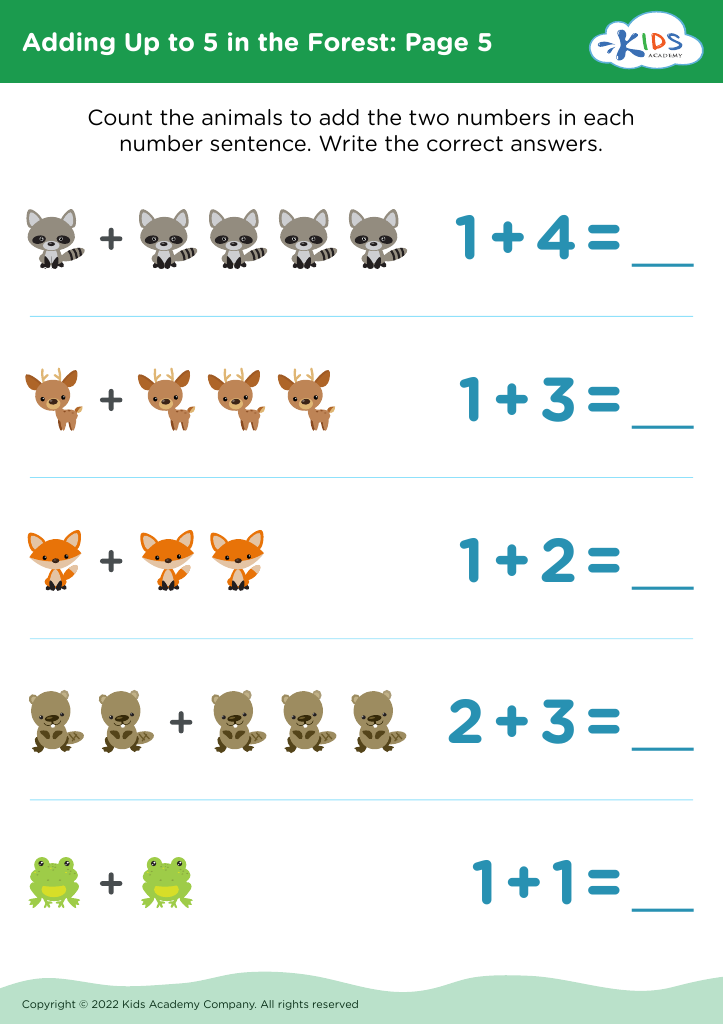
    Adding Up to 5 in the Forest: Page 5
    Adding Up to 5 in the Forest: Page 5
    Adding Up to 5 in the Forest: Page 5
    Worksheet
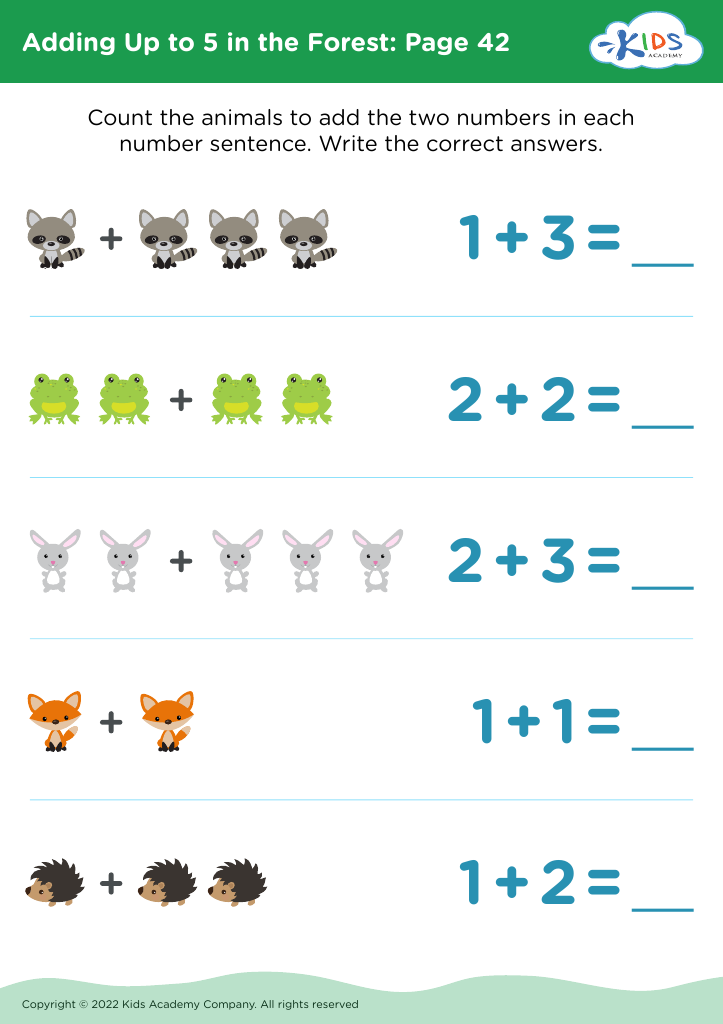
    Adding Up to 5 in the Forest: Page 42
    Adding Up to 5 in the Forest: Page 42
    Adding Up to 5 in the Forest: Page 42
    Worksheet
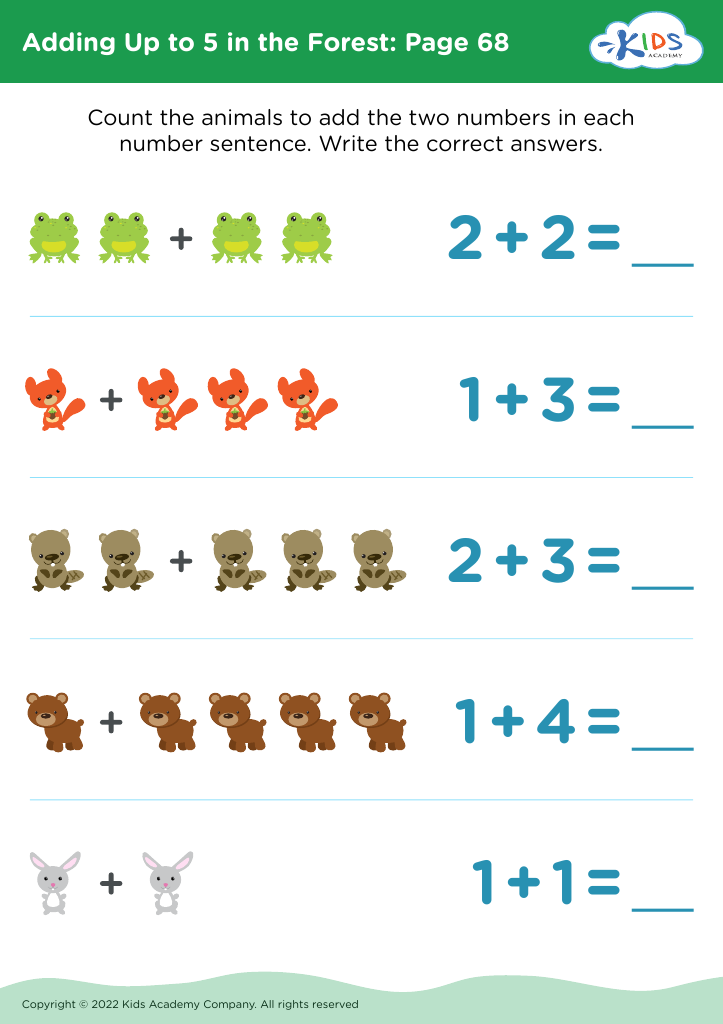
    Adding Up to 5 in the Forest: Page 68
    Adding Up to 5 in the Forest: Page 68
    Adding Up to 5 in the Forest: Page 68
    Worksheet
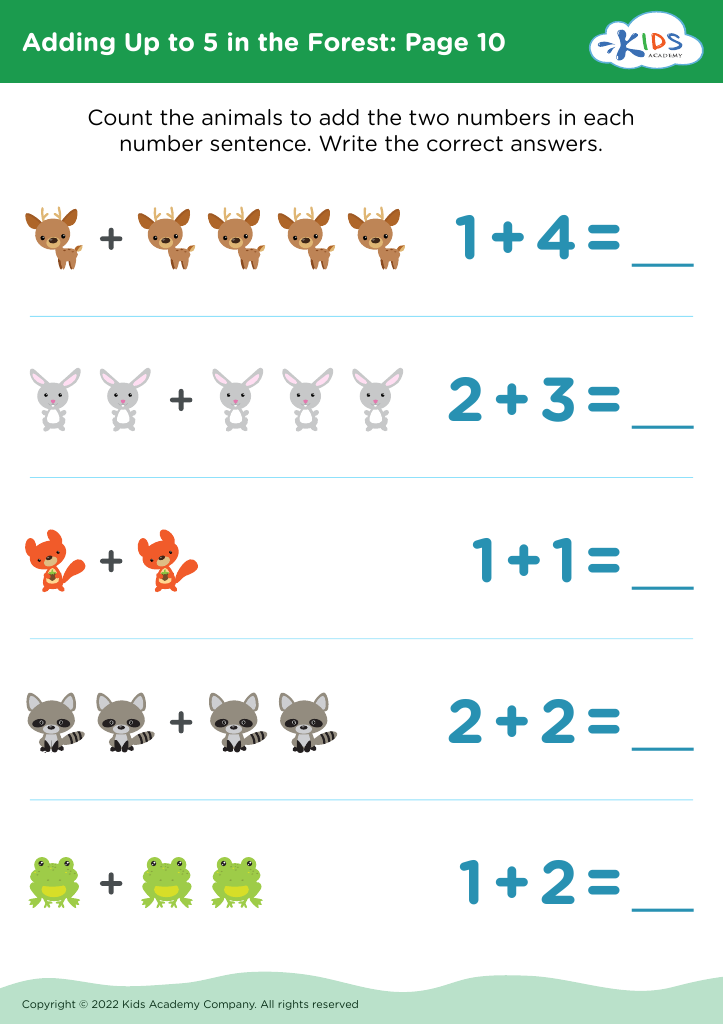
    Adding Up to 5 in the Forest: Page 10
    Adding Up to 5 in the Forest: Page 10
    Adding Up to 5 in the Forest: Page 10
    Worksheet
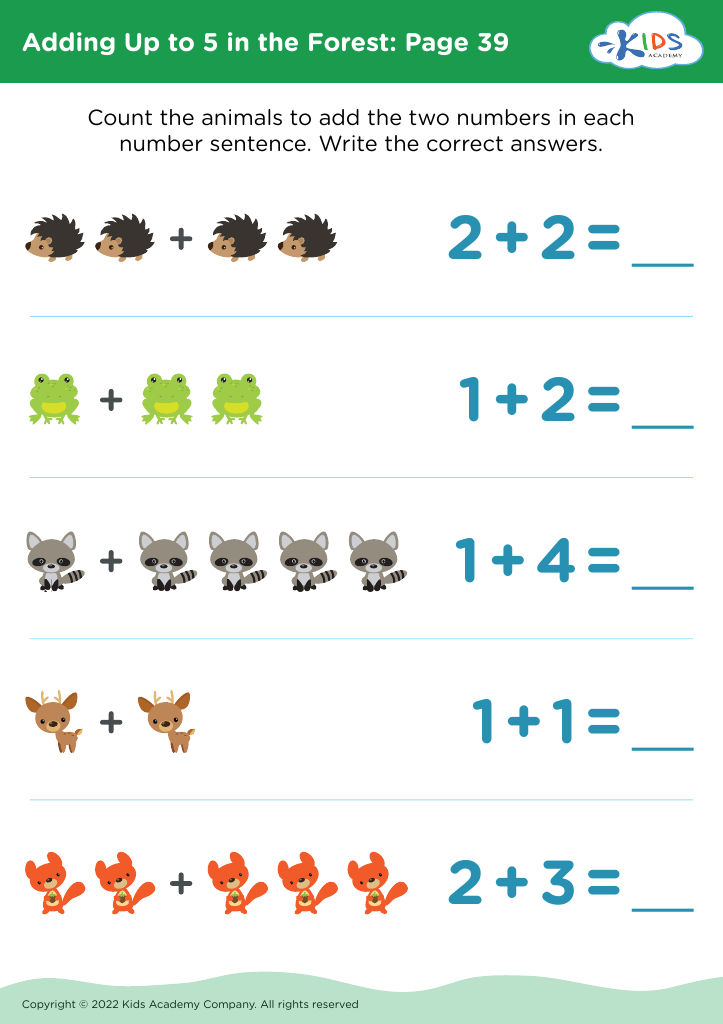
    Adding Up to 5 in the Forest: Page 39
    Adding Up to 5 in the Forest: Page 39
    Adding Up to 5 in the Forest: Page 39
    Worksheet
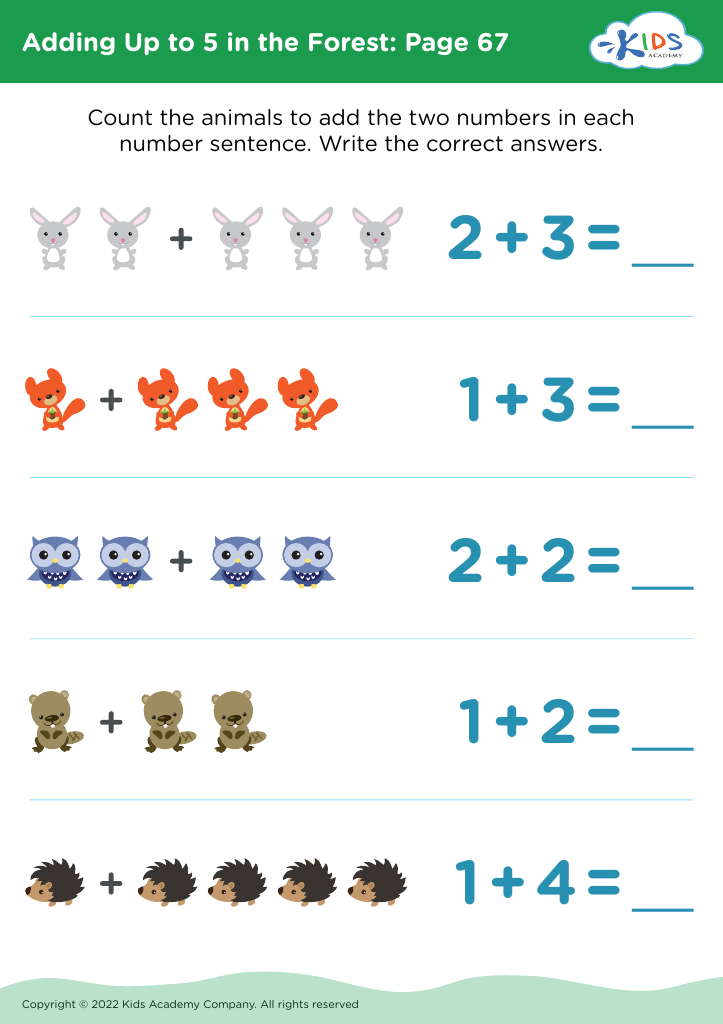
    Adding Up to 5 in the Forest: Page 67
    Adding Up to 5 in the Forest: Page 67
    Adding Up to 5 in the Forest: Page 67
    Worksheet
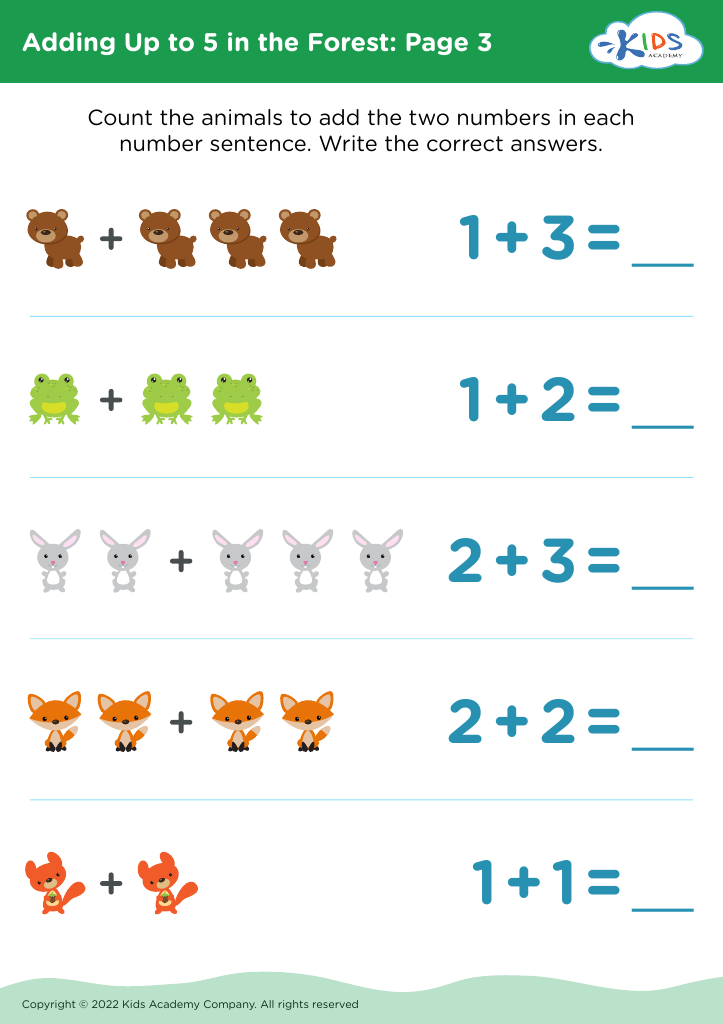
    Adding Up to 5 in the Forest: Page 3
    Adding Up to 5 in the Forest: Page 3
    Adding Up to 5 in the Forest: Page 3
    Worksheet
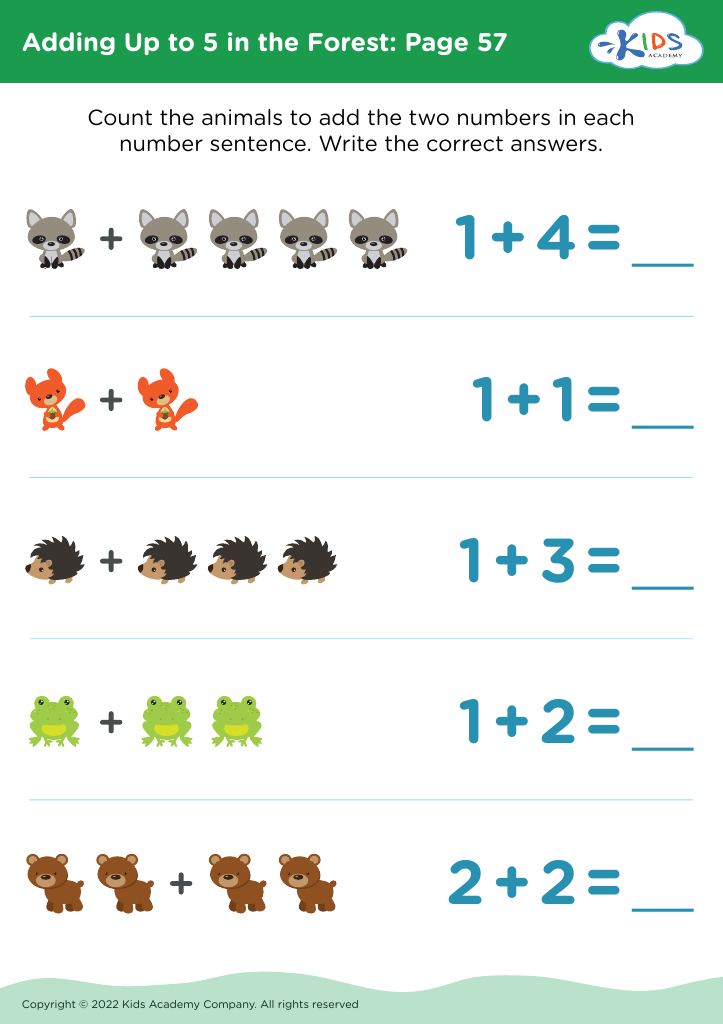
    Adding Up to 5 in the Forest: Page 57
    Adding Up to 5 in the Forest: Page 57
    Adding Up to 5 in the Forest: Page 57
    Worksheet
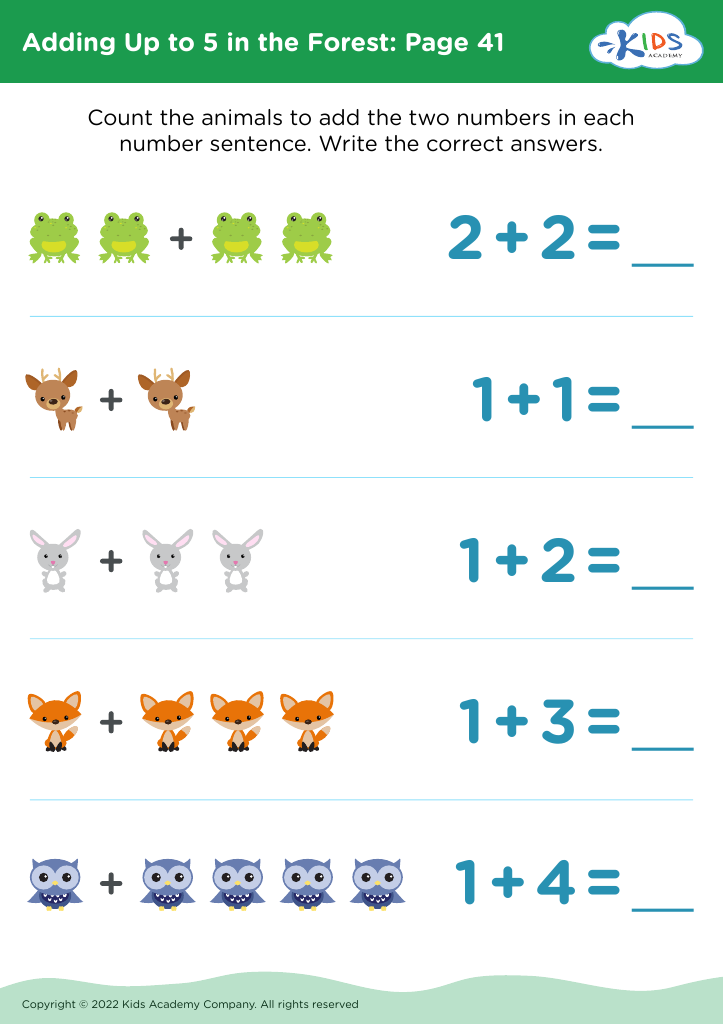
    Adding Up to 5 in the Forest: Page 41
    Adding Up to 5 in the Forest: Page 41
    Adding Up to 5 in the Forest: Page 41
    Worksheet


    ... 2 3

    Number recognition is a fundamental skill that lays the groundwork for mathematical understanding in young children, particularly for ages 4-8. "Adding in the Forest," an engaging activity set in a vibrant, nature-themed context, not only promotes number recognition but also illustrates the practical applications of math in the real world. Parents and teachers should care about this topic for several reasons.

    Firstly, developing number recognition helps children identify, categorize, and manipulate numbers, leading to improved problem-solving skills. Activities like "Adding in the Forest" capture children's imagination and utilize creative storytelling, making math enjoyable and relatable. This enjoyment fosters positive associations with learning, boosting children's confidence in their math abilities.

    Furthermore, situating math activities in a familiar and attractive setting, such as a forest, encourages exploration and curiosity. Children naturally connect with their surroundings, and relatable examples foster deeper understanding. These experiences can untilize early logic skills, as children visualize addition through counting objects in nature.

    Finally, early number recognition is essential for ensuring future success in math education, providing a strong foundation for more complex concepts. By investing in these engaging routines, parents and teachers cultivate a lifelong appreciation of math during these critical learning years.