Comparing Fractions Adding up to 100 Misc Worksheets for Ages 4-8
10 filtered results
-
From - To
Unlock your child's potential with our "Comparing Fractions Adding Up to 100 Misc Worksheets" designed for ages 4-8! These engaging worksheets help young learners develop essential fraction skills while introducing the concept of comparisons in a fun and interactive way. Using vibrant visuals and age-appropriate challenges, kids gain confidence in understanding how different fractions relate to each other. Perfect for supplementing classroom learning or for home practice, these worksheets encourage critical thinking and problem-solving. Let your young mathematicians explore the exciting world of fractions while adding up to 100, enhancing their math foundation for future success! Start their journey to mastery today!
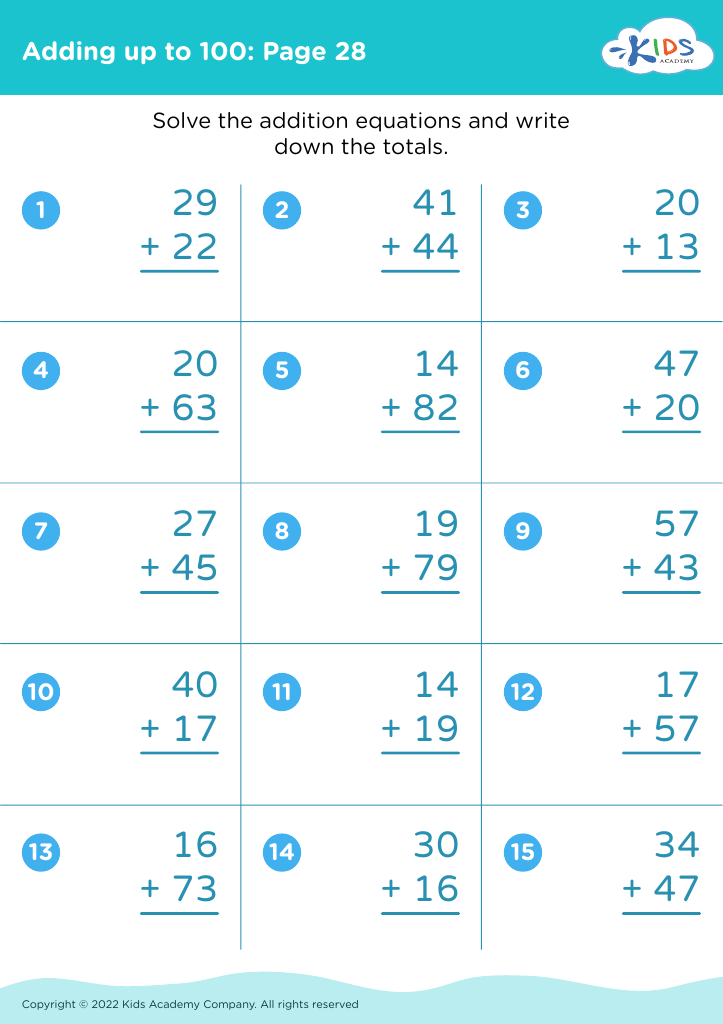
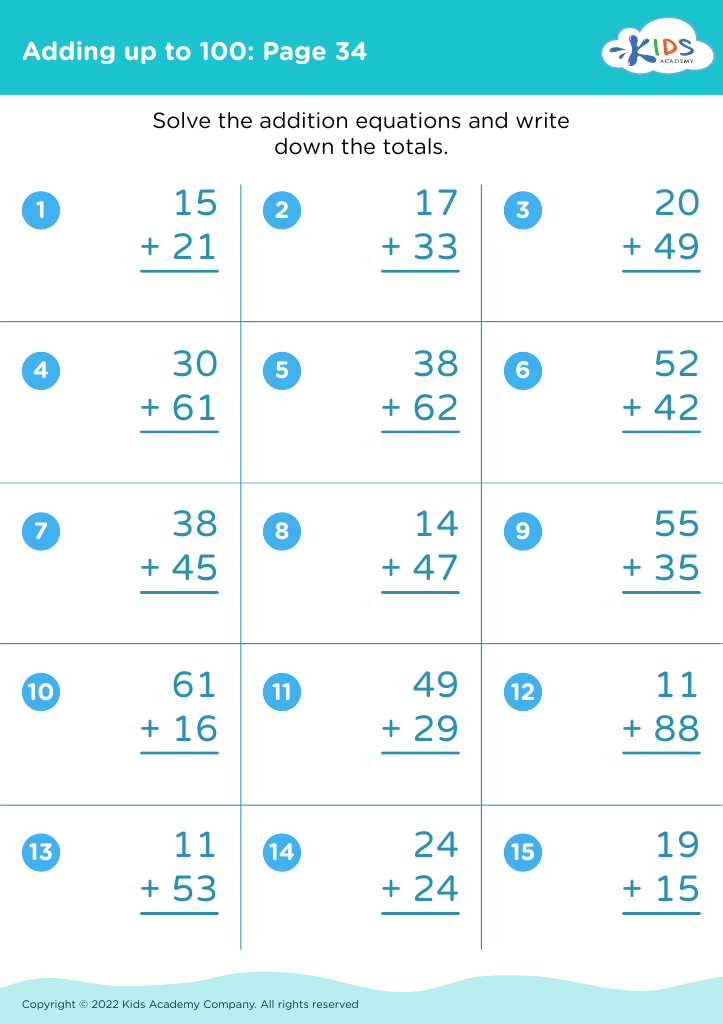
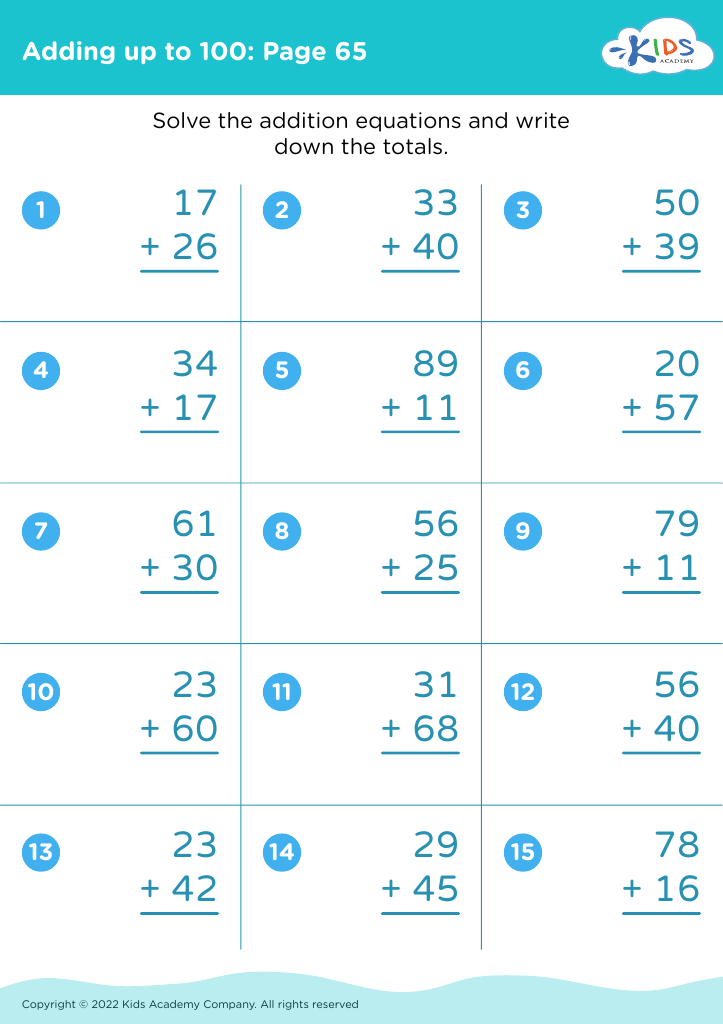
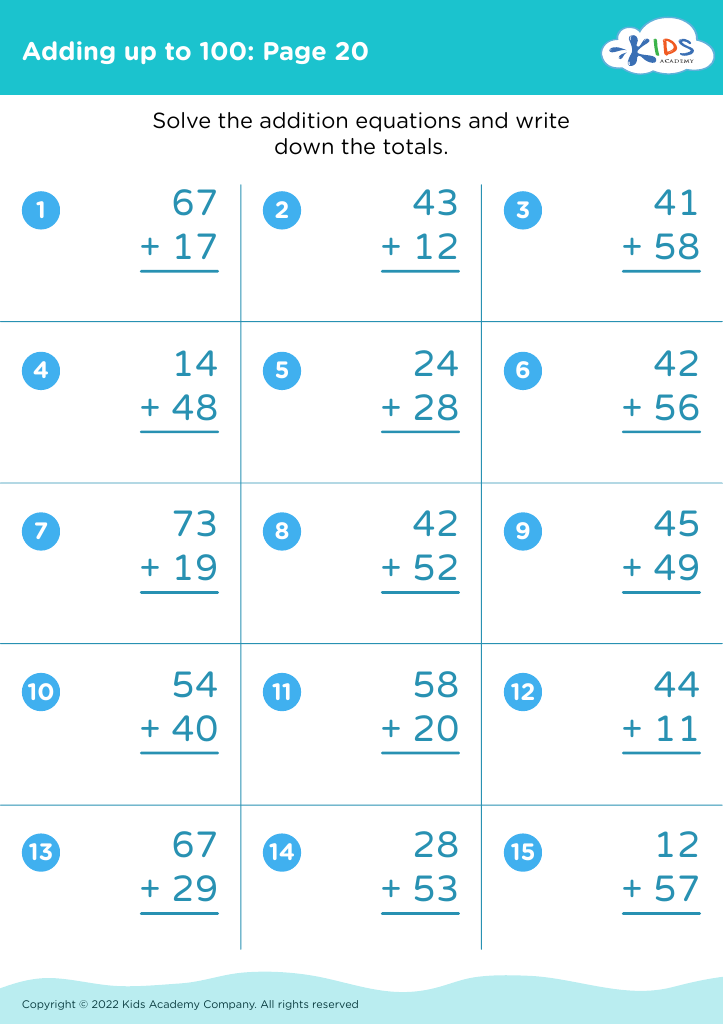
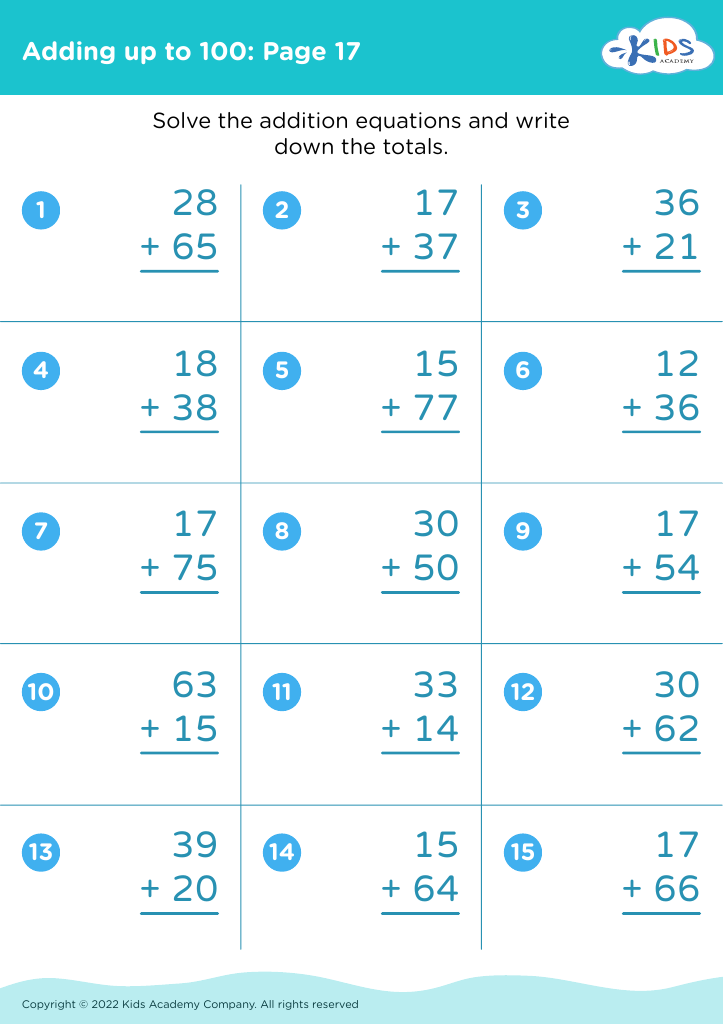
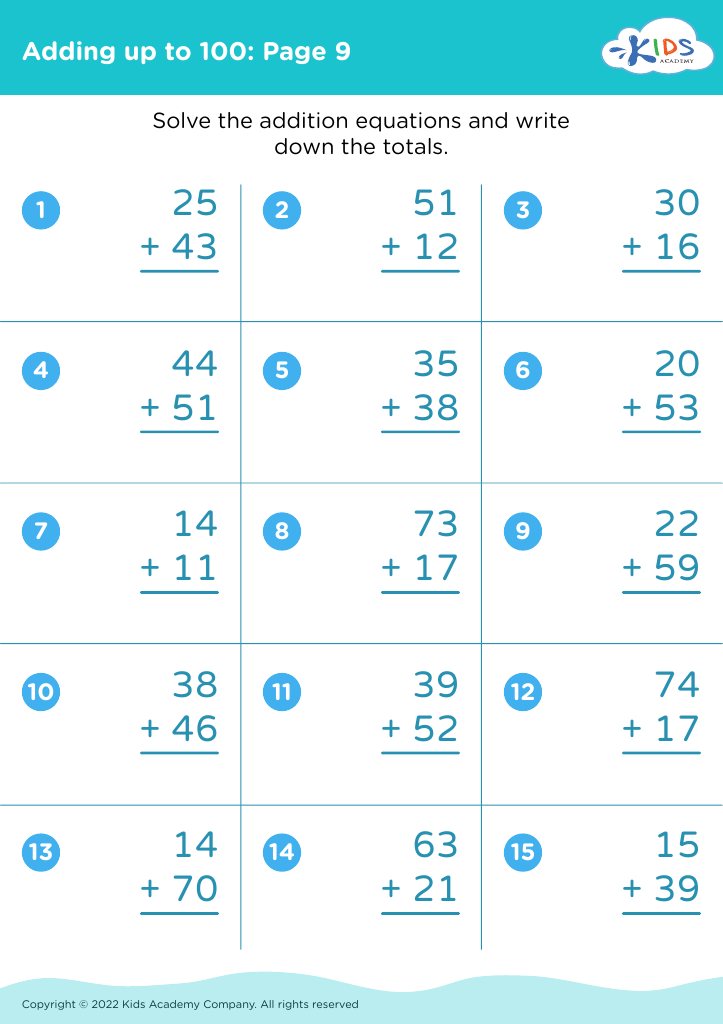
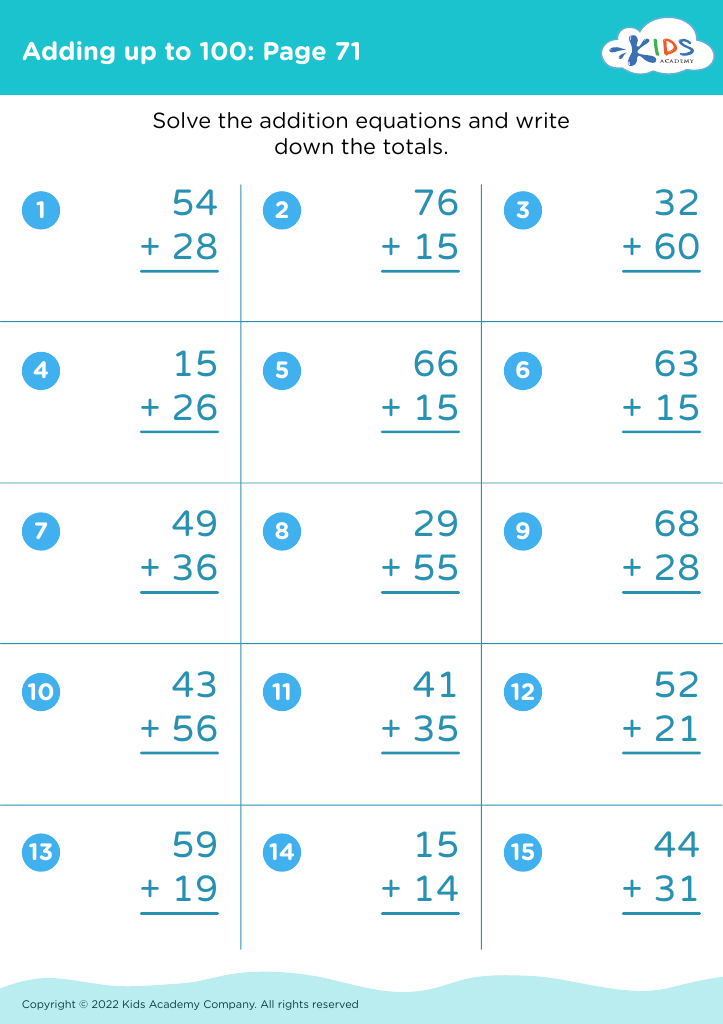
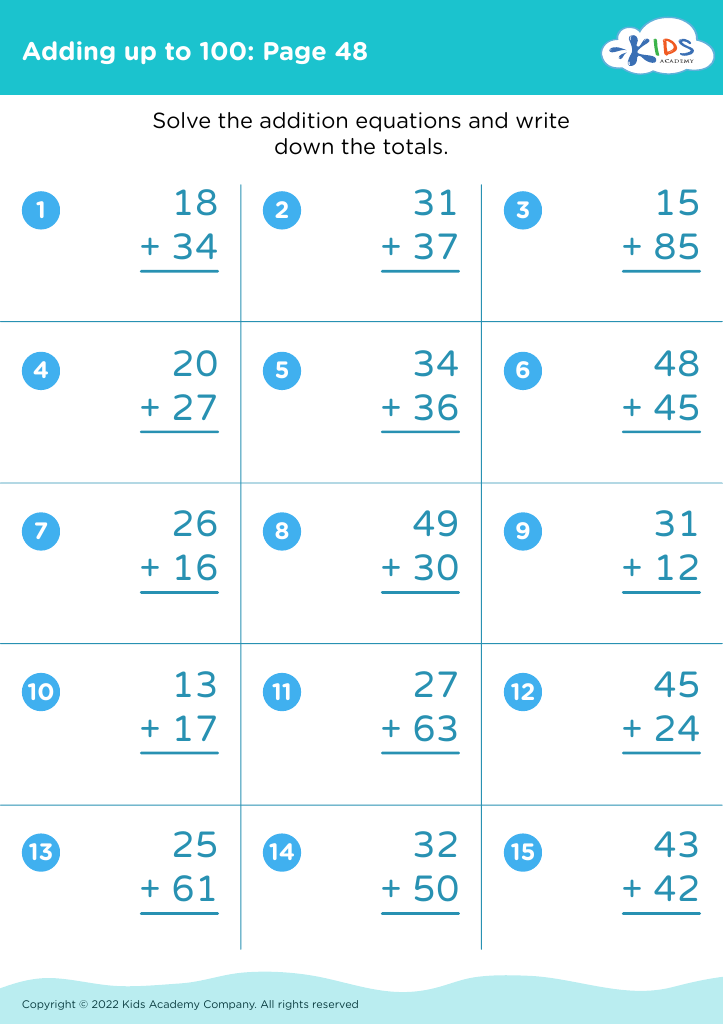
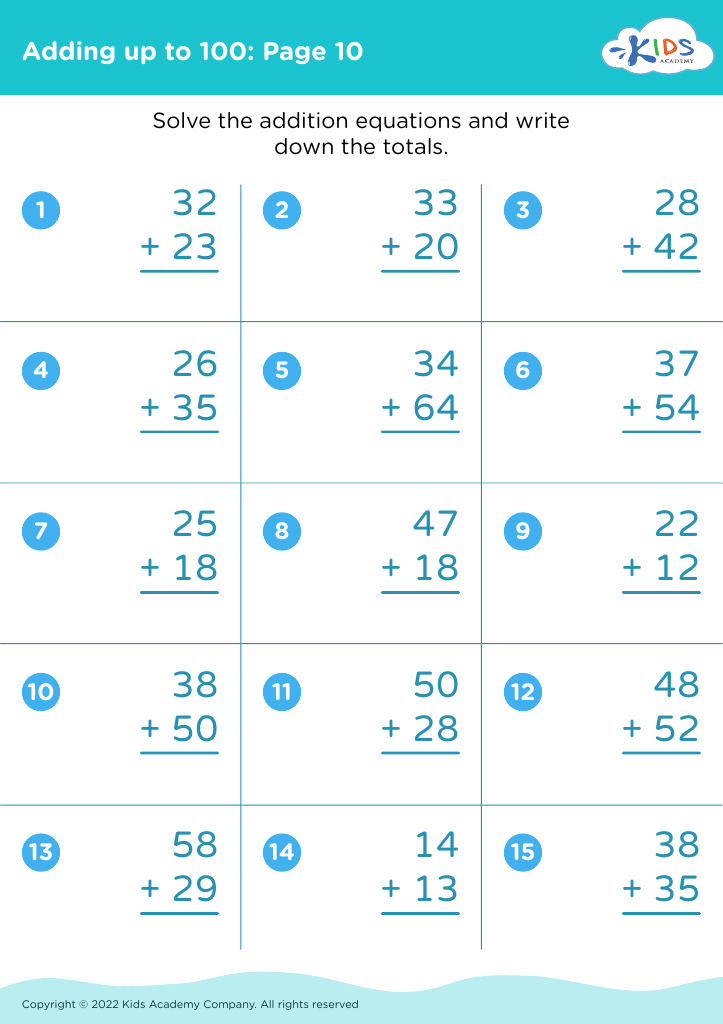
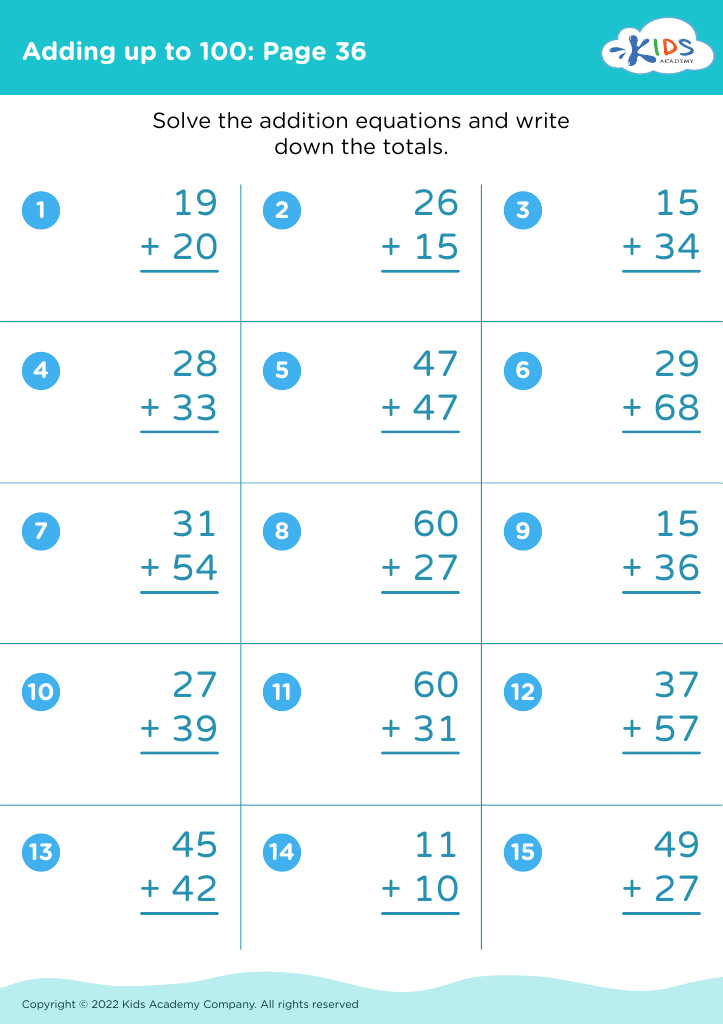


Teaching children to compare fractions that add up to 100 is crucial for their mathematical development. For ages 4-8, this concept helps build foundational skills such as numeracy, problem-solving, and critical thinking. Understanding fractions goes beyond numbers; it teaches children how to make sense of the world around them in terms of parts and wholes—skills essential for everyday life.
When parents and teachers engage children in comparing fractions, they're not just introducing abstract concepts. They are fostering a mindset that appreciates relationships between numbers, promoting estimation skills, and enhancing their ability to visualize problems. Mastering fractions prepares children for future math challenges, such as addition, subtraction, and eventually more complex topics like ratios and percentages.
Moreover, learning to compare fractions in a fun and interactive manner can captivate young learners’ interest in math. Games that involve comparing fractions can effectively strengthen their knowledge and keep the learning experience enjoyable. It also lays the groundwork for teamwork and communication skills when children discuss their thought processes with peers or family.
In summary, understanding fractions that add up to 100 empowers children with essential skills, alleviates math anxiety, and builds confidence as they progress in their education.