Understanding fractions Adding up to 100 Misc Worksheets for Ages 4-8
16 filtered results
-
From - To
Welcome to our "Understanding Fractions: Adding Up to 100" worksheets, designed specifically for children ages 4-8! These engaging printables help young learners grasp the concept of fractions in a fun and accessible way. Students will enjoy interactive activities that illustrate how fractions fit into the bigger picture of numbers, enhancing their understanding of part-to-whole relationships. Our creative and colorful worksheets facilitate a visual learning experience, making it easier for kids to add up to 100 while exploring fractions. Perfect for home or classroom use, these resources support foundational math skills and inspire a love for learning in early education.
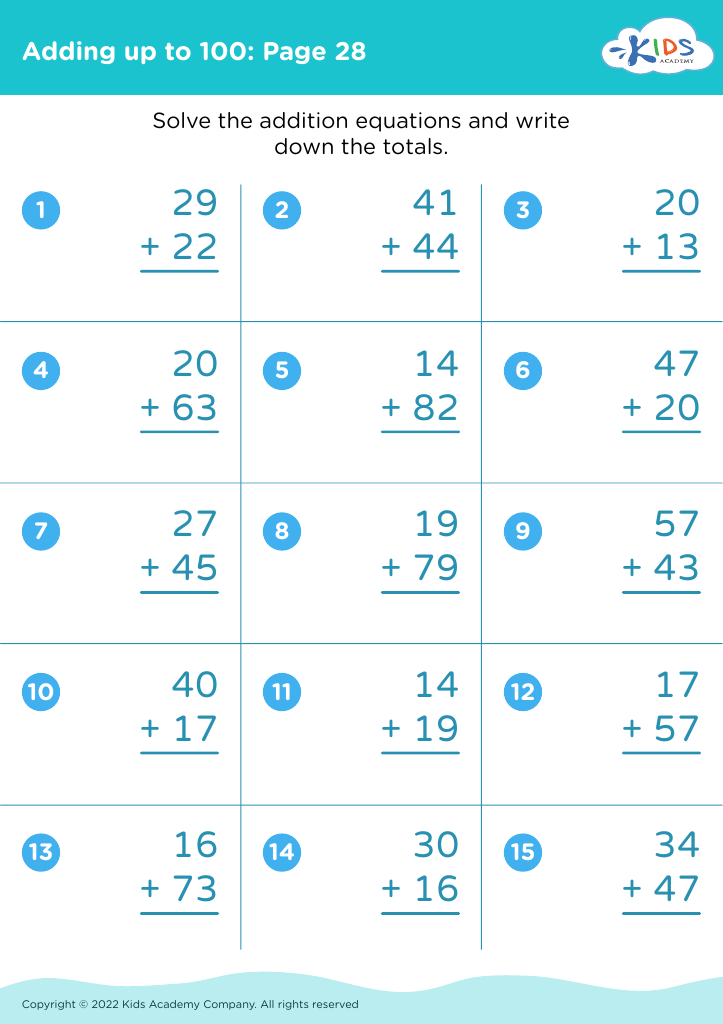
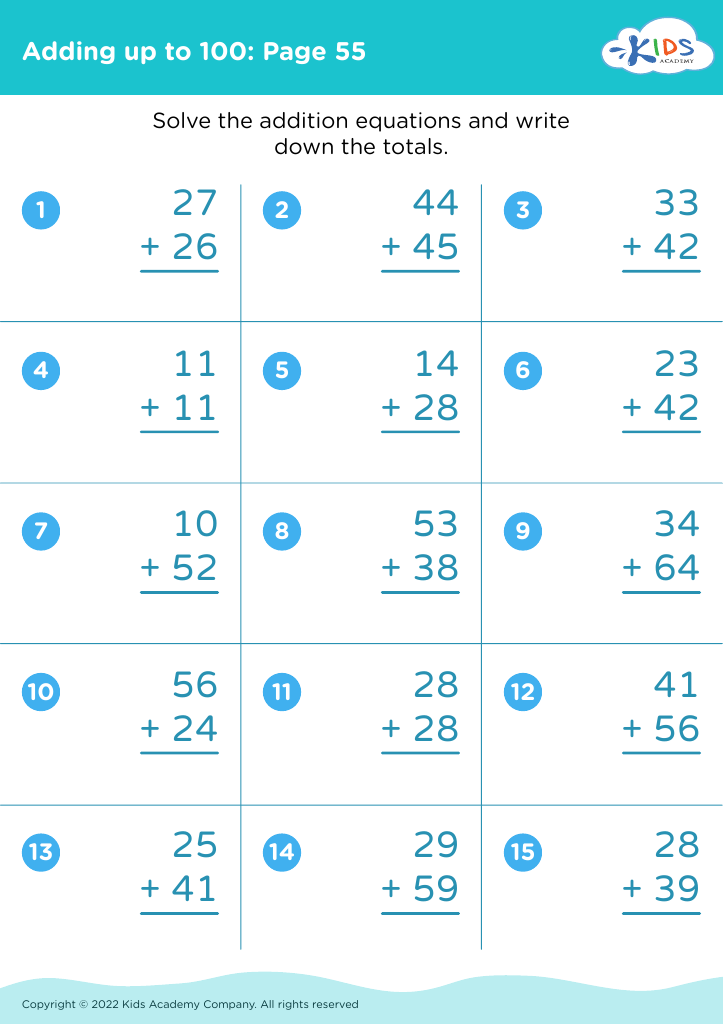
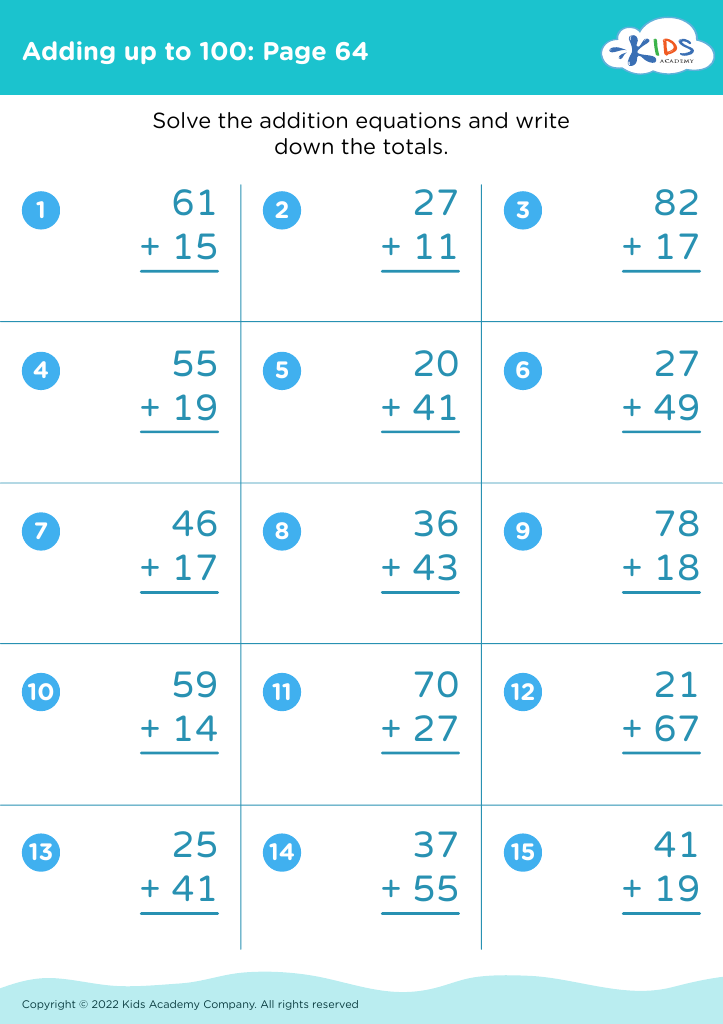
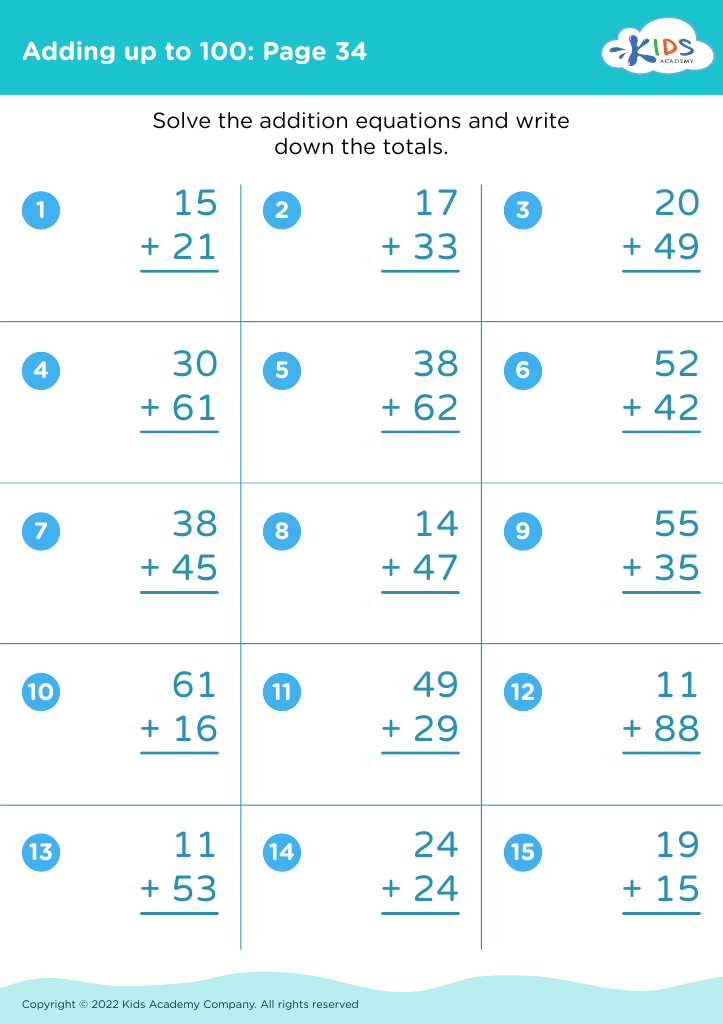
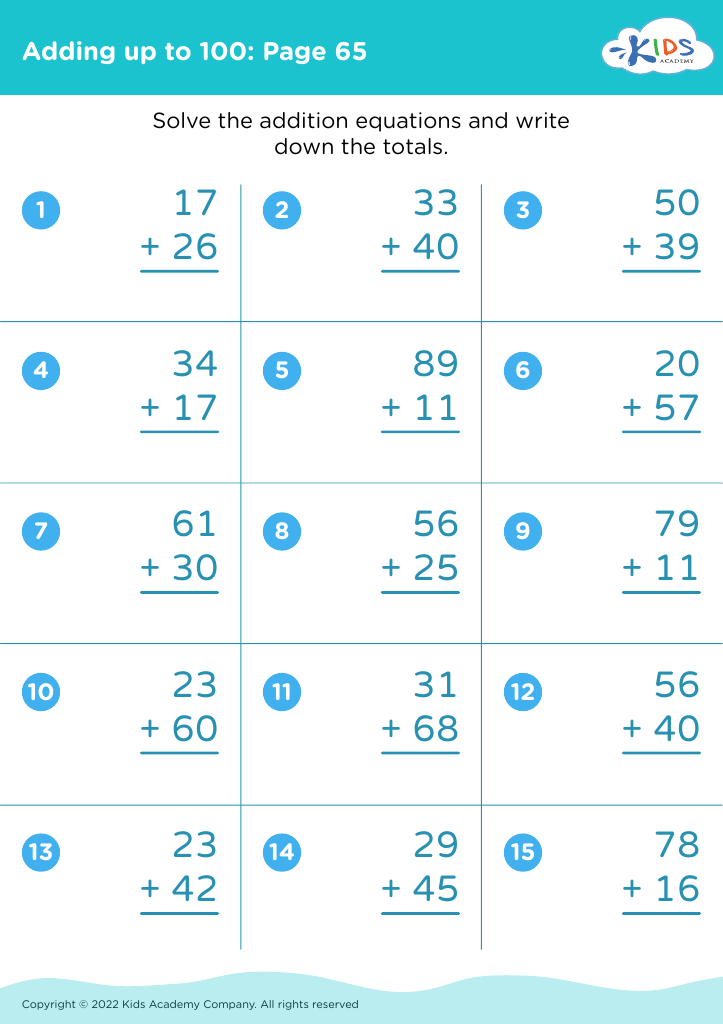
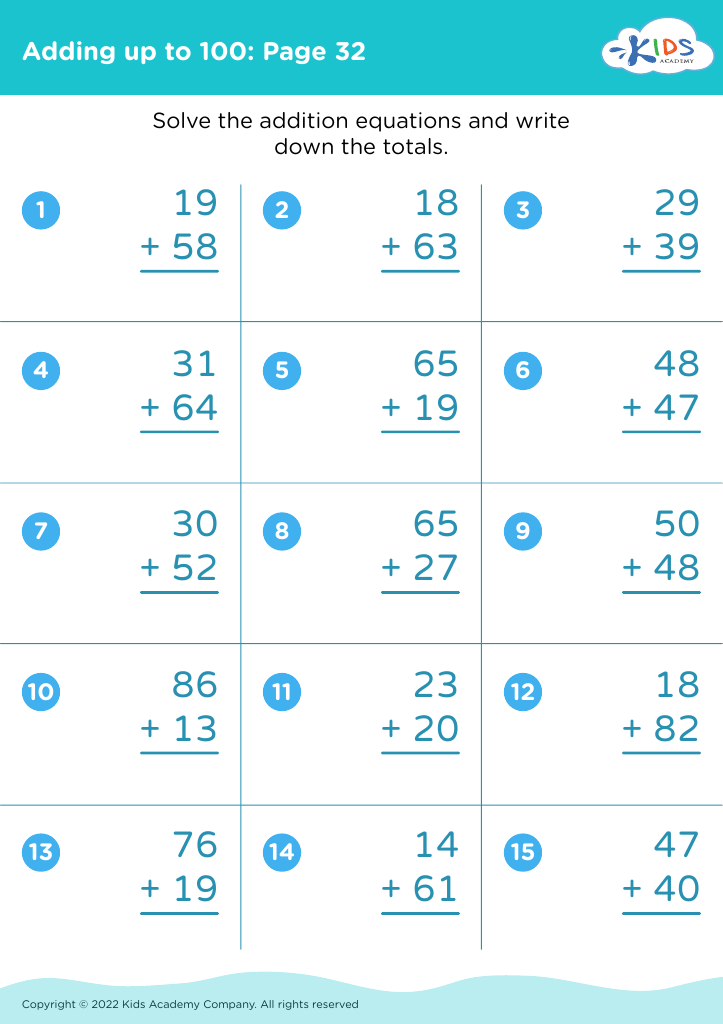
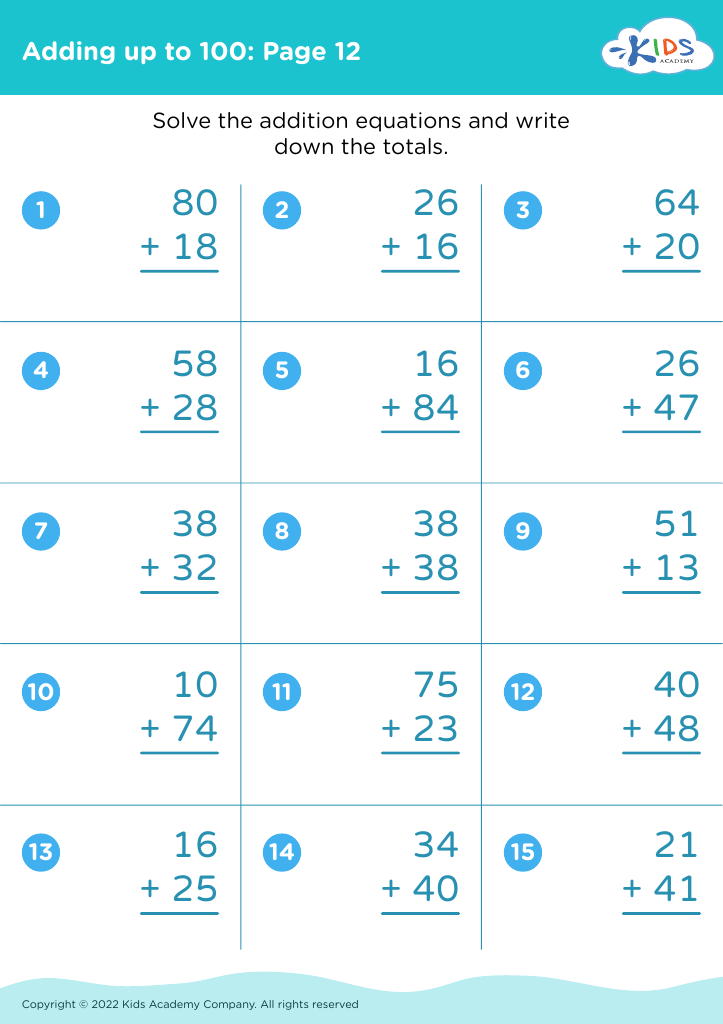
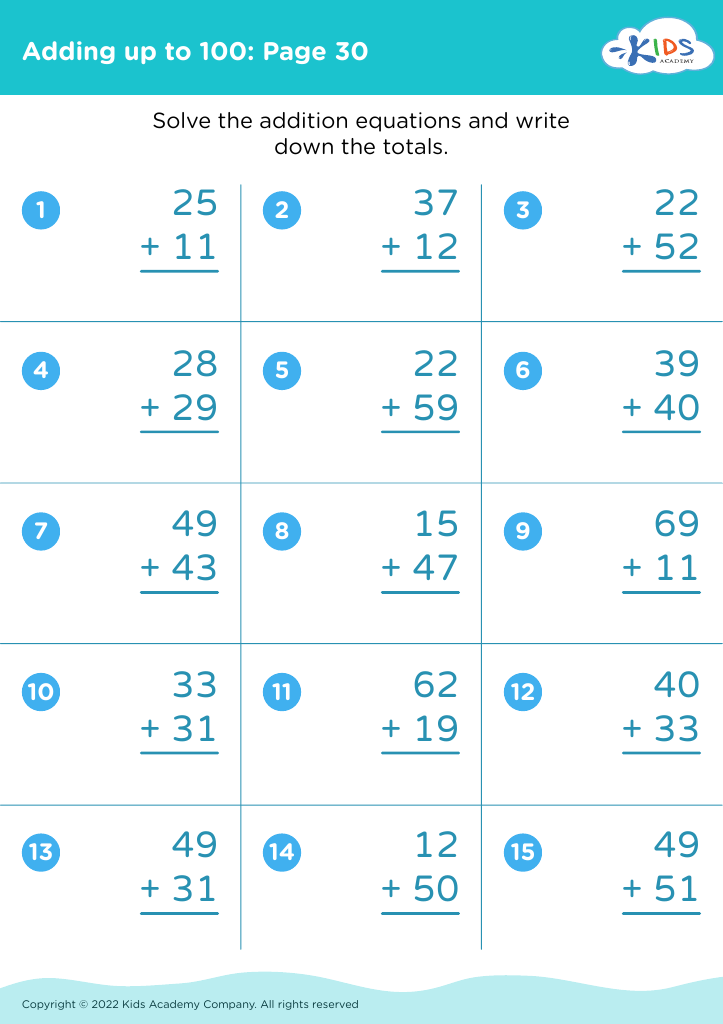
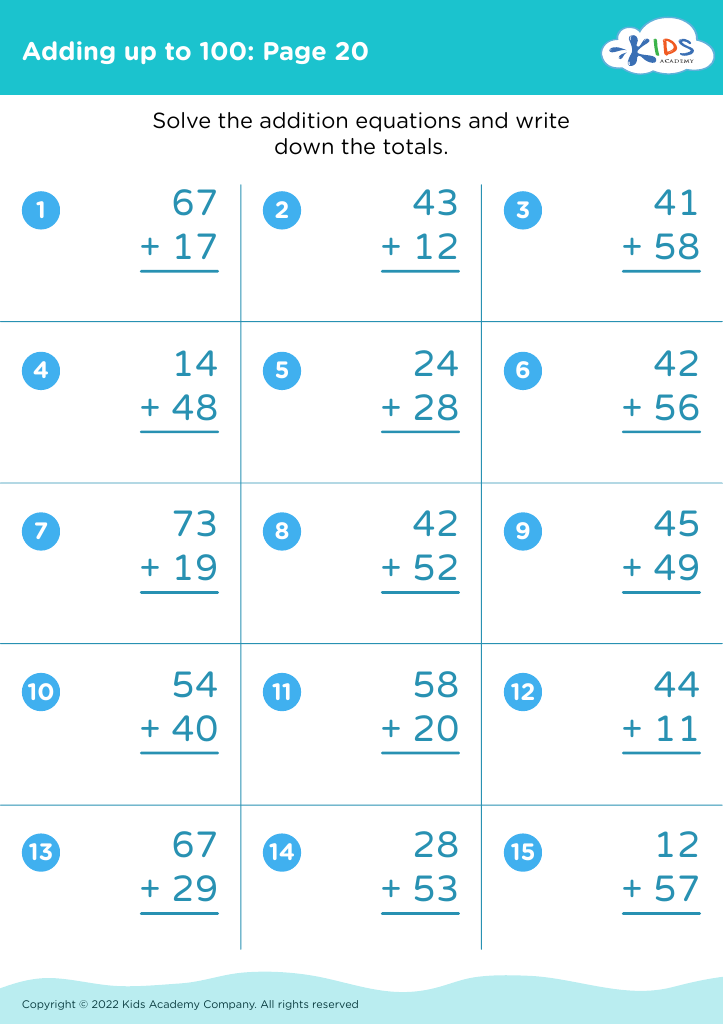
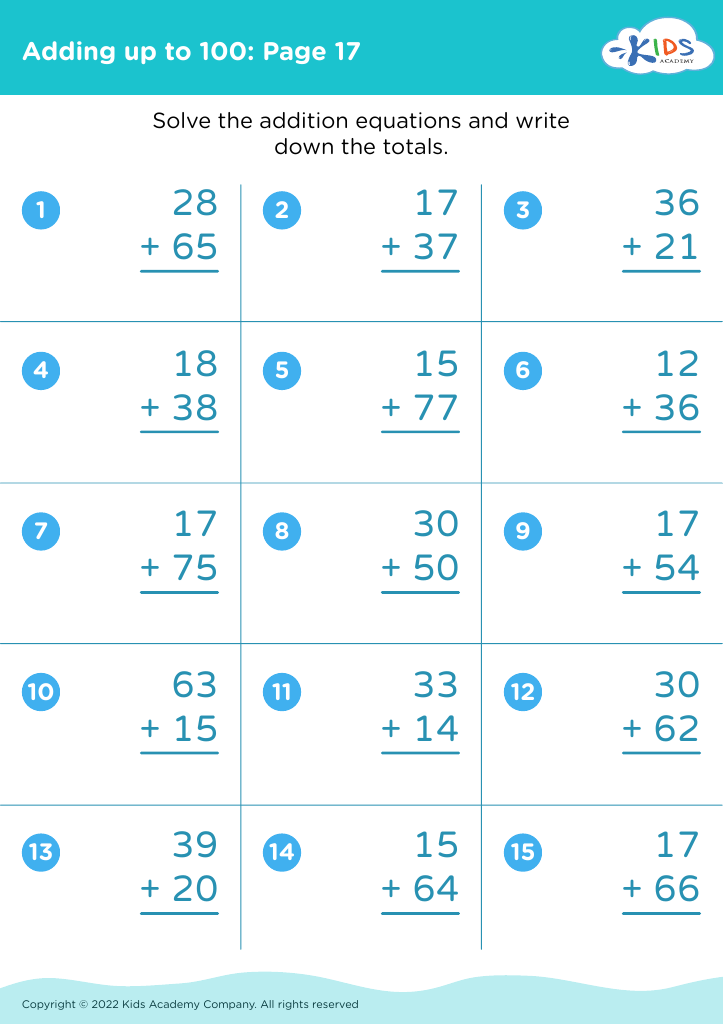
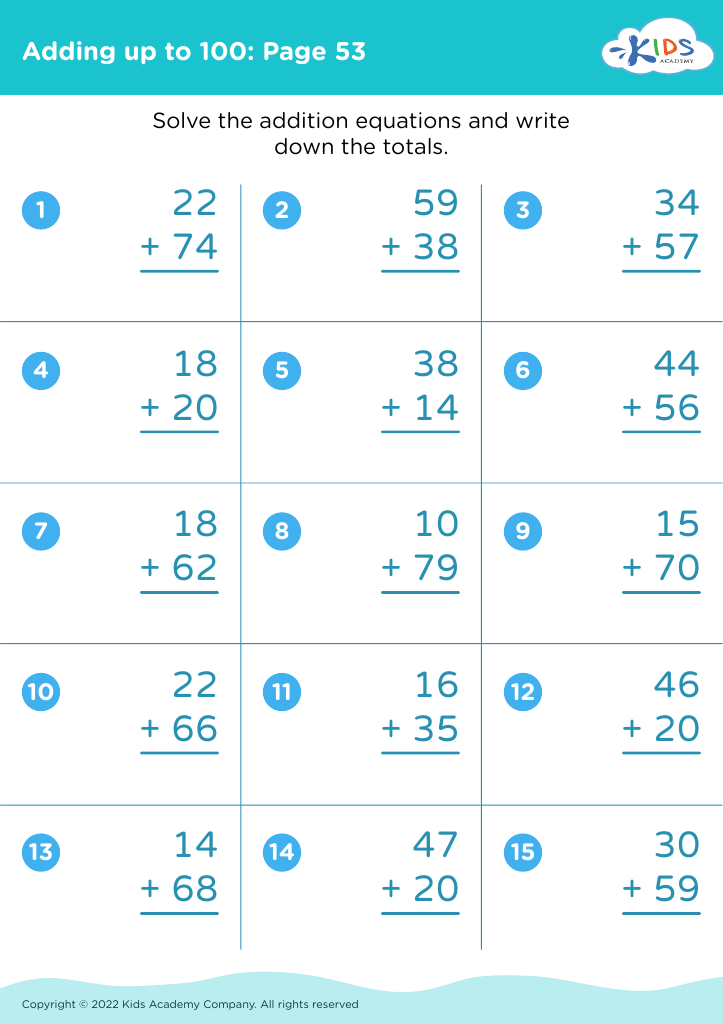
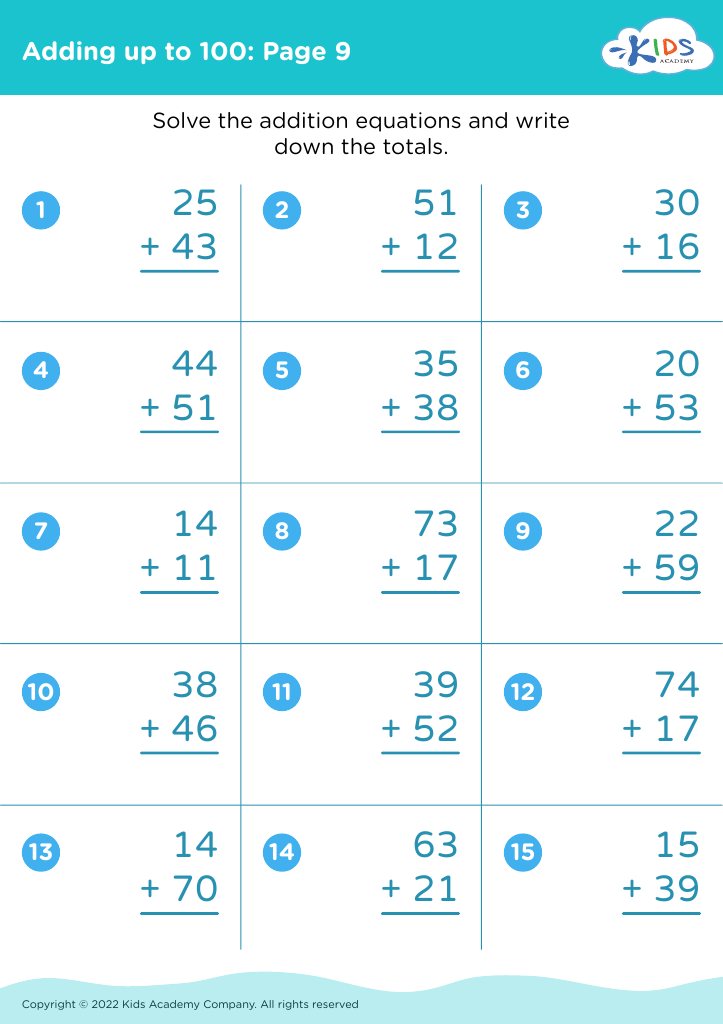
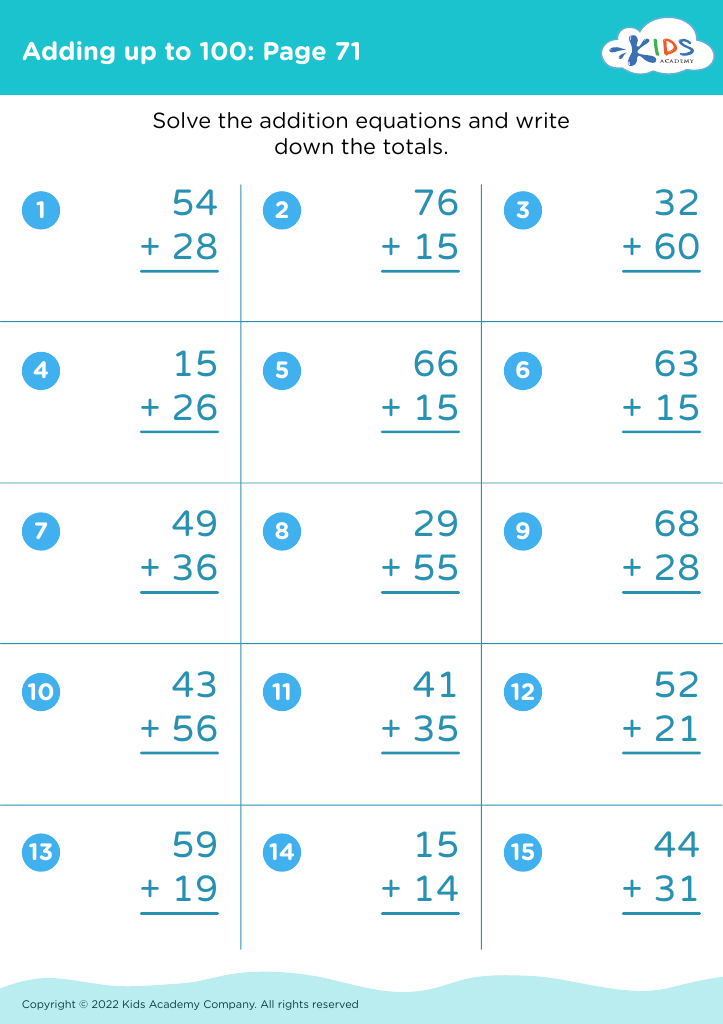
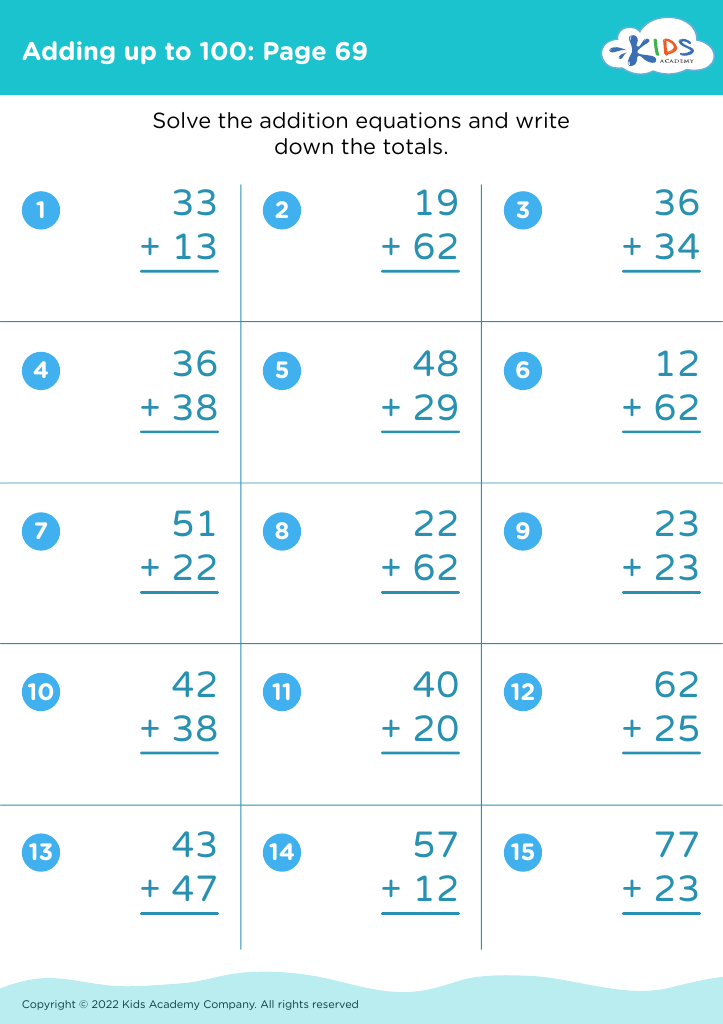
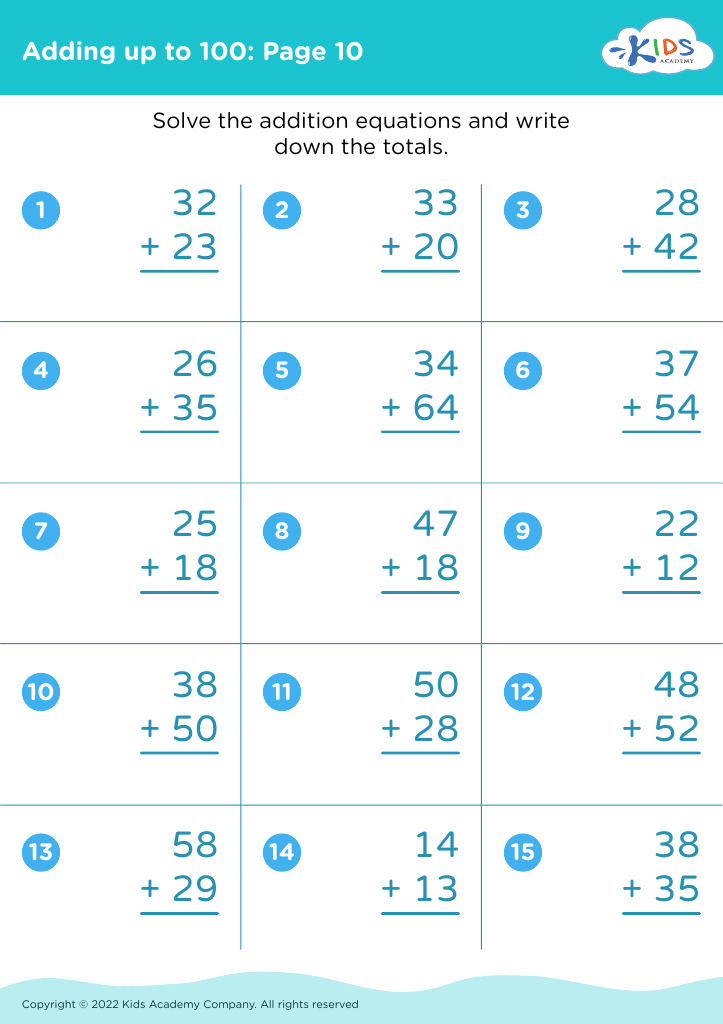
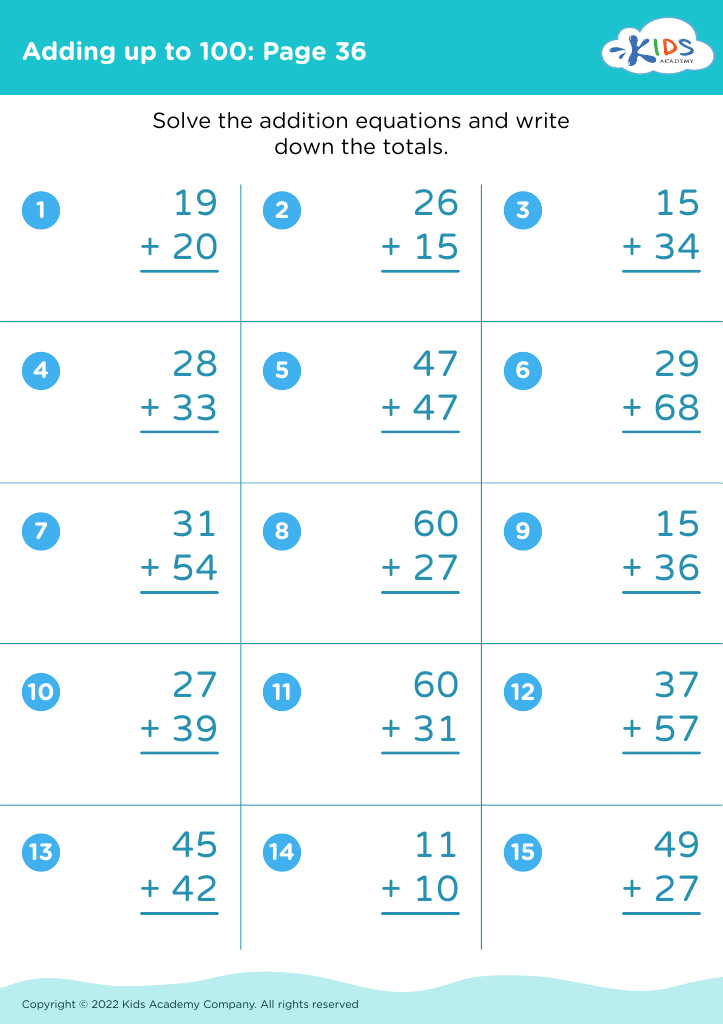


Understanding fractions, particularly the concept of adding up to 100, is crucial for children aged 4-8 as it lays the foundation for their mathematical literacy.
At this age, children are naturally curious and begin to grapple with basic math concepts. Introducing fractions through simple visual aids like pie charts or partitioning objects into parts helps them recognize the relationship between numbers and their portions. This is not only integral for future math mastery but also enhances critical thinking and problem-solving skills.
Parents and teachers should care deeply about this topic because it offers opportunities for real-life application. For example, teaching kids how to divide a pizza or manage money using fractions promotes practical understanding. The concept of fractions is also tied to many everyday experiences like cooking or sharing, making it vital for social interaction and teamwork.
Moreover, fostering competence in understanding fractions helps build confidence in young learners. Mastering this foundational skill can prevent future struggles in more complex mathematical concepts. As they progress in school, a solid grasp of fractions will enhance their ability to tackle proportional reasoning, percentages, and more advanced mathematics, equipping them not just for academics but for informed decision-making throughout life.