Mathematical reasoning Addition Facts Worksheets for Ages 4-8
4 filtered results
-
From - To
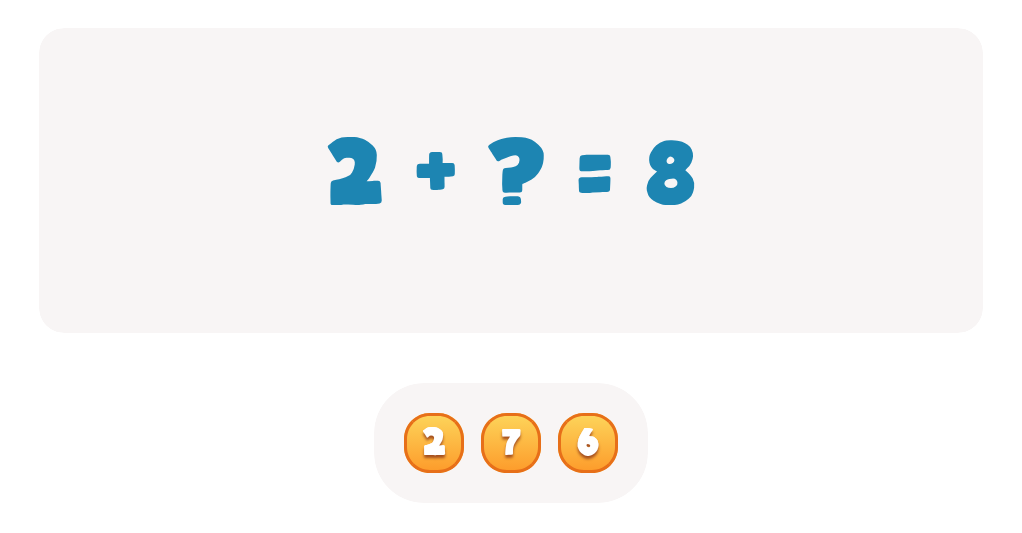
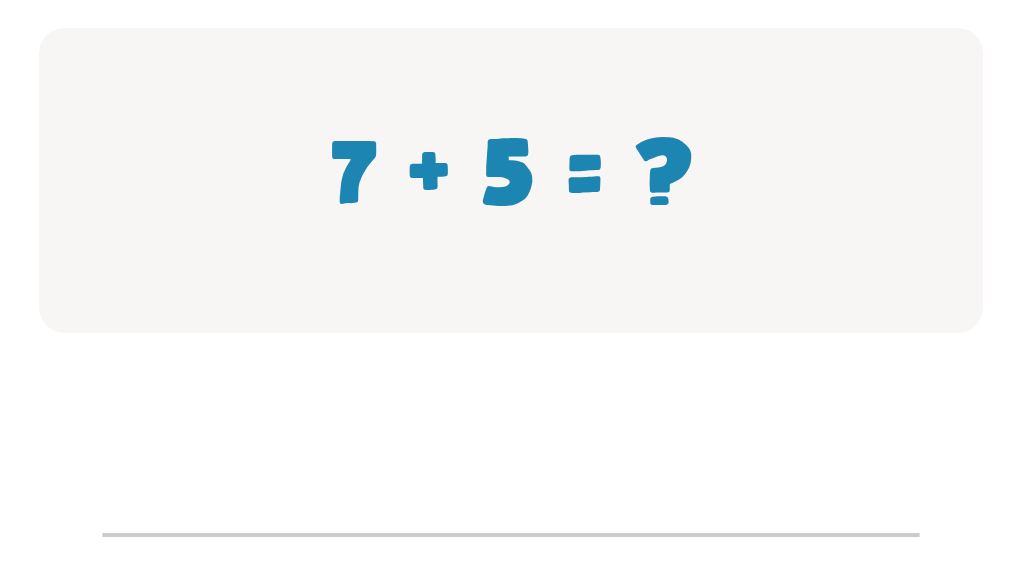
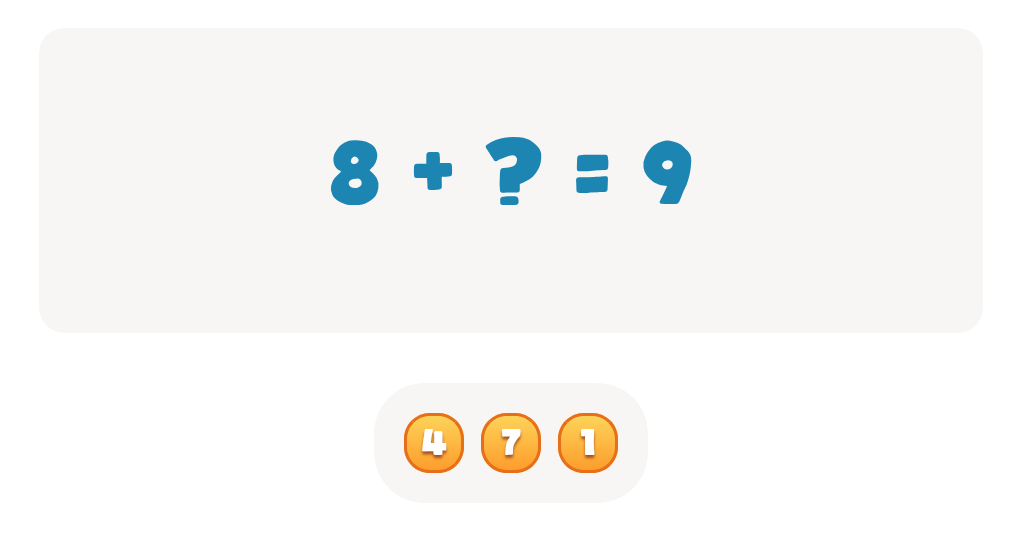
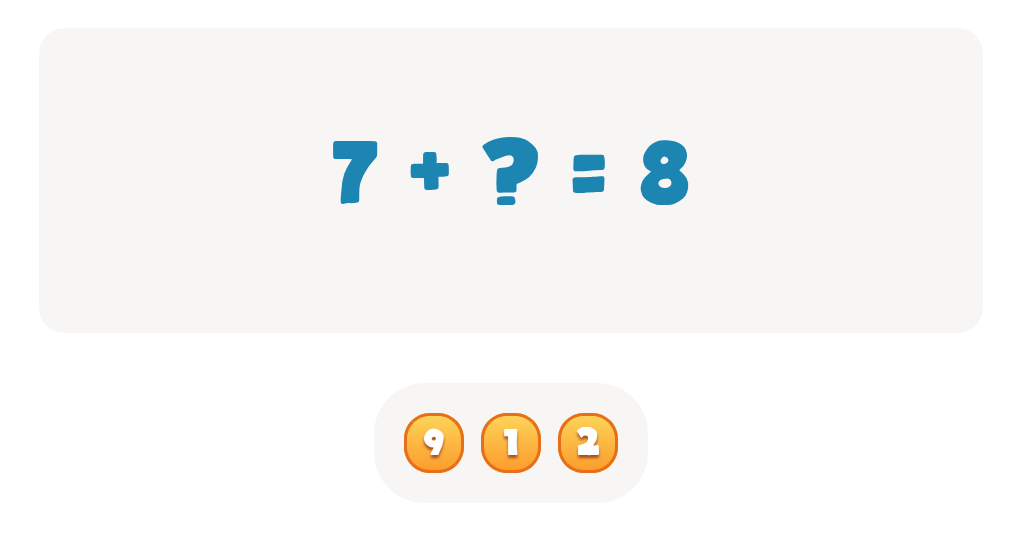
Boost your child's mathematical reasoning with our engaging Addition Facts Worksheets designed for ages 4-8! These worksheets are perfect for young learners to develop essential addition skills through fun and interactive activities. Each worksheet includes a variety of exercises that promote critical thinking and enhance understanding of basic addition concepts. Tailored for early education, these resources help children grasp addition facts in a supportive environment, fostering confidence as they progress in their math journey. Encourage a love for mathematics with our thoughtfully crafted worksheets, ensuring your child builds a strong foundation for future success. Download now and discover the joy of learning!
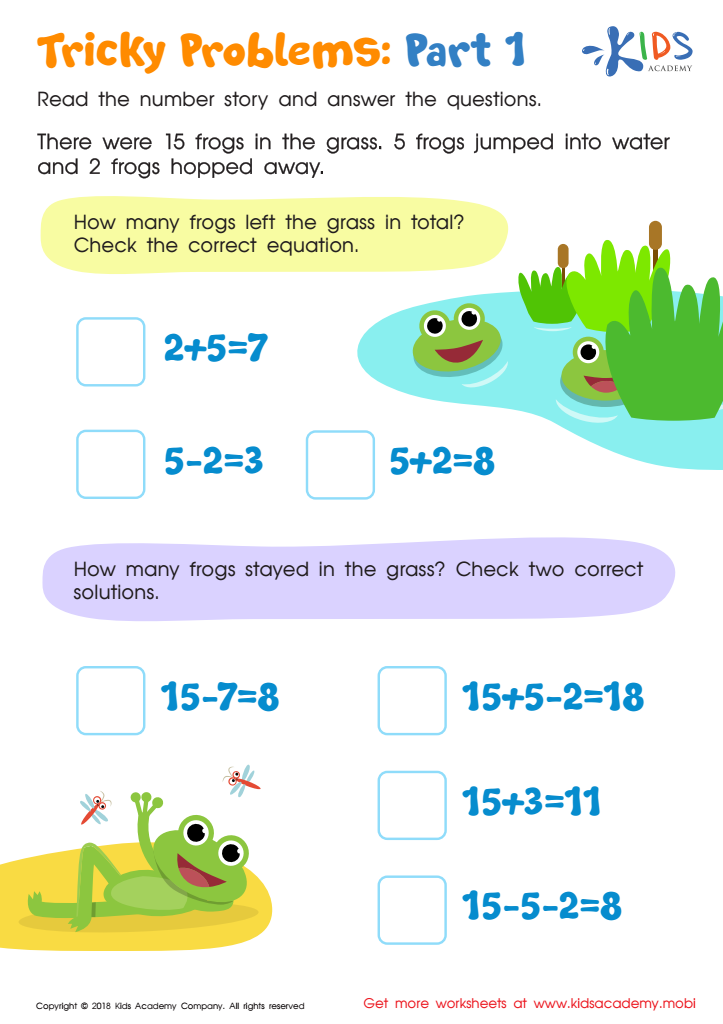
Tricky Problems Worksheet: Part 1
 Assign to My Students
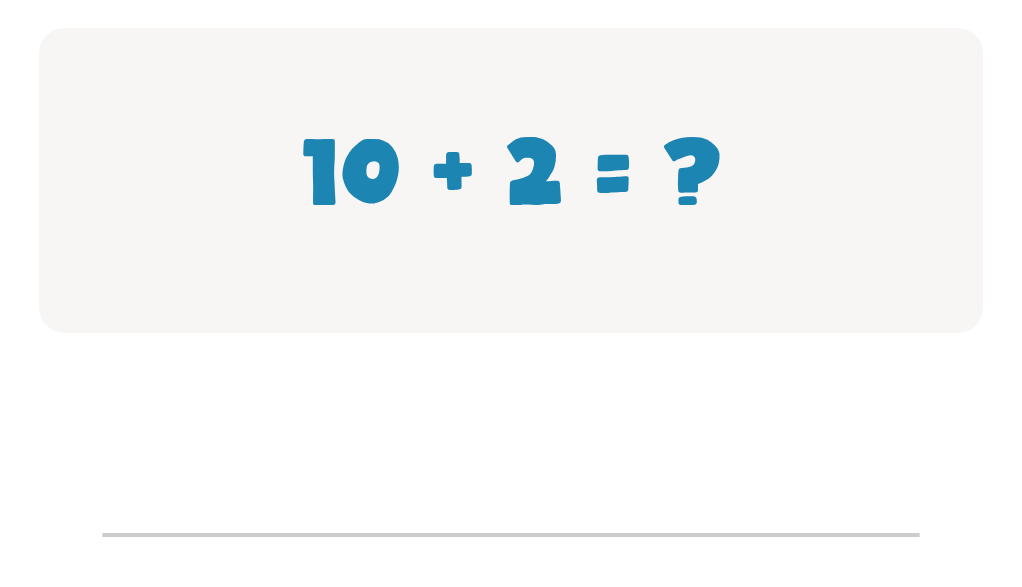

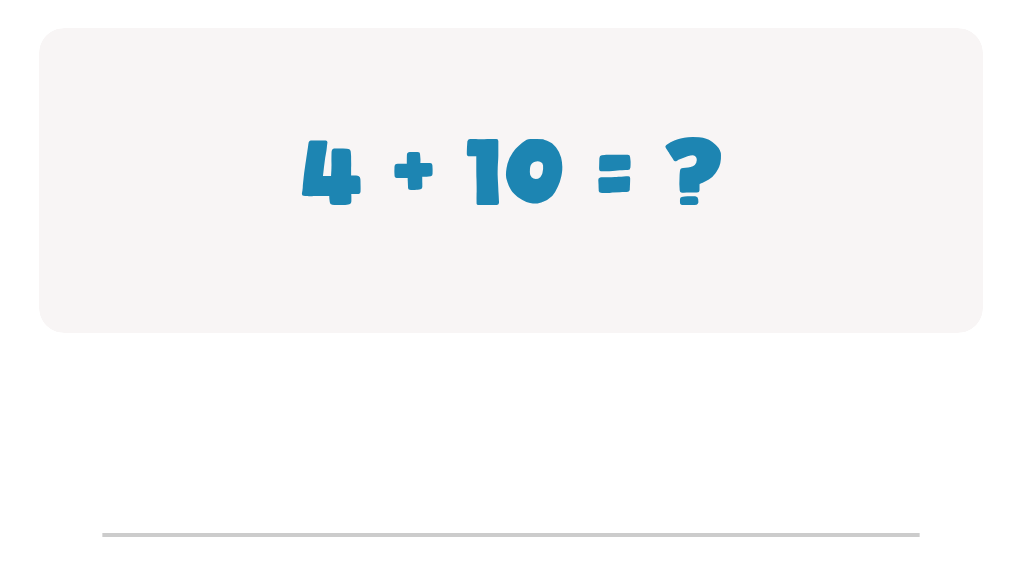
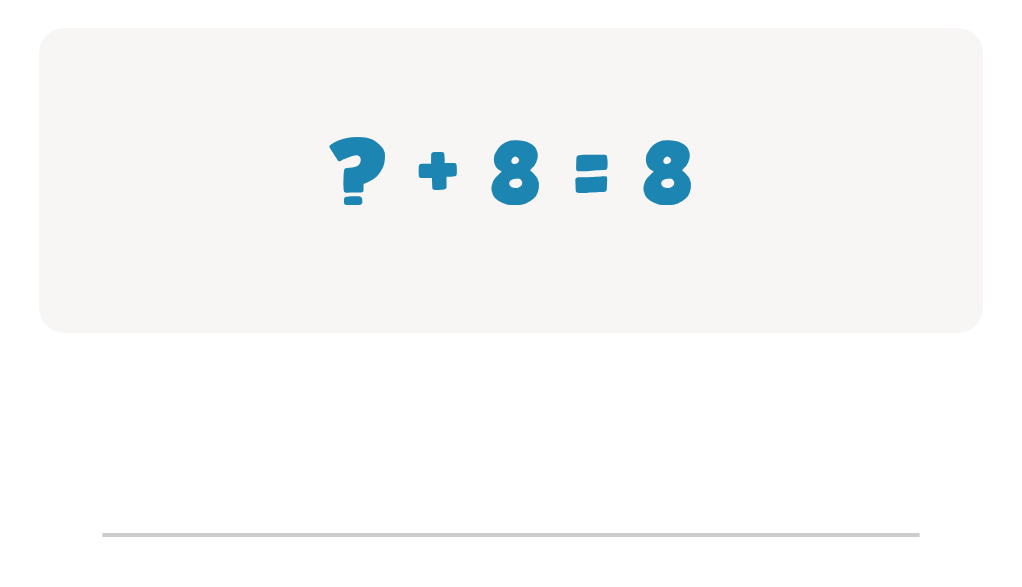

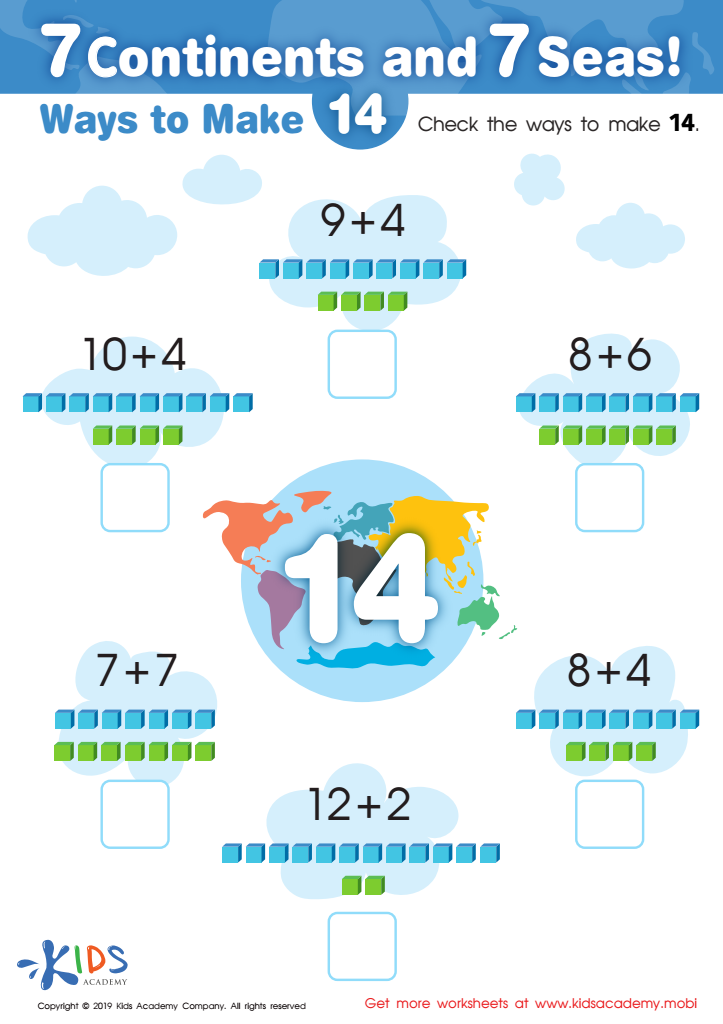
7 Continents and 7 Seas Worksheet
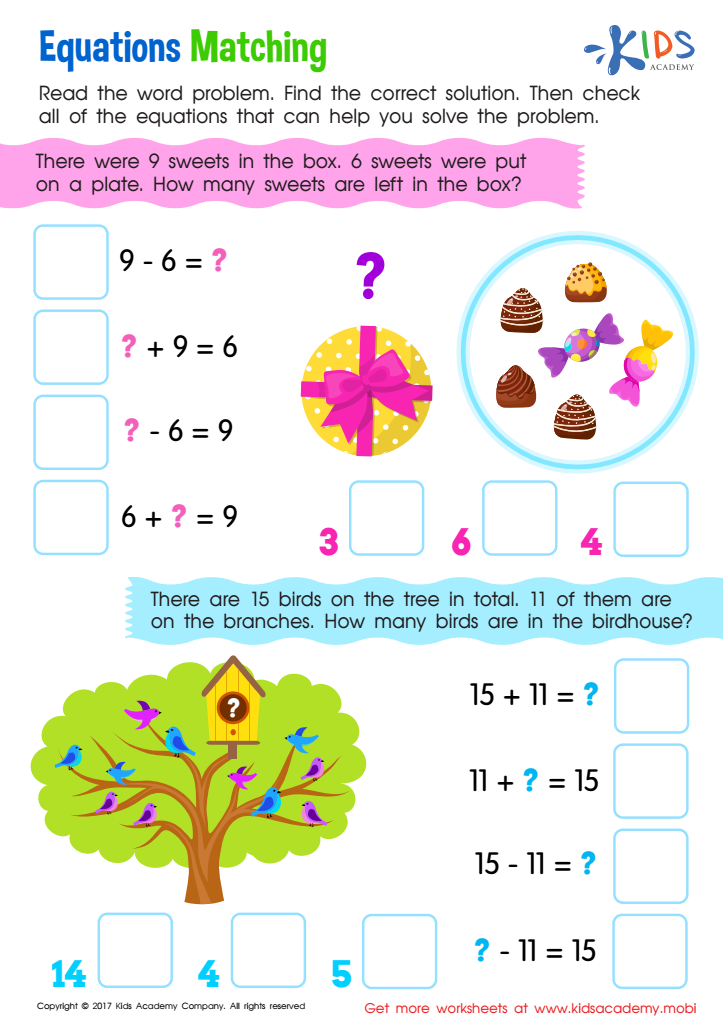
Equations Matching Word Problems Worksheet
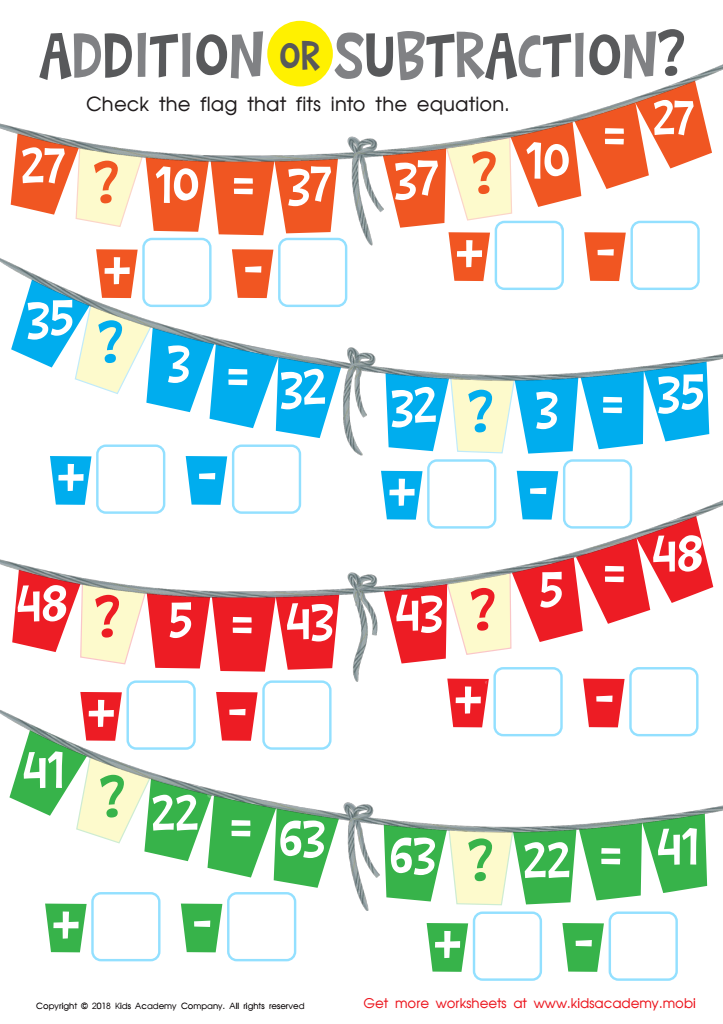
Addition or Subtraction? Worksheet








Mathematical reasoning, particularly concerning addition facts for children aged 4-8, is crucial for several reasons. At this developmental stage, children are building the foundation for their numerical understanding, which influences their future academic success. Mastering addition facts not only enhances basic arithmetic skills but also fosters critical thinking and problem-solving abilities.
When parents and teachers prioritize mathematical reasoning, they are actively engaging children in learning processes that promote cognitive growth. This age group is particularly receptive to learning through play and interactive activities, making it an optimal time to introduce engaging strategies that reinforce addition concepts. Early mastery of addition facts enables children to tackle more complex mathematical operations in the future, reducing anxiety and boosting confidence in their abilities.
Additionally, understanding addition helps children to connect mathematics to everyday life, preparing them for real-world problem-solving and decision-making scenarios. Parents and teachers play a vital role in encouraging a positive attitude toward math, helping to cultivate a generation of confident math learners. Ultimately, supporting mathematical reasoning in young children lays the groundwork for lifelong skills that extend beyond the classroom, fostering both academic achievement and a love for learning.








