Identifying equivalent fractions Addition & Subtraction Worksheets for Ages 4-8
7 filtered results
-
From - To
Explore our "Identifying Equivalent Fractions: Addition & Subtraction Worksheets" tailored for children aged 4-8. These interactive worksheets help young learners grasp the concept of equivalent fractions while honing their addition and subtraction skills. Engaging visuals and age-appropriate exercises make math fun and accessible, encouraging kids to recognize fractions as parts of a whole. Each activity promotes critical thinking and reinforces foundational math concepts. Perfect for classroom use or at-home practice, our worksheets are designed to build confidence in young mathematicians as they explore the world of fractions. Enable your child to become a fraction master today!
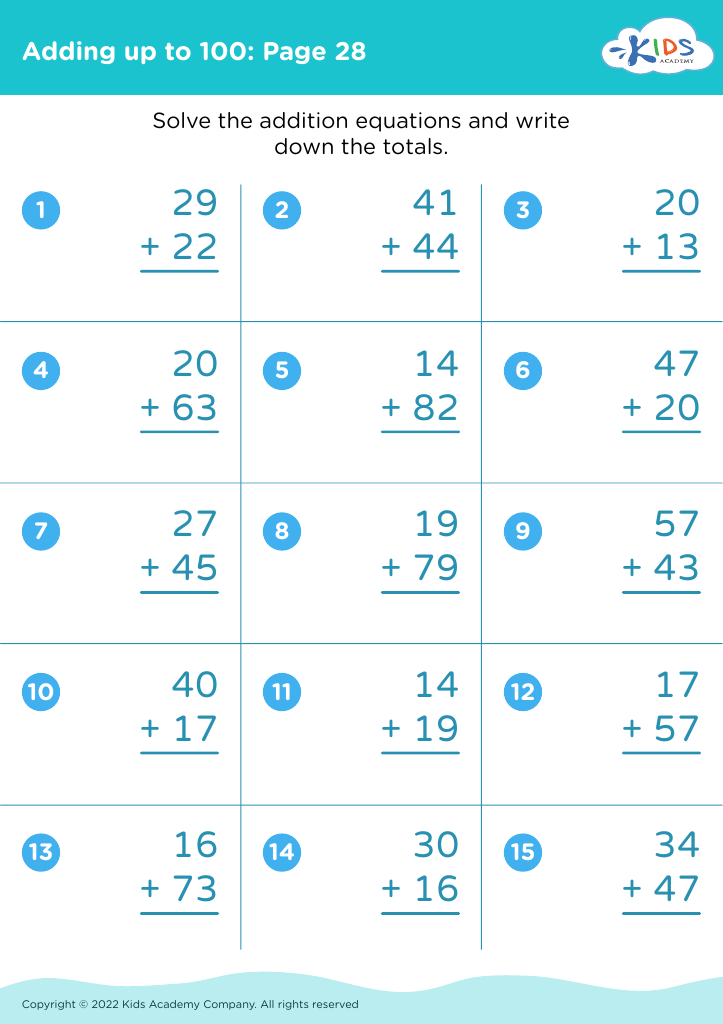
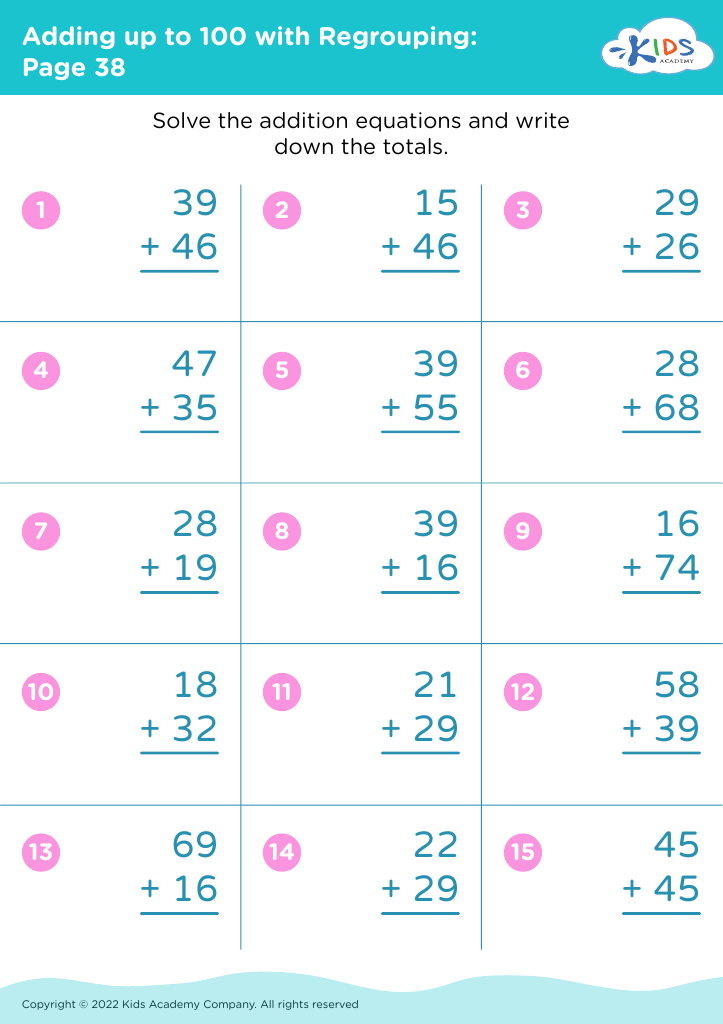
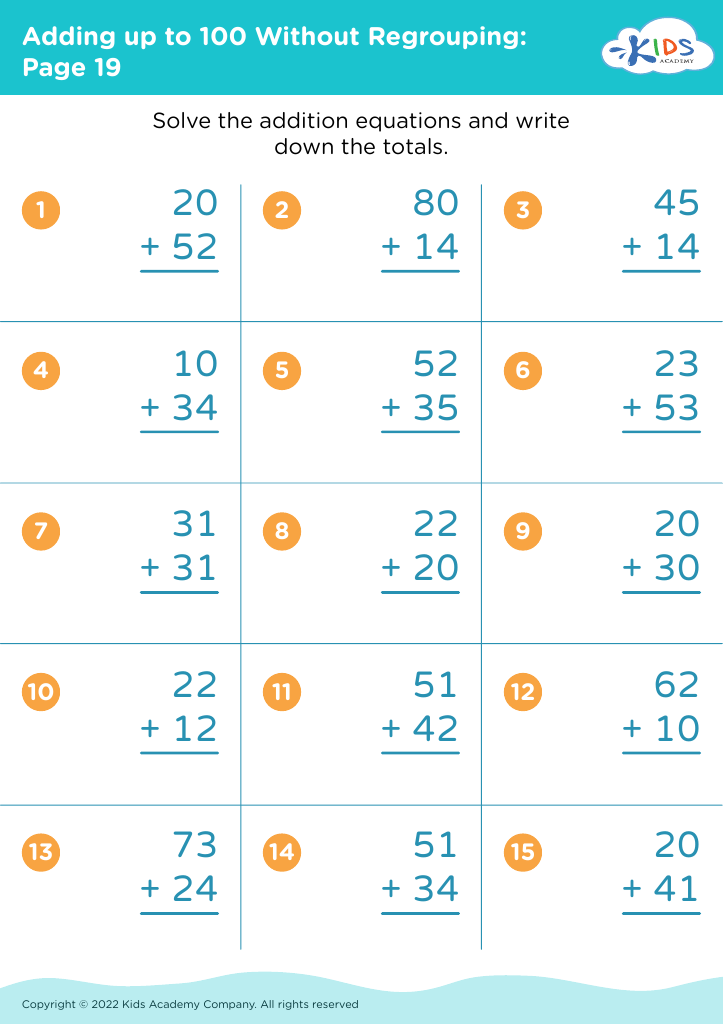
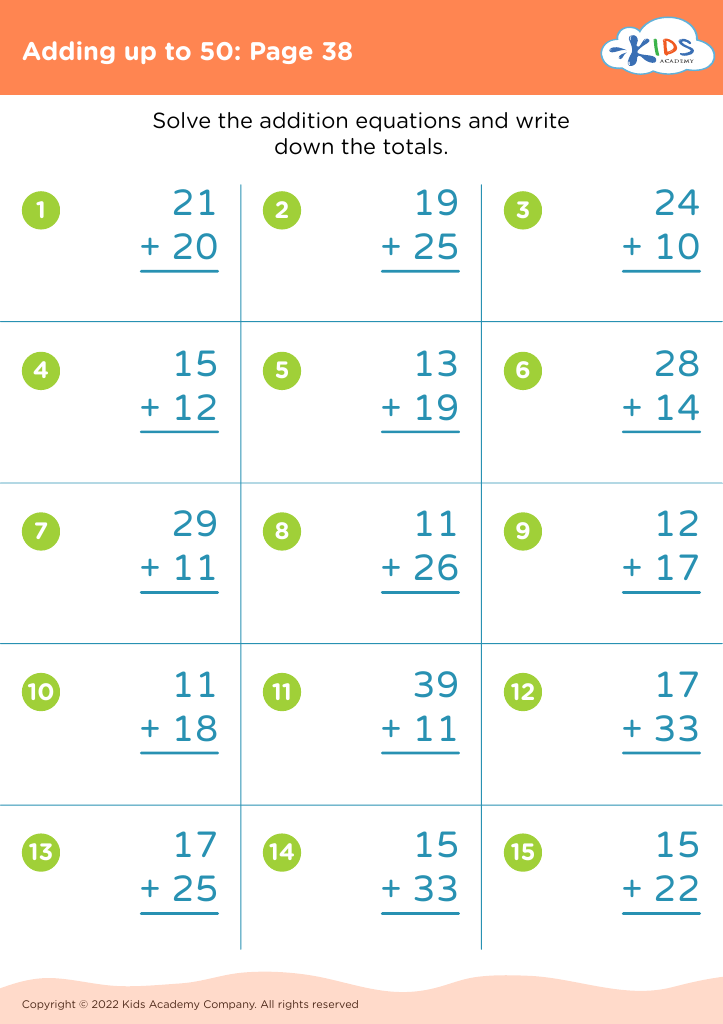
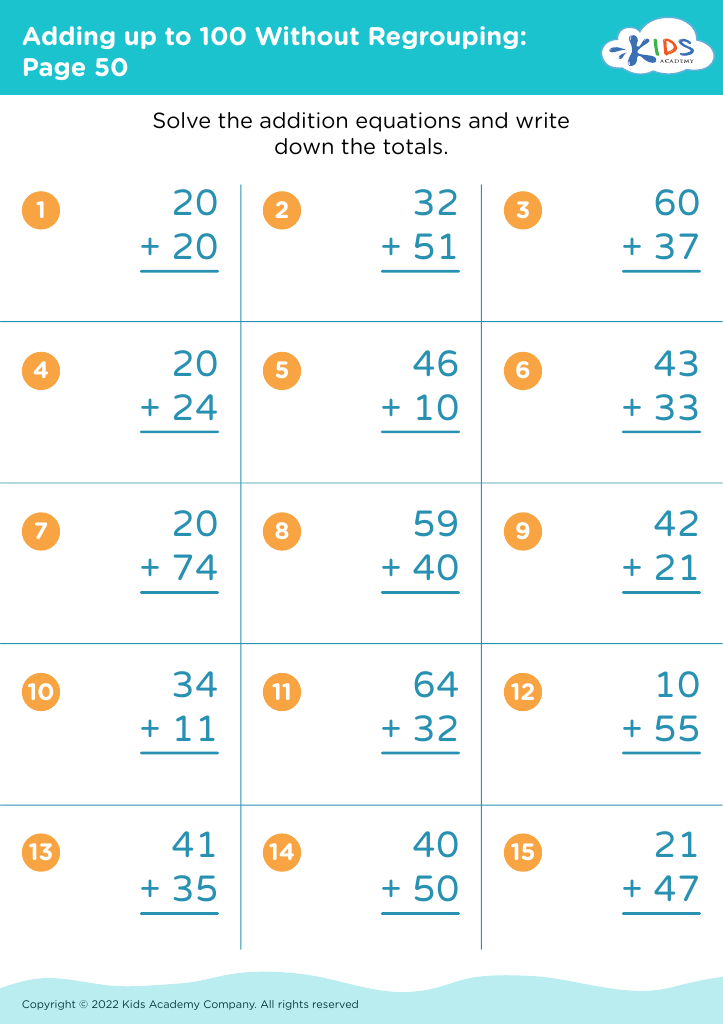
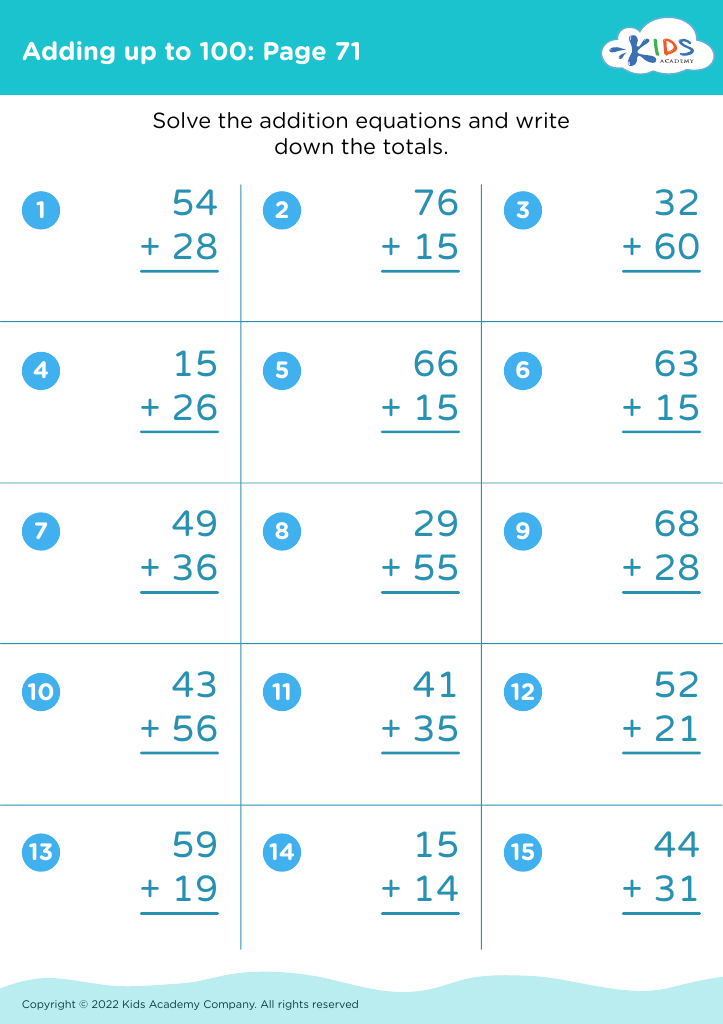
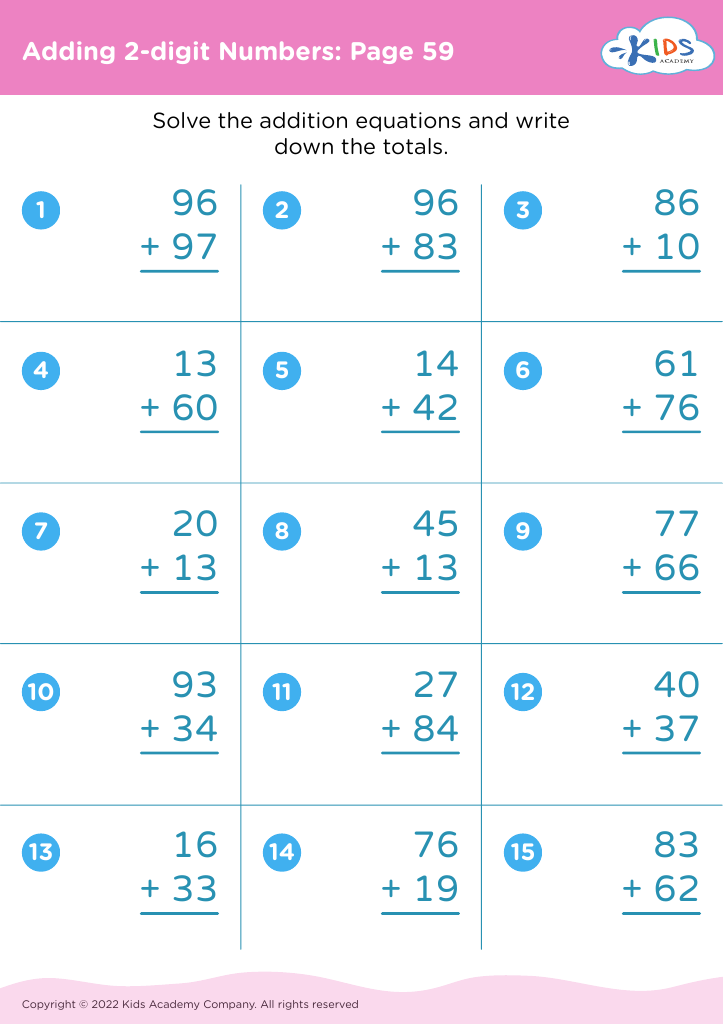








Identifying equivalent fractions in addition and subtraction is crucial for young learners, ages 4-8, as it lays the foundation for their understanding of math concepts. Parents and teachers should care about this skill because it enhances a child's ability to grasp more complex mathematical ideas in the future.
First, recognizing equivalent fractions helps children understand that different fractions can represent the same value. This understanding is deeply tied to concepts of whole numbers and scaling, which are essential in everyday life. For instance, teaching kids that 1/2 is the same as 2/4 fosters flexibility in thinking about fractions.
Moreover, when children learn to add and subtract fractions with like denominators, they develop problem-solving and critical thinking skills. These skills are not just vital for mastering later mathematics but also beneficial in other areas like science and problem-solving in life.
Additionally, early exposure to these concepts builds confidence in math. Children who feel competent in their mathematical abilities are more likely to maintain interest and engagement in the subject.
Ultimately, parents and teachers play a pivotal role in encouraging these skills, creating a solid groundwork for their children's future academic success and instilling a positive attitude toward math.








